Month: Sep 2026

  • South Caucasus – Over the Black Sea

    South Caucasus – Over the Black Sea

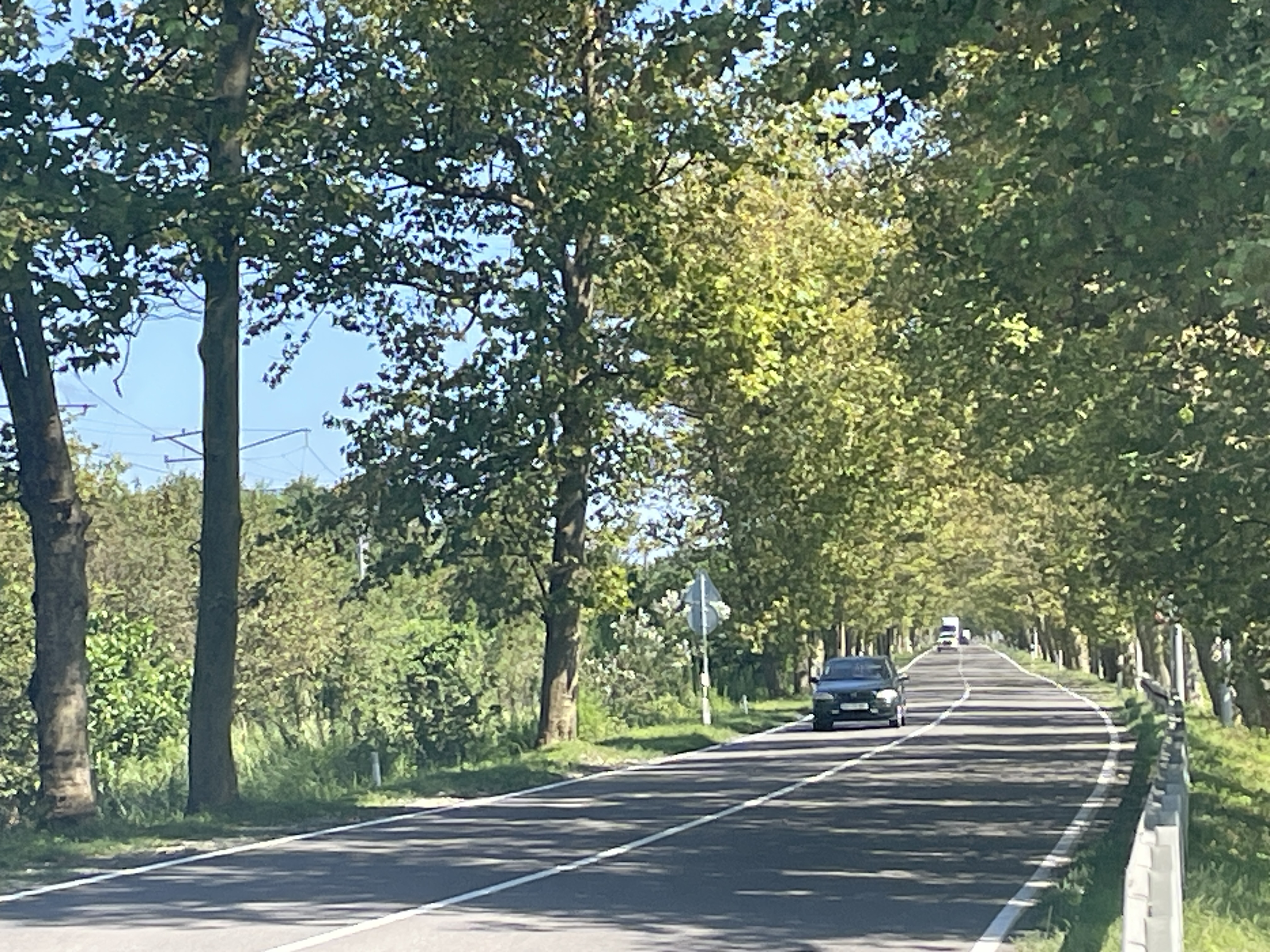
    As planned, I left Zugdidi very late and headed for Poti, the other harbour at the Black Sea. The ride was rather cool, as the tree-lined road provided a lot of shade.
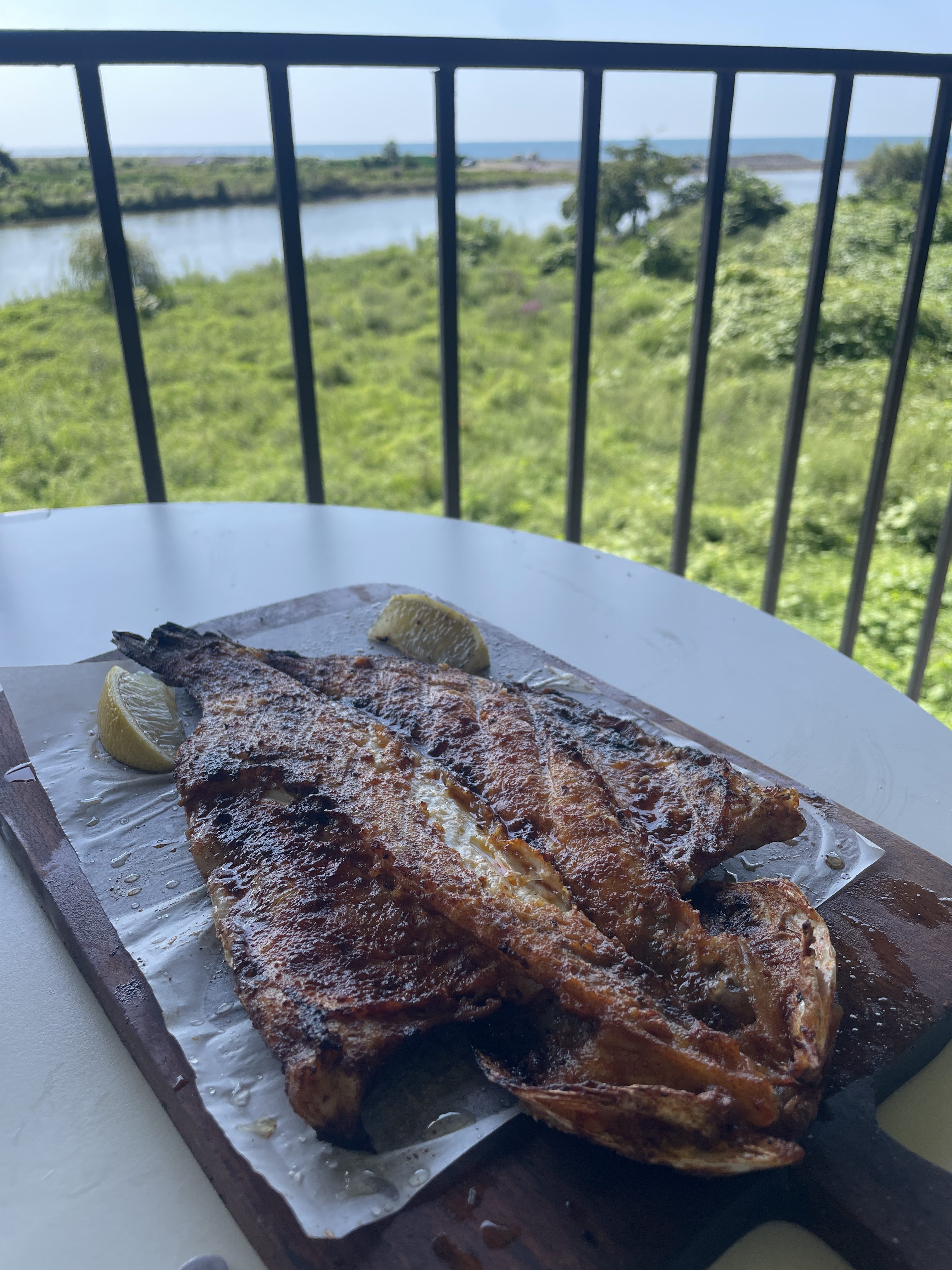
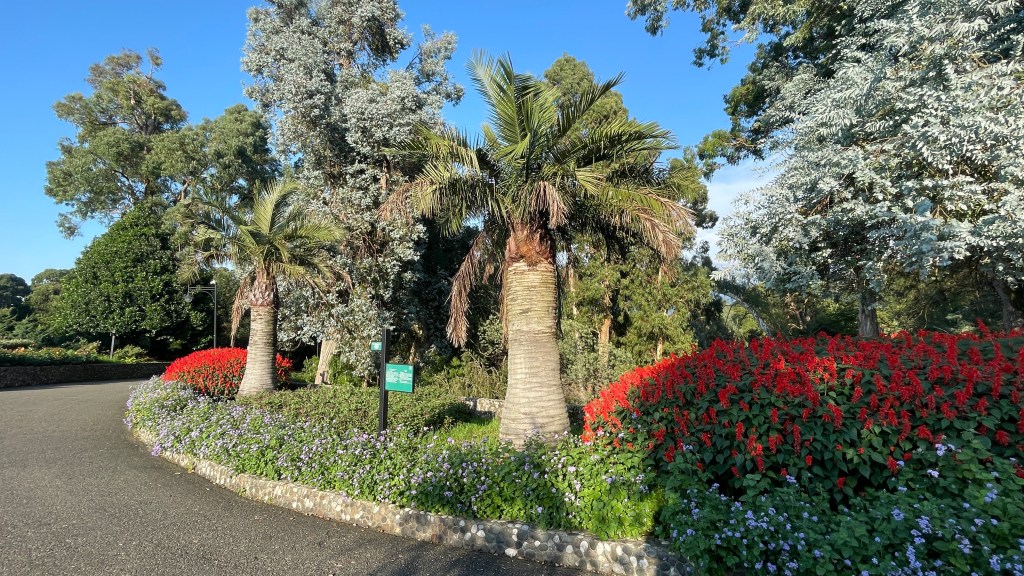
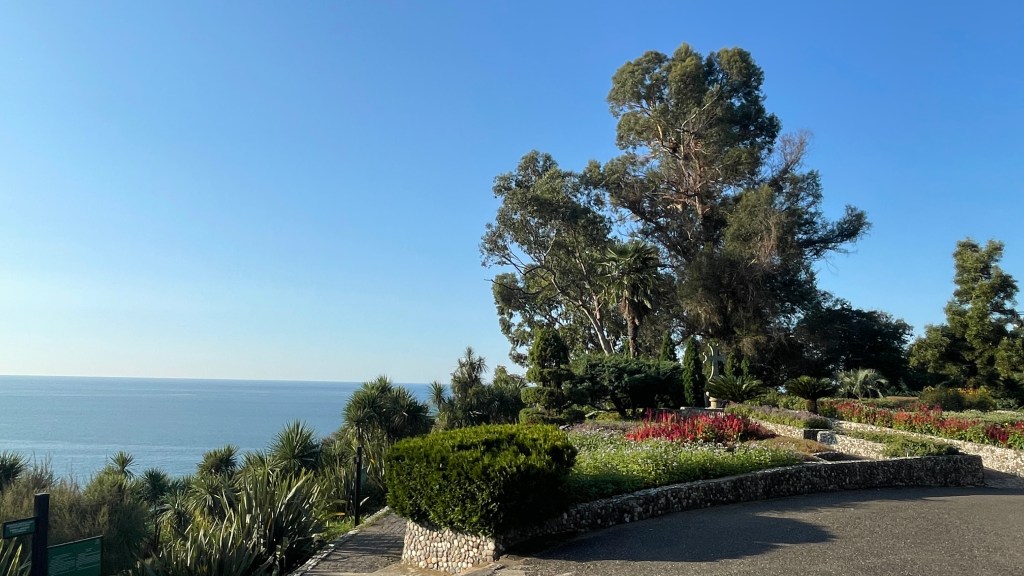
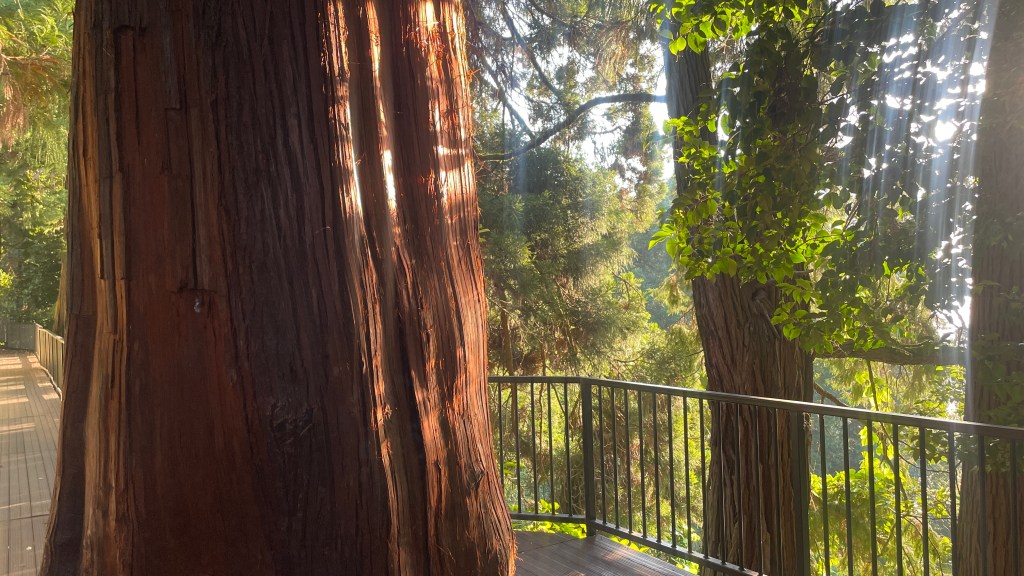
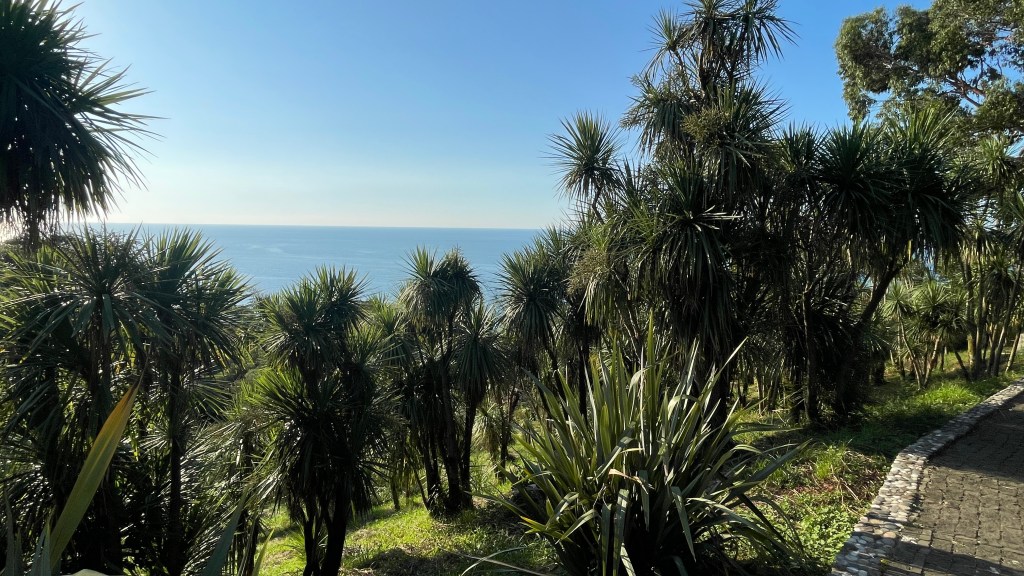
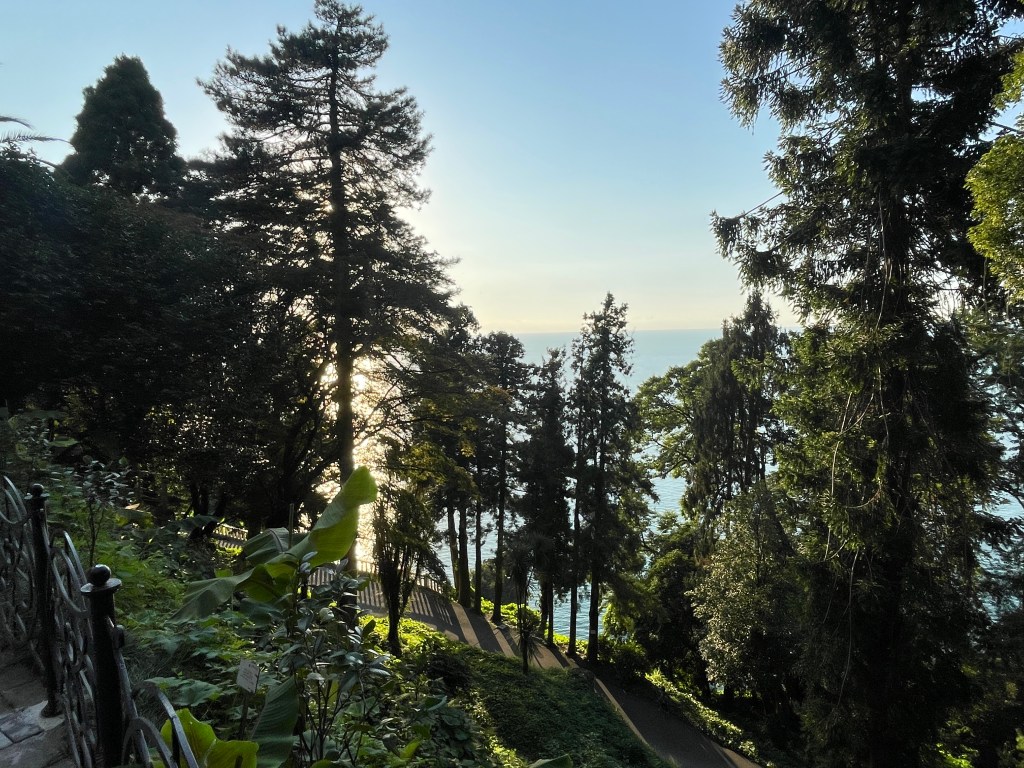
    I studied the map…how could I kill more time until I could embark on the ferry at midnight? I could have some lunch with a view. There was also a botanical garden to the north of Batumi, worth a visit. So I made my plans to go to a fish restaurant in Kobuleti. I was genuinely surprised how big this coastal town was, lots of resorts and restaurants. I arrived at the restaurant that was at the quiet end of the town, a bit hidden, but with a nice view from a shady terrace overlooking the beach. I stayed longer than I had planned, the view and the nice breeze were tempting me to stay longer. I had a nicely grilled sea bass from the grill. I was studying the background and entry points of the botanical garden. The Batumi Botanical Garden is a 108-hectare botanical garden located north of Batumi. Situated on the Black Sea coast at the area known as Mtsvane Kontskhi (“The Green Cape”), it is among the largest botanical gardens in the former Soviet Union and a major center for the study and conservation of subtropical flora. The garden contains thousands of plant species from diverse climatic and geographic zones, arranged into thematic collections, and serves as both a scientific research institution and a popular tourist attraction.

    It offers panoramic sea views, walking trails, and seasonal exhibitions, attracting visitors from Georgia and abroad throughout the year. So this sounded like a must-see. I rode to one of the gates and parked the bike there. As often, the entrance fee for foreigners was much higher than for locals. It was hot now and I attached the jacket to the bike, walking in the pants and the boots. The garden is very large, you could spend a whole day there; it should rather be called a ‘botanical forest’, because there not so much flowers or small plants, but a large number of exotic and tropical trees that flourish in this warm, humid climate on this cliff. I was walking downhill to the centre of the garden, realising that I’d have to climb back again.
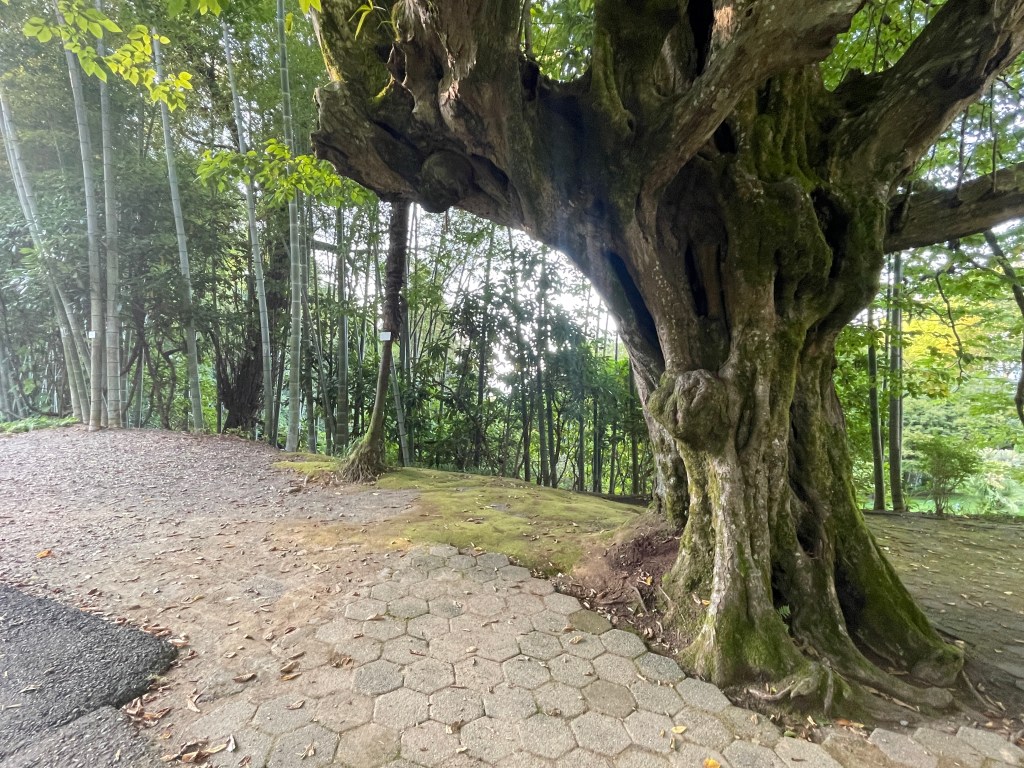
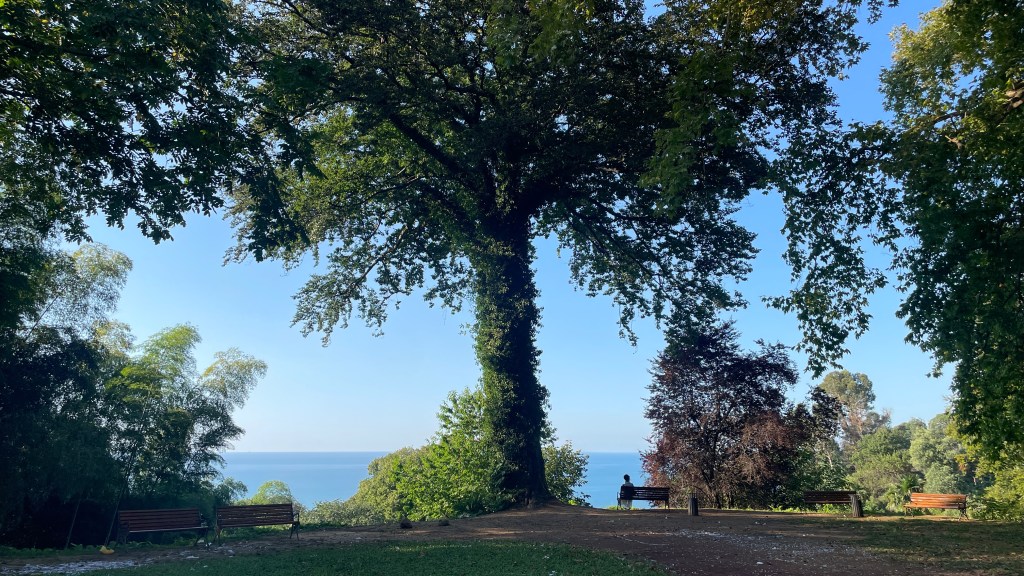
    I walked slowly, reducing the sweating rate. I’d loved to stay longer, but in this gear and the closing time looming, I returned to the gate after 1.5 hours. This was well worth it, a place of tranquility.

    I still had some hours on my hands, let’s go to Batumi. On the way there, I could see that the ferry boat was already in the harbour, good. After having read some articles about the food on board, I managed to buy some dry sausage, Bread, water and cheese to be prepared for the worst. I was surprised by the glitz of the city, not as posh as Baku, but way more than Tiblisi. I wanted to see the beach and found it made of flat grey stones.
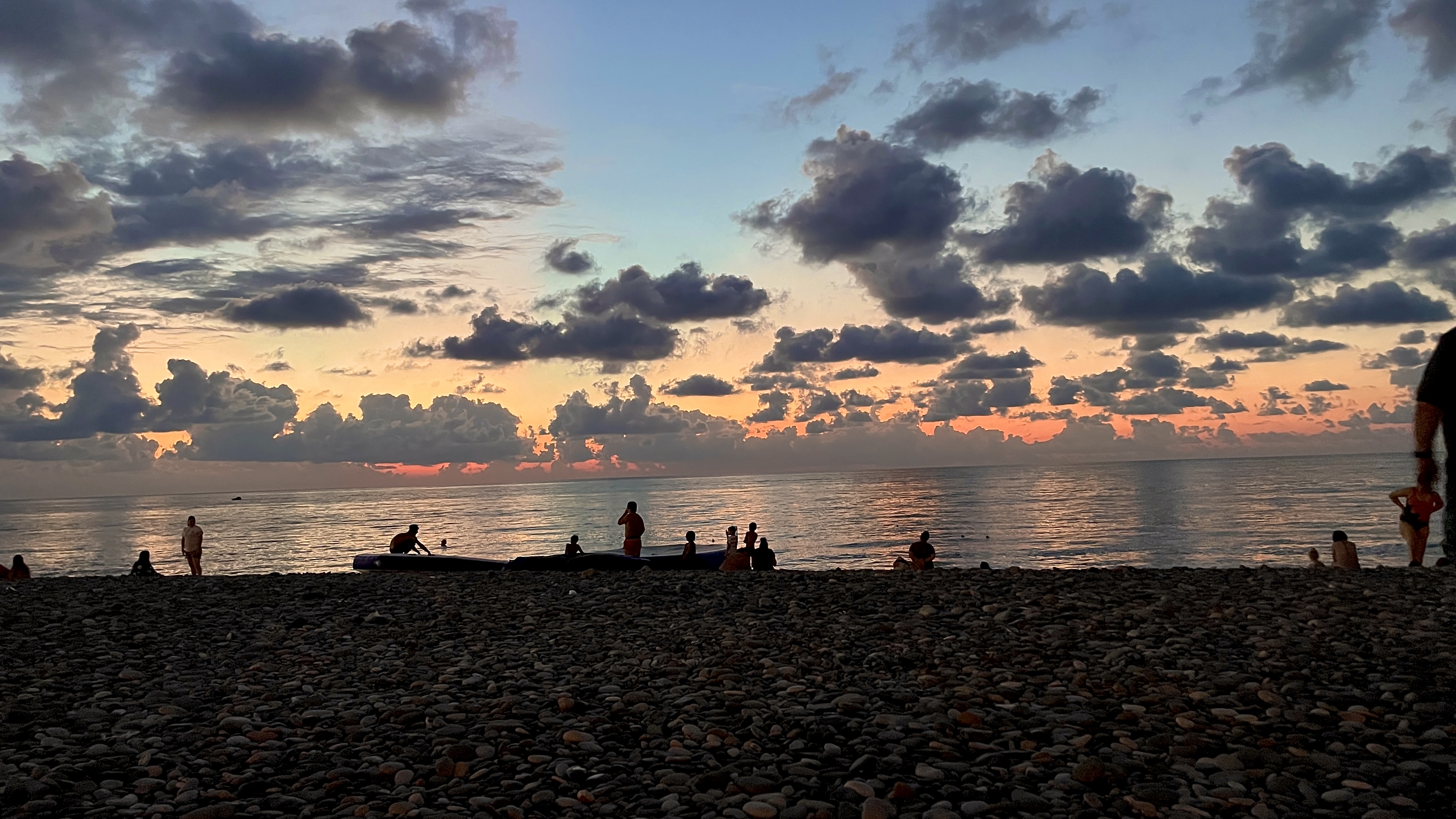
    When I was just taking pictures and reflecting where I would find something for dinner, an e-mail from the ferry company reached me at 20:30. I could go to the port already. Wow, that came unexpected. I rode to the pier and entered the area, showing passport, bike registration and driving license. Then the same after 50 m. There were not really any facilities, this was done on the road. Then I got stuck after some trucks until I decided to filter my way forward. This worked, but before entering the ship, I had to show everything again. AND my bike insurance. While exiting the country. Never mind the hassle and be one of the first to enter the boat.
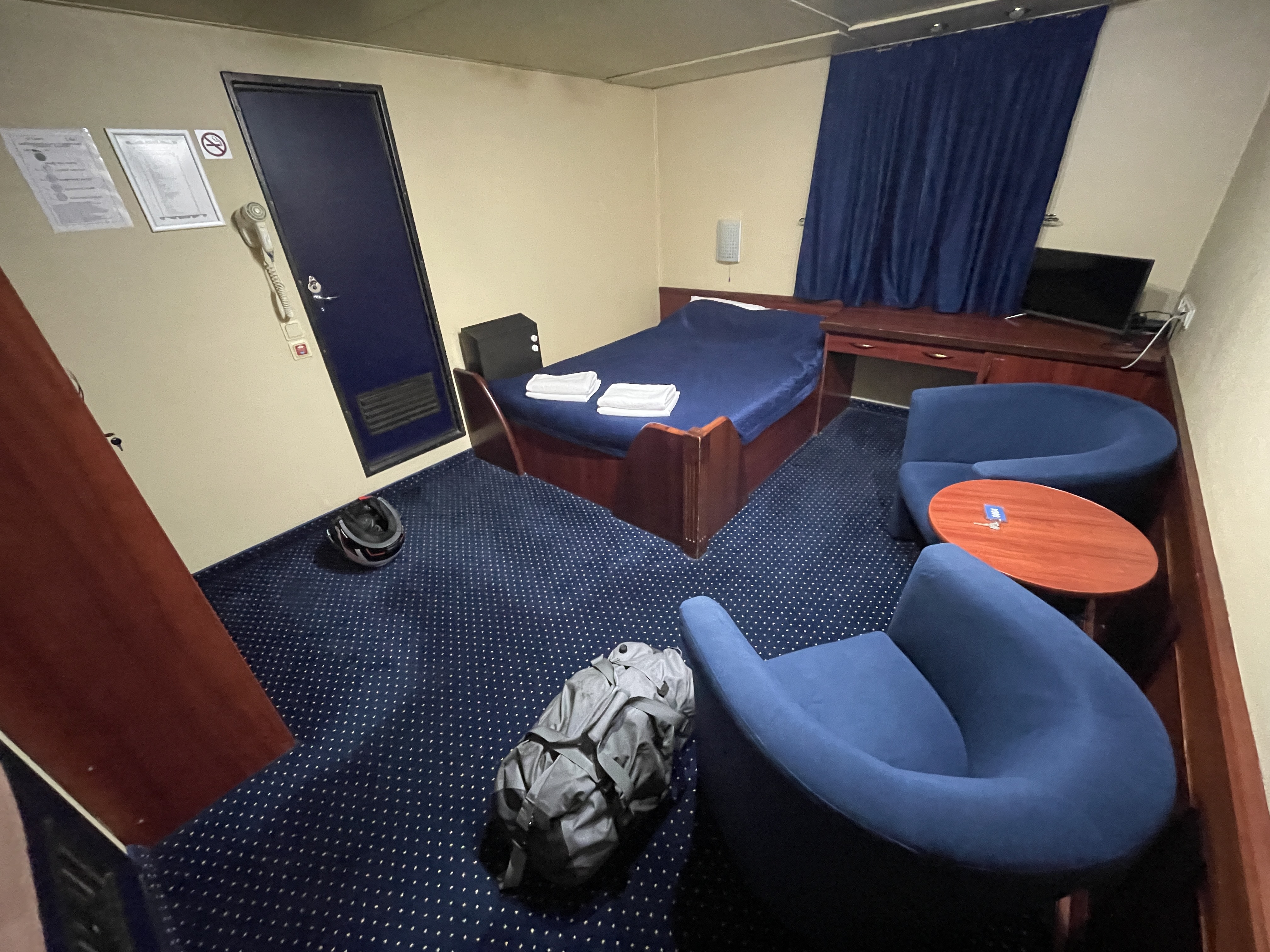
    I parked the bike and took the elevator to the reception. I received the key to my Junior Suite and tried to enter the cabin. However, it was already occupied! The occupant and I were equally baffled. There must have been a mistake. He probably had seen me on the bike and asked me if I was from Belgium. After my answer we started to babbel in Flemish. The receptionist was very sorry (after using the translation app), she had given me the key for the wrong cabin. In the correct one, I was happy about the space and the large bed, the extra charge was worth it. The bathroom was less charming though: pretty old and filthy, the leaking toilet wasn‘t very attractive either.

    I had some snack from my supermarket stash and was glad I brought a lot of mineral water with me. I soon went to bed, ignoring some calls in Russian? Ukrainian? talking about passports. Probably they were looking for a specific guest. Finally I fell asleep after a hot and tiring day (the long walk in the botanical garden!).

    At 2:30, somebody was knocking at the door. What? The receptionist said something about passport and bar so I fetched my document and trotted to the said room. There, some tourists were waiting in front of some seated police with laptops and cameras. I overheard them asking for vehicle papers and driving licences (again!!!) so I went back to my cabin and came back with the whole document package. I stood there in waiting, smirking as I could not famthom the whole scene, it just was too surreal. The boat could not öeave because we still had to do this procesure ON THE BOAT? Lots of room for efficiency gains here.

    When it was my turn, I made a big effort not to give any sarcastic answers. The policewoman did not appear to take a joke lightly. Later, I heard somebody telling that she answered to a complaint with’if you don’t like this, what are you doing in Georgia?‘ Charming. Finally I could go back to my room.

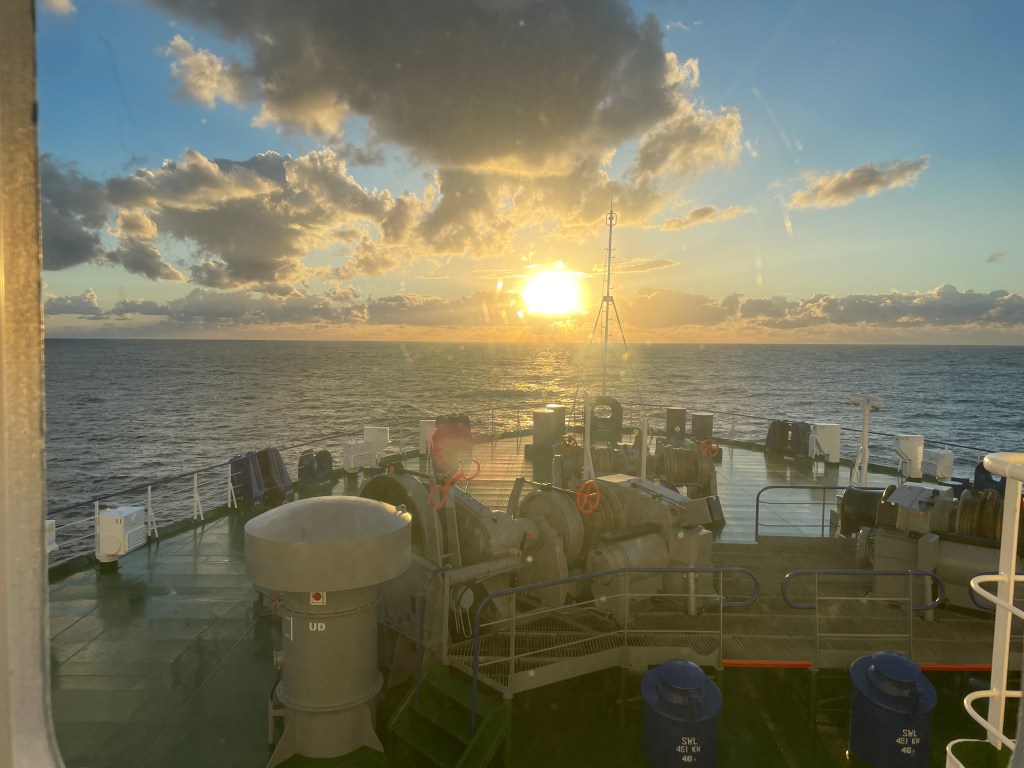
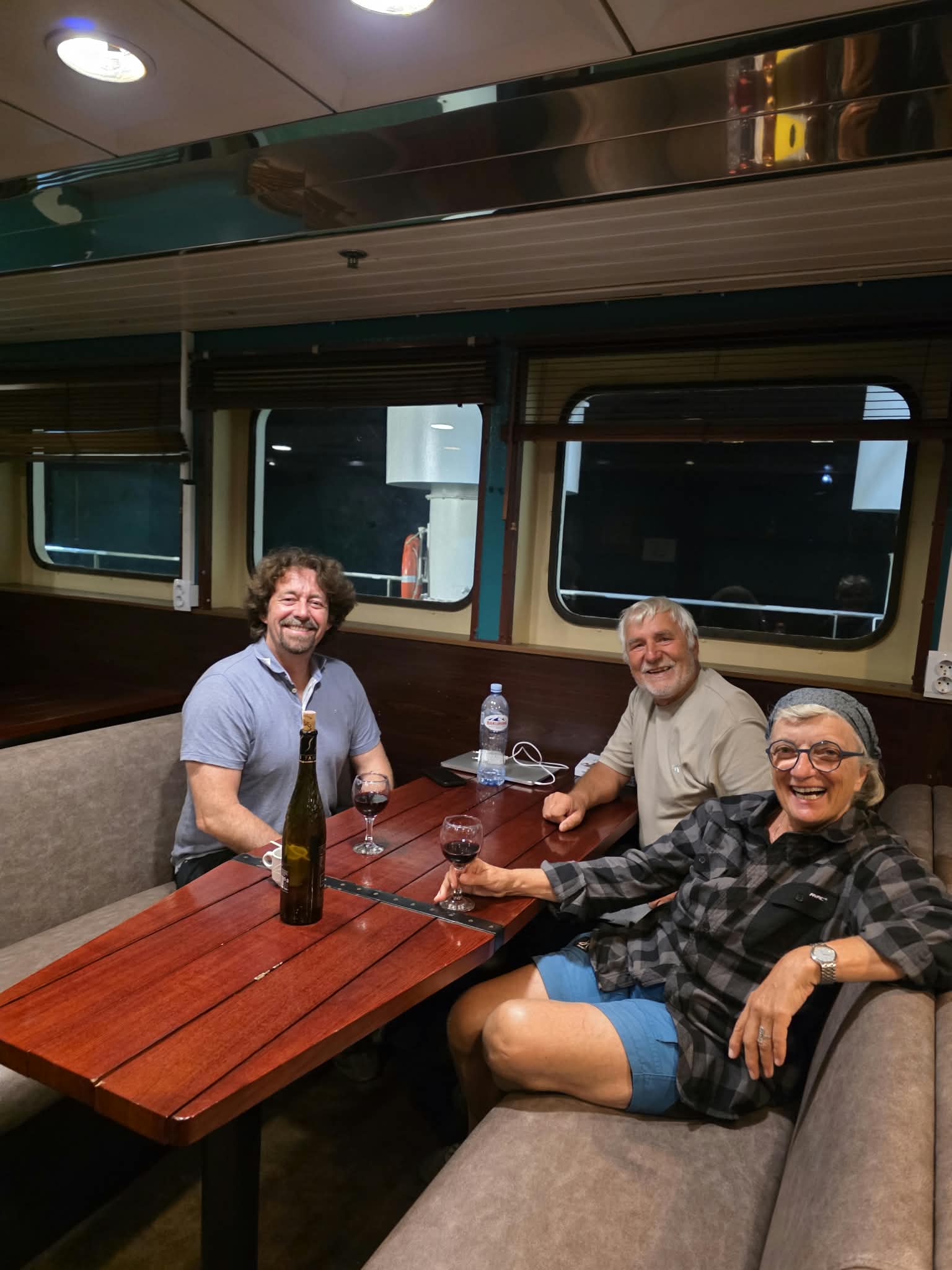
    The next morning I was greeted with an announcement that breakfast was ready. These were the only announcements also in English. I was assigned a table for the rest of the trip. There was a motorbiking couple from Croatia, the Flemish guy from Antwerp and a German couple who returned from a 6 month trip through ‚the Stans‘ (central Asia) in their pick-up caravan. We were genuinly surprised by the quality of the food during the trip, it was traditional, but freshly cooked, simple but tasty. Reports in Internet had told horror stories that‘s why I had some food now that I didn‘t need.

    After breakfast, I chatted with the German couple in the bar, the only accessible public space, about our trips. We were flabbergasted watching the Ukrainian? Bulgarian? truckers downing one brandy bottle after another. Long before noon. Impressive.

    Time flew by and soon it was time for lunch. After that, I tried a little siesta, much needed after the short night before. And then it was time for dinner again.

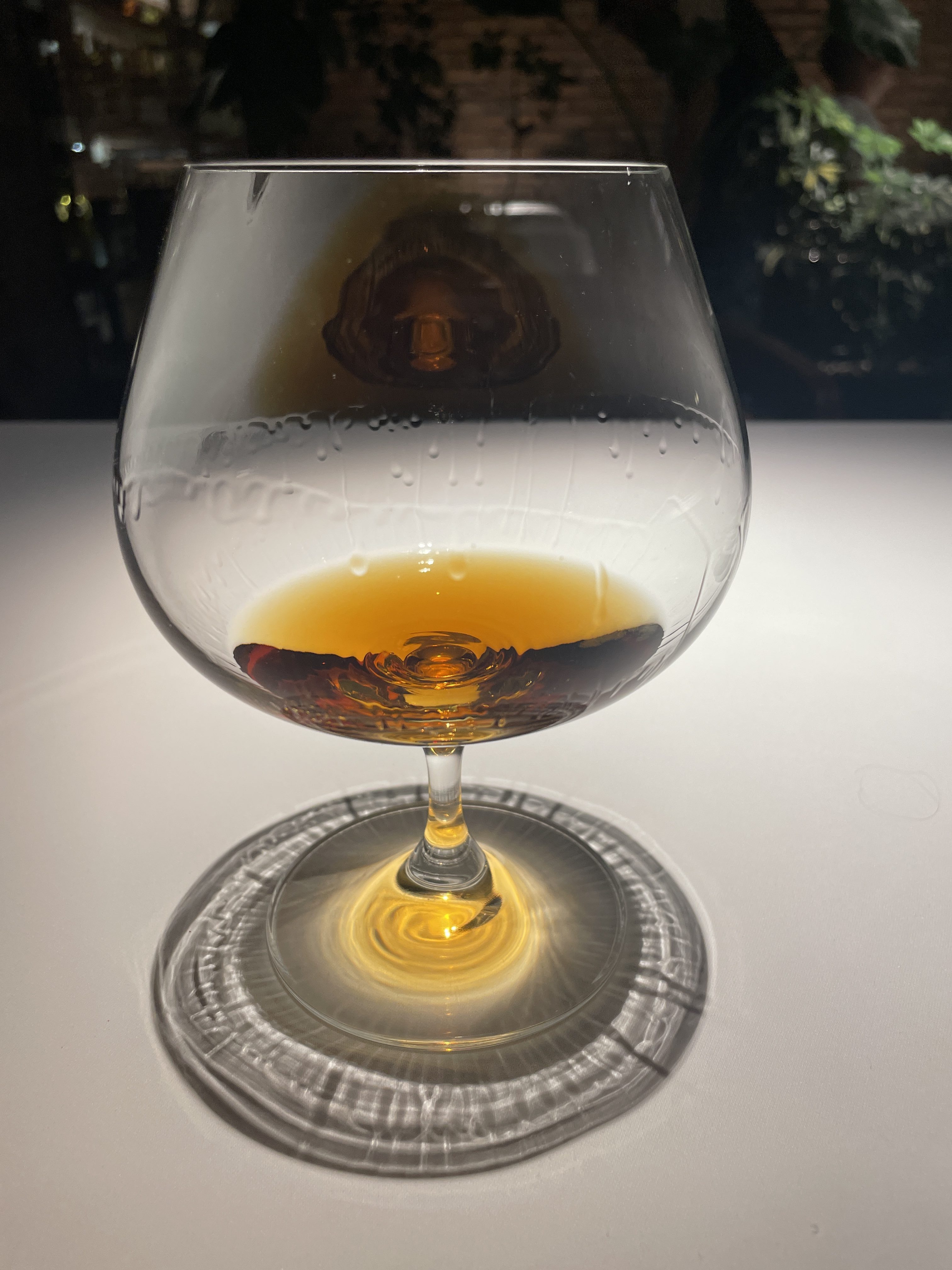
    I spent the evening in the bar, discovering the lower end Ararat brandy (the other end was in by panniers). Despite the large quantity of one shot (50 ml), I had four of them during the evening, but no issues the next day.

    I was chatting with the Portuguese rider I met in the mountains. His name is João and when we discovered that we both speak Spanish pretty well, we switched and had a more lively conversation. We exchanged a lot of stories, e.g. I told him about my LD rallies and he shared his past as a rally co-pilot until a off-road crash with another motorbiker smashed his hand to bits. And yet, he managed to recover to do motorbike trips to the Caucasus, chapeau! It was fun to share stories and the evening went by quickly until the bar closed. The night‘s sleep was uninterrupted this time.
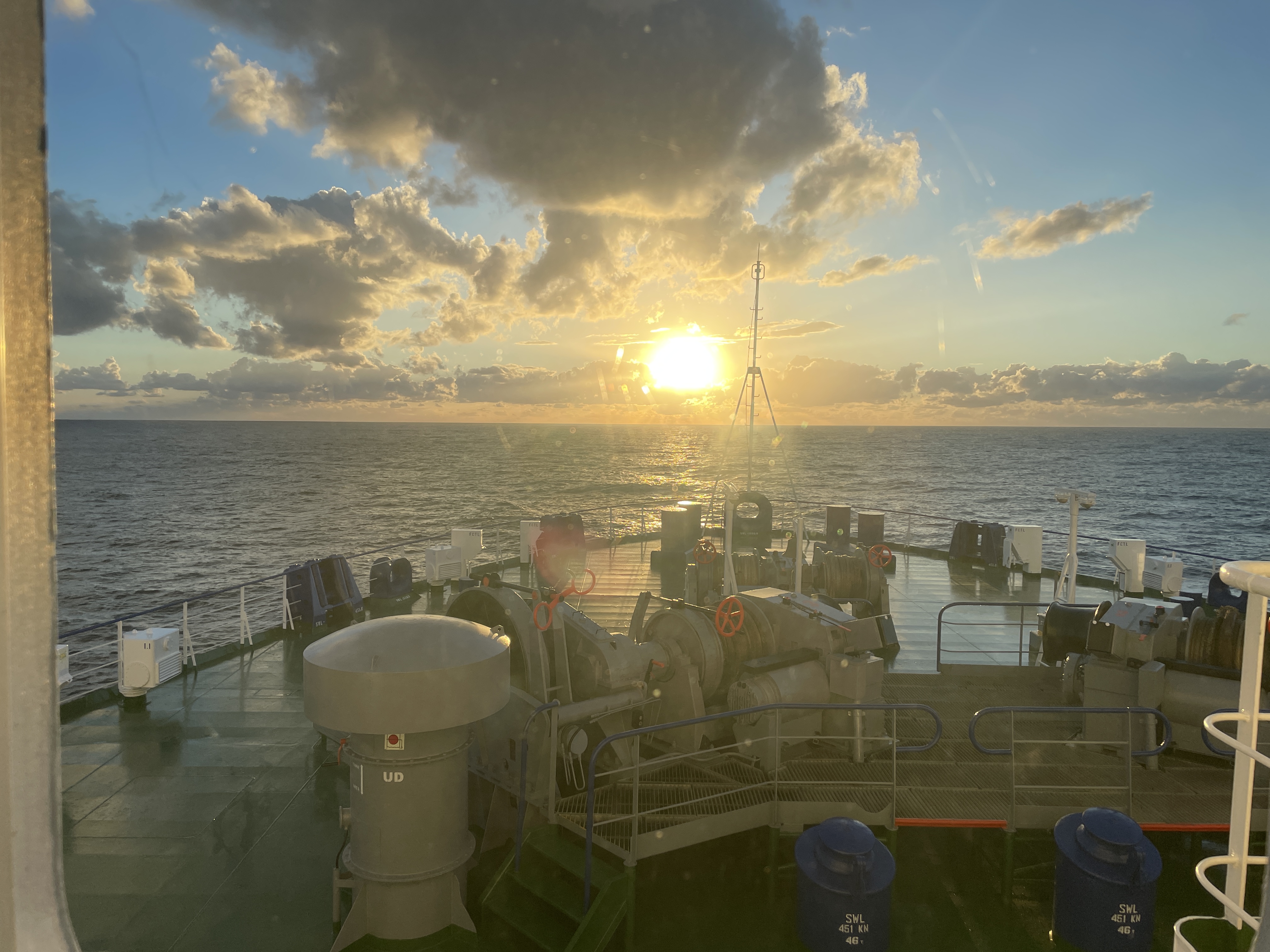
    The next day followed the same pattern. At the table, we also shared our stories and we learned that the guy from Antwerp bought a very cheap Maserati in Georgia and planned to drive it six months in Europe with a Georgian registration. Hmmmm. What could possibly go wrong?

    After dinner, I sat down with Hans-Jörg and Angela, the German couple, and what followed was one of the most fascinating stories I ever heard on my trips. I had noticed that despite their residence in Western Germany, they had a slight accent from or around Berlin. So it didn‘t come as a surprise that they had grown up in the GDR before the wall came down. They told of their discontent and rebellion against the Communist system with its surveillance system and repression. When it was clear that they could not exit the country in a legal way, they planned their escape meticulously and with a high risk. They managed to enter a ship in a truck prepared for export and only made it barely to West Germany. Their story resembled a political thriller and when I told them that it could be a movie script, they replied that many people told them so. What a story!
    The next morning followed the same pattern. Initially, we were supposed to arrive at 9 a.m. in Varna, Bulgaria. However, due to the late departure, we would only arrive in the afternoon. In the morning, I was talking about motorbiking trips and events until, surprisingly, we were called for another lunch that was not expected. At 1 p.m. we left the cabins and sat down in the reception area. Some Bulgarian policemen came on board…and left again after a while. Confusion. There was a total lack of information. 2 p.m. 3 p.m. Confusion. In the end, we started to descend to the car deck and everybody prepared their vehicles. Some goodbyes and some waiting later we could finally leave the boat…and get stuck in the queue at the small border control facility. After all, this was not a proper harbour, but a remote landing site.

    The border and customs control only moved forward when the motorbikers were called to the front what sped up things. Still, the formalities and the luggage controls took a while, but finally I was in Bulgaria at 5:30 p.m.and the ‘exotic’/’oriental’/’caucasian’ part of the trip had come to an end. I had been permanently adapting my plans for the day. Initially, I had planned to ride some 450 km to the capital Sofia….then Plovdiv…then Stara Sagora….but when even this was too far away, I had to make a choice. Either to ride back in the wrong direction and stay at the coast or try to do some more kilometers and try to ride a bit to the west. In the end I chose to ride another hour and to stay in the city of Schumen.

    But this is another story for another post that sums up the final part of the whole trip. Stay tuned.
  • South Caucasus – mighty Svaneti mountains

    South Caucasus – mighty Svaneti mountains

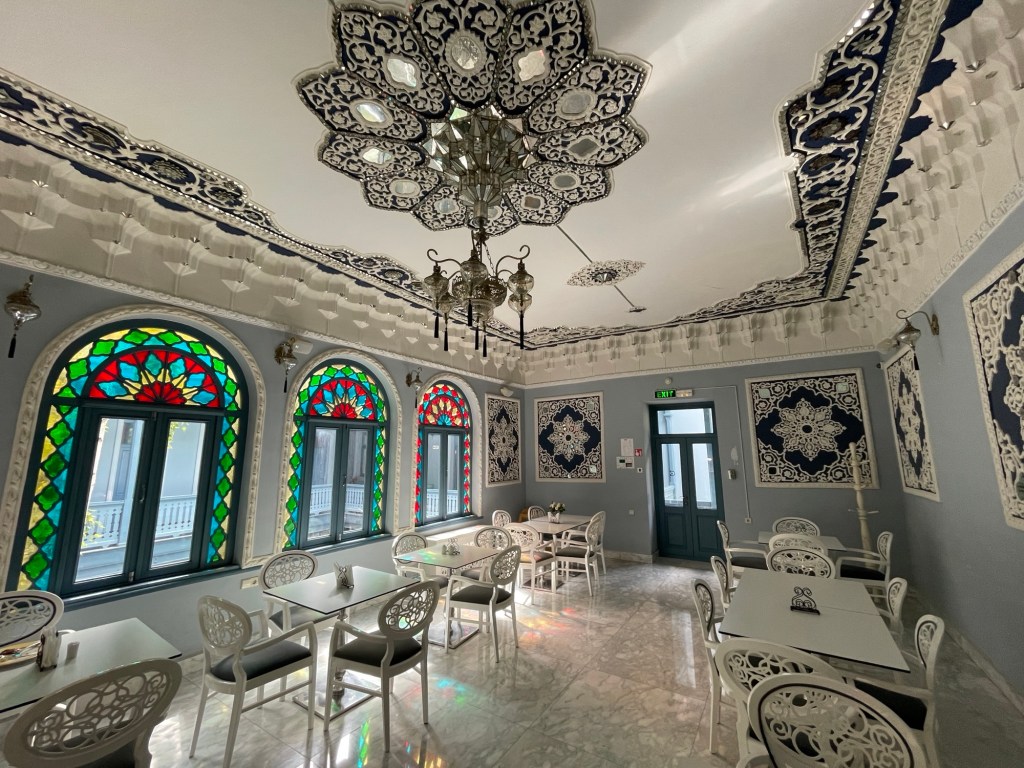
    I had planned relatively short day trips for the next two days so it was clear that the day would start late. Breakfast in the beautiful restaurant (see pictures from the day before) was only at 9 a.m. so I took it easy. My planned itinerary was only a 250 km, so I could afford to leave the hotel at 11:45. When I was slowly rolling through Borjomi, I heard the sound of a police car behind me and saw the flash lights behind me. I moved to the side. They still stayed behind me. Oh. They mean I should stop? OK, I stop in a safe place.

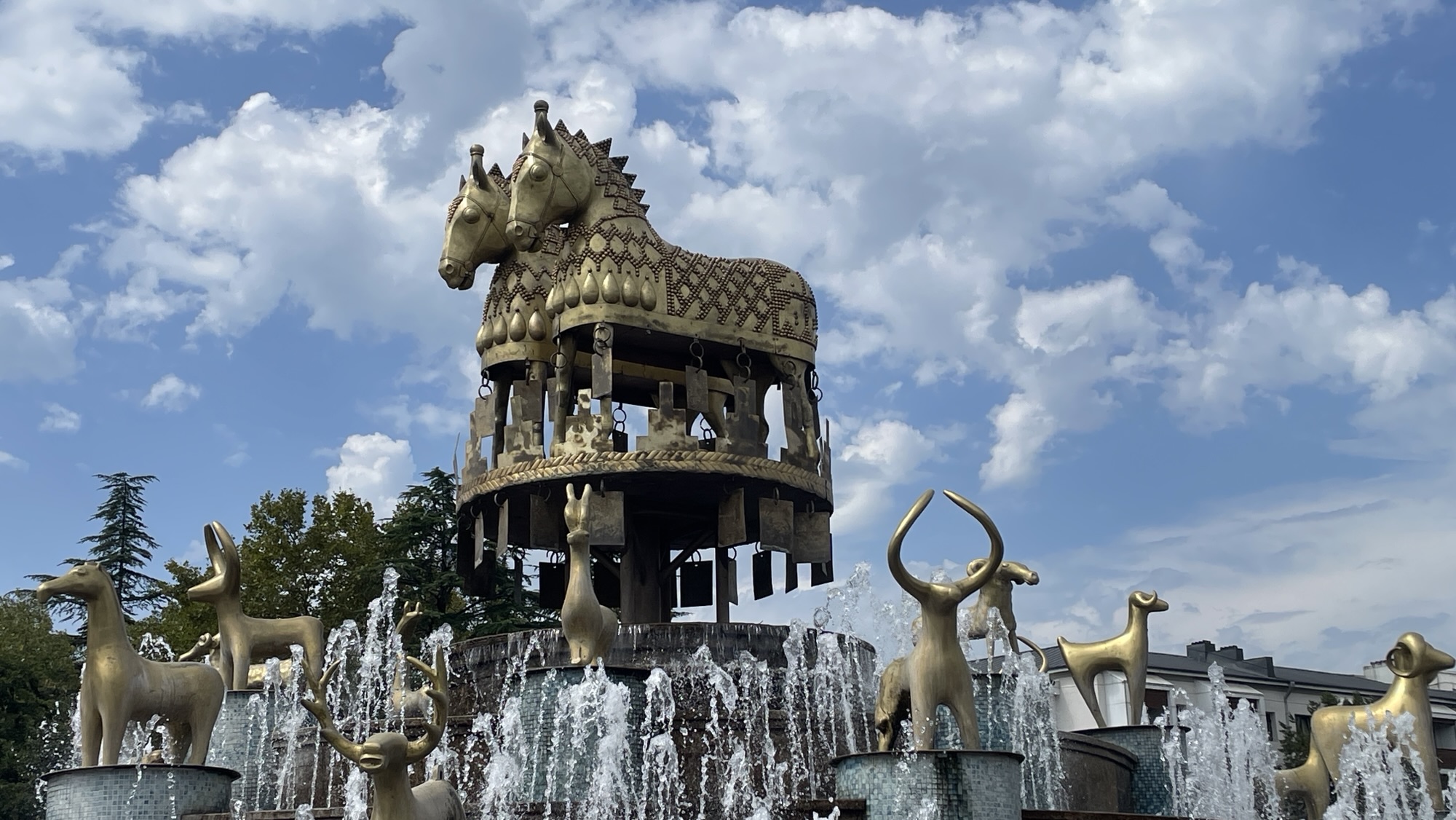
    The police agent asked for my Passport and driving license. ‘Do you know this?’ he asked me, showing me a plastic mouthpiece. ‘Alcohol?’ I asked with a laugh? It was 11:55 a.m. and he wanted to do an alcohol test? Really? Fine. I took mouthpiece, sticked it onto the measurement device and blew into it. The result was apparently the right one. I asked the agent for confirmation of the alcohol limit in Georgia. 0.3 per mil, just as I had read. Good to know. I could continue my journey. Soon I filled up and topped up the oils. After a while, I could luckily pass a very long queue at some road works. When we were allowed to go, the bike wouldn’t start. It took the starter a while to fire up the XBR. Probably the rich mixture results in a lot of deposit on the spark plug electrode, maybe I should clean it. The secondary road lead to a new motorway which took me faster than expected to Kutaisi., There, I wanted to do a little detour to watch the Bagrati Cathedral. But before that, I passed the Colchis Square; I had to stop and take a picture of the iconic fountain.

    The Colchis Fountain is a monument in the central square of Kutaisi in Georgia that celebrates the ancient kingdom of Colchis. It is adorned with 30 large-scale copies of the famous gold jewelry discovered at archaeological sites in Georgia. My brain started scrolling through my memory….Colchis…Colchis…ah, yes…the destination of the Argonauts and the home of the Golden Fleece. Reading all these Greek sagas as a boy was not for nothing.

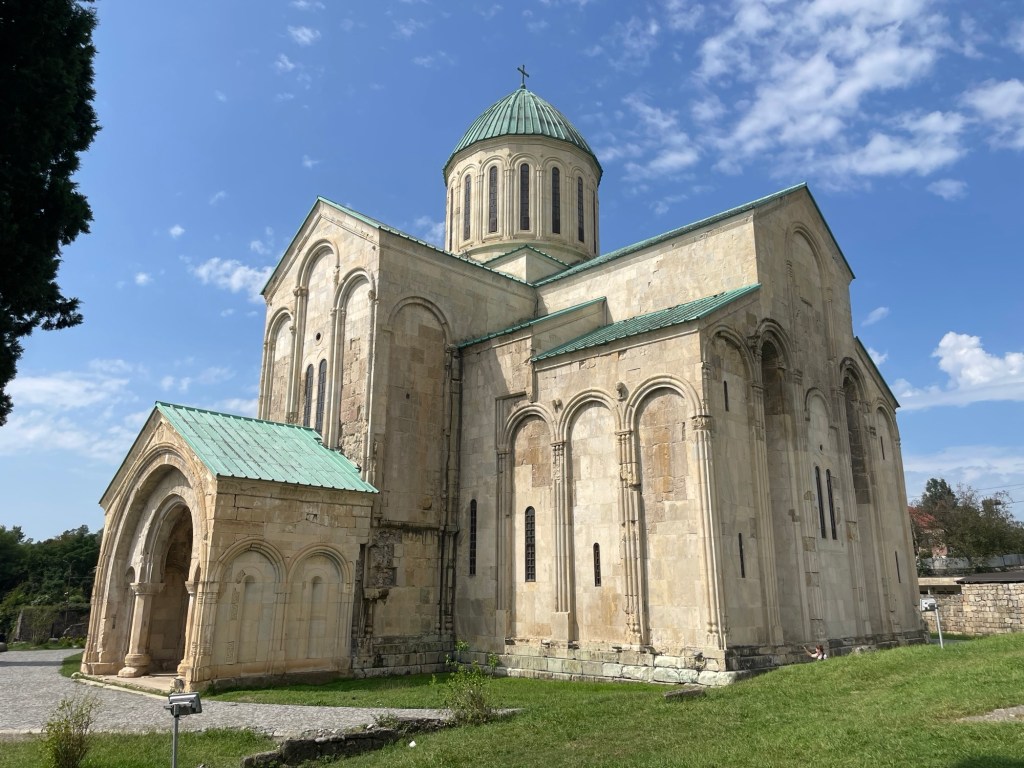
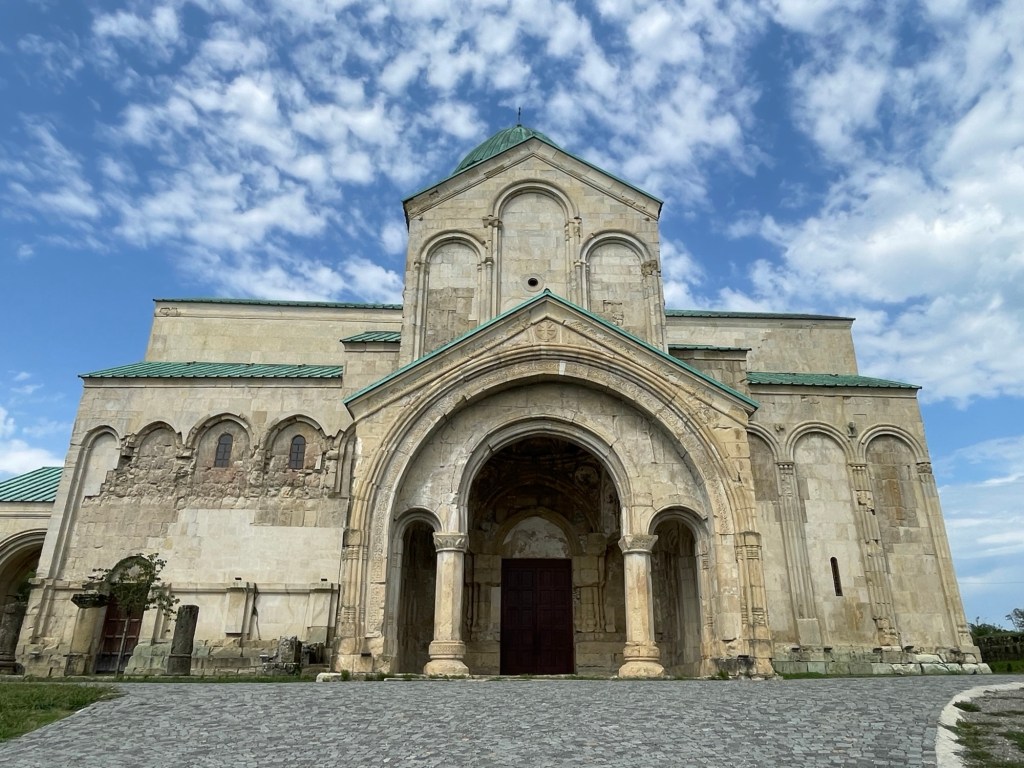
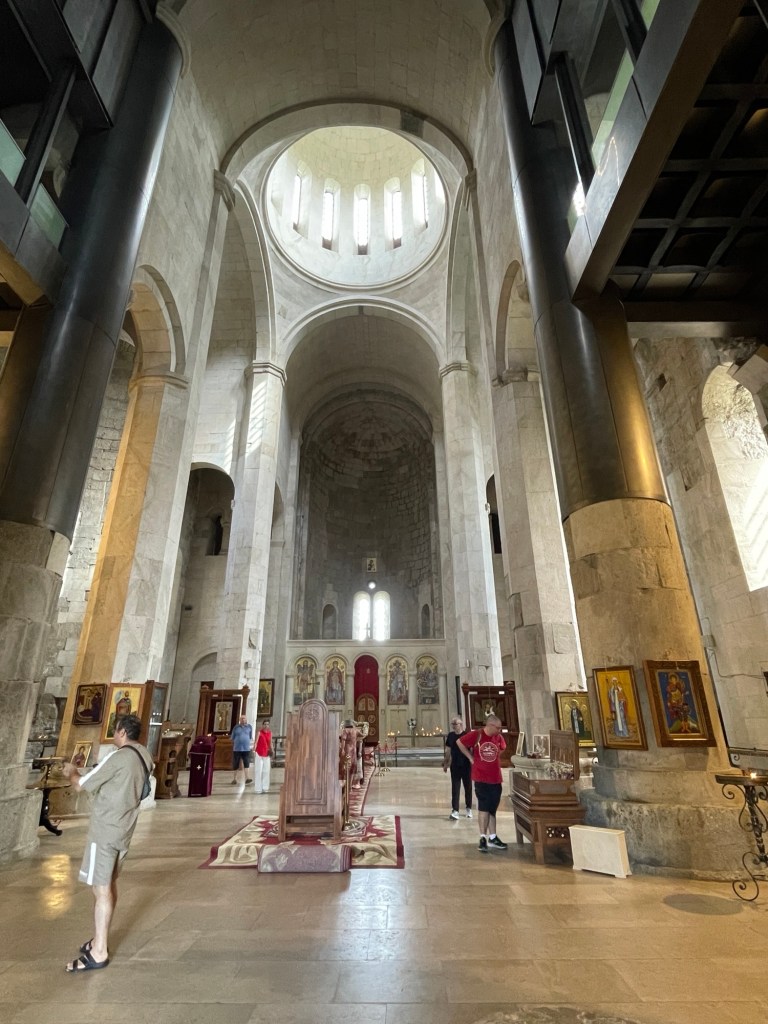
    My next stop was at the cathedral, a large building overlooking Georgia’s third-largest city. I walked in the interior a bit and looked for a good shot on the outside.

    It is an 11th-century cathedral, a masterpiece of medieval Georgian architecture. It suffered heavy damage throughout centuries and was reconstructed to its present state through a gradual process starting in the 1950s, with controversial conservation works concluding in 2012. These works prompted UNESCO to include the cathedral on its list of endangered World Heritage Sites, and then to remove the church from the World Heritage list.

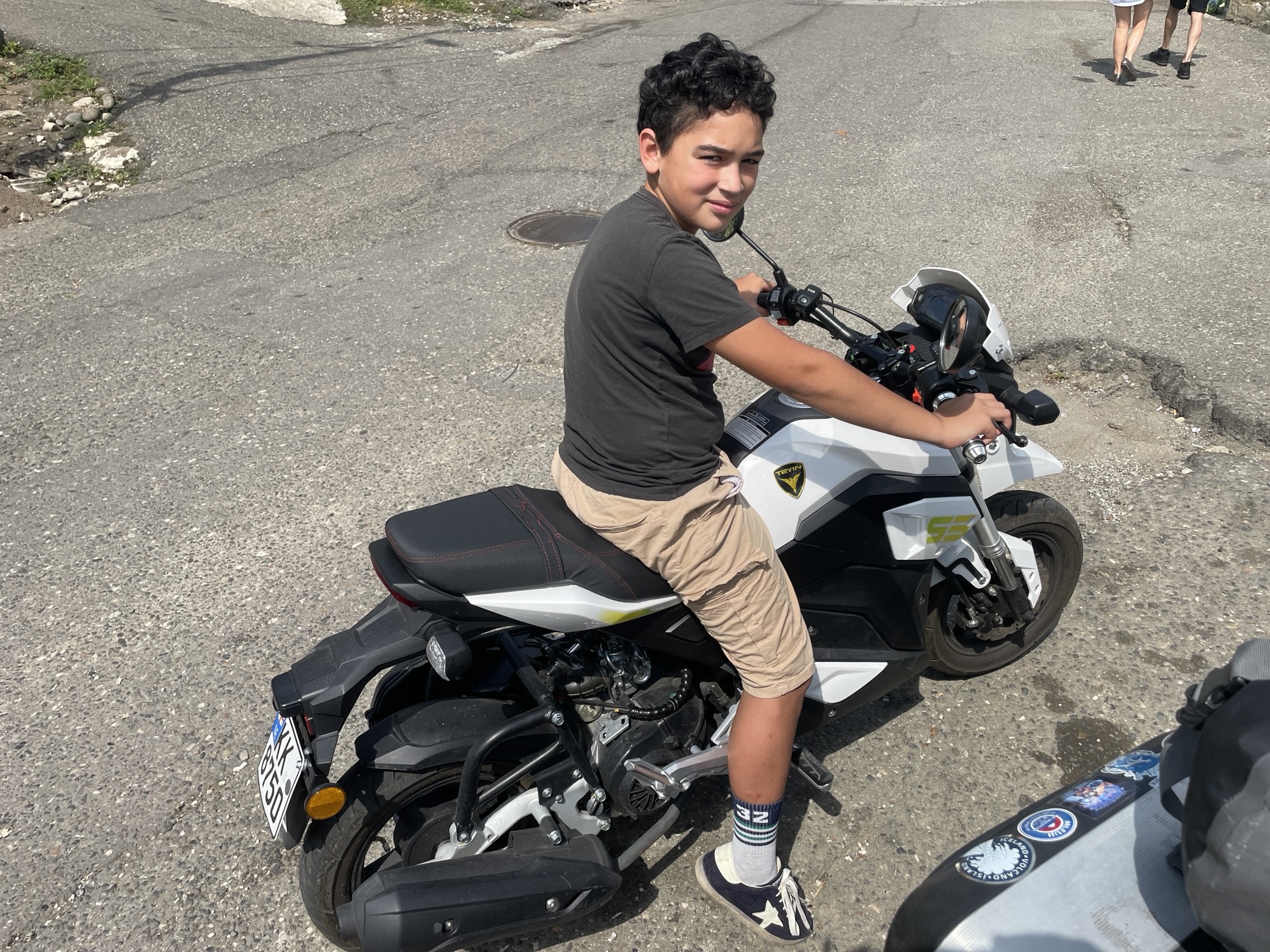
    When I returned to the bike, a boy on a small bike was staring at the XBR. Wasn’t this boy way too young to ride such a small motorbike? Without any helmet. It looked small, but it had a proper motor, half scooter, half pocket bike, probably of Chinese origin.

    I left the hot city and started my ascent to the Greater Caucasus, more precisely the Svaneti region, flanked by the defected regions of South Ossetia and Abkhazia, considered Russian-occupied territory of Georgia after the Russian-Georgian war of 2008.

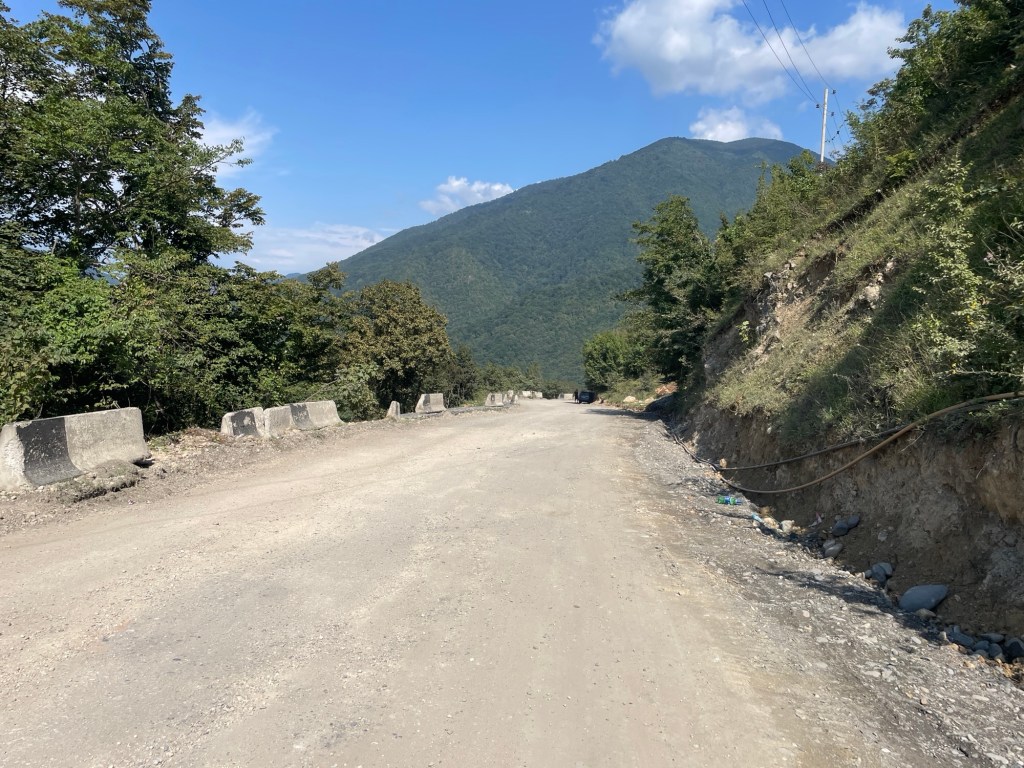
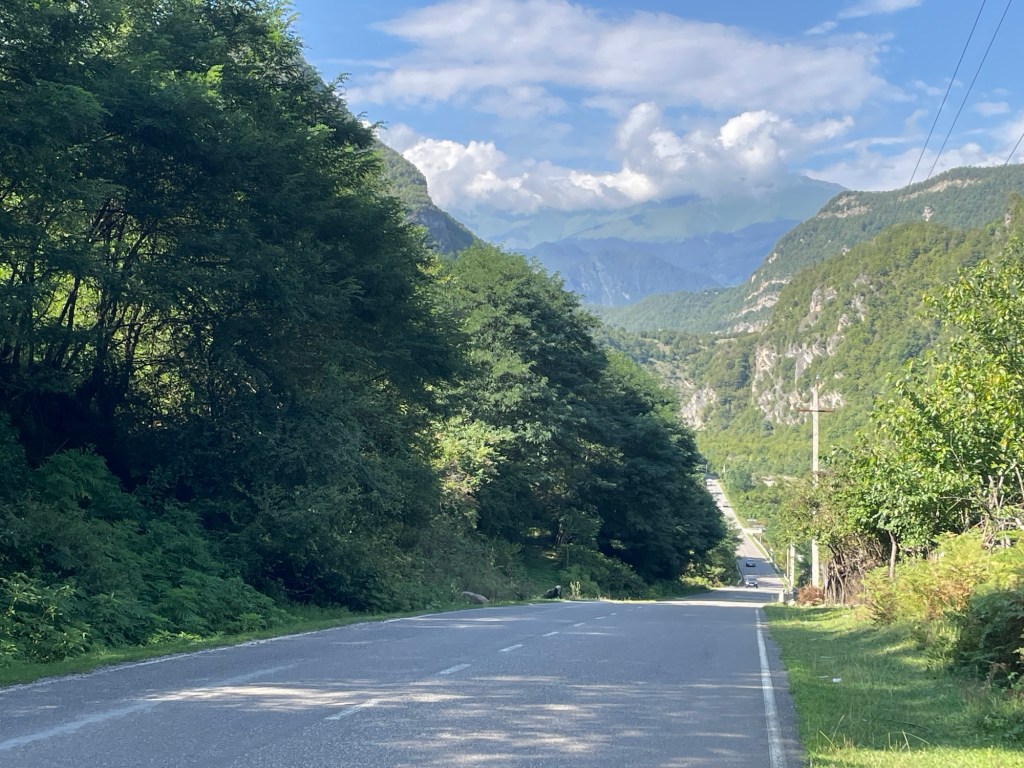
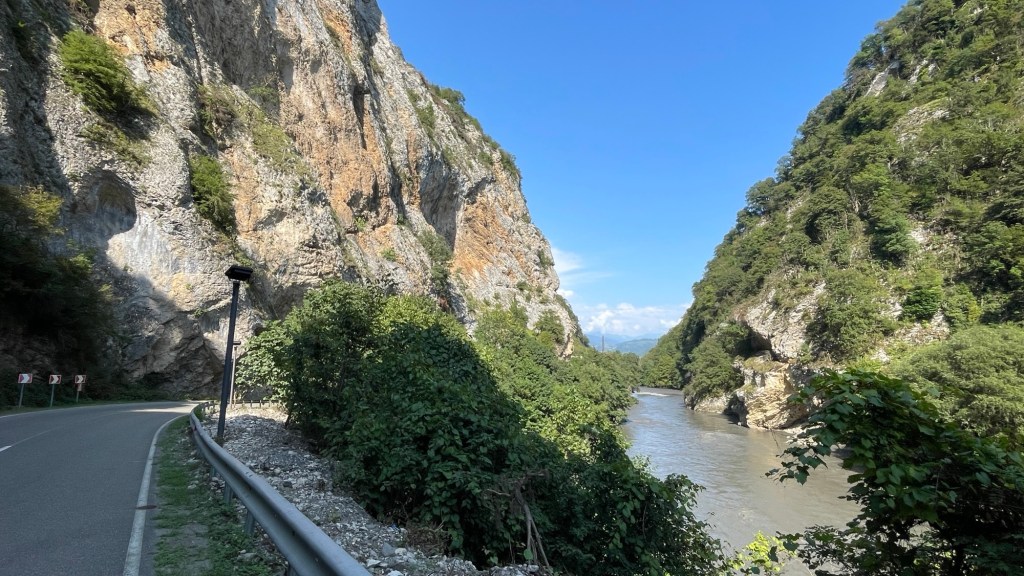
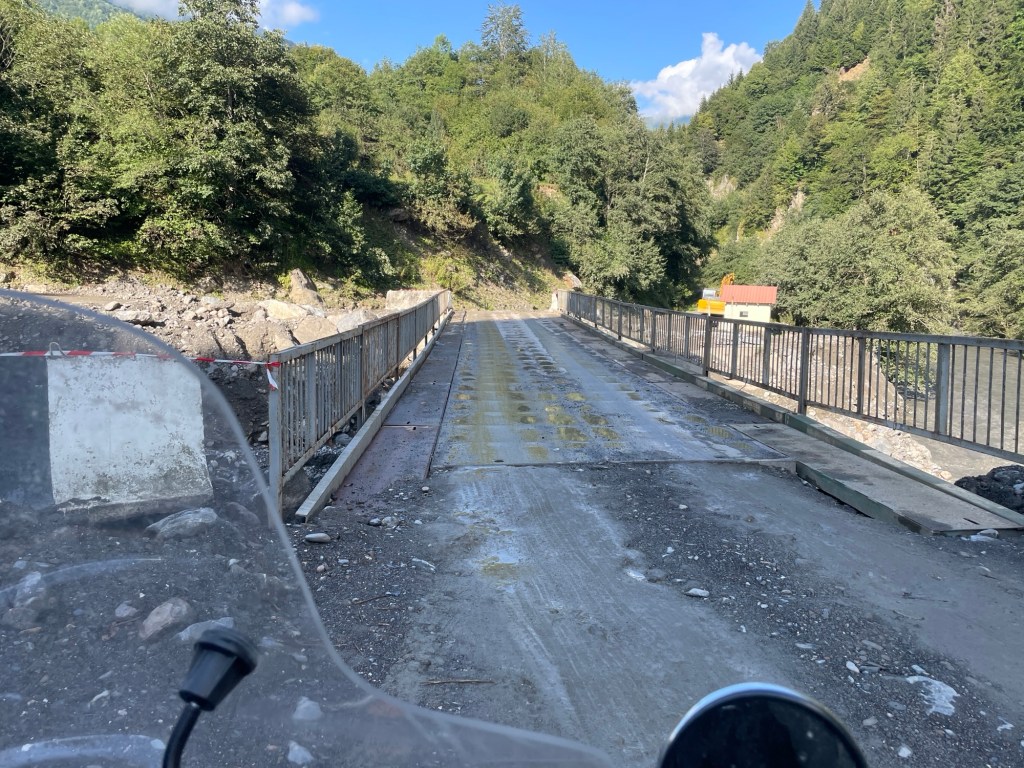
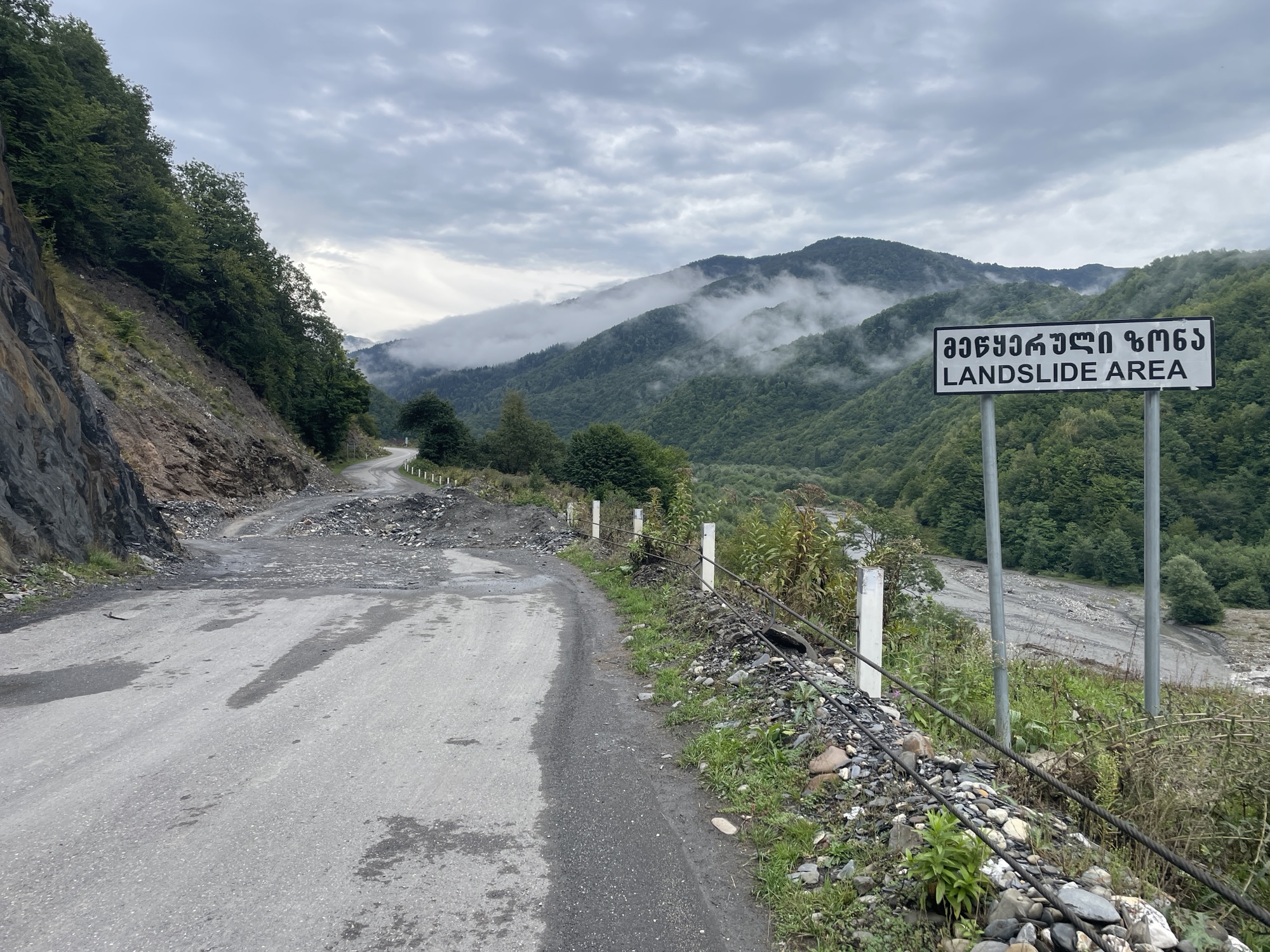
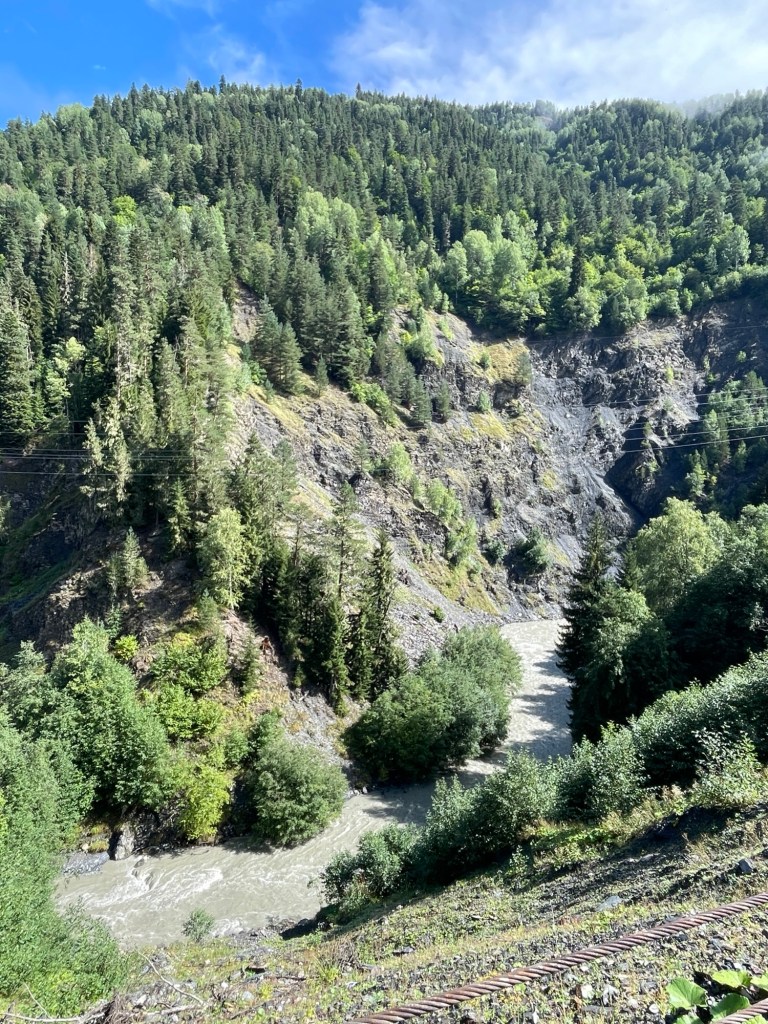
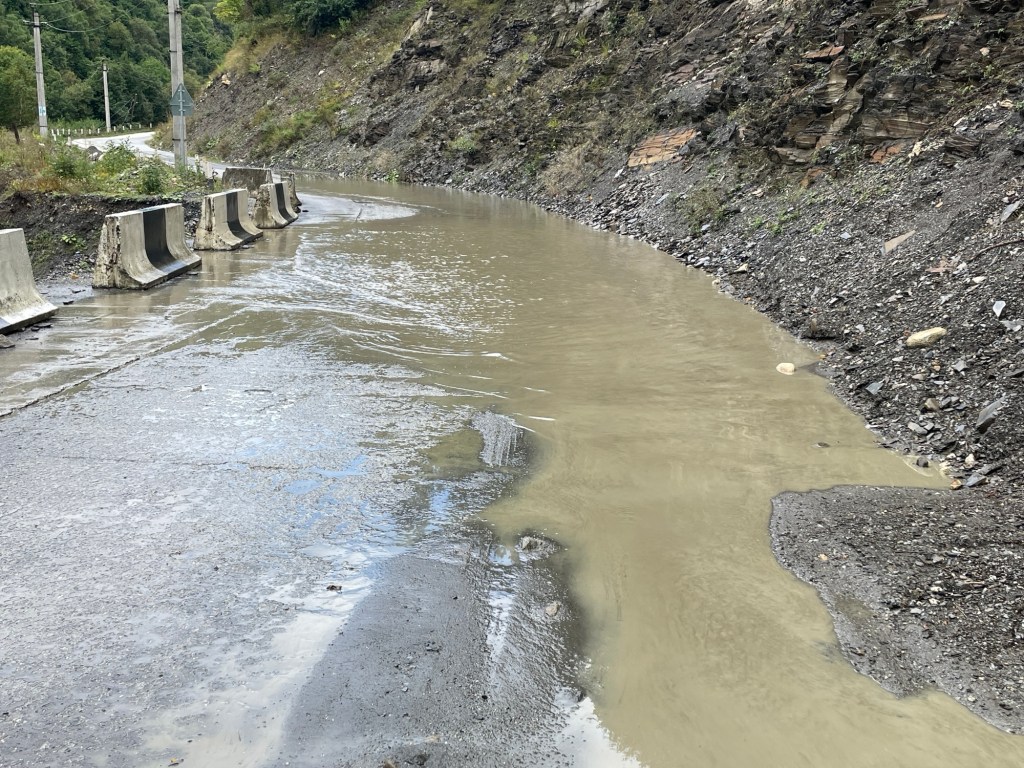
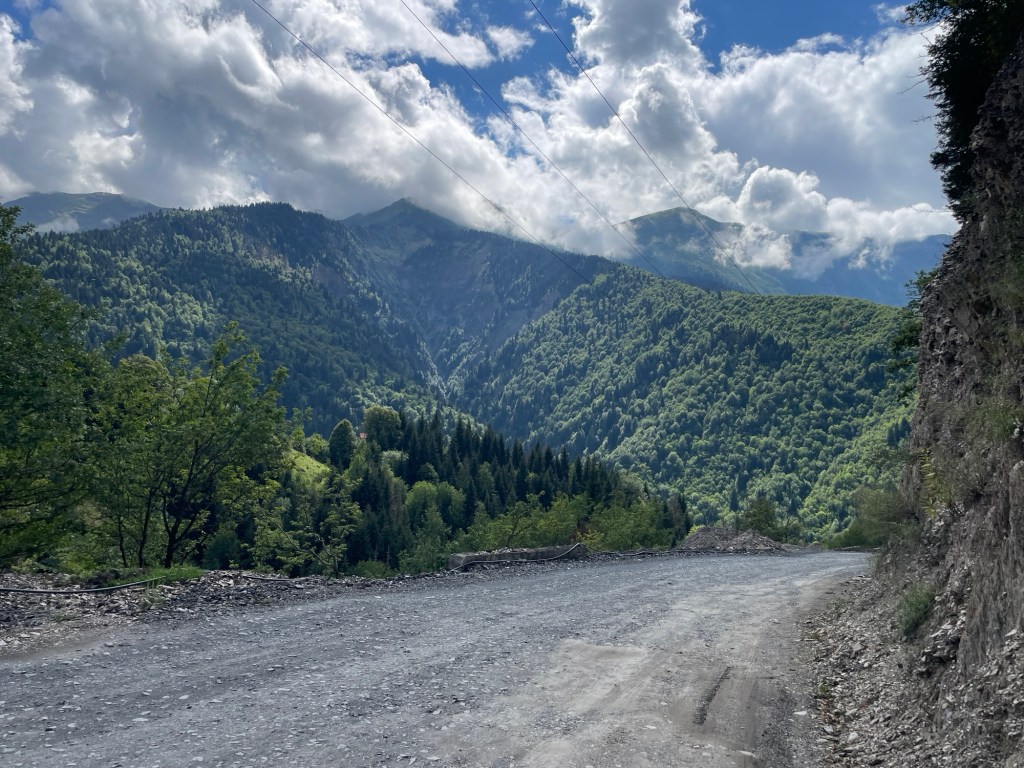
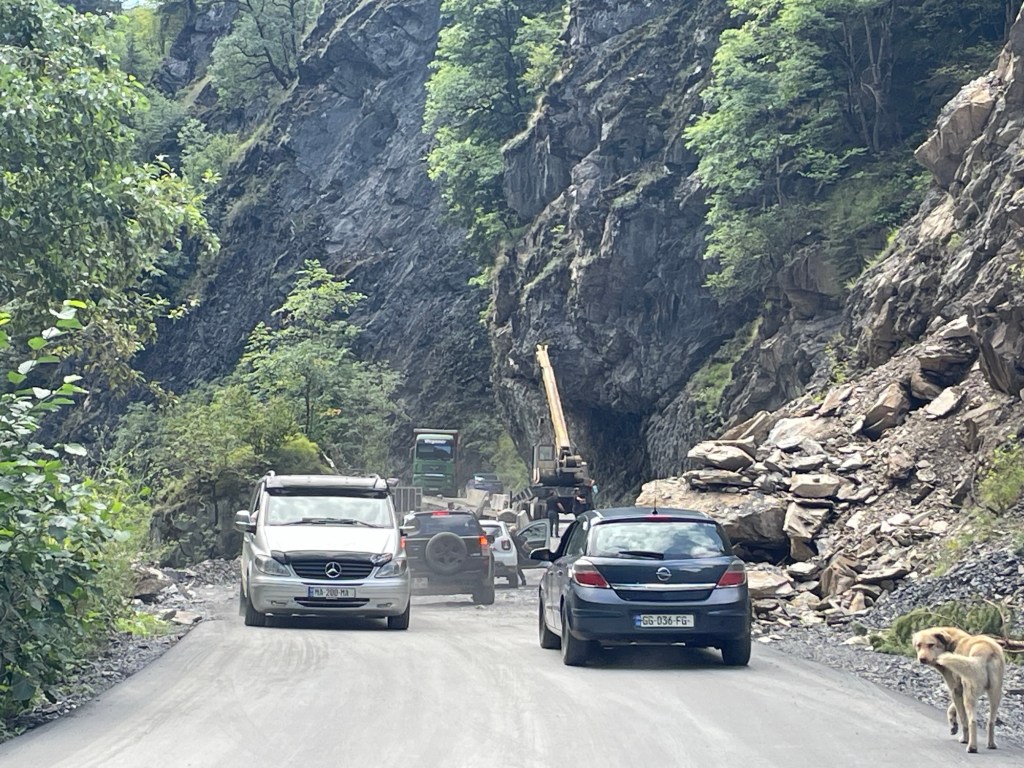
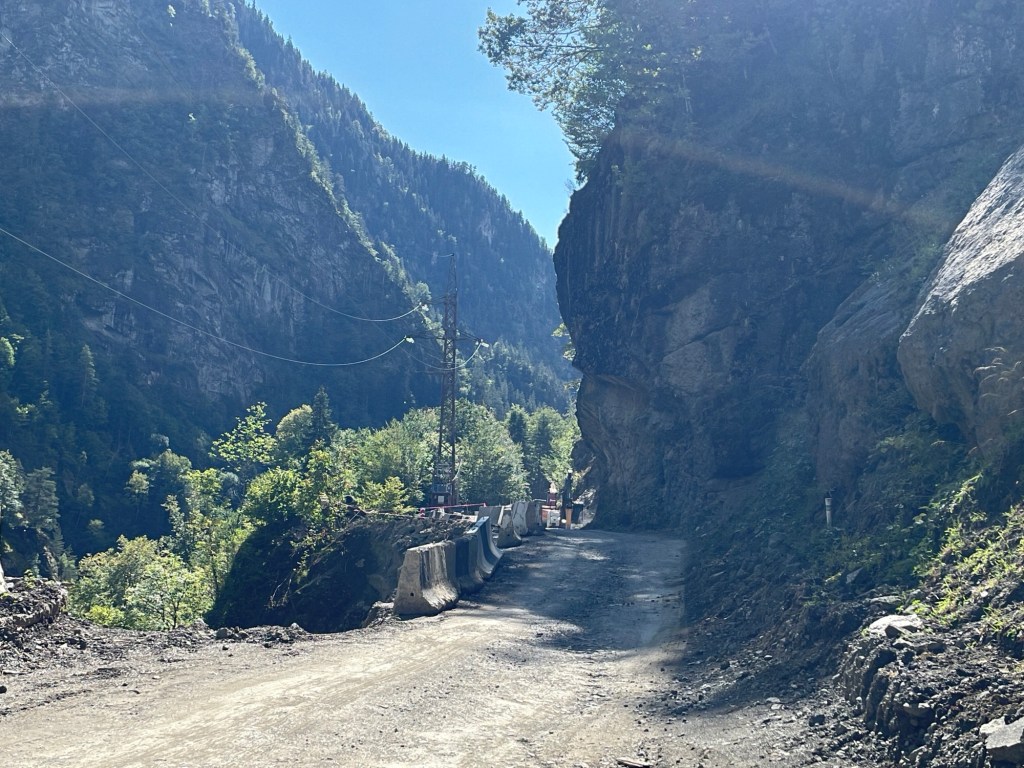
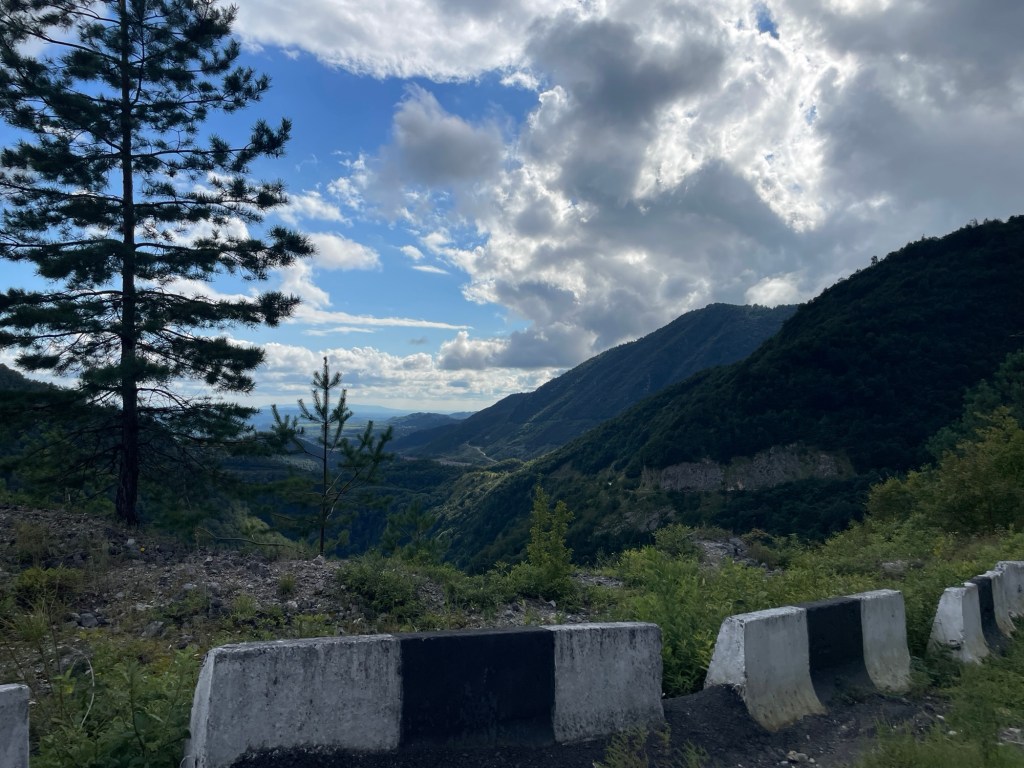
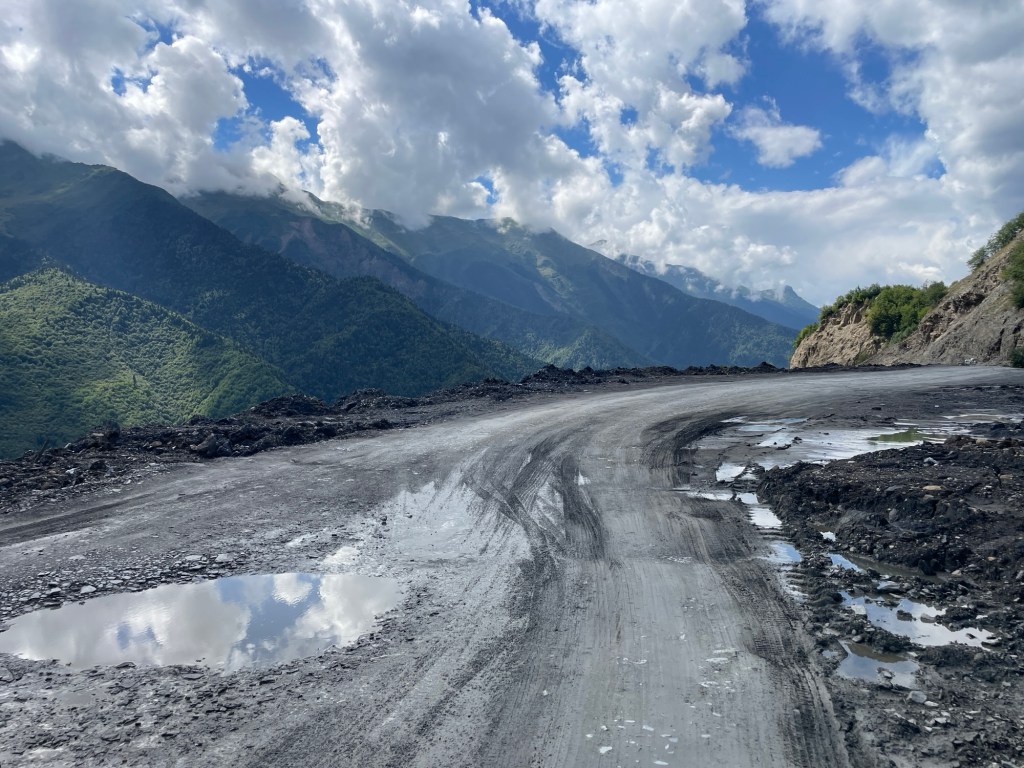
    It soon became clear that it would take more time than expected to get to the booked guesthouse in the mountains. In principle, it only would be 100 km away, but the road was winding and dictated a slow pace. However, I had enough time on my hands. First, the surface was still ok, but steadily, the surfaced deteriorated. A lot of road works with bumpy stretches. And some landslides. It was sunny, but it seemed that a massive thunderstorm but have passed through recently, there were many puddles and a wet surface. The river carried lots of muddy grey waters in enormous quantities.

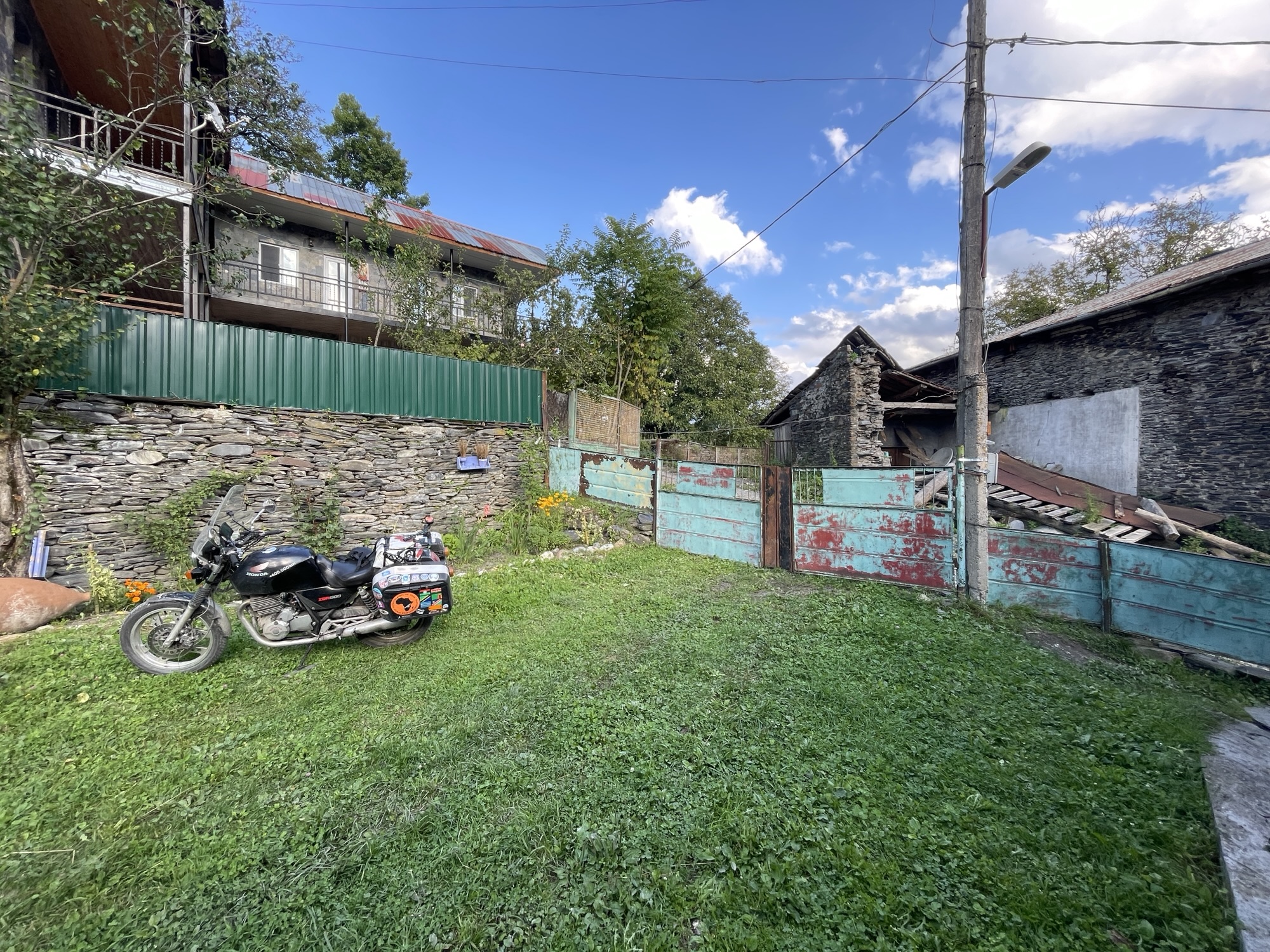
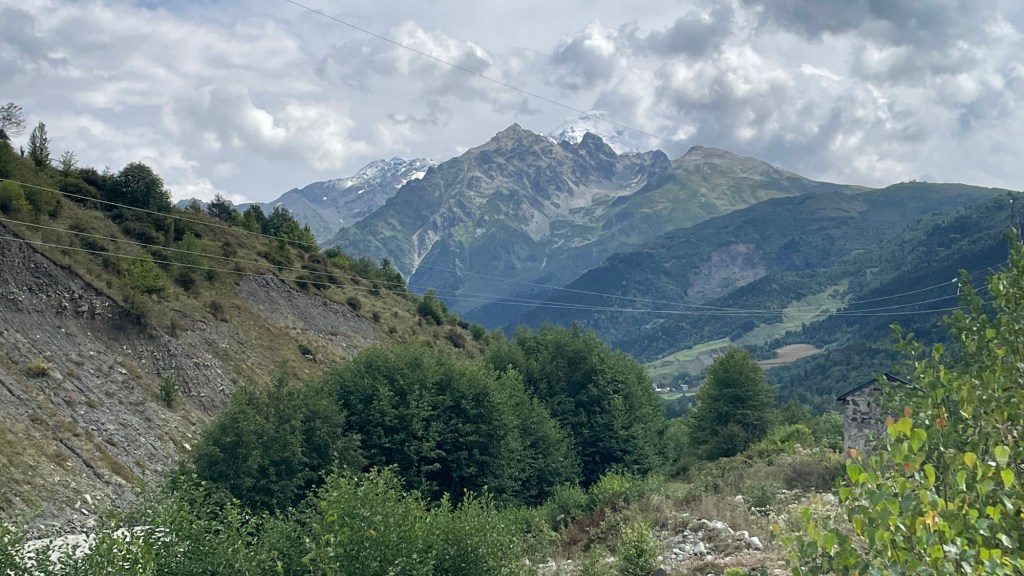
    The mountain got higher and higher and more impressive. In the small town of Lentechi I had to fill up, I knew this would be the last possibility to get petrol in a long time. From here on, the road quality was on a different/lower level. There were still small villages where you wonder ‘what are the people doing here’ but it is definitely a poor and hard life up here. It was not easy to find my destination in my GPS. It was just a very small village. Luckily, the name of the guest house was indicated and I followed a small gravel road that turned into a steep goat track or a small rocky river bed. I was jumping on the rocks and luckily Rami, the owner, heard me coming and opened the gate so I could use the thrust and not have to slow down. The garden was also my garage. She found a proper flat stone to put under my side stand.

    It was a very warm welcome from Rami and her husband, and although Rami spoke no English, we communicated well with sign language and the translating app on her phone. The room was very simple, but clean. The bathroom had a shower with running cold water – so I skipped this part. The balcony was my living room, that’s where I spent most of my time. What was surprising – in this remote place, I had perfect phone and internet coverage.. We agreed on 7 o’clock as dinner time and I was planning my next day, riding over the Zagari Pass. I wanted to play it safe and chose Zugdidi as the next stopover, only 225 km away. But this trip would be very slow, after all it was the mountain highlight of the whole trip. Finally, the weather seemed to be ok, at least during the day. From the balcony, I watched the quiet village life…from time to time, a ripe pear left a twig in the opposite huge pear tree and came down with a mighty THUD when it hit the ground. The house’s daughter was guiding the cows back home. The dogs were barking at any mouse fart that only they could hear in the distance.

    At seven, Rami served a large dinner of the Georgian salad (cucumber, tomato, onion, coriander), some salty cheese, bread, fried potatoes and Lobio, a Georgian bean stew served in a clay pot, accompanied by some home-made pomegranate juice. Simple, but delicious. Real home-cooked, traditional food. After dinner, a massive thunderstorm broke loose. Rami asked several times if the bike needed cover, I declined. She explained me where the candles were, should the lights go out. Aha.

    If was genuinely impressed by the power of the thunderstorm. When you thought this is it, it would switch gear and even more water would come bucketing down. And it wasn’t over soon. It carried on for hours still. I went to bed early, writing on my report, when suddenly at 9:30, lights went out after a massive lightening. It came back an hour later, but I had decided to call it a day and try to sleep early.

    I had a very refreshing long sleep, just interrupted by some preoccupied thoughts how these massive rainfall would leave the road. There were already many muddy sections before – would this render the pass impassable? As agreed, Rami served breakfast at eight o’clock. I tried my best, but I couldn’t all of this home-made products.

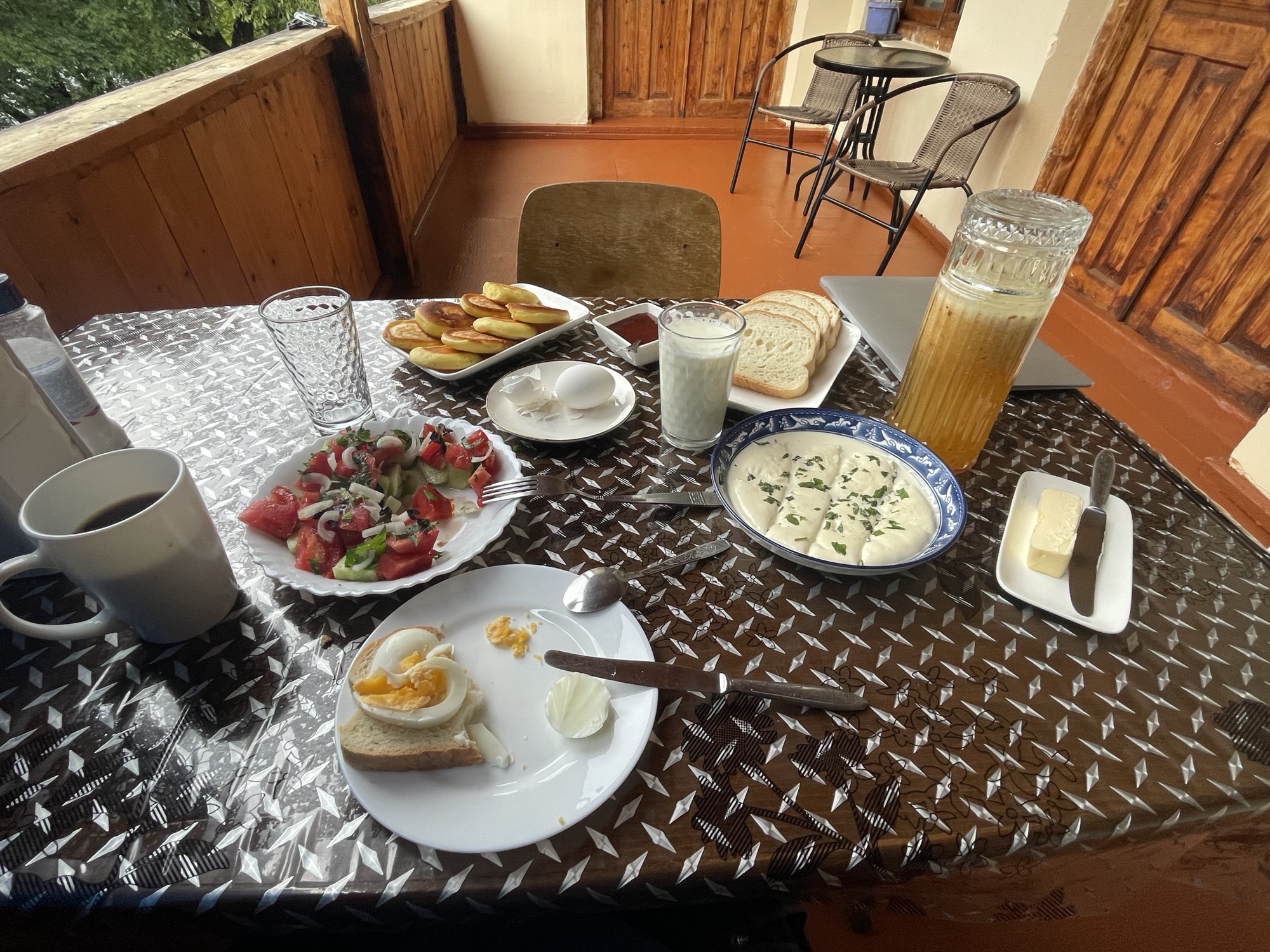
    Farm breakfast in Svaneti

    Boiled eggs, Georgian salad, fresh milk, home-made cheese, bread, home-made butter and jam, pancakes and a large jar of kompot – an apricot drink. Too much, and again delicious. I packed my stuff and wanted to get on the road. After paying a very modest price in comparison to my previous accommodations and a farewell, I carefully hobbled down the goat? cow? track until I reached the sealed road. I was pretty alone here, not much traffic. After a while the landslides started, slowing you down and I have to be very careful to ride through muddy section, I don’t have any nobby tyres.

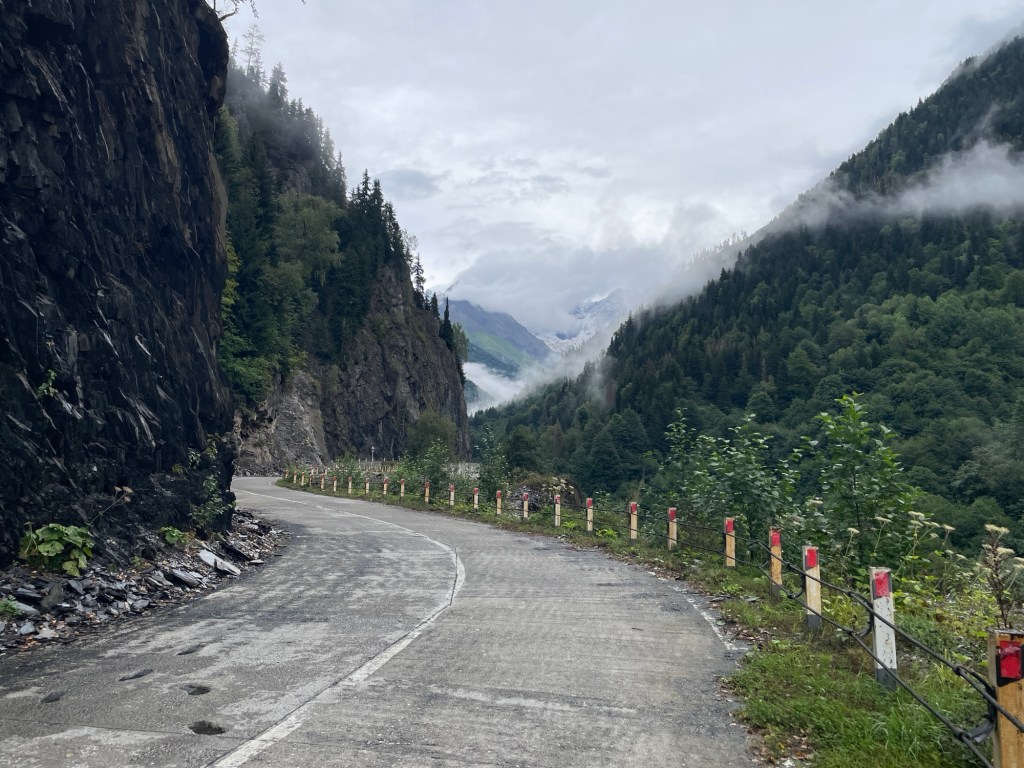
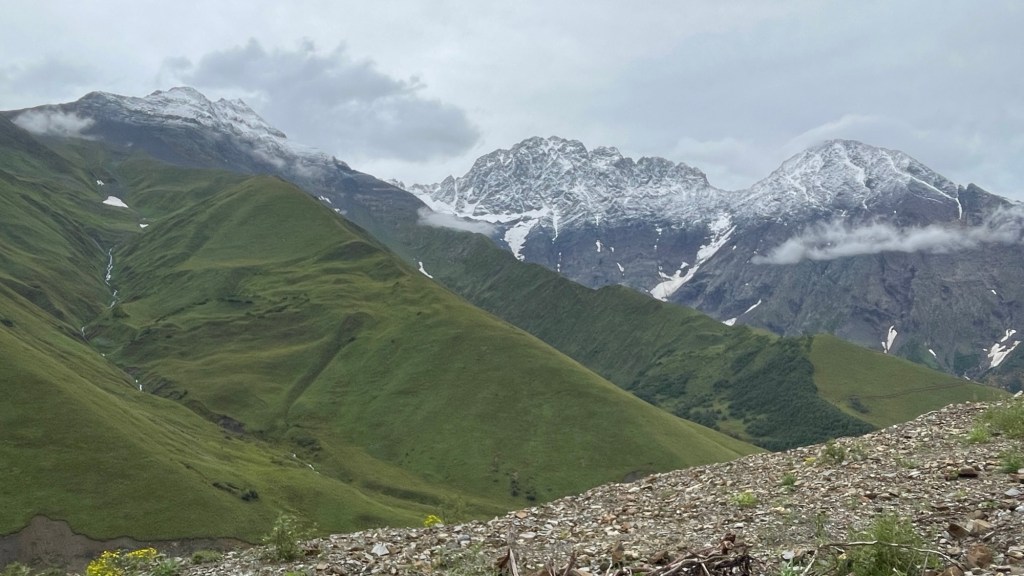
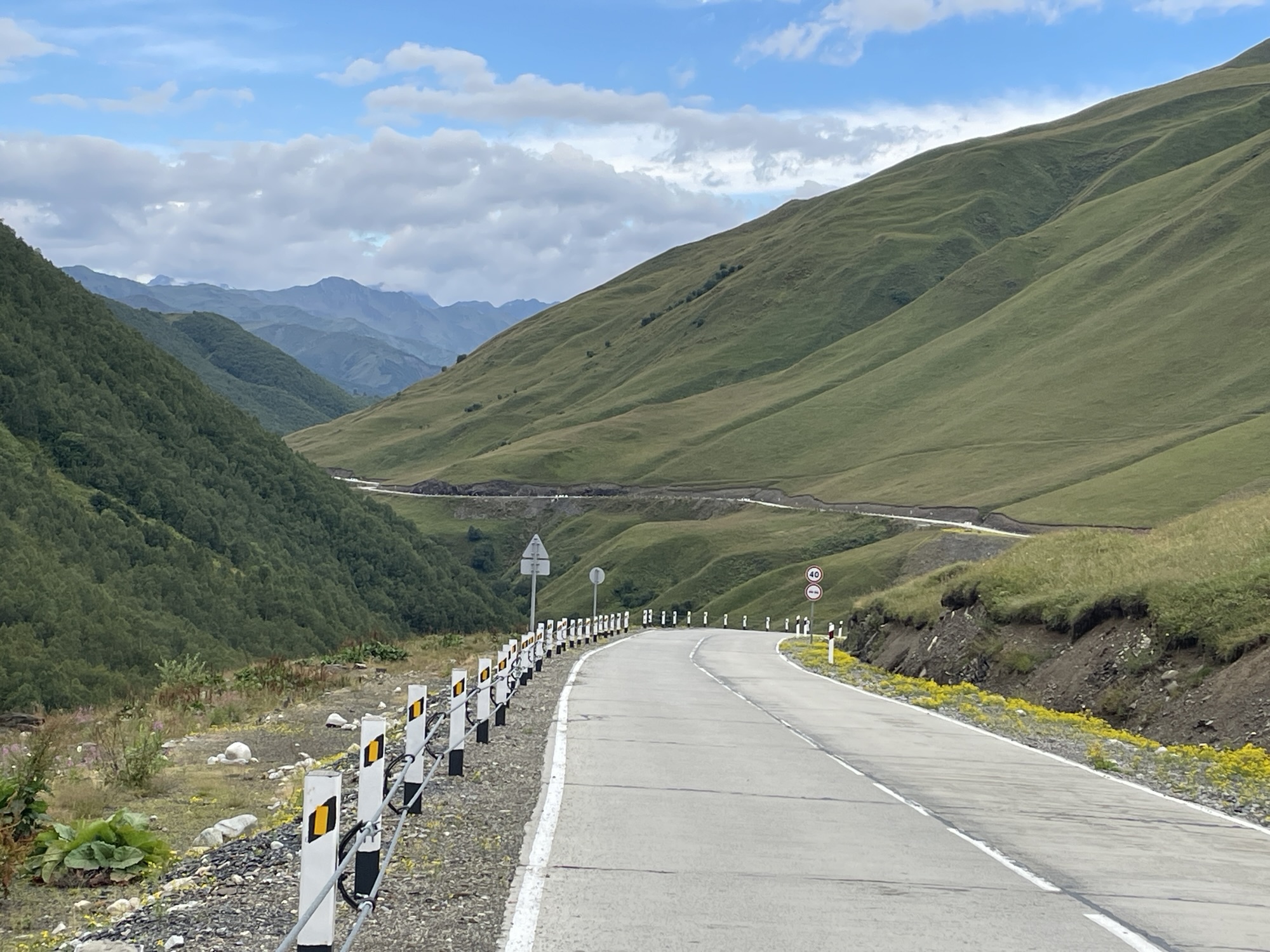
    My first location would be the notorious Zagari Pass (2600 m). However, since this concrete road was built in 2024, it is pretty easy to do this with a normal road vehicle. Before, only 4×4 and off-road bikes would be able to ride the road after these thunderstorms (mud!). Soon, there were no more villages and I was on my own. I progressed well, but the landslides and rocks on the road slowed me down. Although the concrete road was only two years old, it looked much older. I got closer and closer to the high mountains and the views were getting more spectacular.

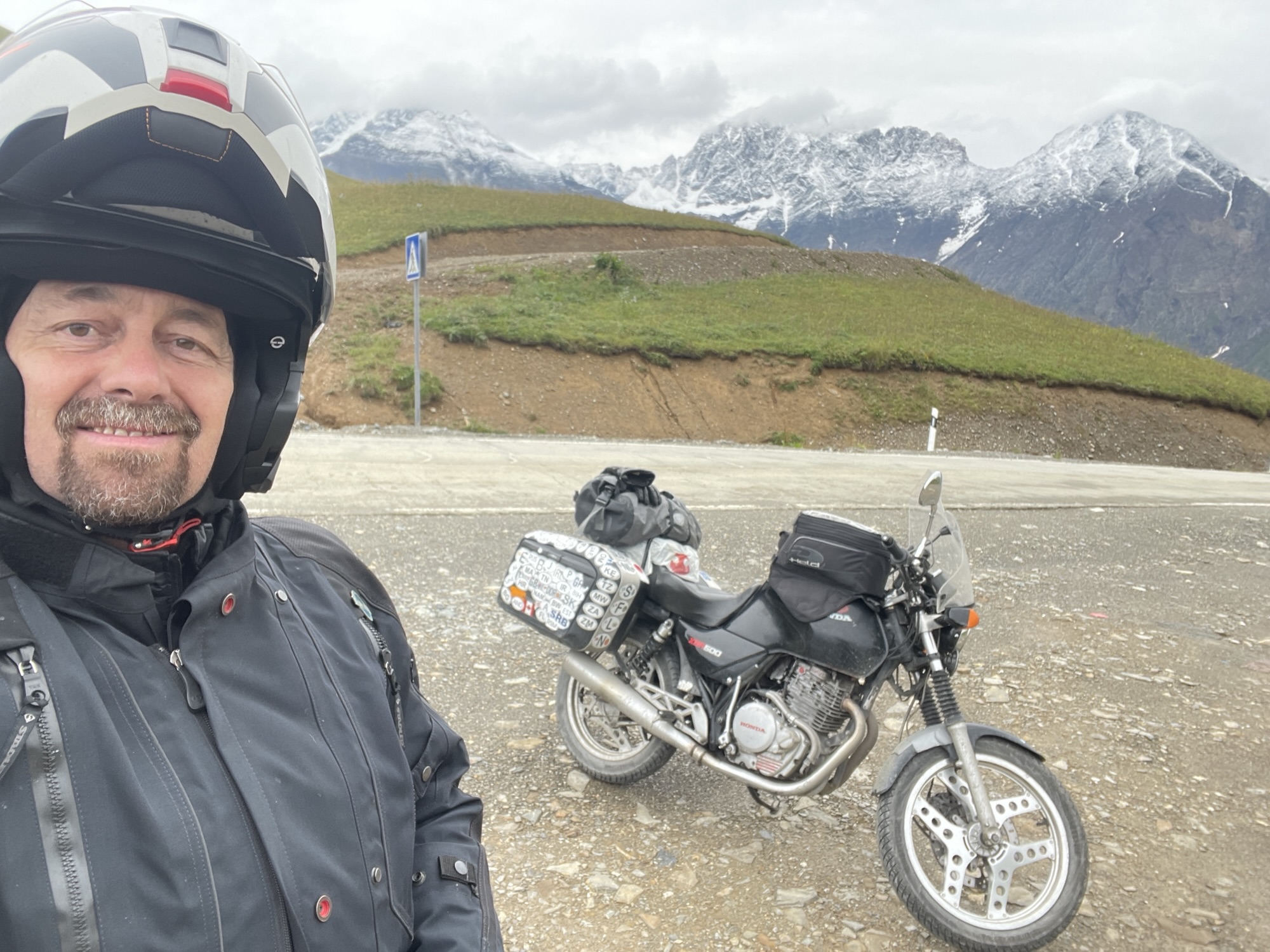
    I climbed higher and higher until I reached to top. It looked not that spectacular, but my GPS indeed confirmed the altitude.

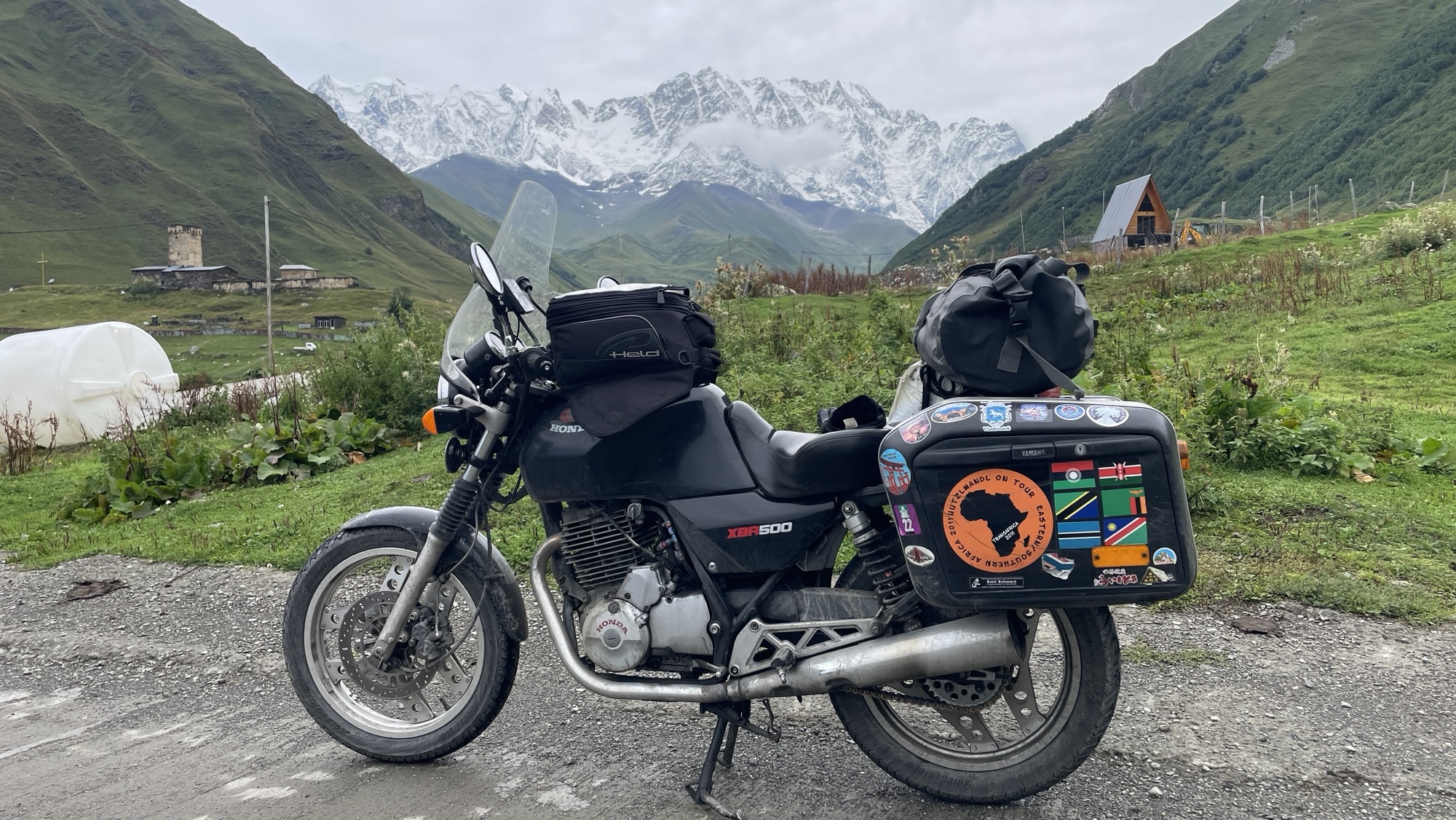
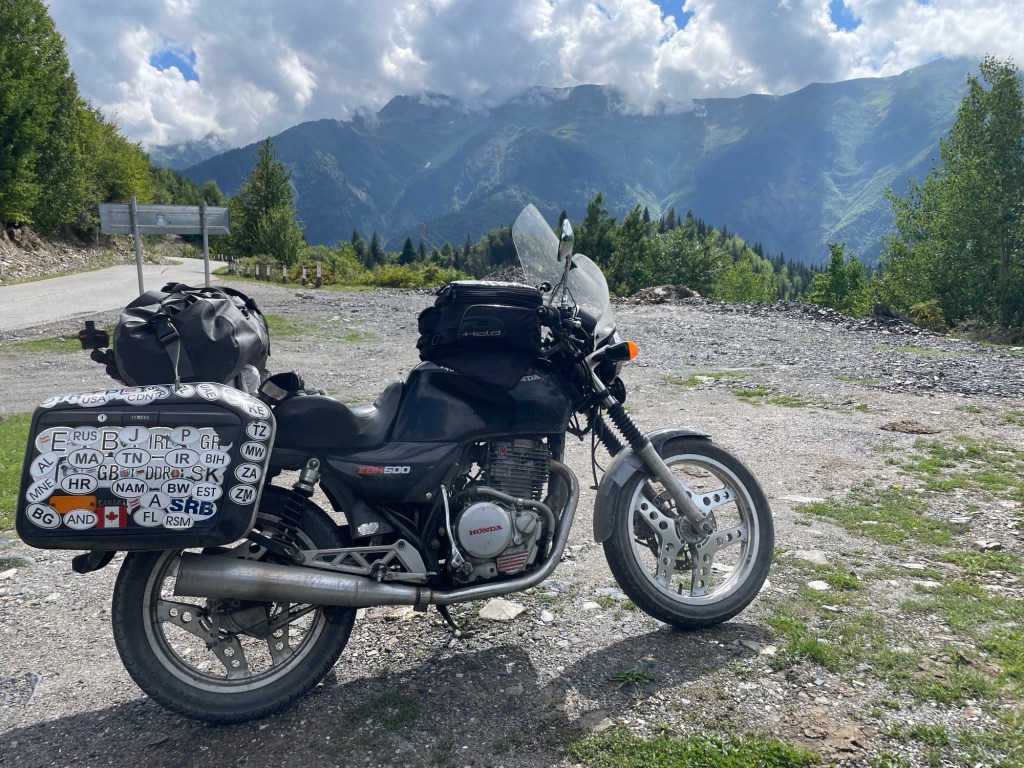
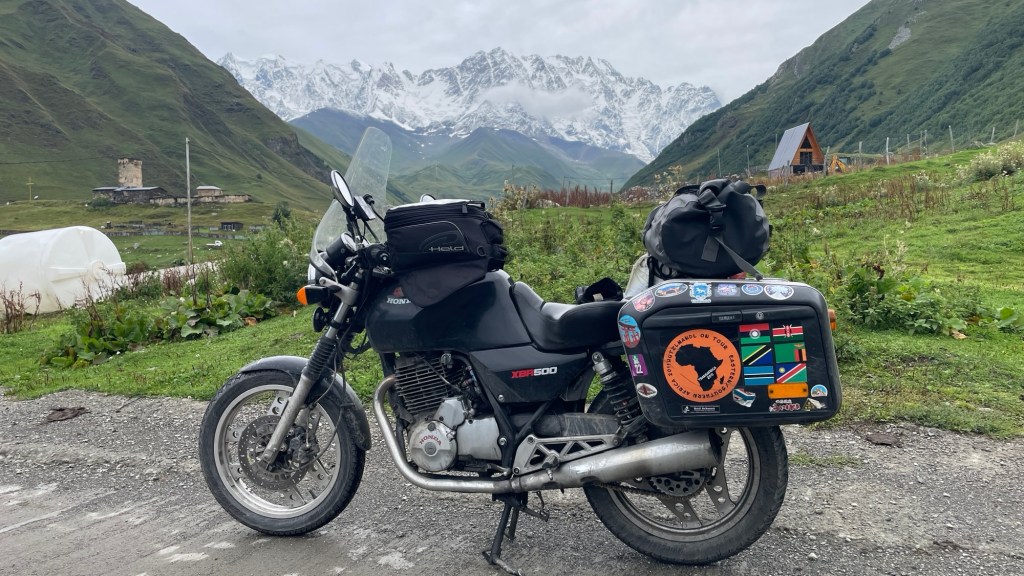
    Zagari Pass. Highest point of the trip. Despite an almost spark-extinguishing rich mixture, the XBR made it.

    From here it was downhill to the coast.

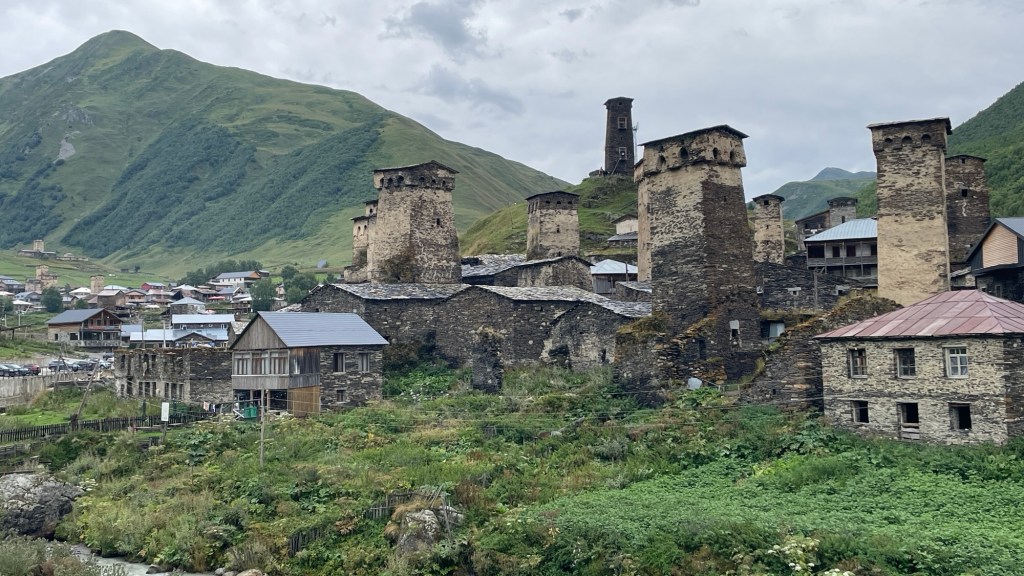
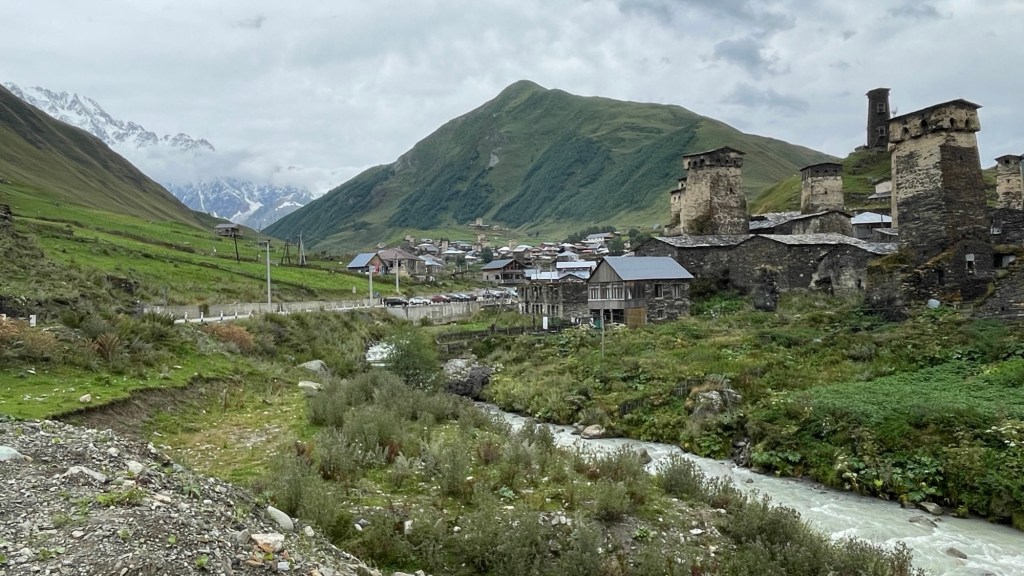
    The first settlement would be Ushguli, a community of five medieval villages and one of the highest continuously inhabited settlements in Europe, located at 2200 m. Because of their preservation and traditional architecture, Ushguli, Mestia, and the surrounding area was recognized as the Upper Svaneti UNESCO World Heritage Site in 1996.

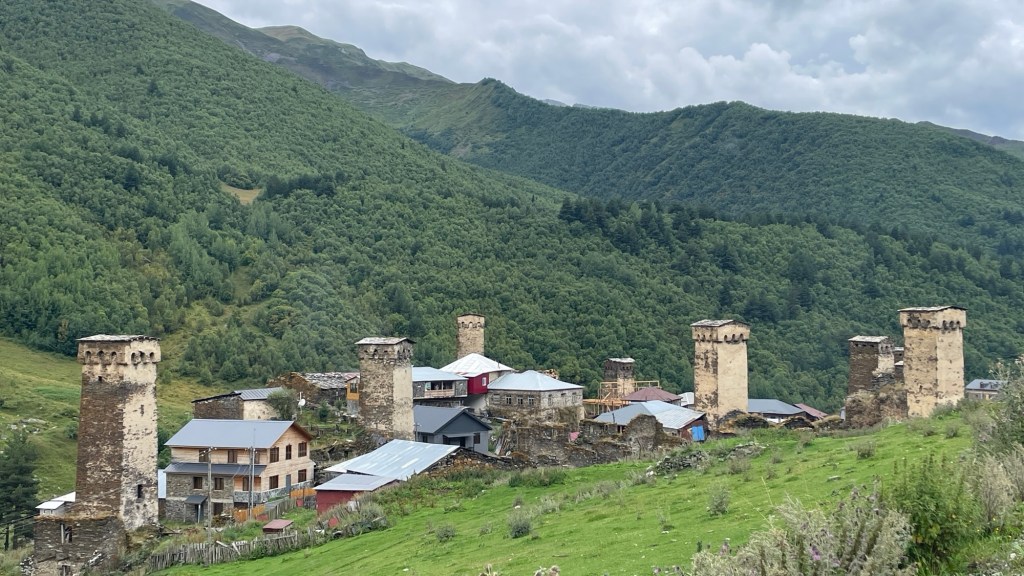
    The most notable feature of the villages in Ushguli are the defensive tower houses found throughout the community. These houses, between 3-5 stories tall, were built primarily between the 9th and 12th centuries. Although many of the towers in the lower towns such as Mestia have fallen into disrepair, the isolation of Ushguli has preserved the towers.

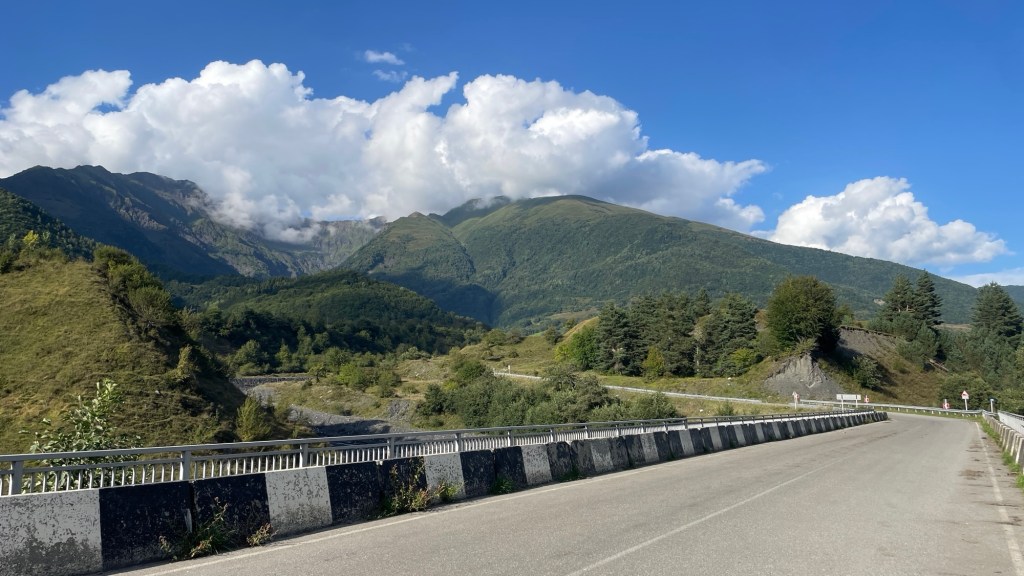
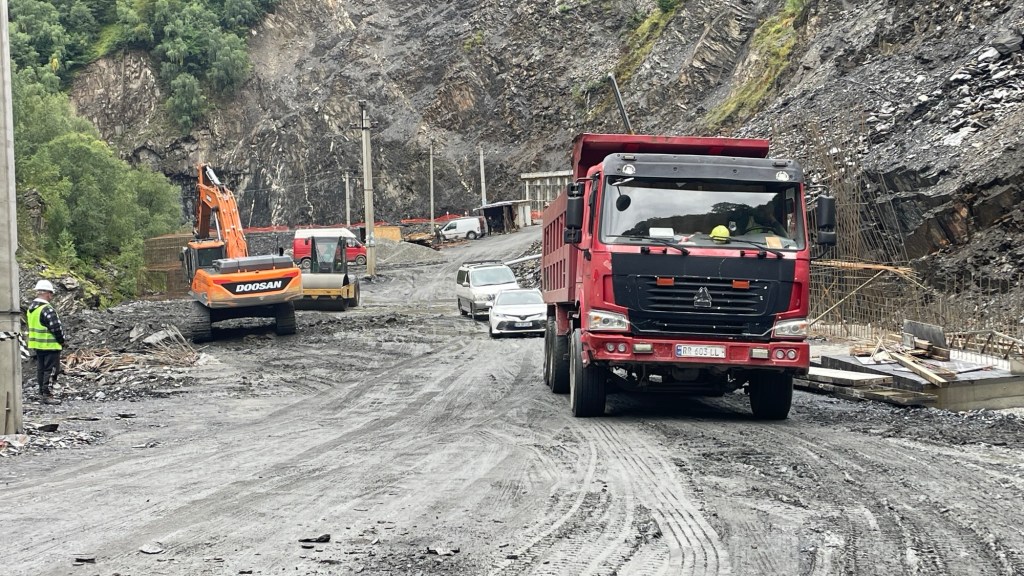
    It was after 11 a.m. now and many small tour vans came from the other side, carrying tourists to this remote place. This side of the Zagari Pass is much more populated and touristic than the other one. The road down to Mestia had suffered a lot, there were lots of landslides and flooding and lots of mud. Quite with some hair-rising parts.

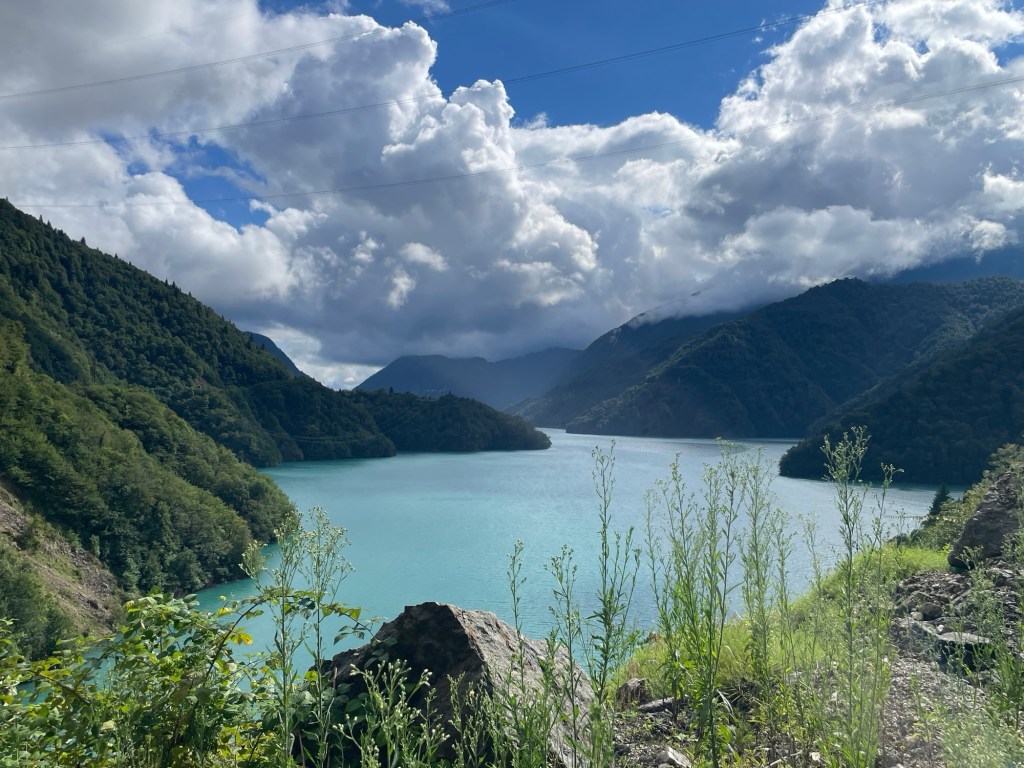
    The clouds disappeared and its was sunny now. I had to stop and remove all my inliners and warm gear that I had put on for the first time on this trip. Soon I reached Mestia, the capital of tourism in the region. The quietness of the mountains was over. I still had 140 km to go, but I decided to have a break have a snack. In a café, I had a home-made chicken soup. The location flew the flags of Georgia, Europe and Ukraine, on their shirts you could read ’20 % of my country is occupied by Russia’, making reference to the nearby occupied territory. Mestia is quite a bustling town where you can book a lot of activities. I continued my ride and for the next 40 km, the views were great, but the older concrete road was very bumpy &@%!!§#!!!.

    After that stretch, there was a tarmac road of improving quality and soon I rode next to a reservoir lake.

    Just when I was about to descent to the plain, I saw two motorbikes and one guy trying to fix something. Of course I stopped. It was a Russian couple on two old Suzuki thumpers. On the guy’s bike, the toothing of the shift lever was damaged and the lever would come off the gear box shaft. He tried to put some coke can in the toothing, looking pretty desperate; He considered welding the lever to the shaft, a pretty final but doable solution. I convinced him not to go any further but to turn around and find help in a town in the plain, in the mountains, there’s little hope. Also another rider from Portugal stopped and wanted to help, but there was little to be done. It turned out he would also take the ferry the next day.

    I rode down to the city of Zugdidi, but before I filled up and topped up the oil. I realised that I had used almost all the Scottoil that I had topped up the day before – yes, the chain and all the surrounding parts were very oily – does this mean that the lubrication system is already failing?? After only 110.000 km??

    I reached my hotel and after turning myself into a presentable and olfactory acceptable state, I wanted to visit the hotel’s restaurant. A large group and blasting music made me think twice. Was this the wedding party I saw before? Ok, let’s go outside. I walked to a restaurant praised on G Maps…an empty, dodgy place with an unfriendly old hag. Goodbye. Another, large place filled with groups. Only one table in front of the music loudspeaker that started blasting distorted noise (a wedding party) after I sat down….impossible! Another place…only fast food with menu in Georgian….ultimately, I found a mandarine bar that would serve me a chicken stew with bread. Ok, not the last, authentic dinner I had hoped for, but enough to get something decent. I bought some cookies for dessert in a small shop and returned to my hotel.

    Finally, I had received word from the ferry company: I should come to the port the next day at 23:30, the departure would be a few hours later as the boat would arrive late. No need to come to the office. So the plan was this: get up, leave late and try to kill some time until midnight. The boat in Batumi is only 150 km away. Then, a 2.5 day trip on the ferry to Bulgaria. In the end, I was ok with the decision to take the ferry. That was not the initial plan but I never was very keen to ride the extra 1400 km on Turkish roads either, this is not something I find very attractive. The bike is running, as always, but the failing lubrication system is unexpected. The XBR just needs to get back home, then she will be awarded with a great, major revision that last happened 120.000 km or 15 years ago. Just a few kilometers more.

  • South Caucasus – Yerevan to Borjomi

    South Caucasus – Yerevan to Borjomi

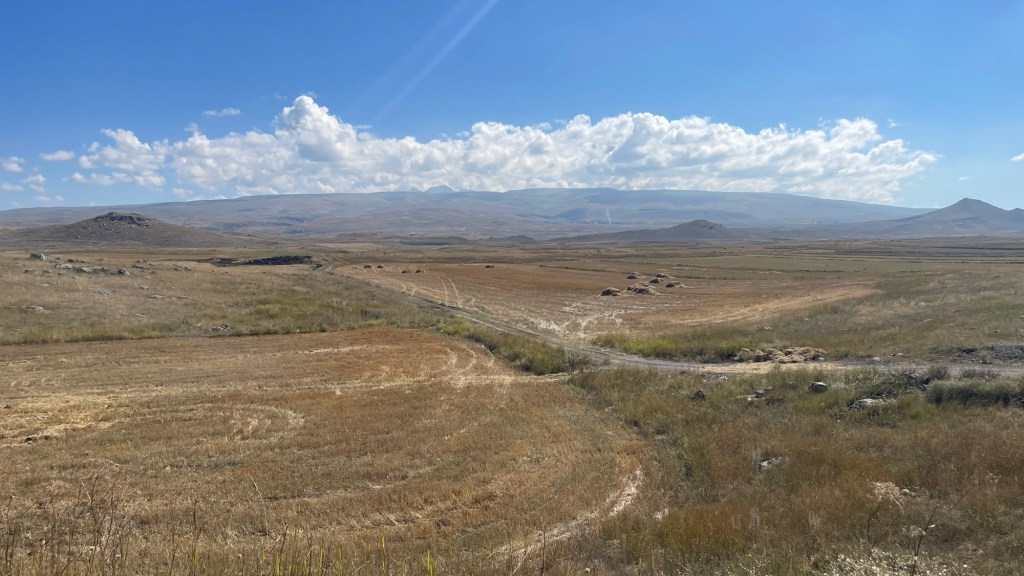
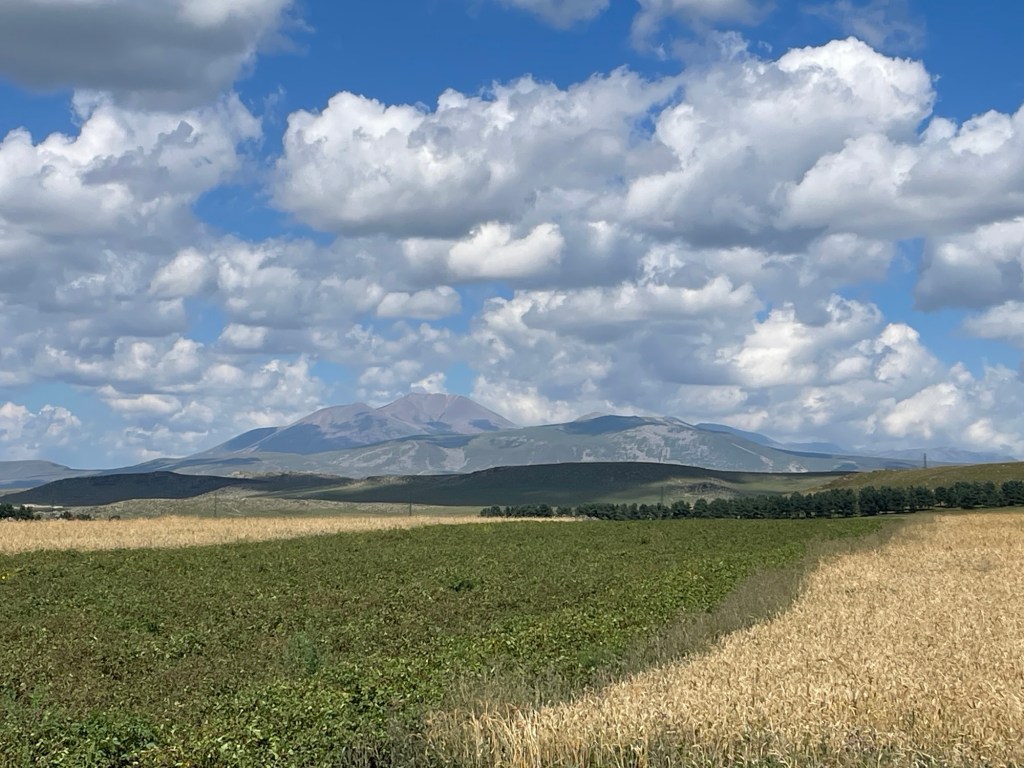
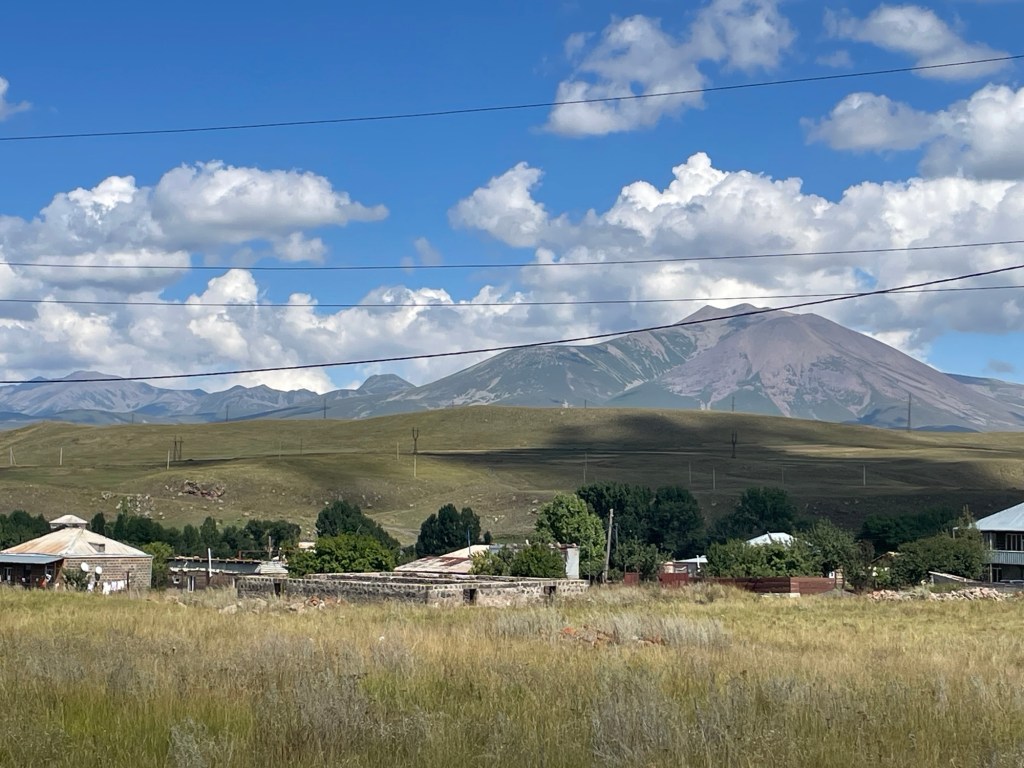
    In the morning, I still didn’t have my clothes back so I went down to the reception to raise the roof. The receptionist was hectically calling with two phones. When he finally finished, I started to utter my complaint, mentioning my room number. He cut my word: ‘yes, I’ve been just phoning about this, it should be ready in a minute. Will you have breakfast?’ Well, I wanted to skip it (the large dinner!), but in this case, fine. And indeed, after breakfast I could pick up my clothes. This had delayed me a bit, so after sorting out my luggage, I left the hotel only at a quarter to ten. I stopped at a pharmacy to top up my staff of ‘magic pills’ (imodium and S. boulardii) so I should have enough reserves. In the dense traffic, I took 20 min to reach the city limits. From there on, it was a fantastic new motorway that allowed to cruise at a comfy 110 km/h. It was a dry steppe and to my right, I had the mighty Mount Aragaz, a volcano at 4.090 m. An impressive sight. I would see it for hours from different angles.

    It was nice to ride on a motorway for a change, the XBR seemed to like it. Despite the high altitude (1200 m), it was running fine. Quicker than expected, I arrived at the Armenia’s second largest city Gjumri.

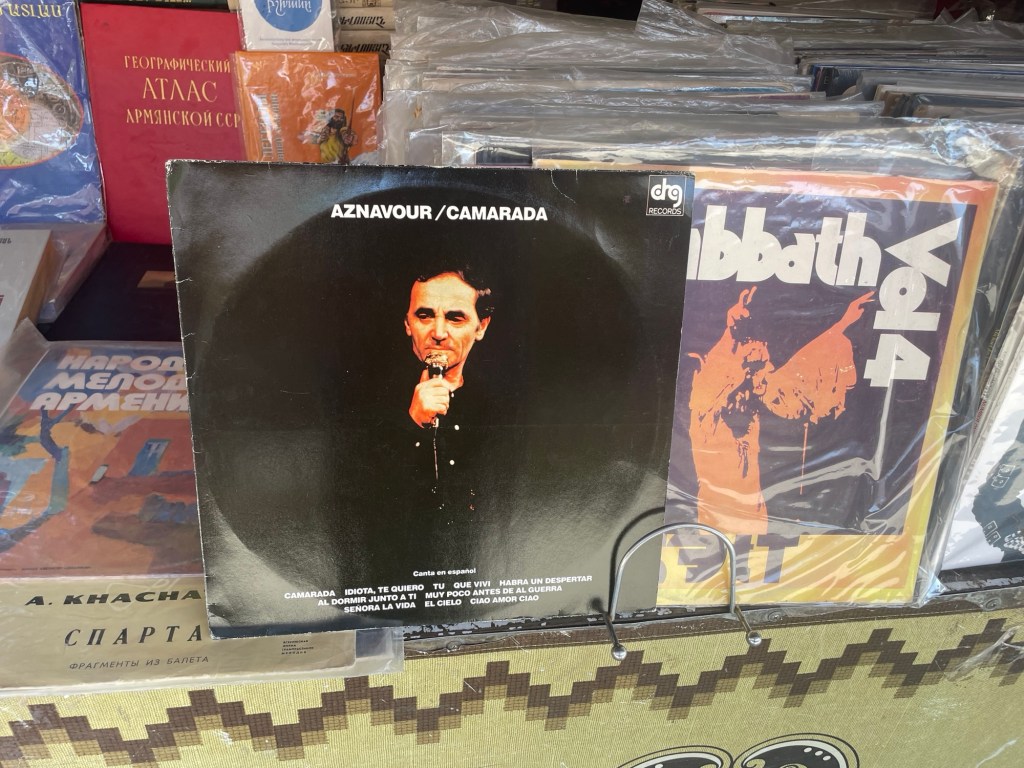
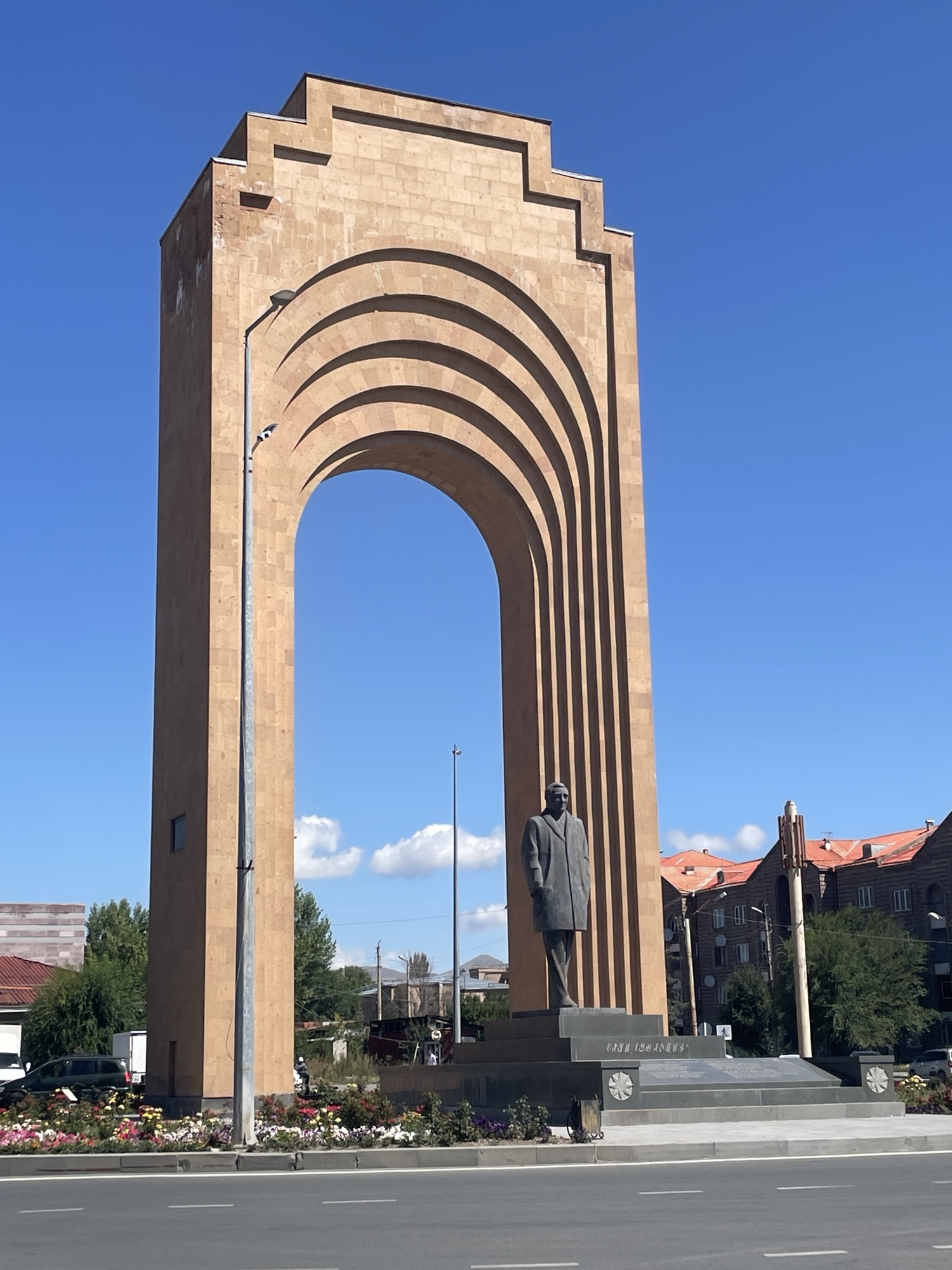
    In contrast to Yerevan, the traffic was smooth and I stopped to drink some water, slowly it was getting hot again. When I passed a roundabout, I realised that there was a particular monument in the middle of the roundabout, so I turned around again. Indeed, it was a large monument of the city’s honorary citizen Charles Aznavour.

    From Gjumri, it was an ordinary road to the border. The road did take some turns and I still could see Mount Aragaz from time to time. To my surprise, there was no petrol station to get rid of my remaining Armenian Dram. I reached the Armenian border post and had to do the procedure and present all the papers. This was done relatively quickly and I could proceed to the Georgian side. In the middle, there was a duty free shop where I invested my drams in water and dried fruit. The Georgian passport control went slow but steady and I knew what was still to come. Yes, customs control. All the papers again, as if somebody had not shown their documents several times already.

    But this was not enough. I had to enter a small room and empty all my pockets. Then I got searched. I was worried that the officer would put on some gloves and tell me to bend over. But none of this happened. How much alcohol? Why only one litre? Well, it’s a motorbike… Finally, I was allowed to leave. The motorbike was still standing there, blocking the passage for all others.

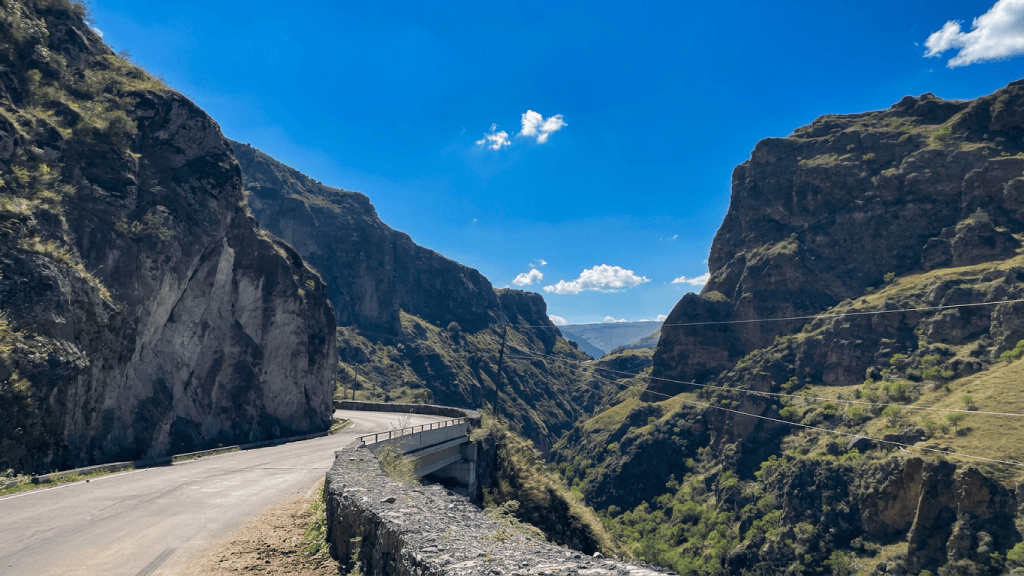
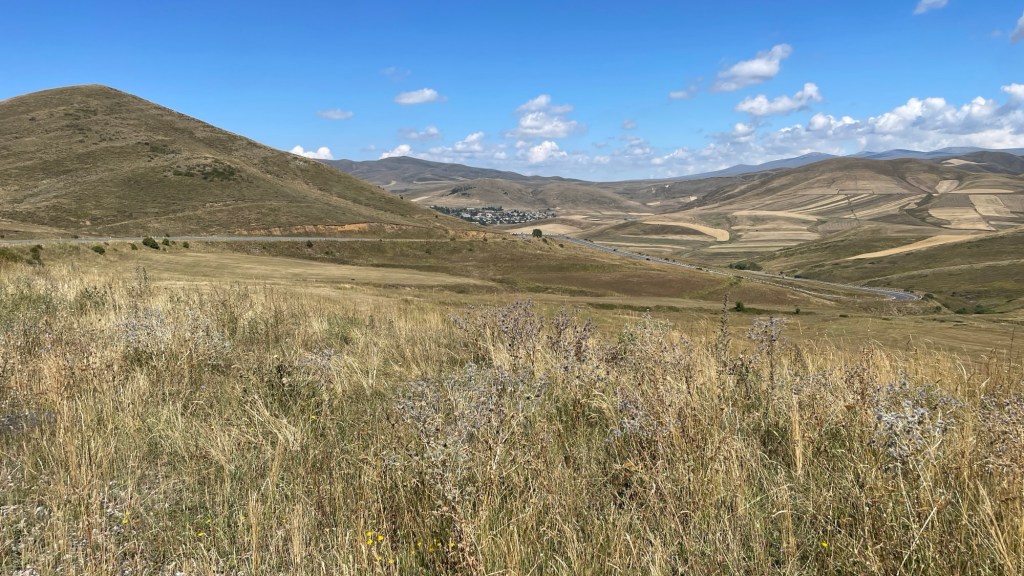
    The landscape was still a typical highland grassland. In the town of Ninotsminda I filled up, this should be enough for the day. After Achalkalaki, I entered a river valley and the scene changed completely. Where there’s water, there it’s green. This was a lovely ride now, I stopped at times to take some pictures.

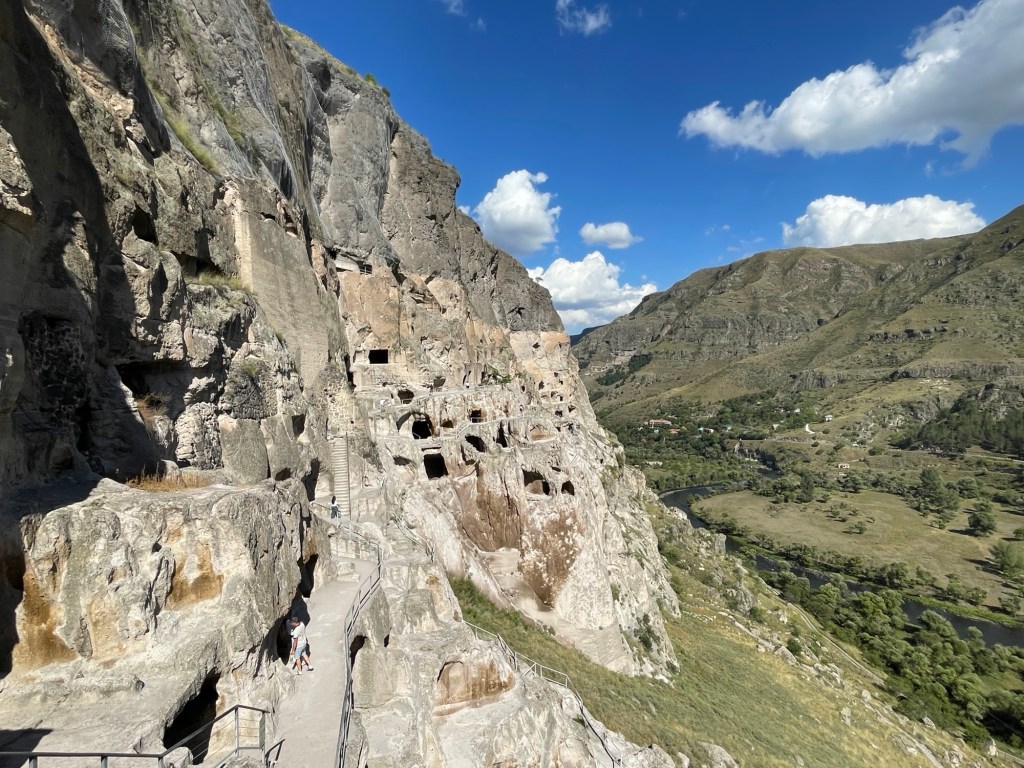
    I turned southwards and entered a nice side valley to my highlight of today. It was a nice ride for 16 km when I reached the site of Vardzia.

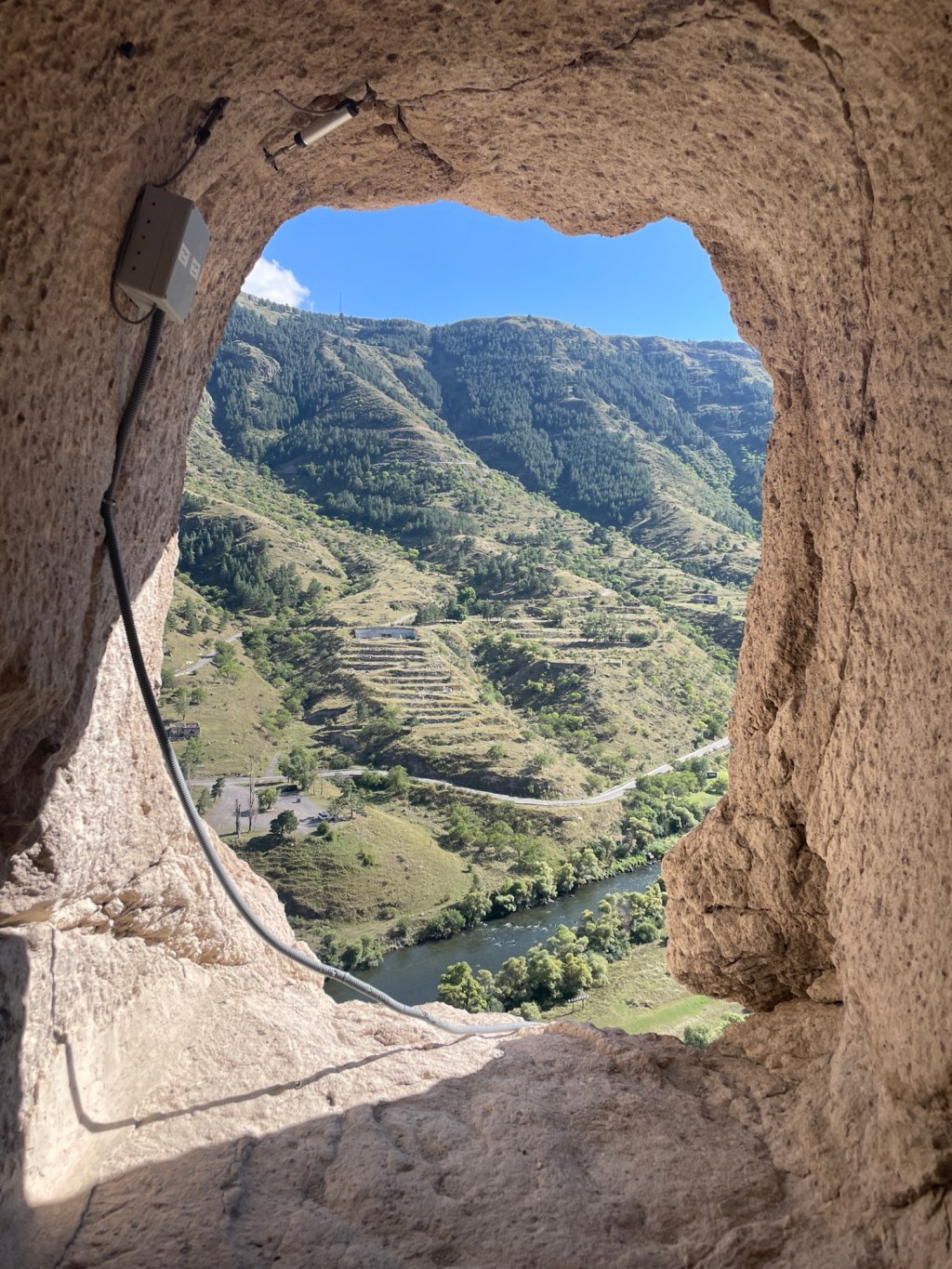
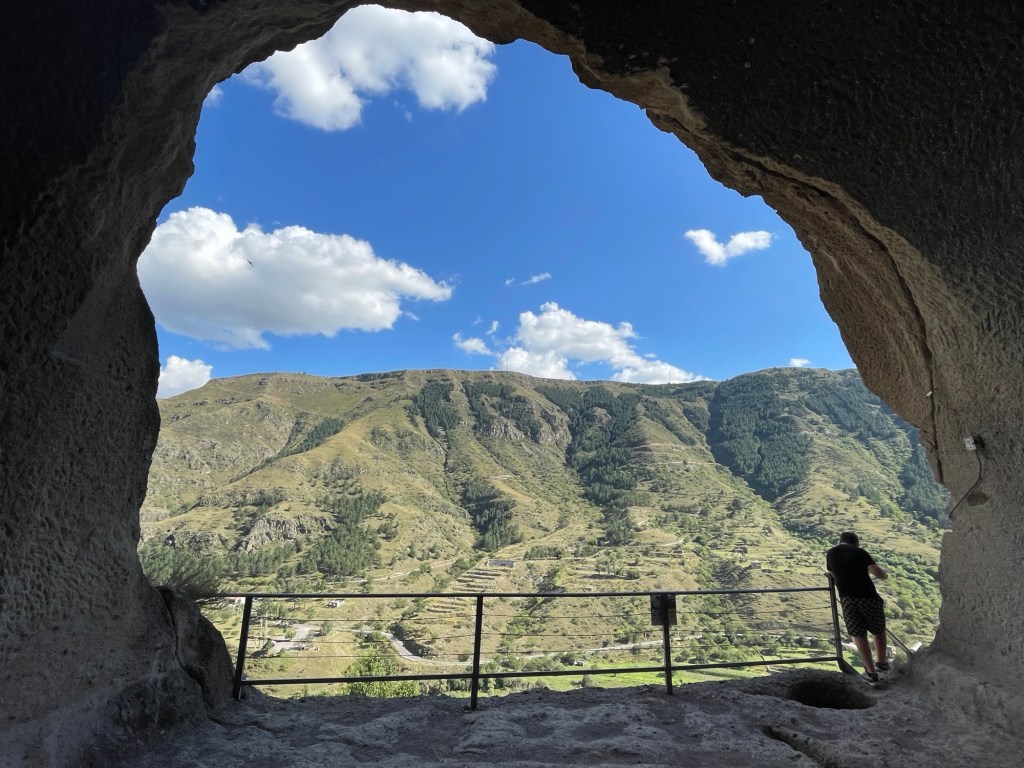
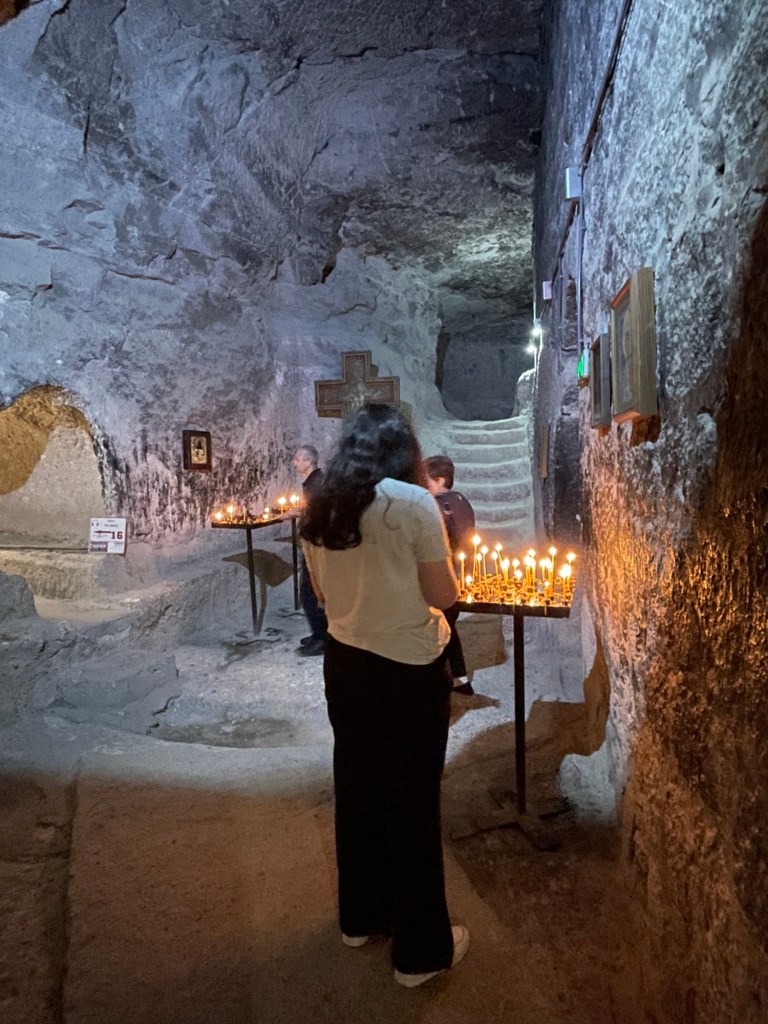
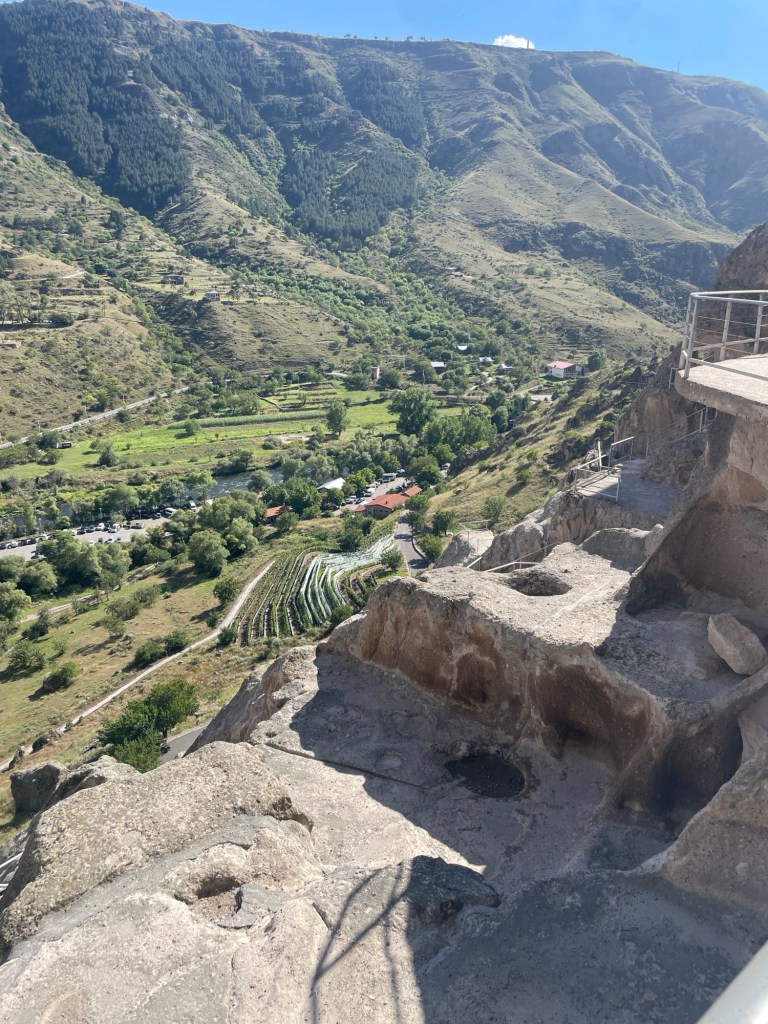
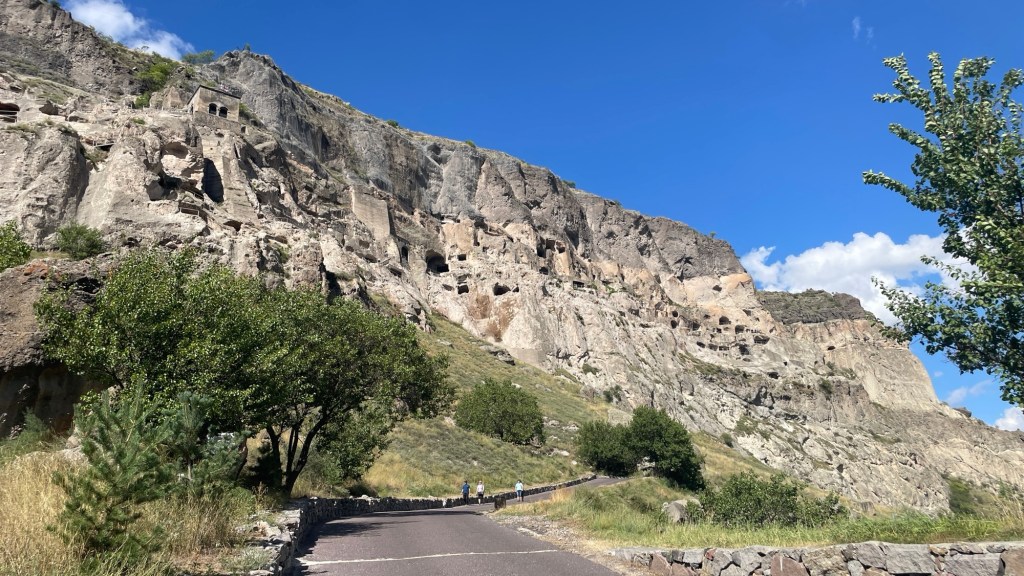
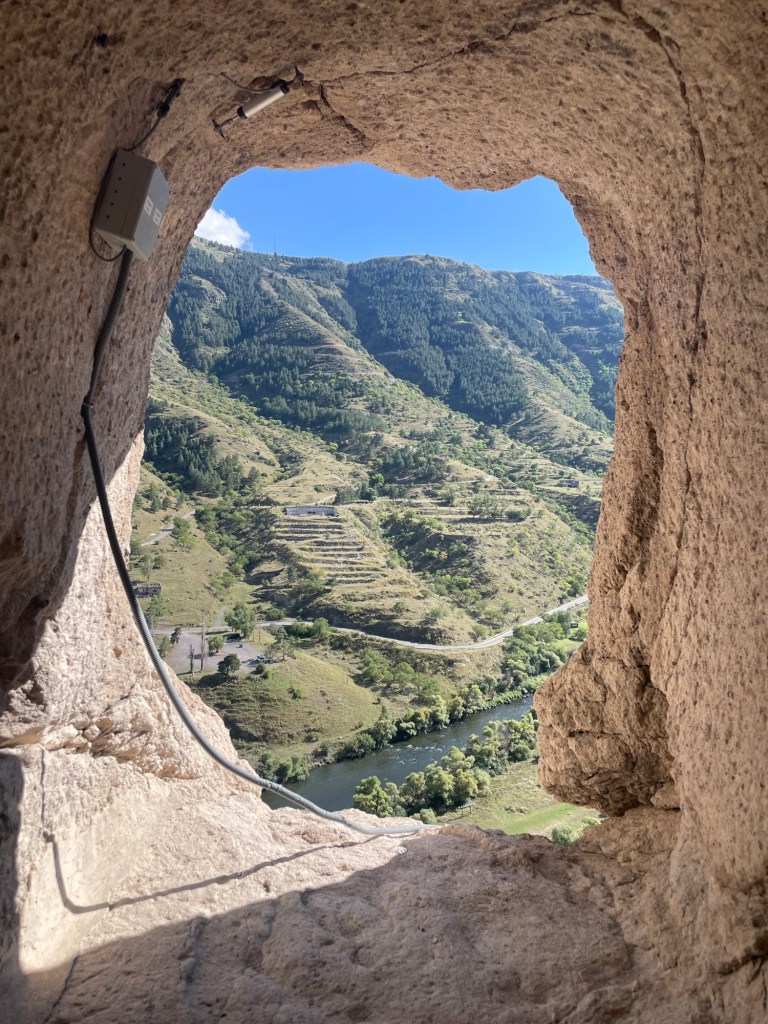
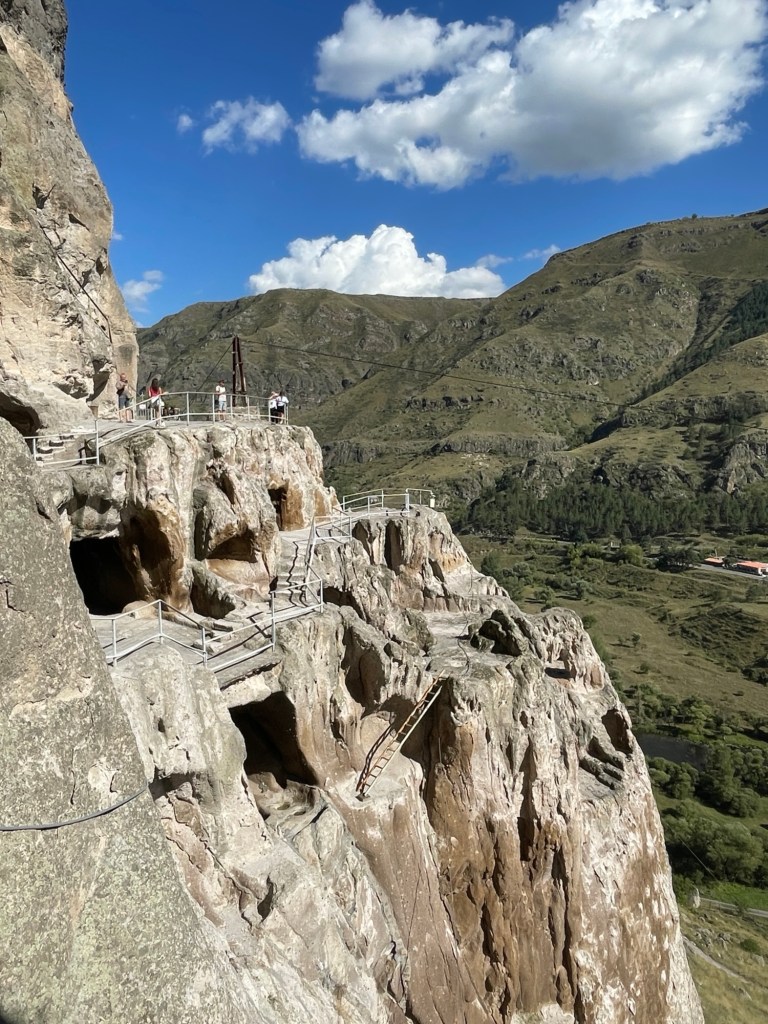
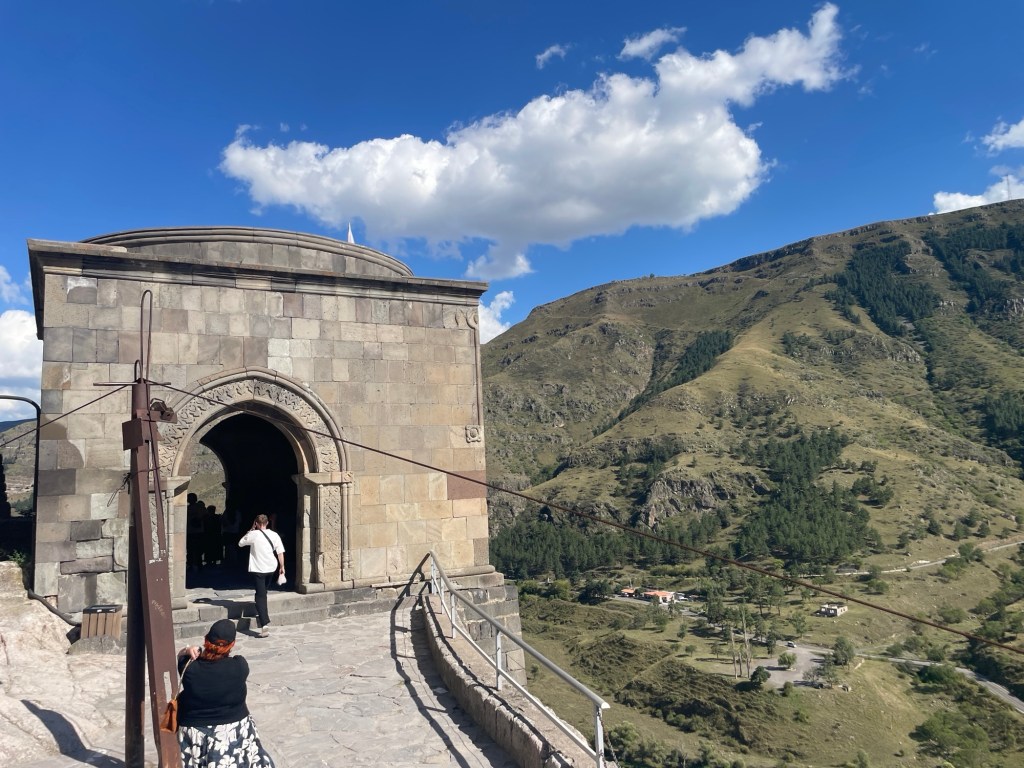
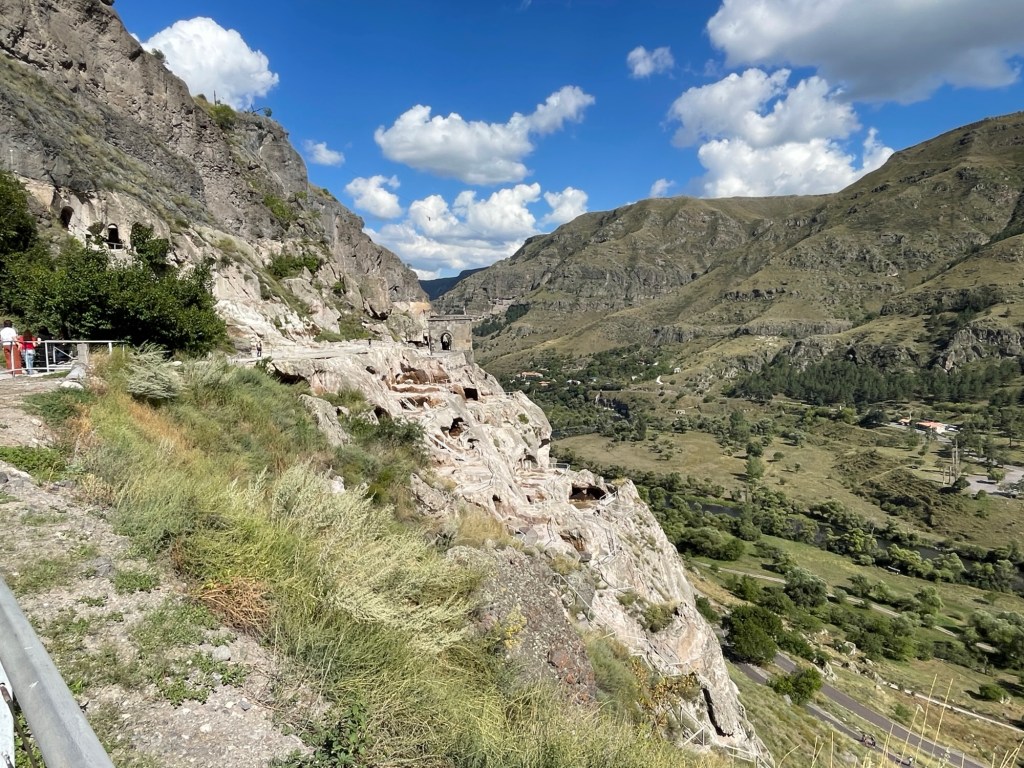
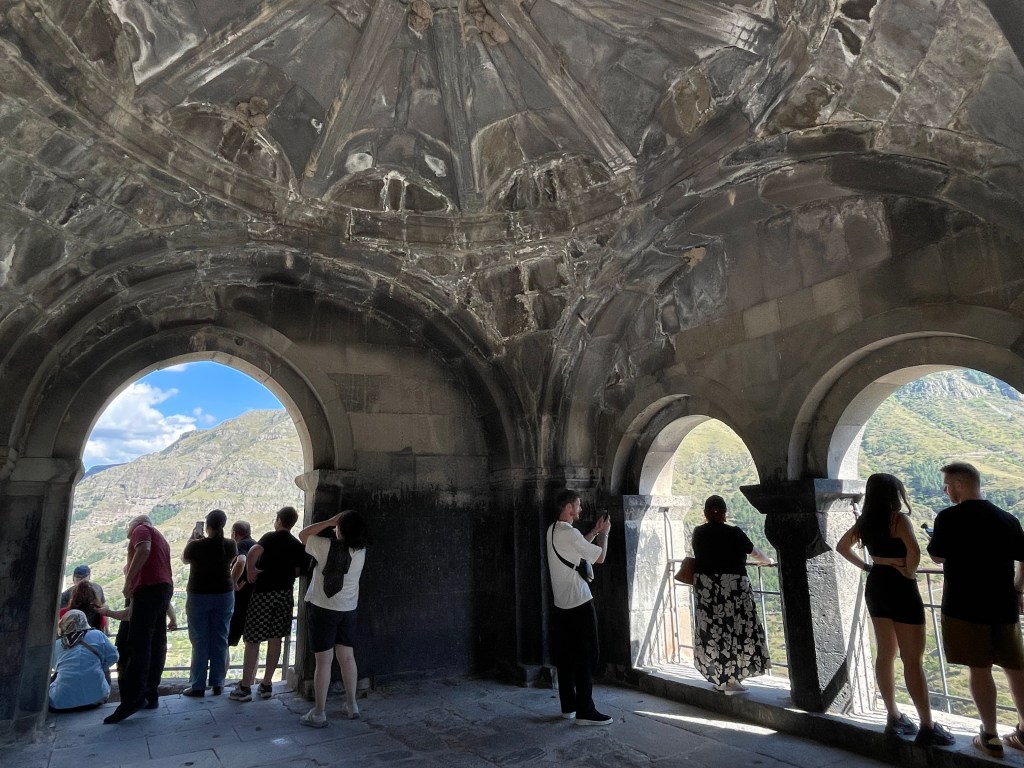
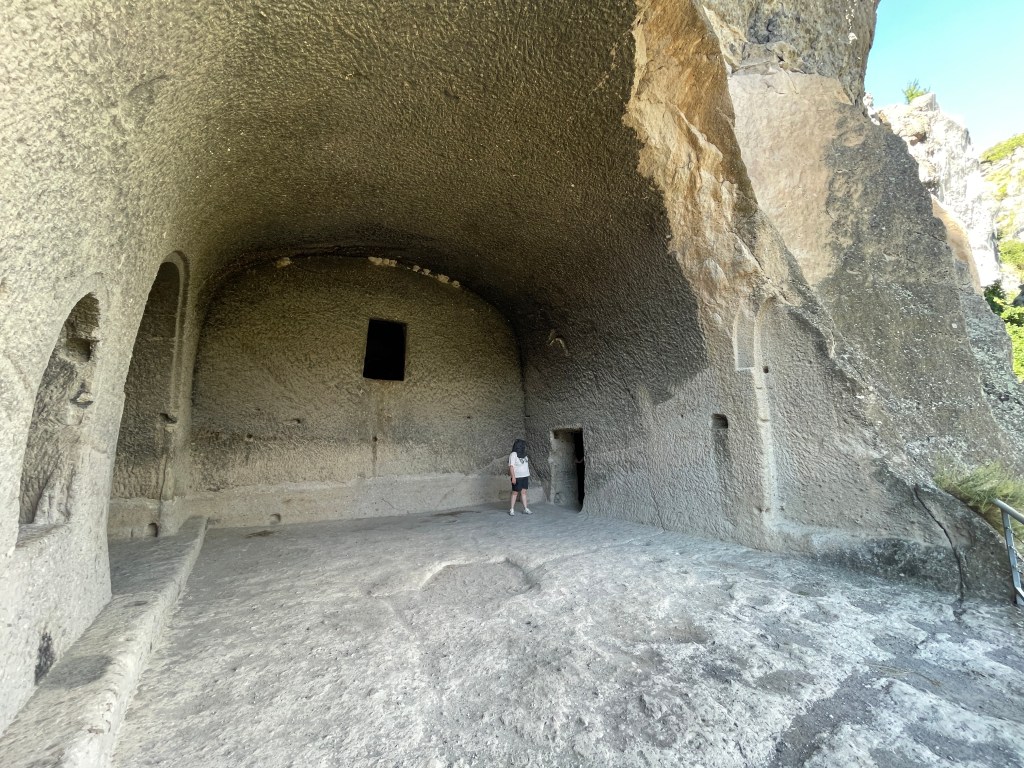
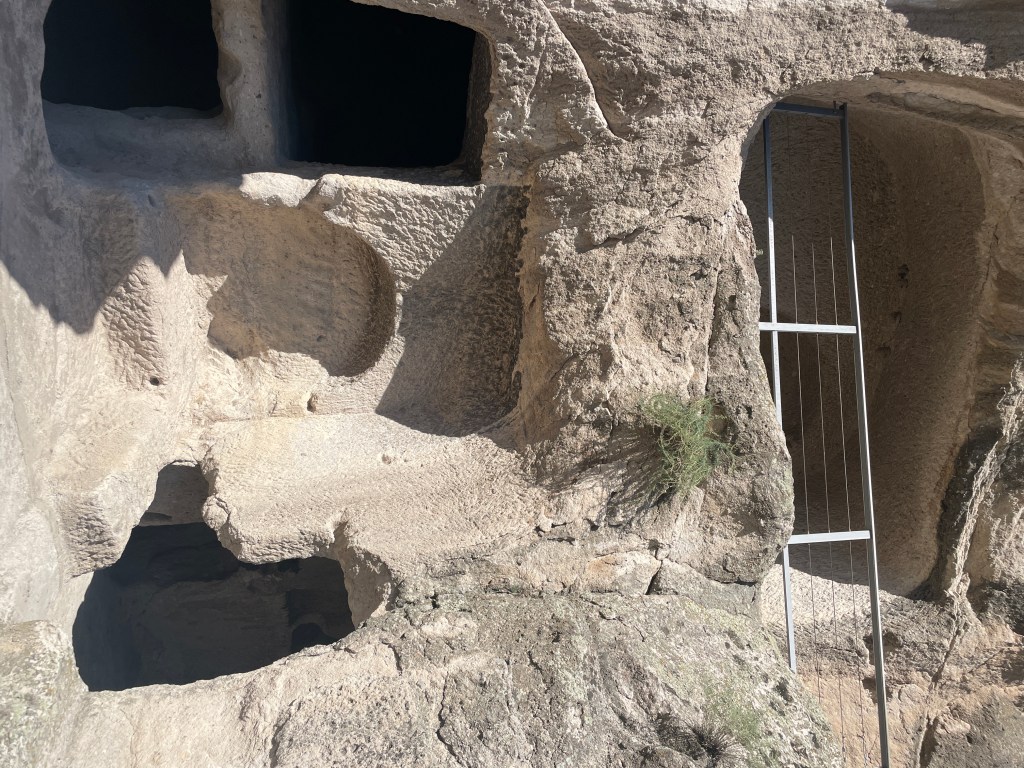
    Vardzia is a cave monastery site in southern Georgia, excavated from the slopes of the Erusheti Mountain on the left bank of the Kura River. The main period of construction was the second half of the twelfth century. The caves stretch along the cliff for some five hundred meters and in up to nineteen tiers. The monastery was an important cultural center, a place of significant literary and artistic work.

    Queen Tamar truly developed Vardzia cave town into a large complex. She ordered the caves to be dug deep inside the mountains so that invaders could not get in. Vardzia also became a religious site as Tamar ordered the construction of the Vardzia cave monastery where more than 2000 monks could live.

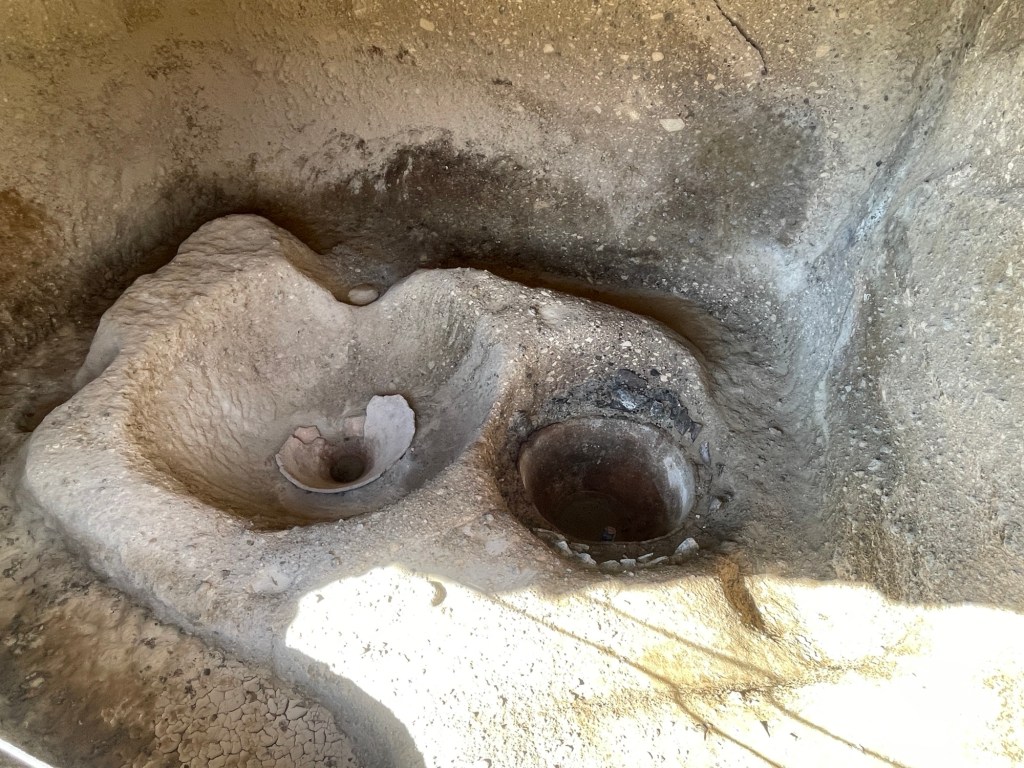
    By the early 13th century, Vardzia cave town was spread over 13 levels with more than 6000 rooms, wine cellars, stables, a bakery, a pharmacy and a library. There was even an irrigation system that could sustain the gardens planted by the monks. 

    Vardzia cave town was a self-sustaining city that managed to protect itself from outsiders, but not from mother nature. It saw severe damage from an earthquake in 1238. Most people left, but the monks stayed and rebuilt the church. They kept living in the monastery till the 16th century. In 1551 the Persians invaded the monastery and killed all the monks. 

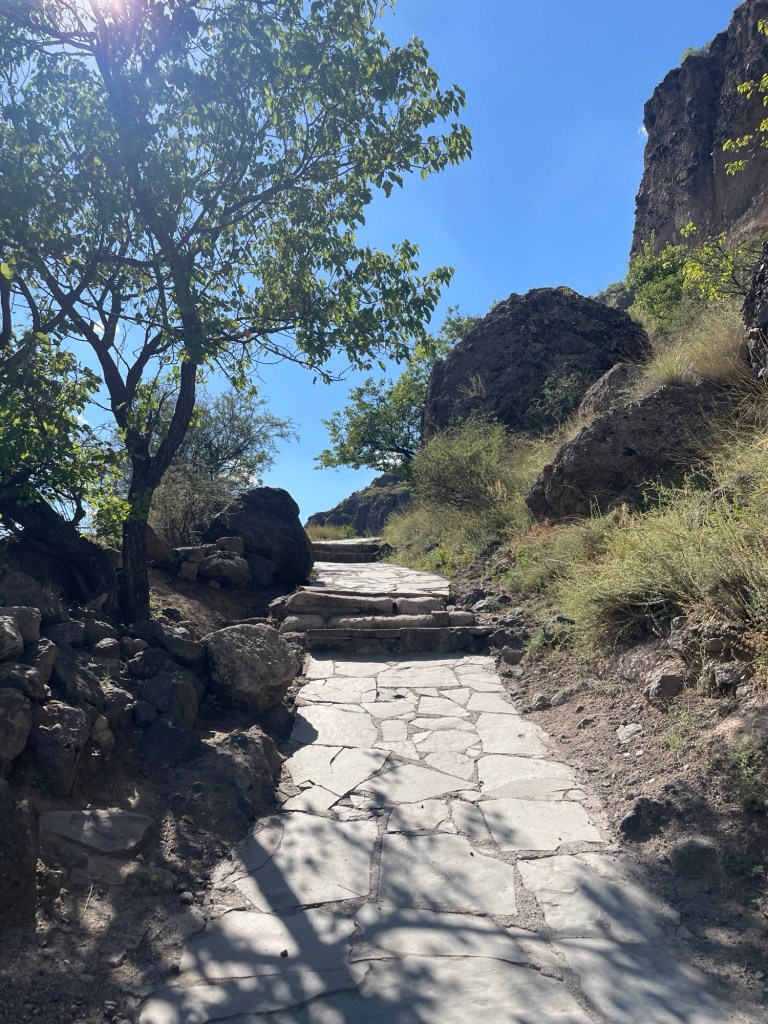
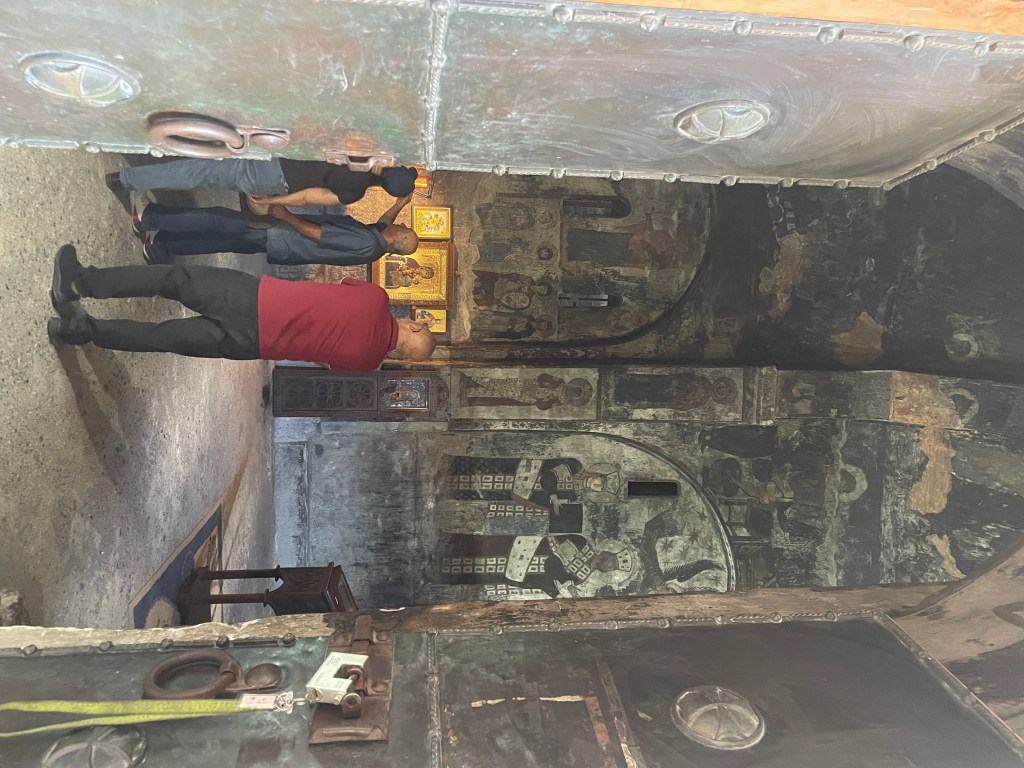
    I parked the bike in a parked after I had been chased away from parking near the entrance. As it was quite hot and I saw that I would have to climb a lot, I left my gear attached to the bike, I put on my walking shoes and left the boots at the bike. Like this, I looked like a runner in my running shirt and the motorbike underwear. I rented also an audioguide which was of superb quality. But first I had to walk up 15 min to get to the start of the itinerary that is very well made. I leads up and down, with some side arms. The audioguide gave very goods explanations about the caves. Most of the front had been destroyed in the earthquake so what is left is the back parts of the cave and the main church.

    The whole ensemble is just breathtaking. One has to imagine what it must have looked like when it was still not destroyed. Nowadays visitors have access to almost 300 rooms that are connected with each other by narrow tunnels, winding passageways and steep staircases. At its peak in the 12th century, Vardzia had the capacity to accommodate a population of up to 50,000 people(!).

    All this up and down was quite exhausting and when I had walked down to the parking I was glad to not have done this in the motorbike gear, I would have melted. Therefore I gave some Polish bikers the advice to leave as much as possible at the bikes.

    I rode down the valley again, enjoying the warm light of the late afternoon and the colours it created. After 90 min I arrived in Borjomi, situated in a green valley with many trees, not by coincidence looking like a Spa in the Alps.  Borjomi mineral water is particularly well-known in Georgia as well as other countries that were part of the former Soviet Union; the bottling of mineral water is a major source of income for the area. The town was popular with aristocratic families in the Zaristic times. Following the Red Army invasion of Georgia in 1921, the Soviet regime confiscated all aristocratic mansions and turned them into sanatoria, frequented by the Communist party elite. In the 2000s, a growing government and private investment into tourism and municipal infrastructure helped Borjomi recover from a decade of decay.

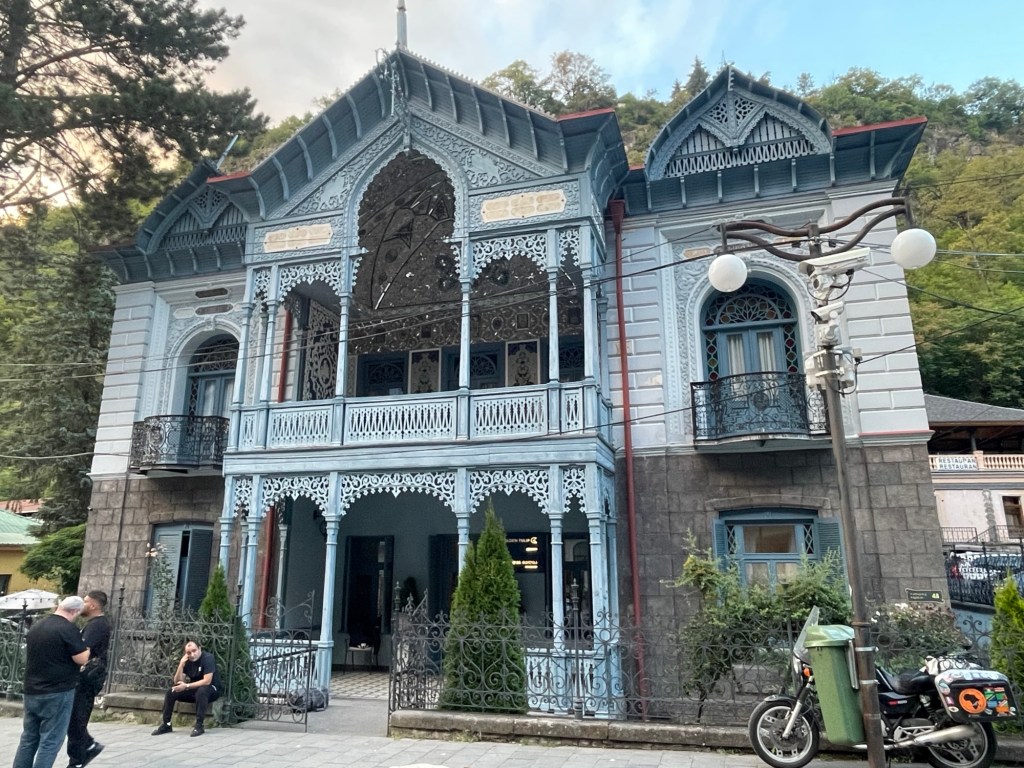
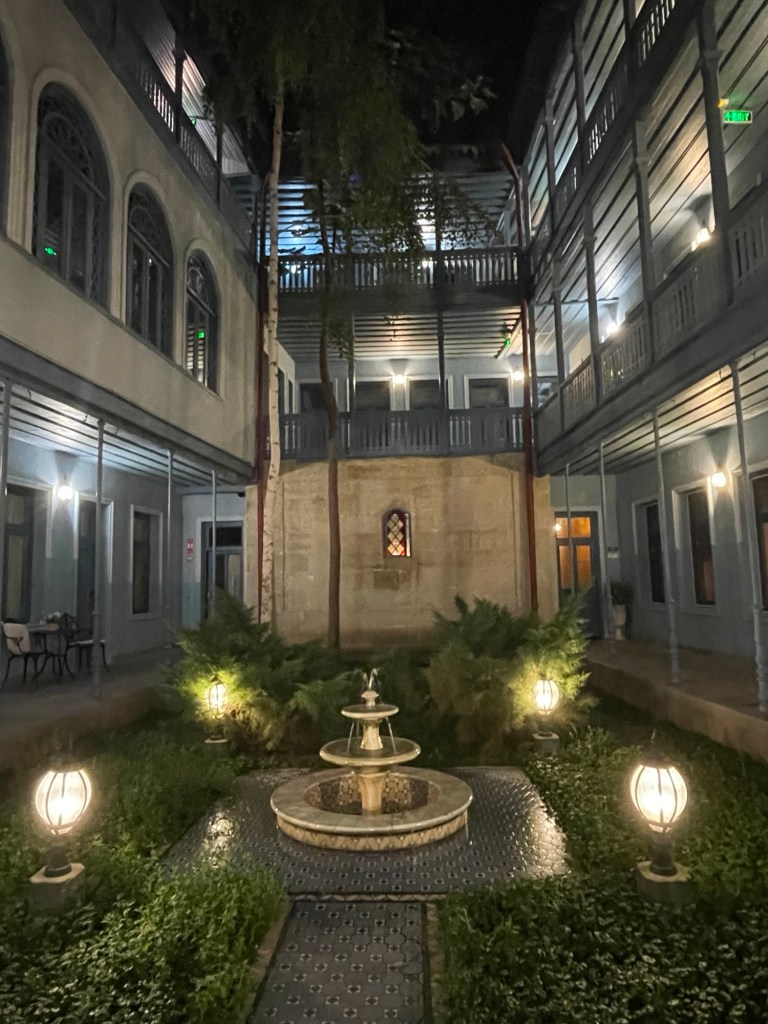
    I arrived at my booked, indeed a little gem. Apparently built as a residence for a Persian prince in the 19th century, I had been renovated and turned into something special. The reception was very welcome and I was allowed to park the bike in front of the entrance.

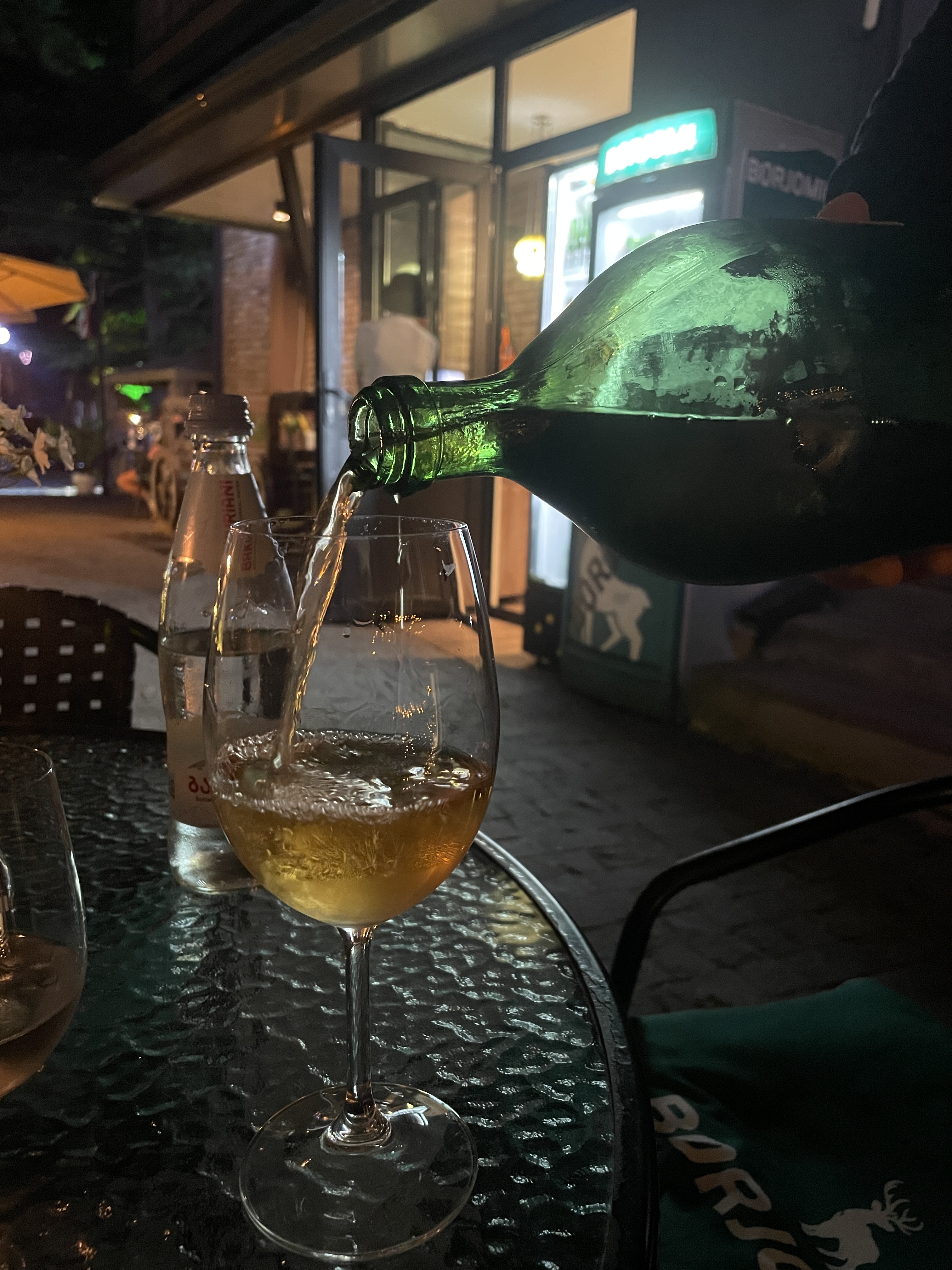
    I visited a small wine bar in the busy street (souvenirs!), however, I was told that the cook was ill. But I could still get a delicious trout. I tried the amber wine, a local product, directly from the big bottle. Made in Kvevris, i.e; large earthenware vessels used for the fermentation, storage and aging of traditional Georgian wine. A technique that is thousands of years old.

    I planned my ride for the next days: I decided that I would dare to go up the high Svaneti mountains in the Greater Caucasus before I will take the ferry from Batumi.

  • South Caucasus – Yerevan Day 2

    South Caucasus – Yerevan Day 2

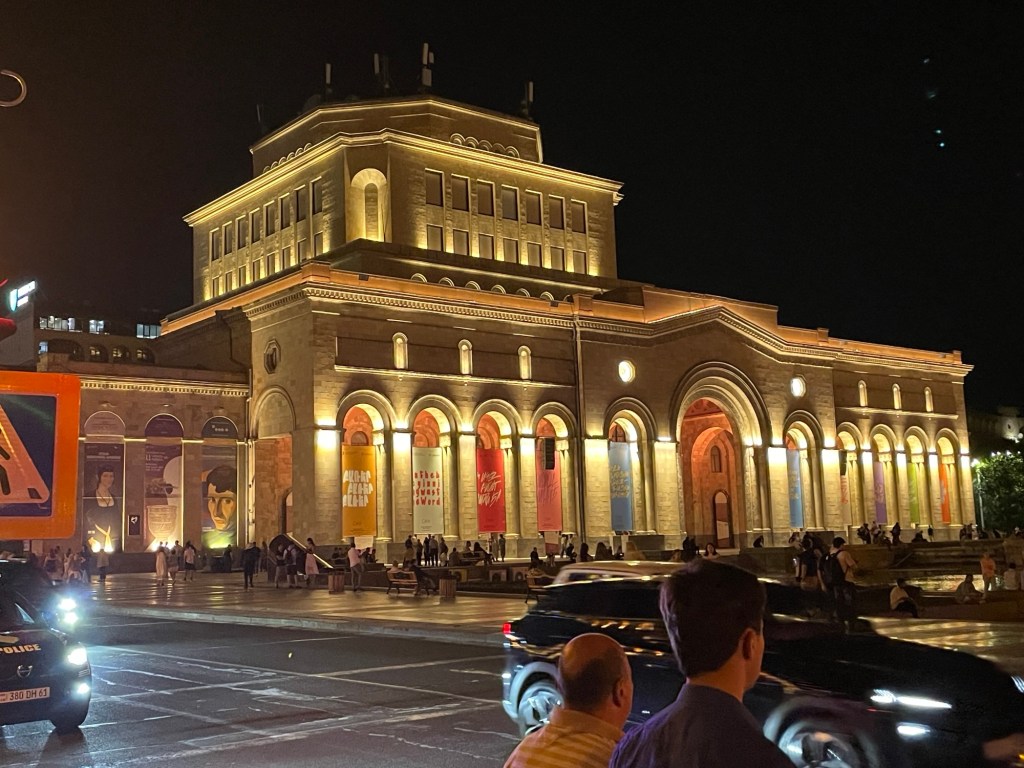
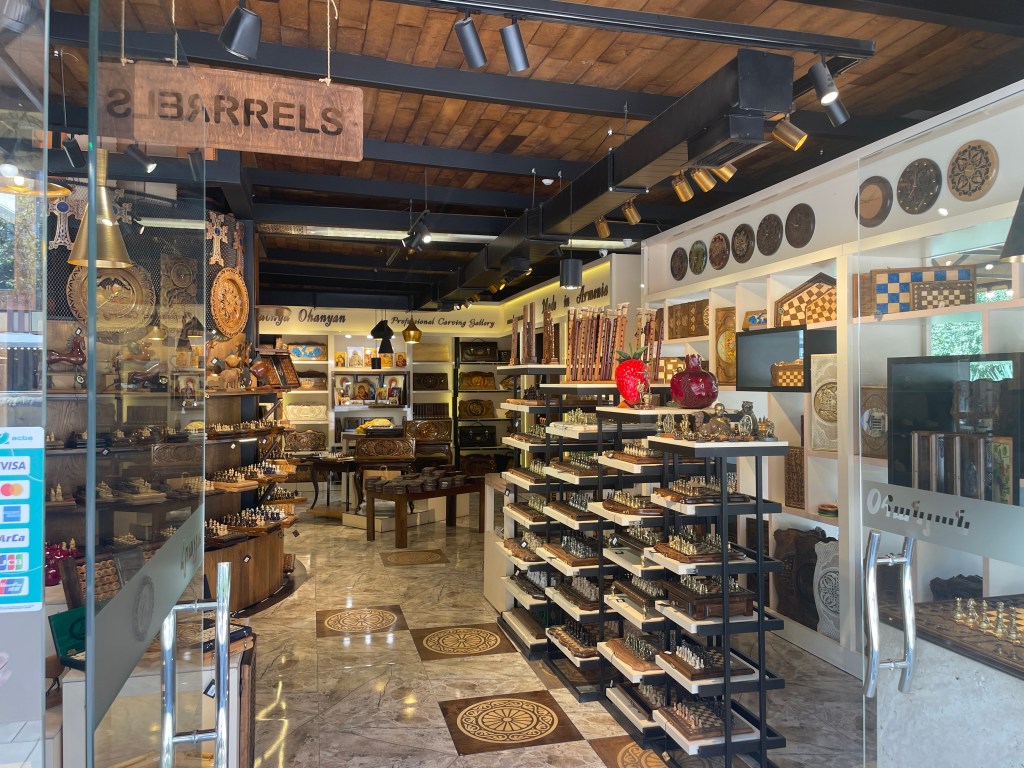
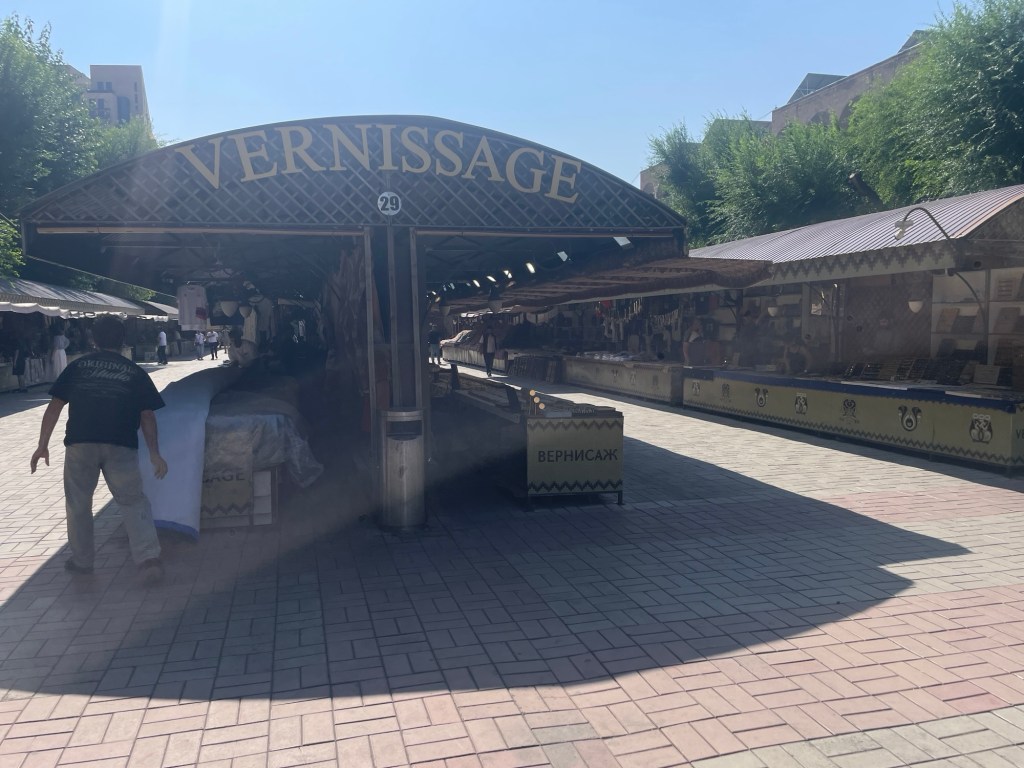
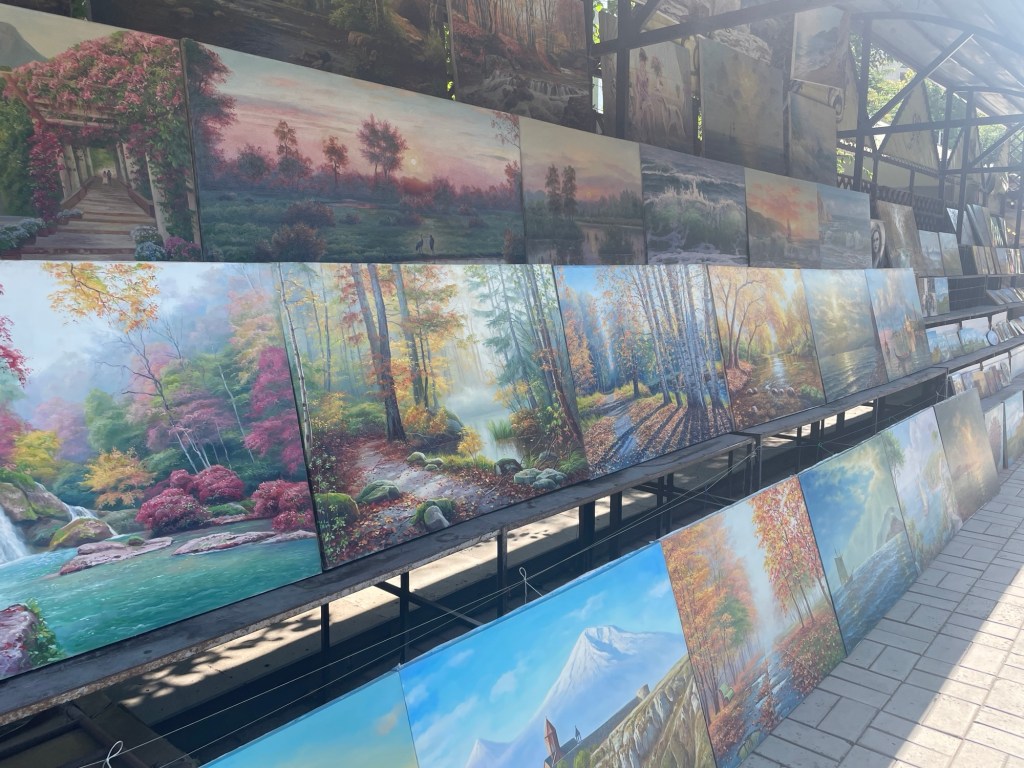
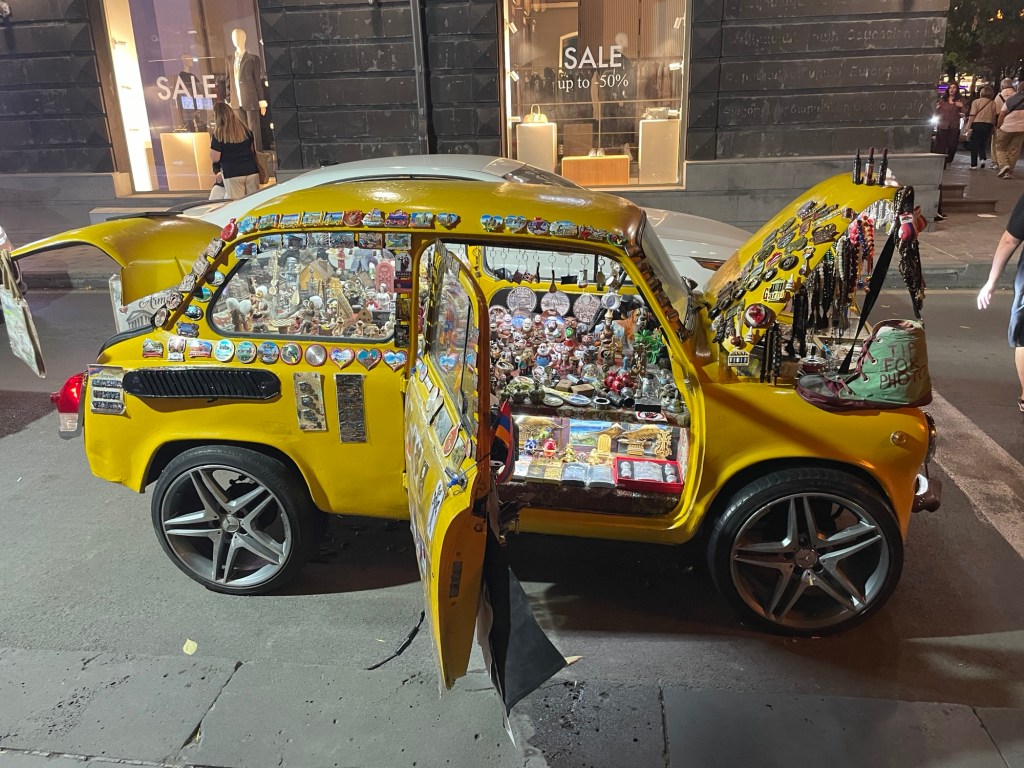
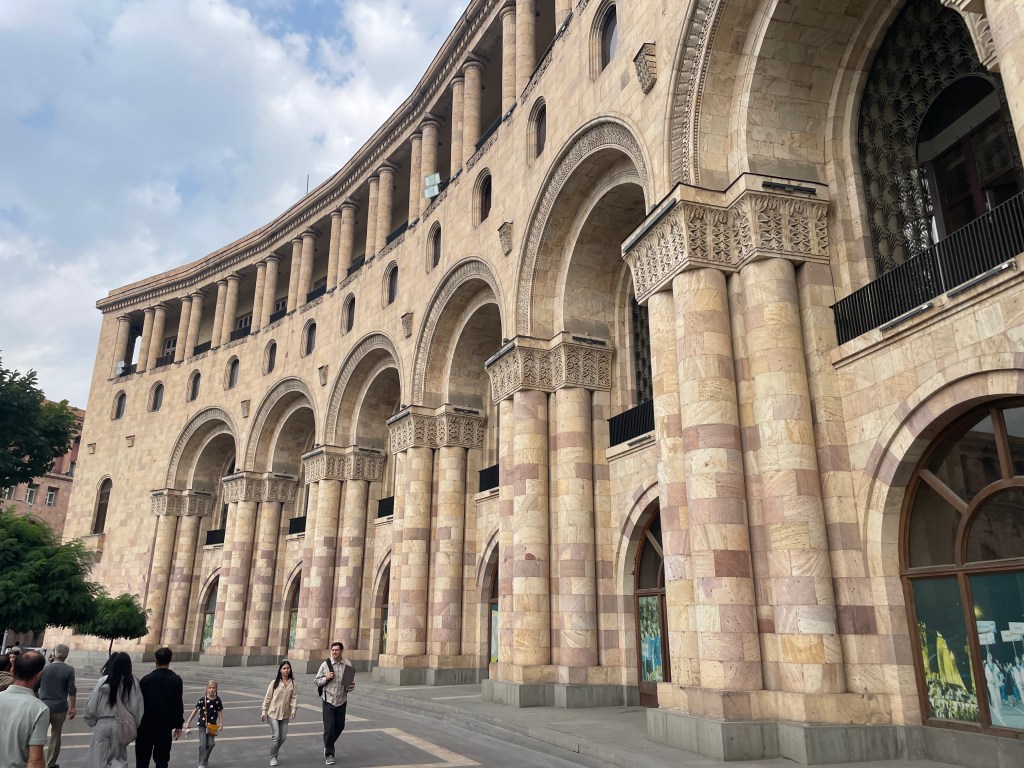
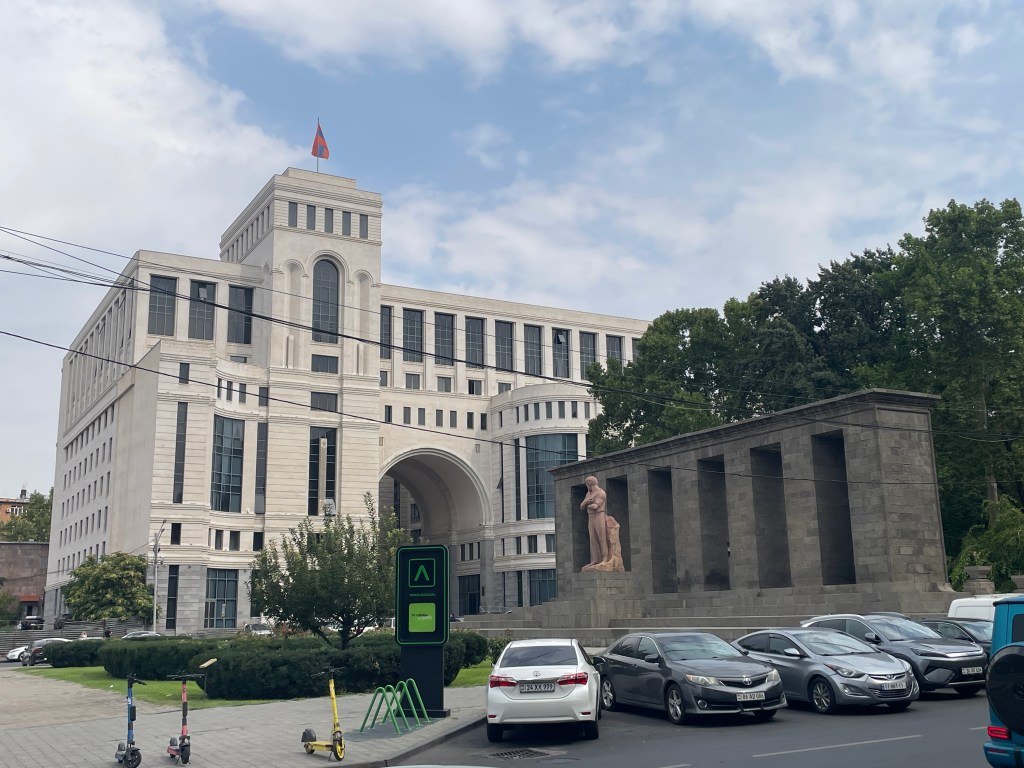
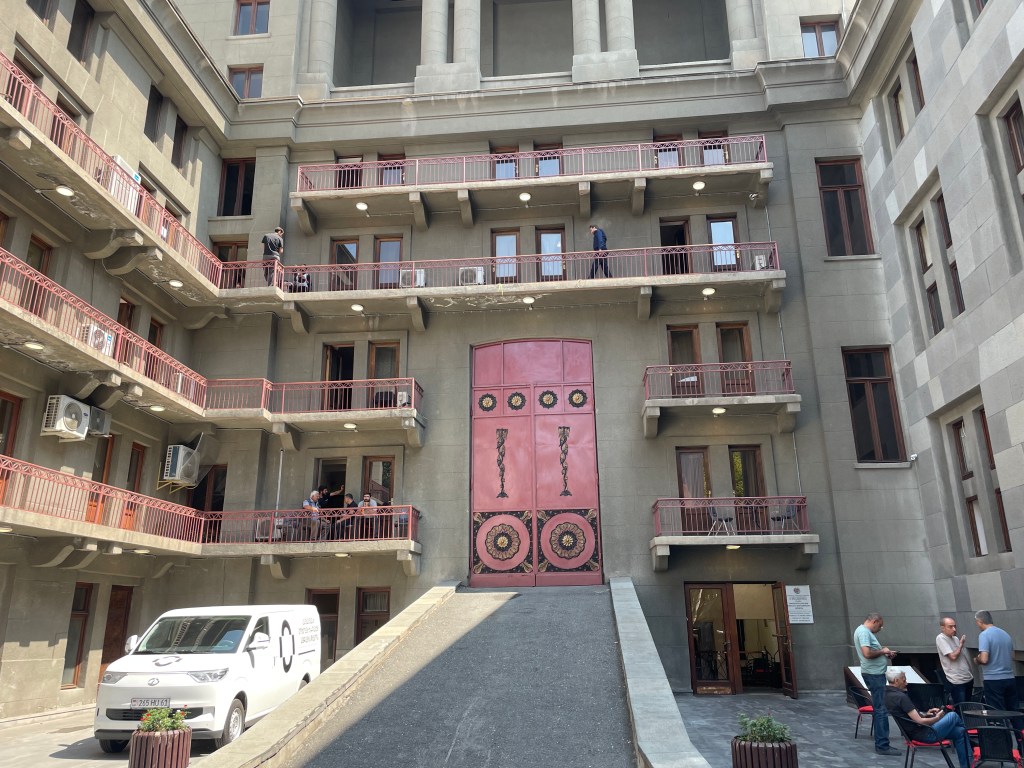
    In the end I had decided against a day trip to the south in favour of staying in the city and visiting museums. Before leaving the hotel, I left a bag of dirty laundry with the cleaning lady. I walked to the Republic Square and wanted to enter, but a man pointed to the door with the opening times: opens only at 11 a.m. Well, then let’s stroll across the Vernissage Market nearby. I took my time and studied all exhibits. Armenians love chess and have it even as a subject in school, as our guide explained yesterday. The chess boards were of exceptional quality. The range of products was large – from souvenirs to antiquities and artisanal products.

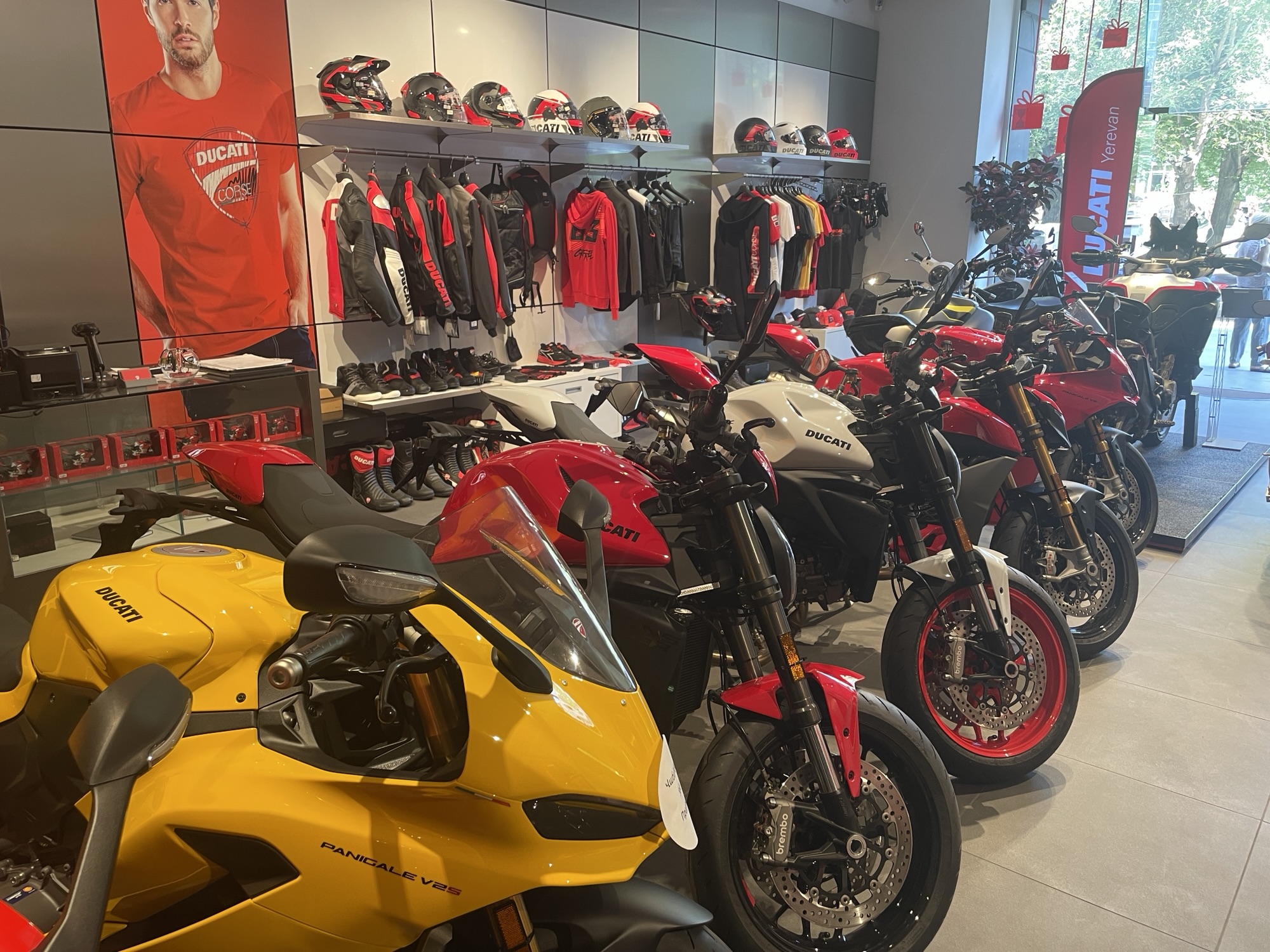
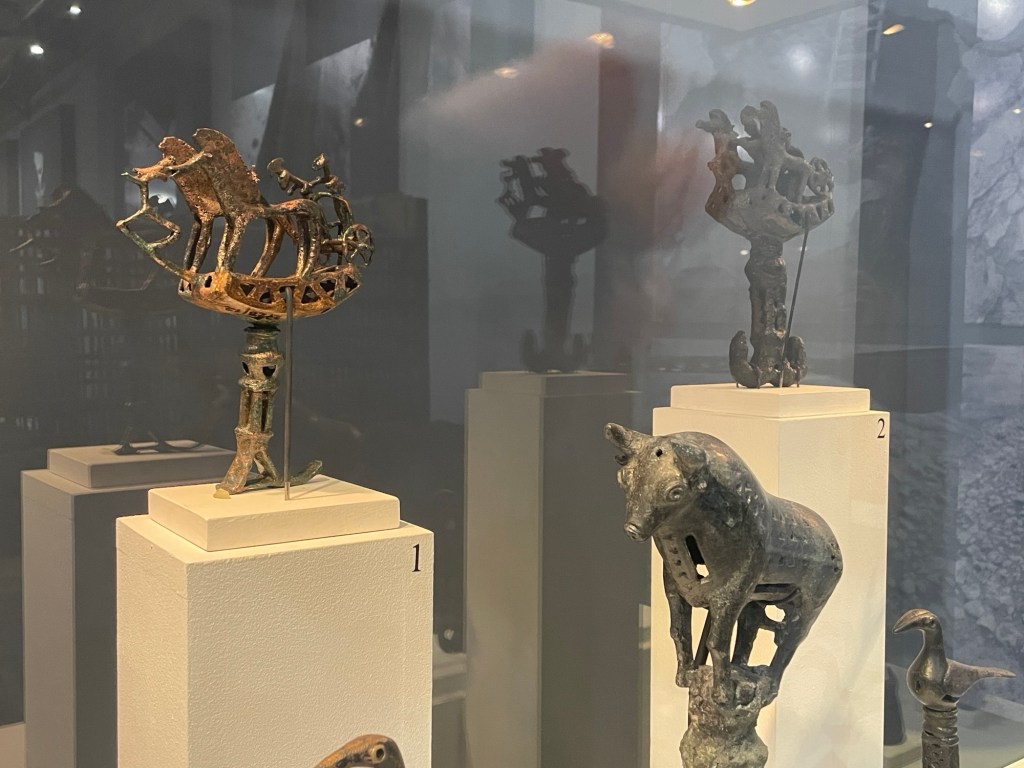
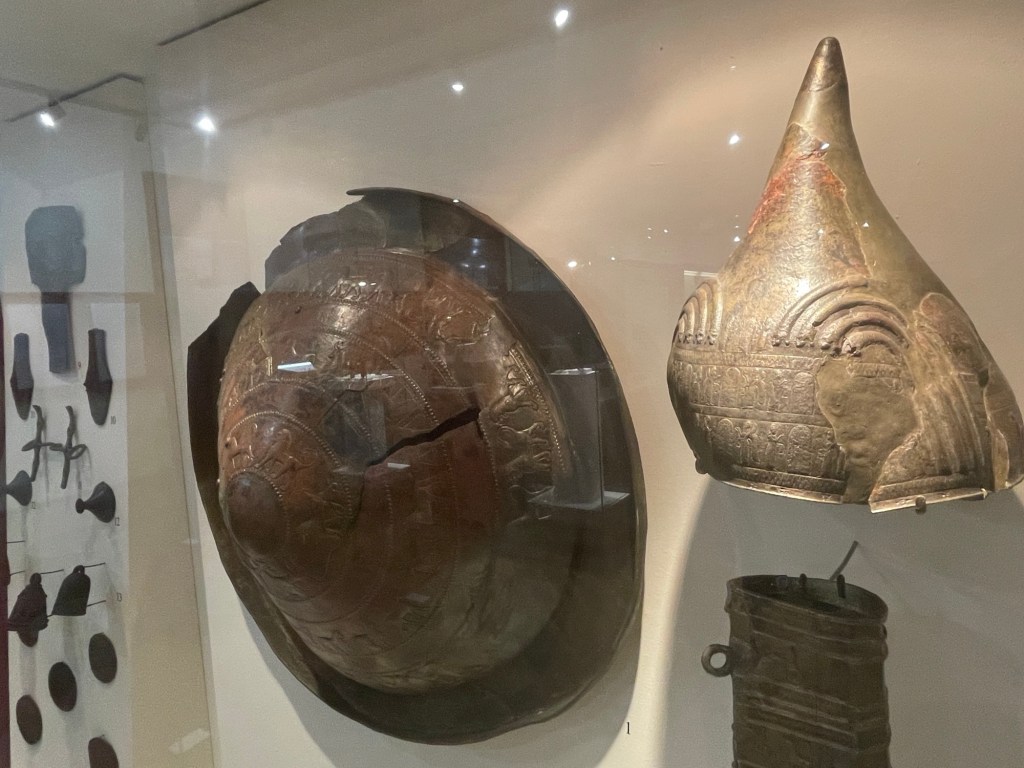
    At the end of the market I spotted a flashy Ducati shop and had an idea. I wanted to have more oil and buy another litre, so this was the perfect occasion. My purchase was successful, so this should be enough oil to get to Central Europe. I walked to the National Museum and entered it this time. The history of the Armenian lands (and historically, this includes a lot more than the current Republic of Armenia) was very well described, starting from the stone age and a very strong focus on the bronze and iron ages. A lot of artefacts expressed the high skills of their producers. This high time in that era is not very surprising, after all, many metals and their ores can be found in the region. This gave it consequently a strong position in the technological development of that time.

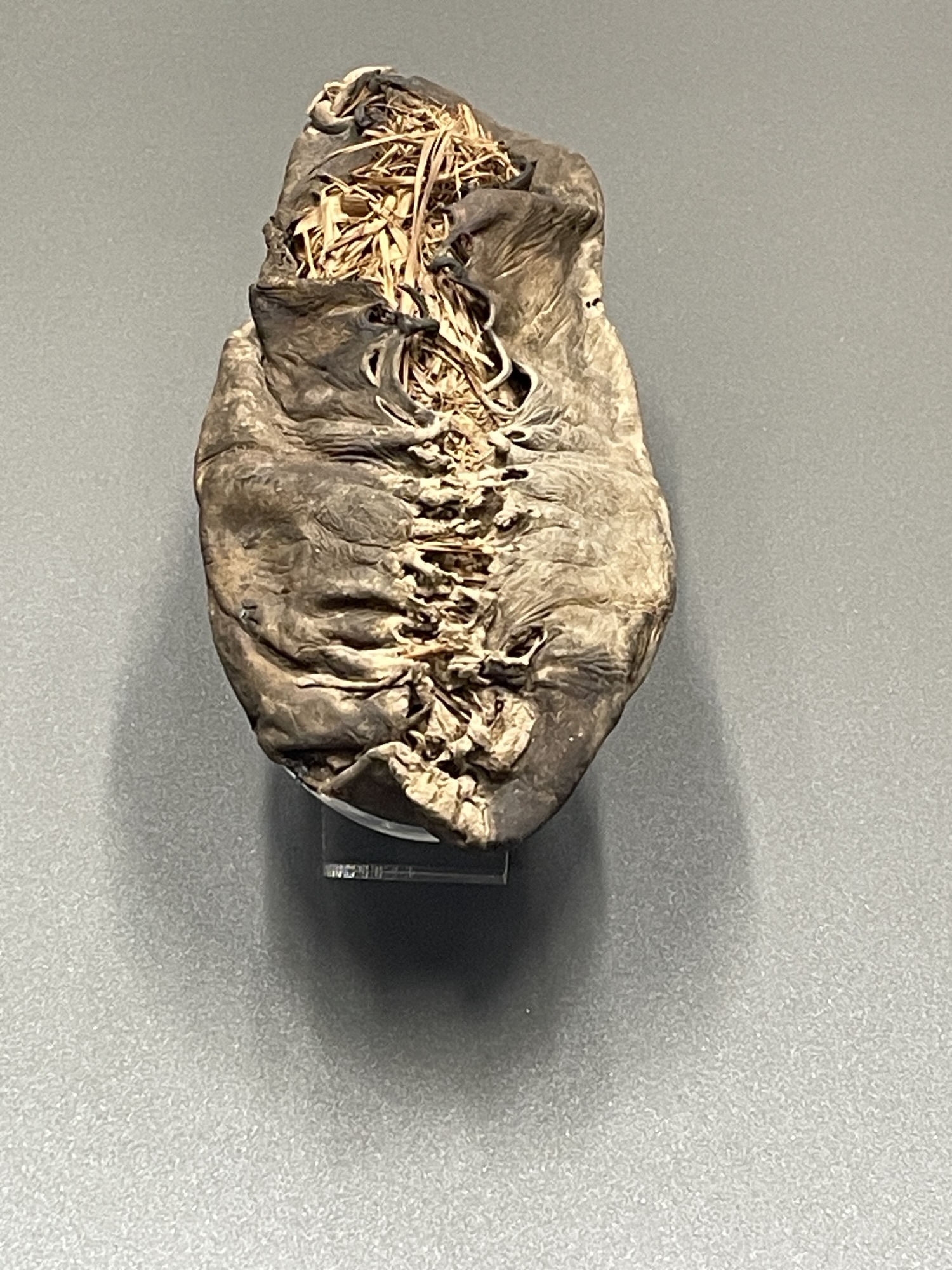
    The archeological highlight of the museum is the first shoe of mankind that was found in a cave in Areni, a place two hours south. It was made of leather and is supposed to be around 5000 thousand years old. The conditions in the cave must have been very dry, otherwise the leather would have perished a long time ago.

    The museum chronologically stopped in 1920, with a new section announced to be added in the future: ‘Armenia under Sovjet rule’. This reminded me of the National Museum in Vilnius, where the history stops dead end with the Zaristic occupation. From a historical perspective, not very convincing.

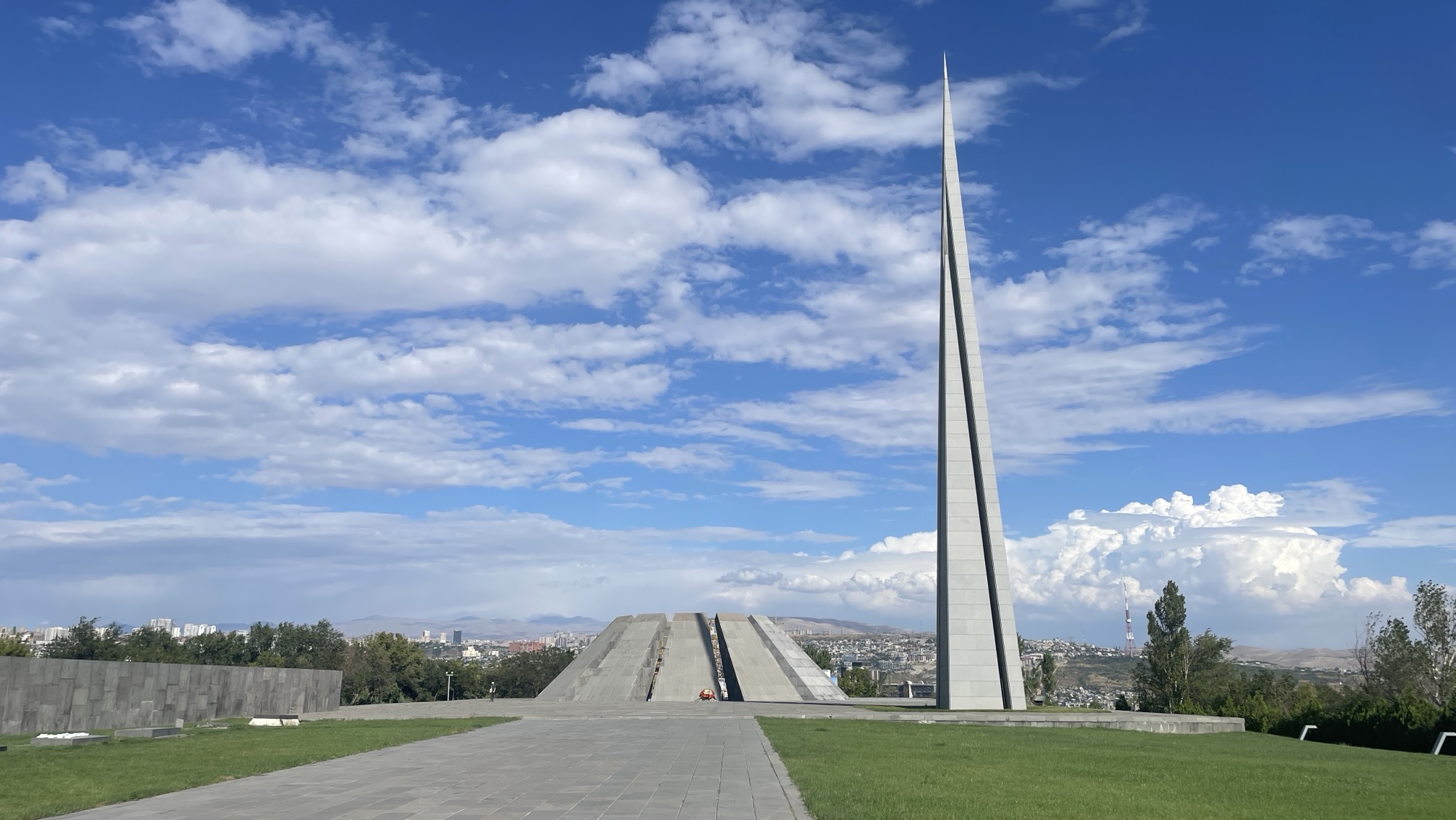
    I returned to the hotel, dropped the motor oil I was carrying in a bag and set off with the XBR to the next museum: the Armenian Genocide Museum located on a hill, overlooking the city. According to its mission statement, it is ‘dedicated to preserving the memory and legacy of the Armenian Genocide by honouring 1,5 million Armenians who have perished during the horrible events at the beginning of the 20th century. The Museum-Institute teaches universal lessons to combat hatred, discrimination, prejudice and apathy‘.

    Inside the museum, no photographs are allowed. The permanent exhibition explains the background, also the proceeding massacres that happened in the Ottoman Empire before 1915.

    The Armenian genocide was the systematic destruction of the Armenian peopleand identity in the Ottoman Empire during World War I. It was implemented primarily through the mass murder of around one million Armenians during death marches to the Syrian desert and the forced Islamization of others, primarily women and children.

    Before World War I, Armenians occupied a somewhat protected, but subordinate, place in Ottoman society. The Ottoman Empire suffered a series of military defeats and territorial losses, especially during the 1912–1913 Balkan Wars. This sparked fear among Turkish leaders that the Armenians, whose homeland in Anatolia they considered the Turkish nation’s last refuge, would seek independence. Ottoman leaders took isolated instances of Armenian resistance as evidence of a widespread rebellion, and decided to permanently forestall the possibility of Armenian autonomy or independence.

    On 24 April 1915, Ottoman authorities arrested and deported hundreds of Armenian intellectuals and leaders from Istanbul. At the orders of Talaat Pasha, an estimated 800,000 to 1.2 million Armenians were sent on death marches to the Syrian desert in 1915 and 1916. Driven forward by paramilitary escorts, the deportees were deprived of food and water and subjected to robbery, rape, and massacres; survivors were dispersed into concentration camps. In 1916, another wave of massacres was ordered, leaving about 200,000 deportees alive by the end of the year. Around 100,000 to 200,000 Armenian women and children were forcibly converted to Islam and integrated into Muslim households.

    Regarded as “the apex of horrors conceivable” before World War II, the genocide destroyed more than two thousand years of Armenian civilization in eastern Anatolia. Alongside the genocides of Assyrian/Syriac and Greek Orthodox Christians, it enabled the creation of an ethnonationalist Turkish state, the Republic of Turkey. The Turkish government maintains that the deportation of Armenians was a legitimate action that cannot be described as genocide. As of 2026, 36 countries have recognized the genocide, concurring with the academic consensus.

    The facts of the genocide were previously known to me, but were are two features in the exposition that were particularly striking, based on original documents. The first is the systematic planning of the atrocities by the ‘Young Turks’ government, there was no coincidence. On the contrary, when challenged by foreign diplomats, rulers were boasting that there was finally a permanent solution to the ‘Armenian problem’. The second feature was the multitude of reports from eye-witnesses, a lot of them from other countries, describing the details of the sickening atrocities committed. Among them were militaries, diplomats, missionaries, writers. Despite the mass of records and evidences, it remain unconceivable that the fact of this first genocide of the 20th century is still denied by the Turkish state to this day.

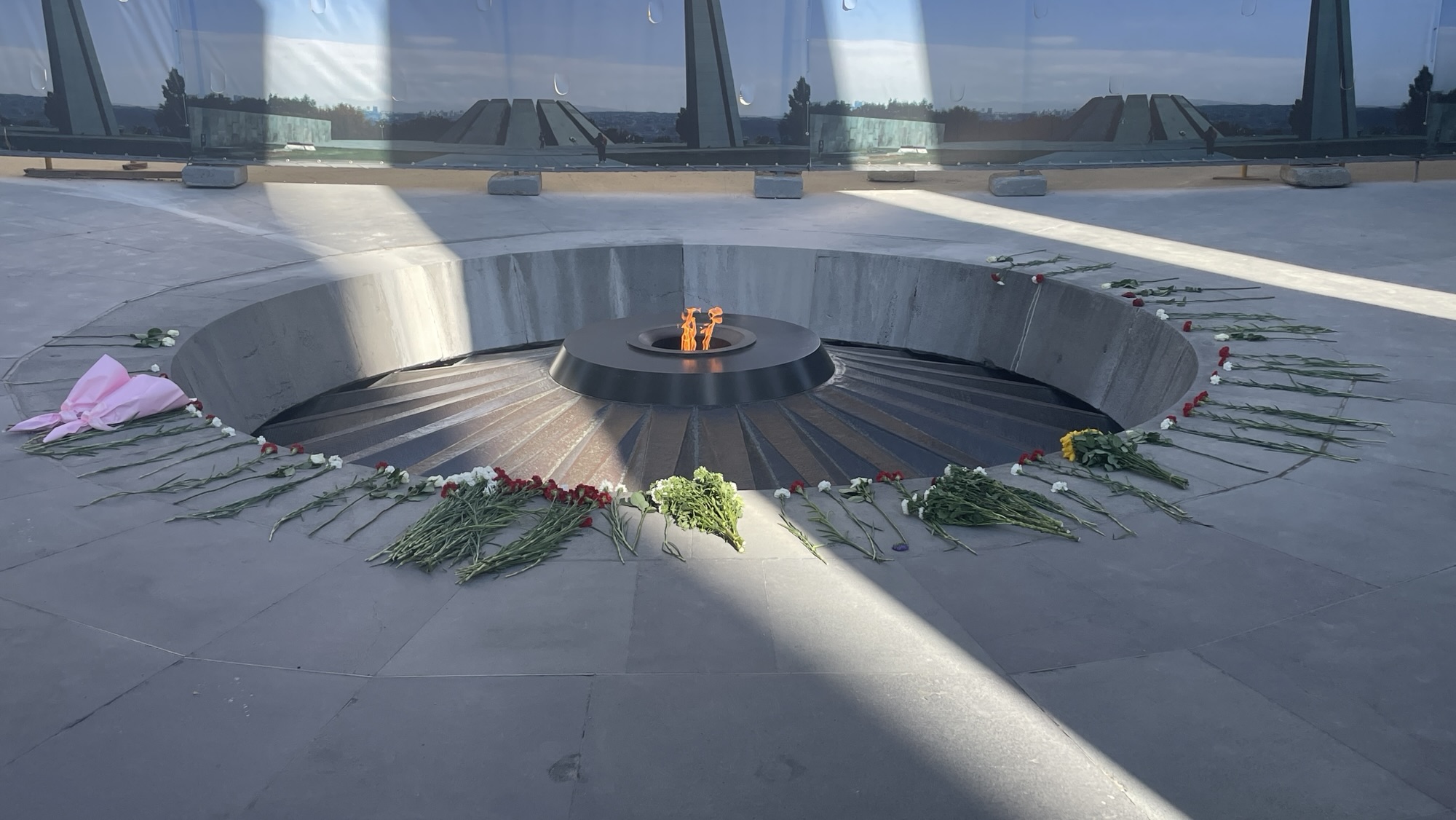
    I visited the memorial overlooking the city with its burning eternal flame. A moment to rest in silence.

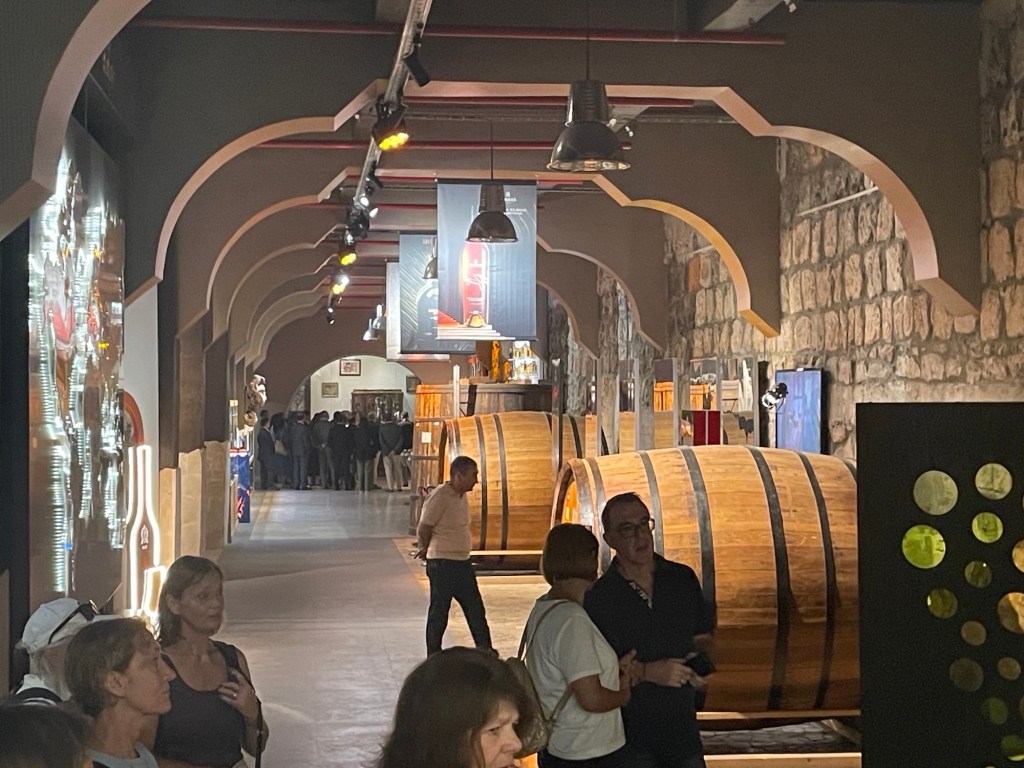
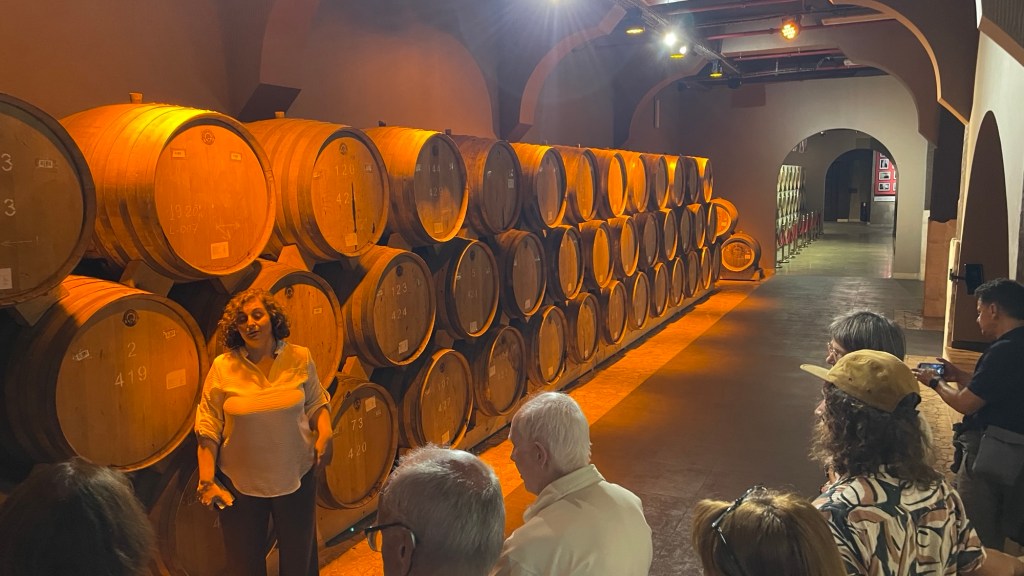
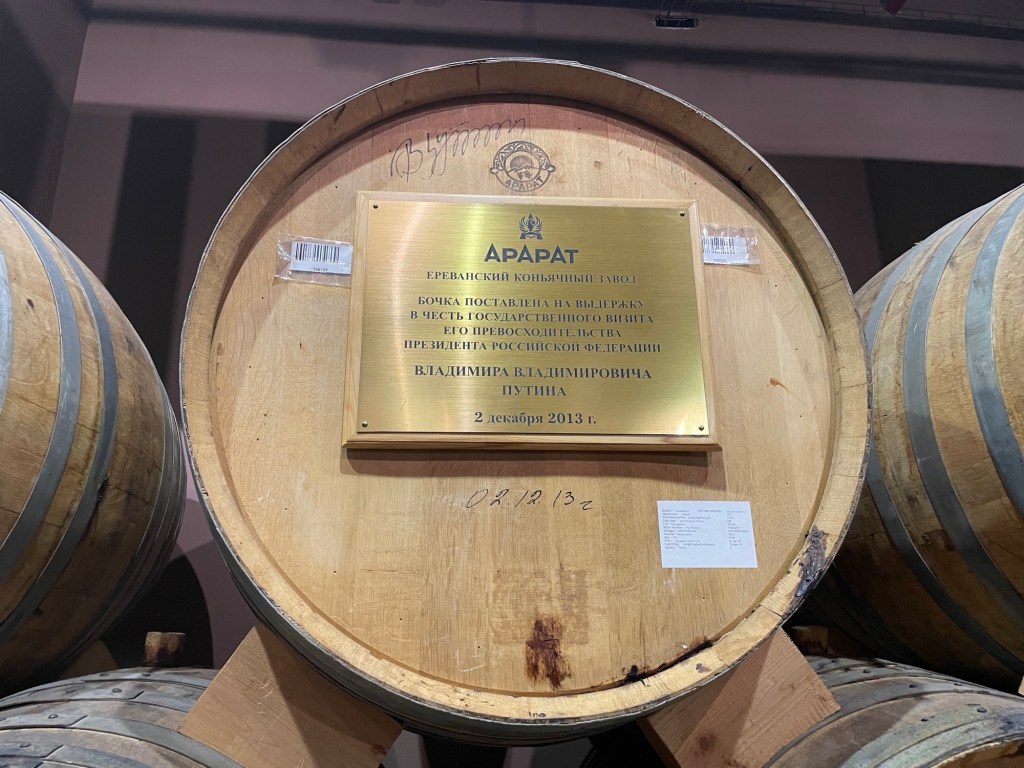
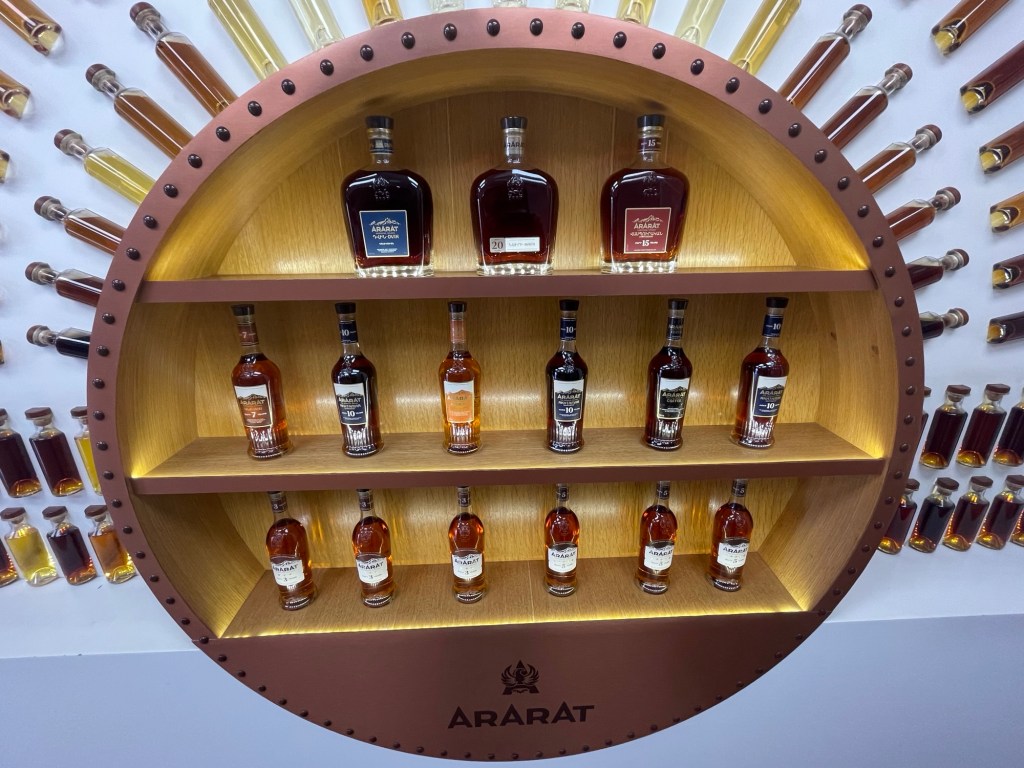
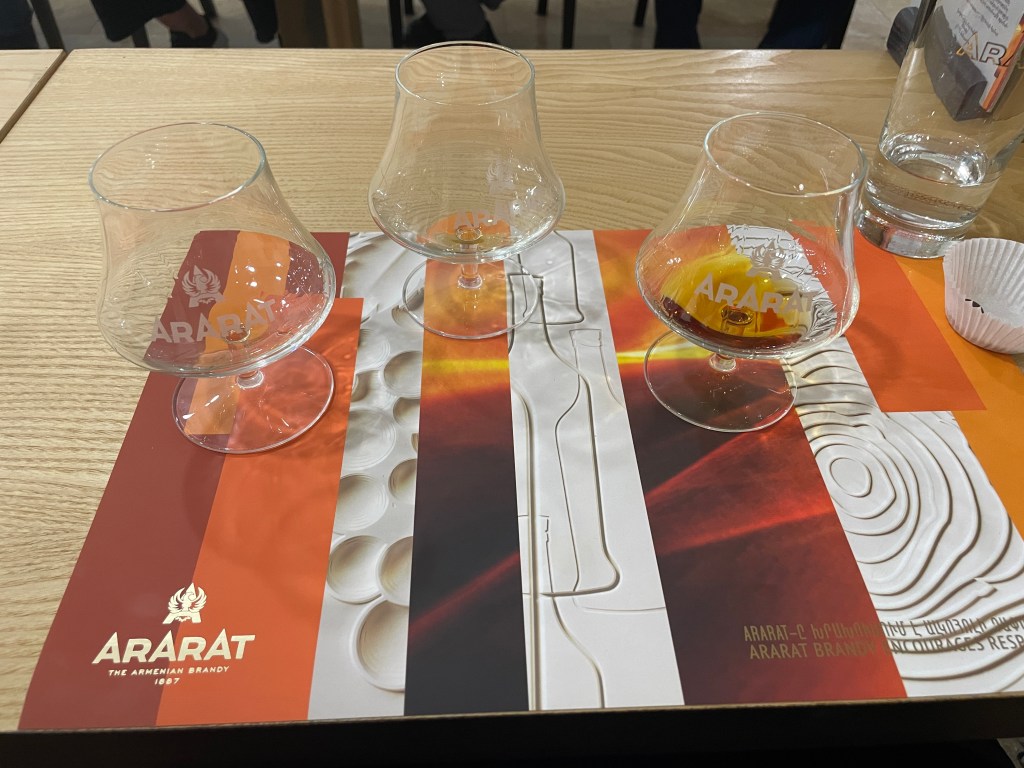
    After such a visit, it is not easy to lift your mood and I tried to do so by visiting the nearby museum of the Ararat vinery, a leading producer of brandy in Armenia. I managed to obtain a ticket for the last guided tour of the day, even without reservation. The guide was very passionate to explain the history, the production steps and the high number of celebrities and statesmen that had visited this place.

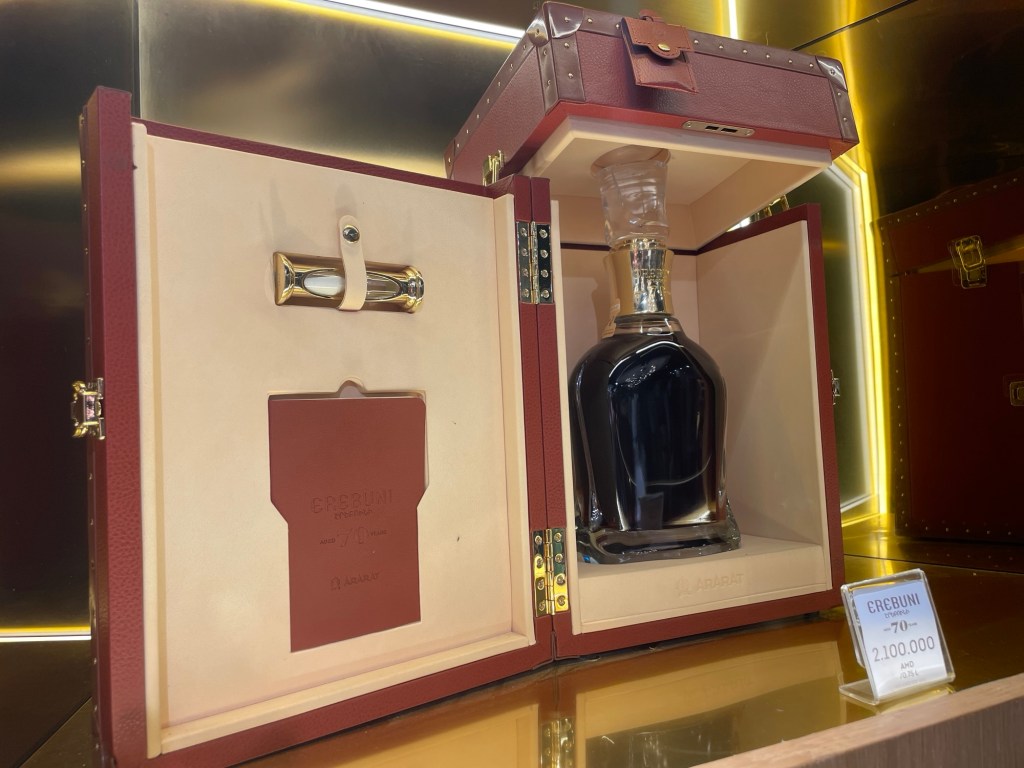
    After the tour, we were invited for a tasting, sipping three of their excellent ‘cognacs’. As I had already purchased two of them the day before, my decision was confirmed, this is really of an excellent quality. A young Slovak traveller next to me chatted with me and we even continued our conversation later on the street, a funny guy. I was tempted in the shop to buy some even better stuff, but the prices are luckily a bit prohibitive.

    Later in the evening I visited an Armenian restaurant and ordered a plate that looked nice (slow-cooked hare), but the portion was simply too big. A group of singers and musicians provided an excellent background and I felt sorry for them to have to perform in front of an ignorant crowd.

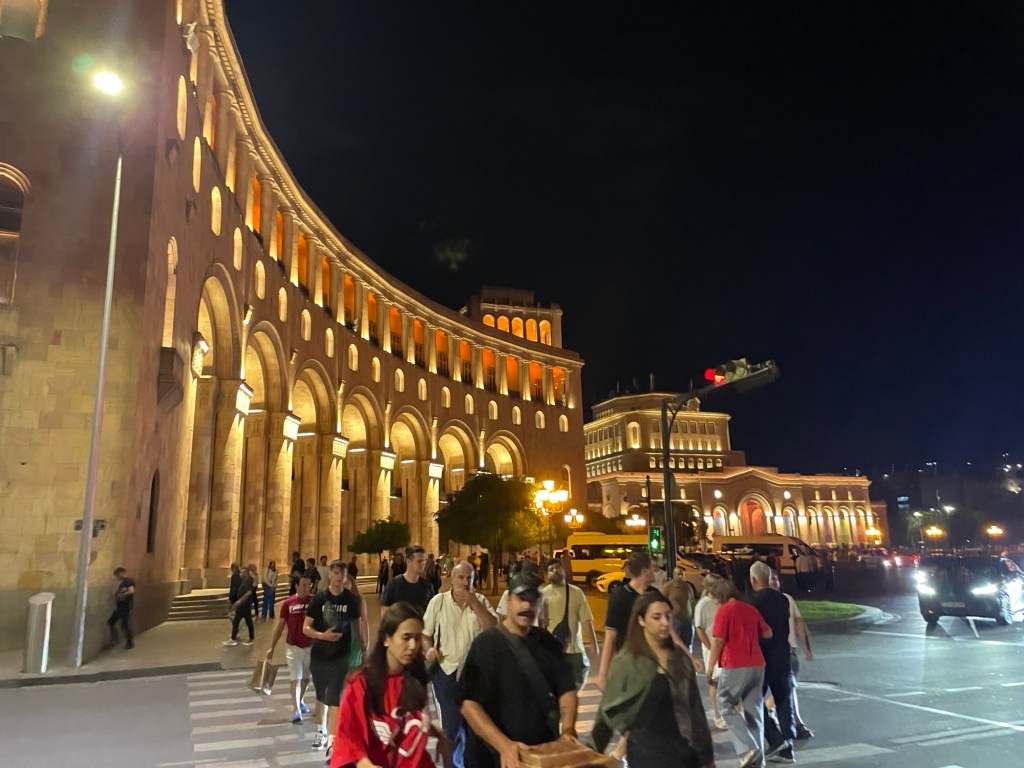
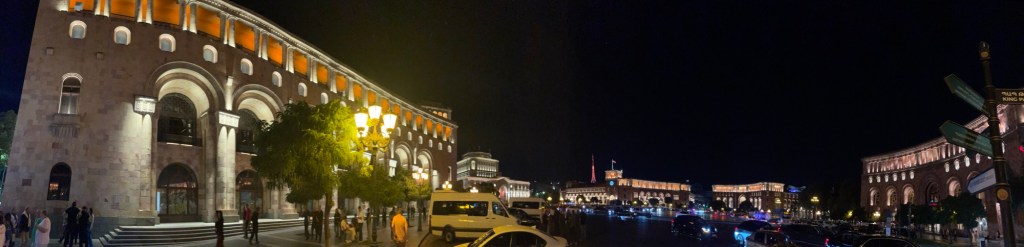
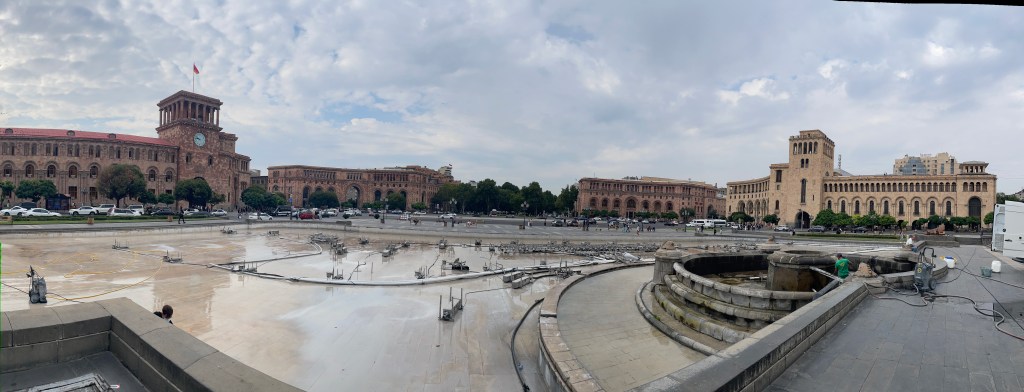
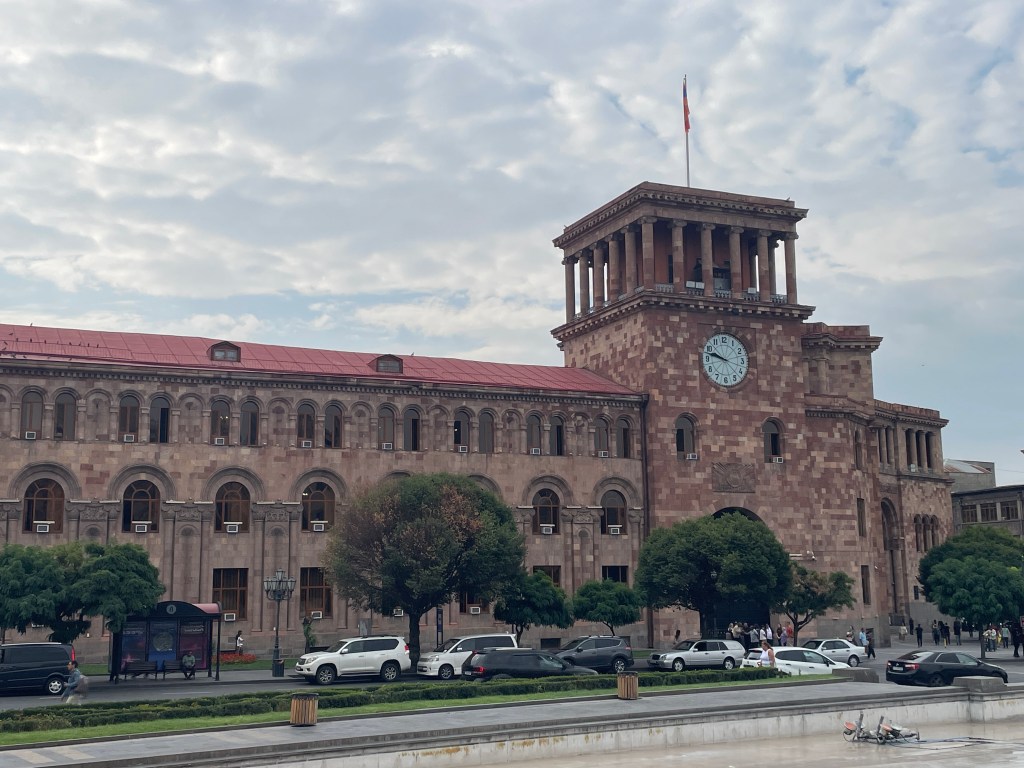
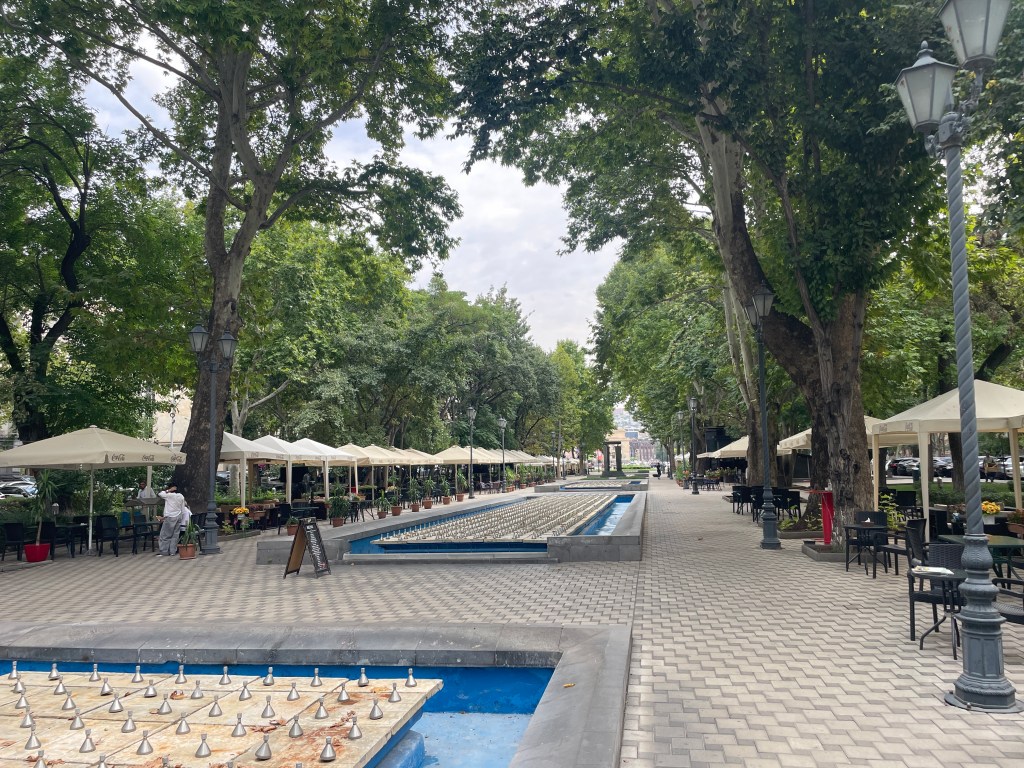
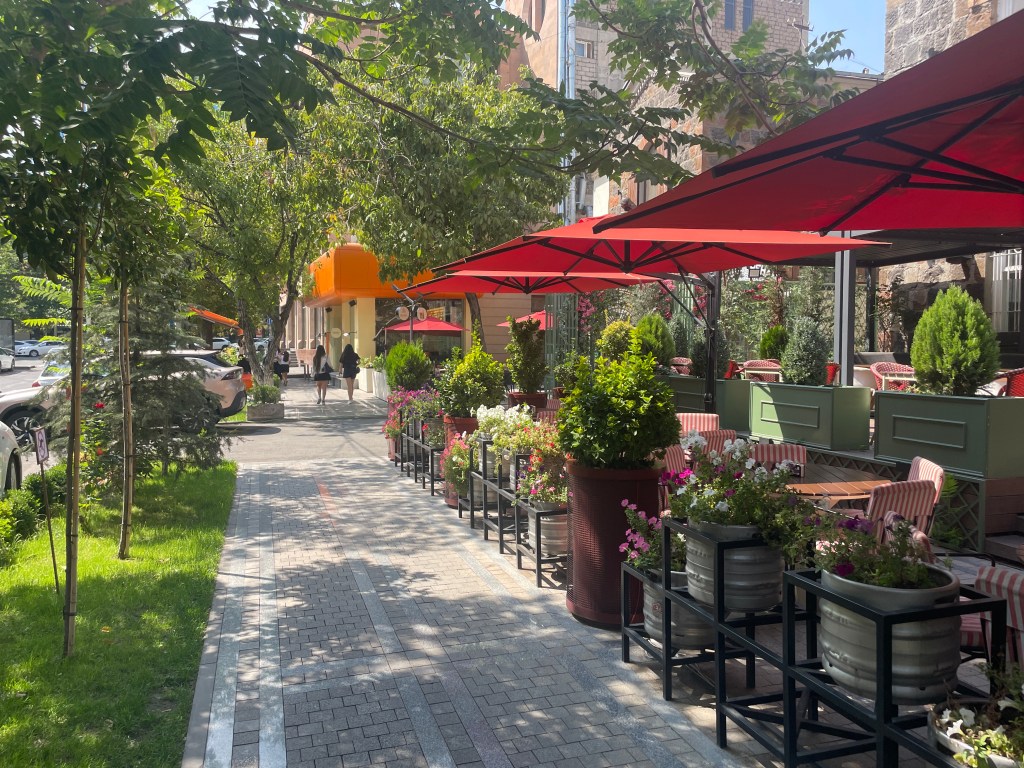
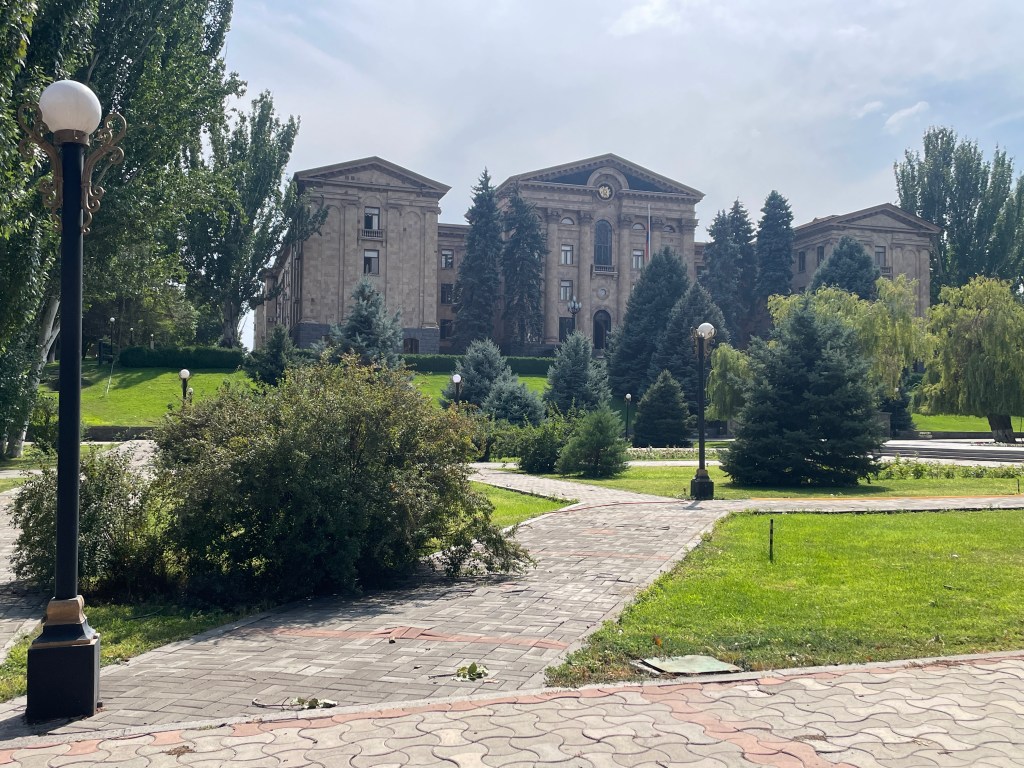
    I did a little detour on my way back to the hotel to catch the atmospere of the Republic Square.

    I am a bit behind with my scribing and in the next days it could get difficult as I will enter the high mountains. But after that, I’ll take the ferry boat to Bulgaria and catching up my reporting will save me from death by boredom. Stay tuned.
  • South Caucasus – Yerevan Day 1

    South Caucasus – Yerevan Day 1

    In the morning, I did not feel 100 %, my lower intestines seemed to have a party, this didn‘t feel good. I took a pair of magic pills – imodium and lyophilised yeast – to command order. I descended to have breakfast and selected the food in line with the rumble in the jungle (oatmeal, banana). However, the onset of the action of the medication took time. In the meantime, I was suffering in the bathroom. I had booked a walking tour through the centre and was more and more convinced I would not make it…the collywobbles did not stop and I had to make a decision….could I make it? And if no, what was the plan B? In the end I went to the meeting point not far away on the Republic Square in front of the National Museum. I met the guide and explained the challenge. No problem, there will be enough toilets on the way. Reassuring.

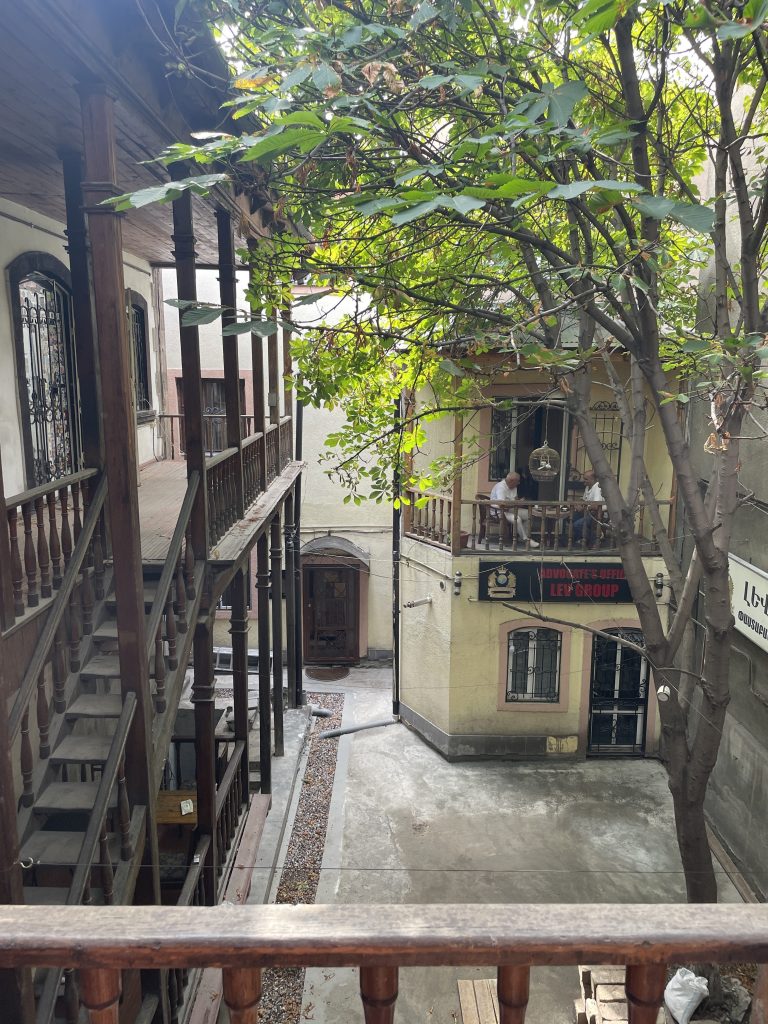
    There was only one more couple from Rome in the group. The walk in the afternoon (I had considered to ask to move my reservation) would have 50 (!) people. Ok, better to suffer a bit. We started the tour crossing the Republic Square (ex ленин/Lenin Square). We passed some modern buildings until we went to a patio where same old façade of the past had survived modernisation.

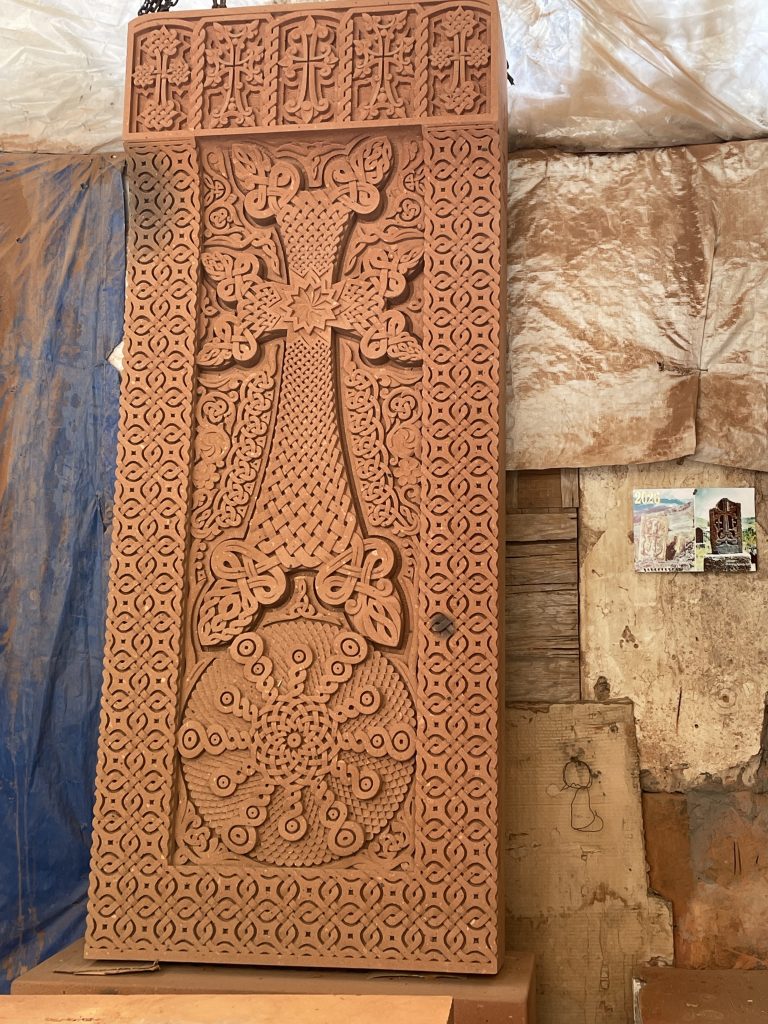
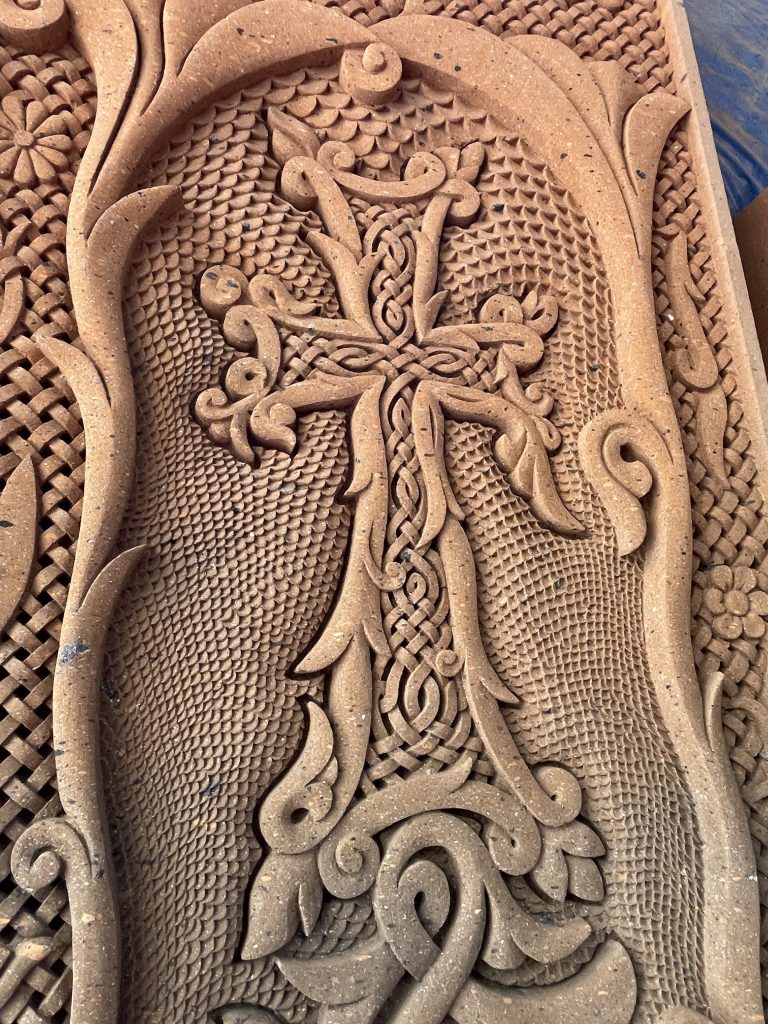
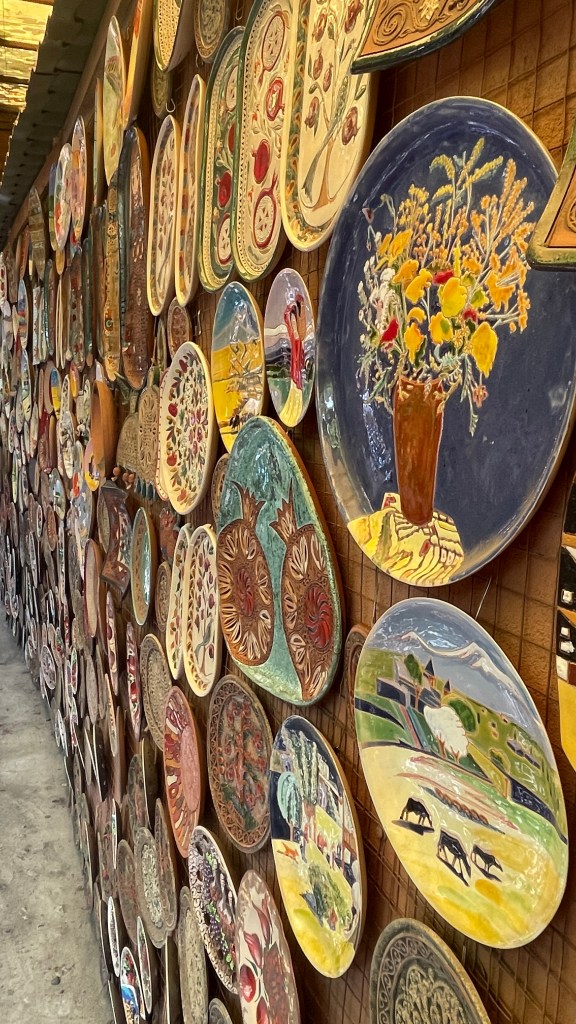
    Then we visited some other grewn patios with art studios with jewelery or ceramics. This was not the usual tourist tat, but artisenal stuff. The carved stone slabs are impressive, it takes many months to fabricate them. We passed the Vernissage, a large open-air market where in addition to carved wood and art works, traditional carpets, old collections of coins and medallions, books, jewellery, musical instruments, electronics and even pets are found in the market.

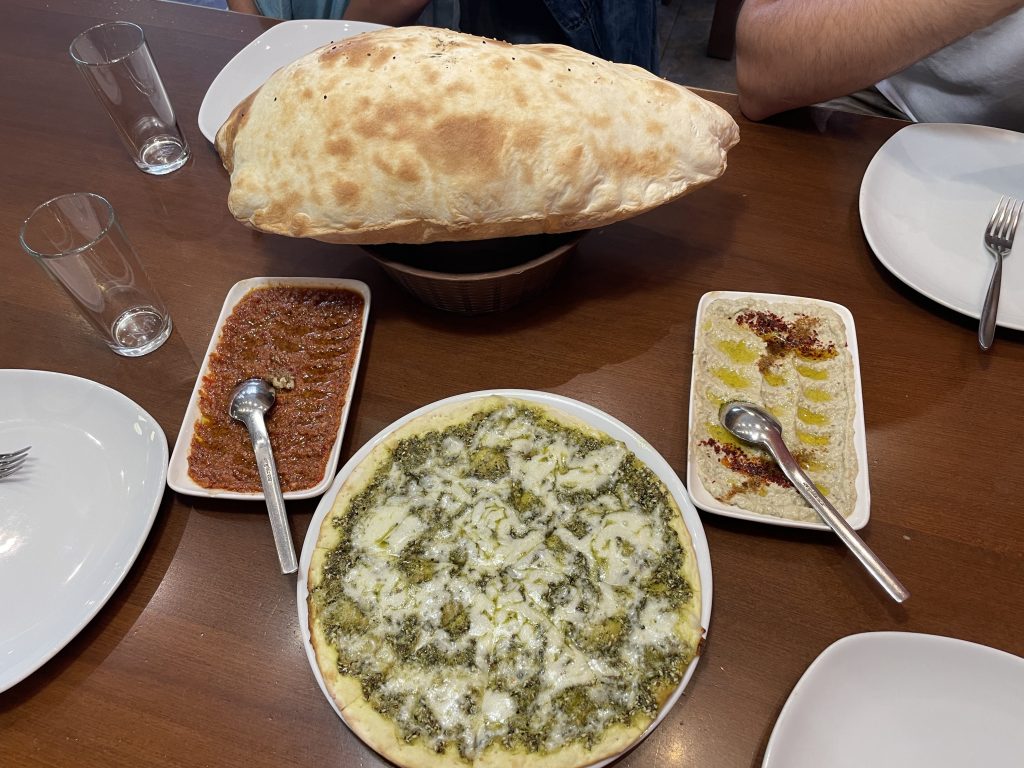
    Then we had a stop at a bar for lunch, fresh bread with Muhammara and Baba Ganoush, Lahmacun and another dish. Apparently, this type of Meze is also very popular here, apparently, the root of the word ‚Baba Ganoush‘ is Armenian.

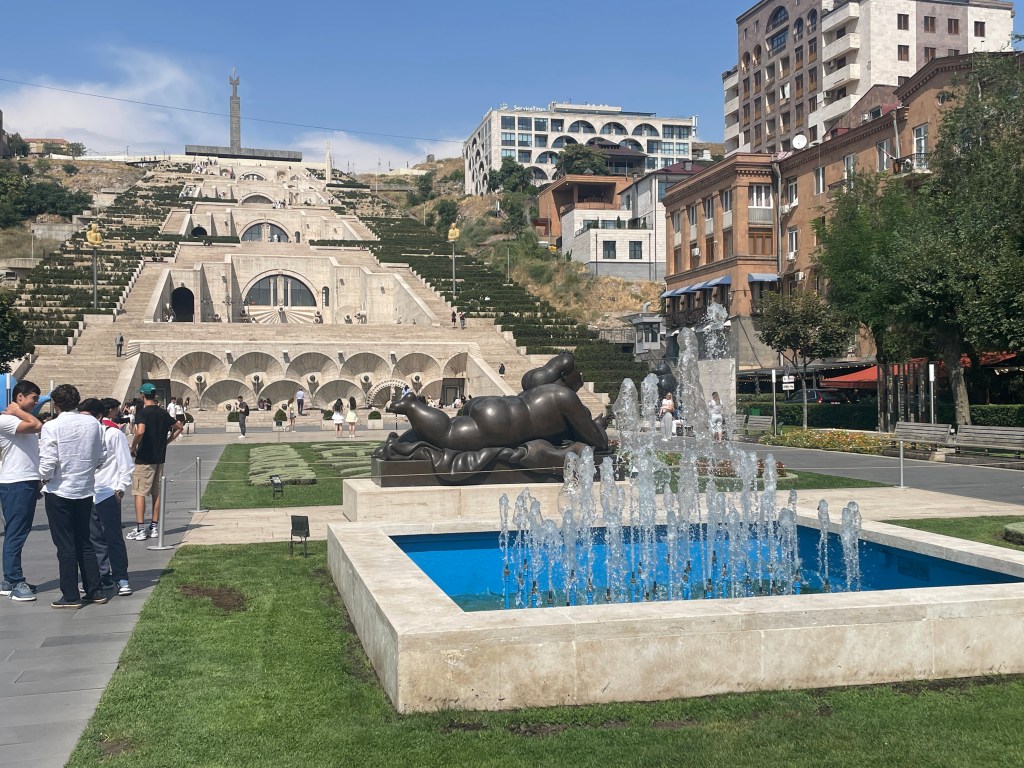
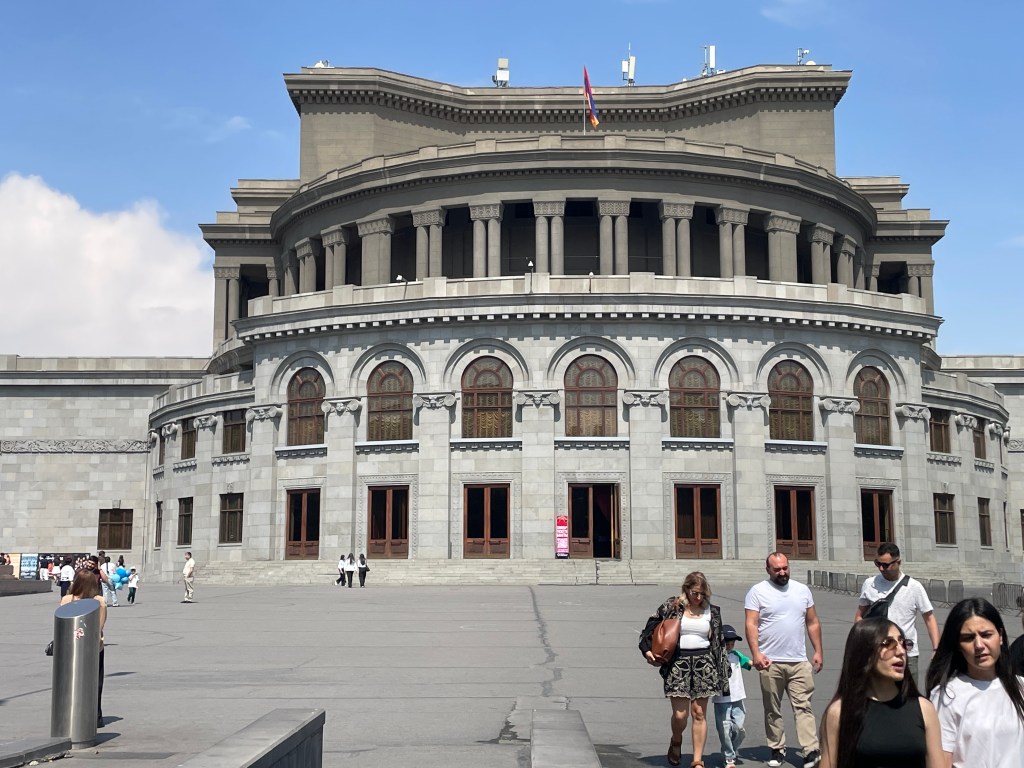
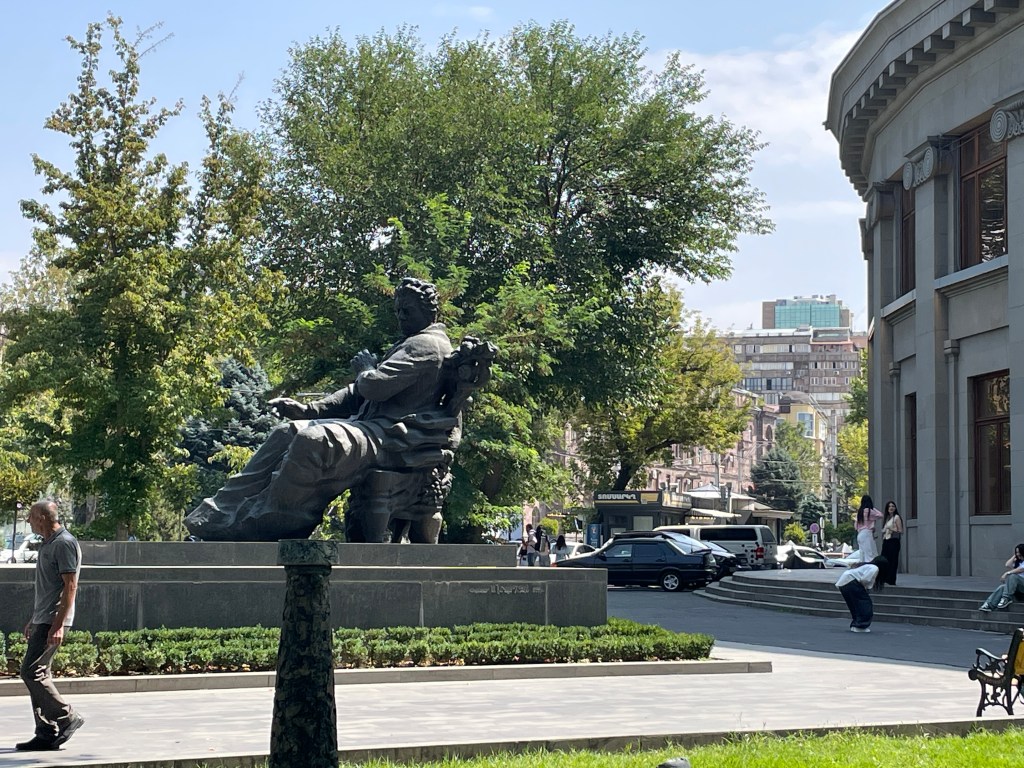
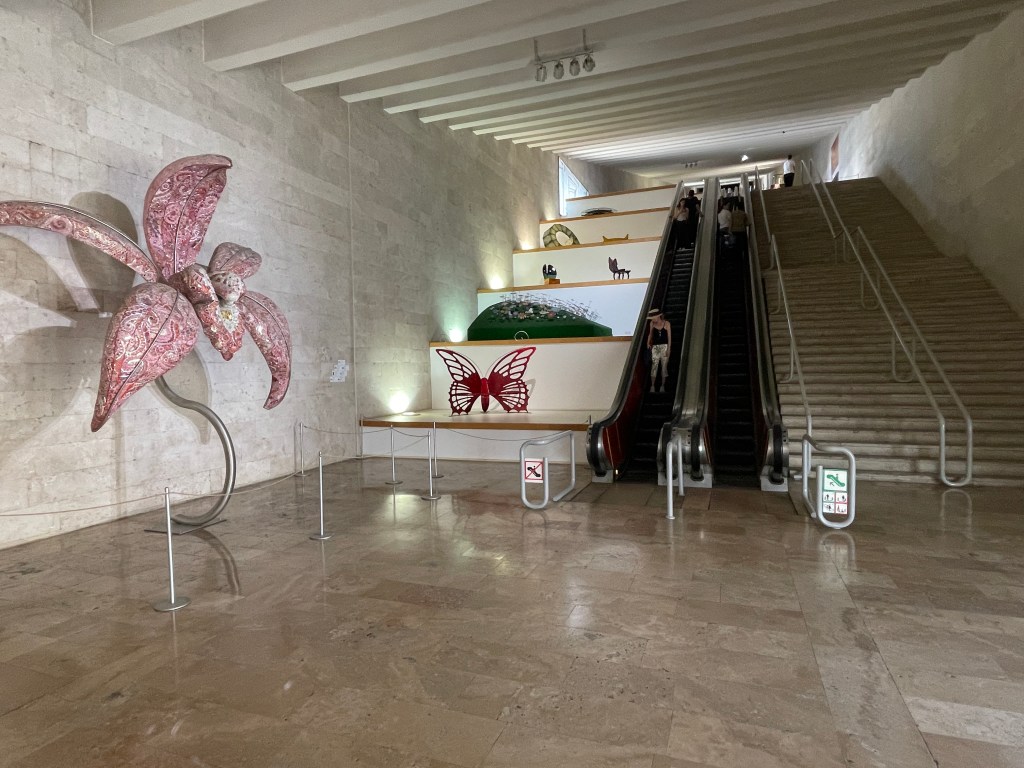
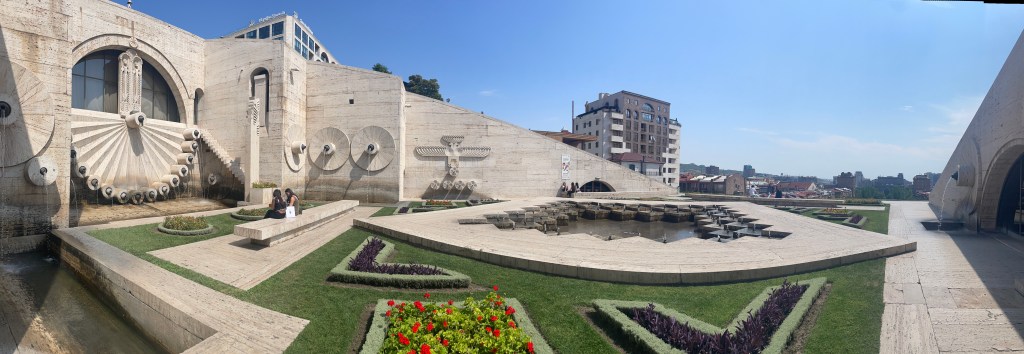
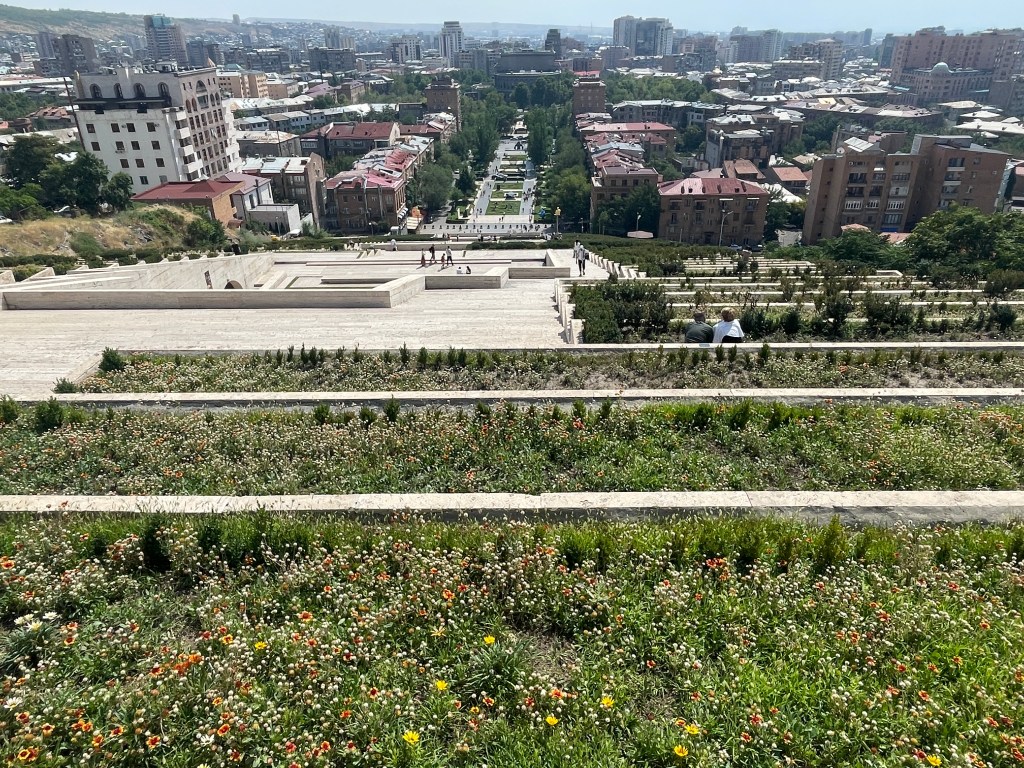
    We passed the large concert hall with a statue of the famous composer Aram Khachaturian (Sabre Dance). And then we arrived at the Cascade: The Cascade is an architectural and monumental complex that consists of a multi-level staircase structure with terraces, fountains, sculptures, and exhibition halls. End of the tour; not as good as the previous ones, but ok.

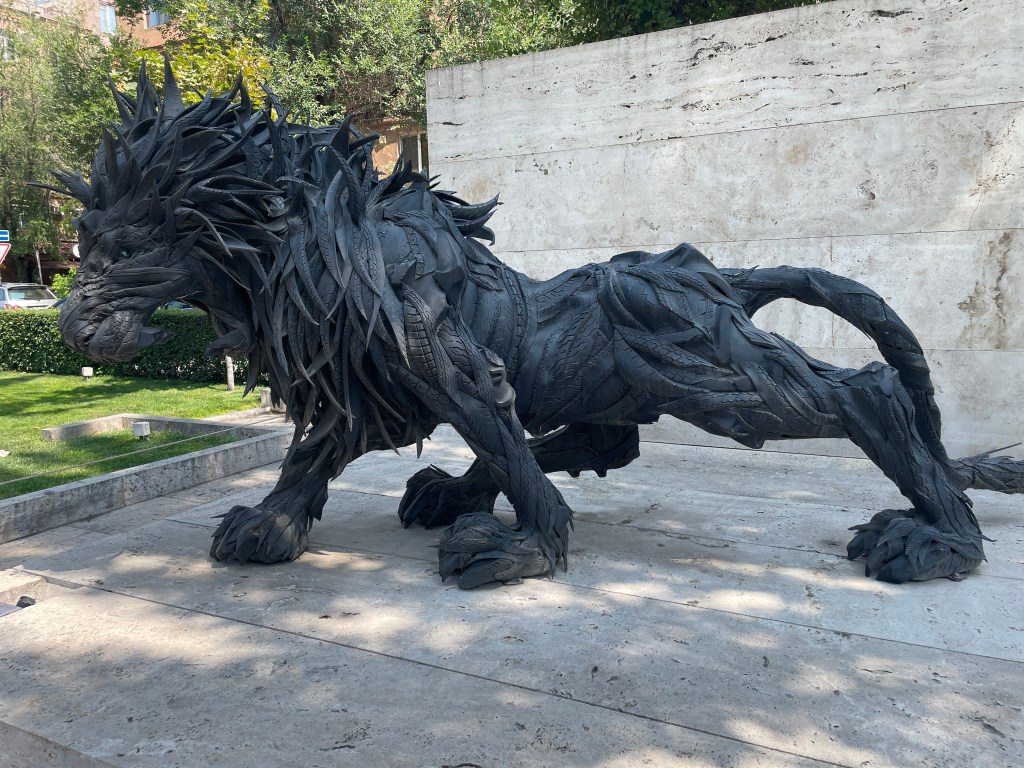
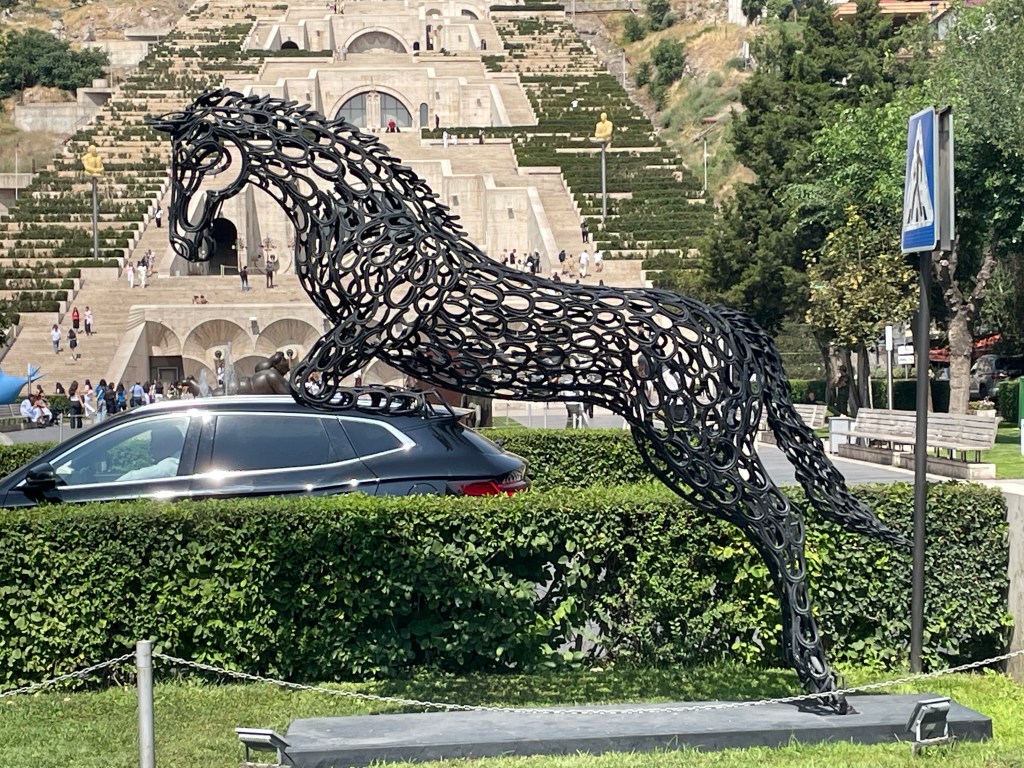
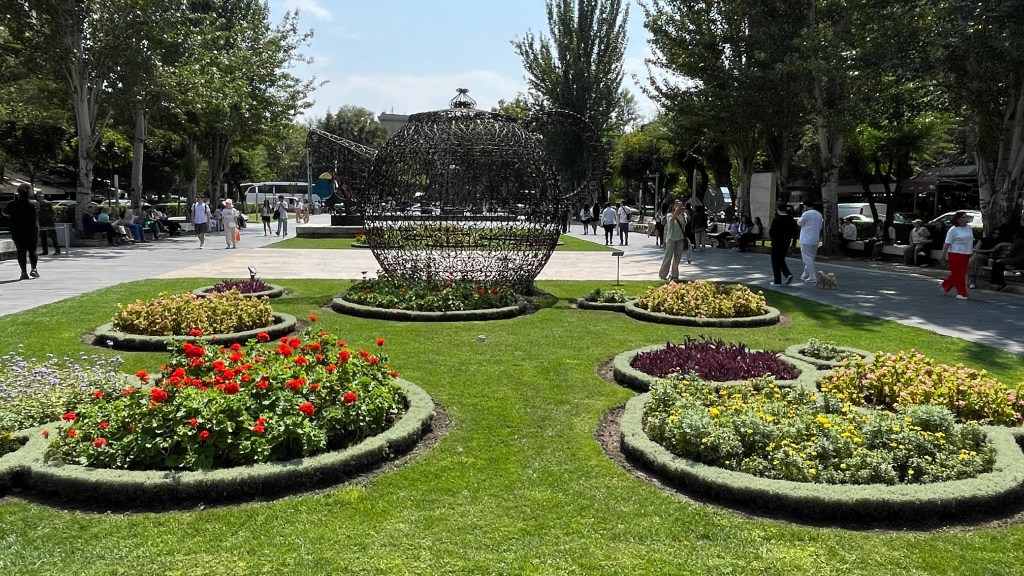
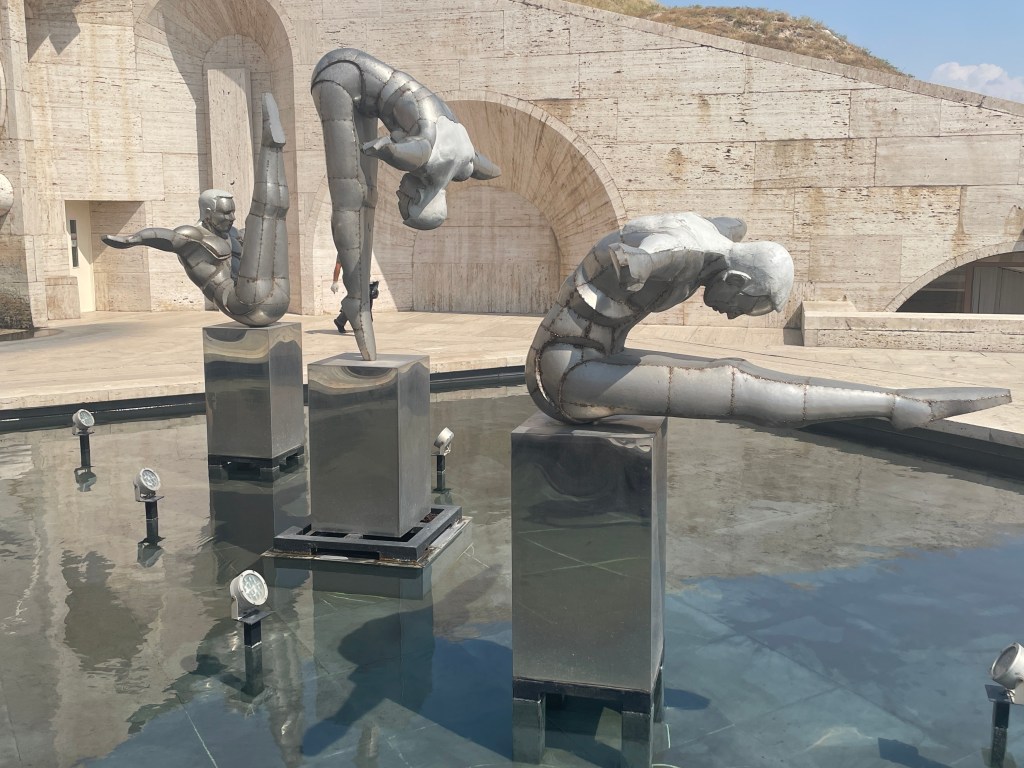
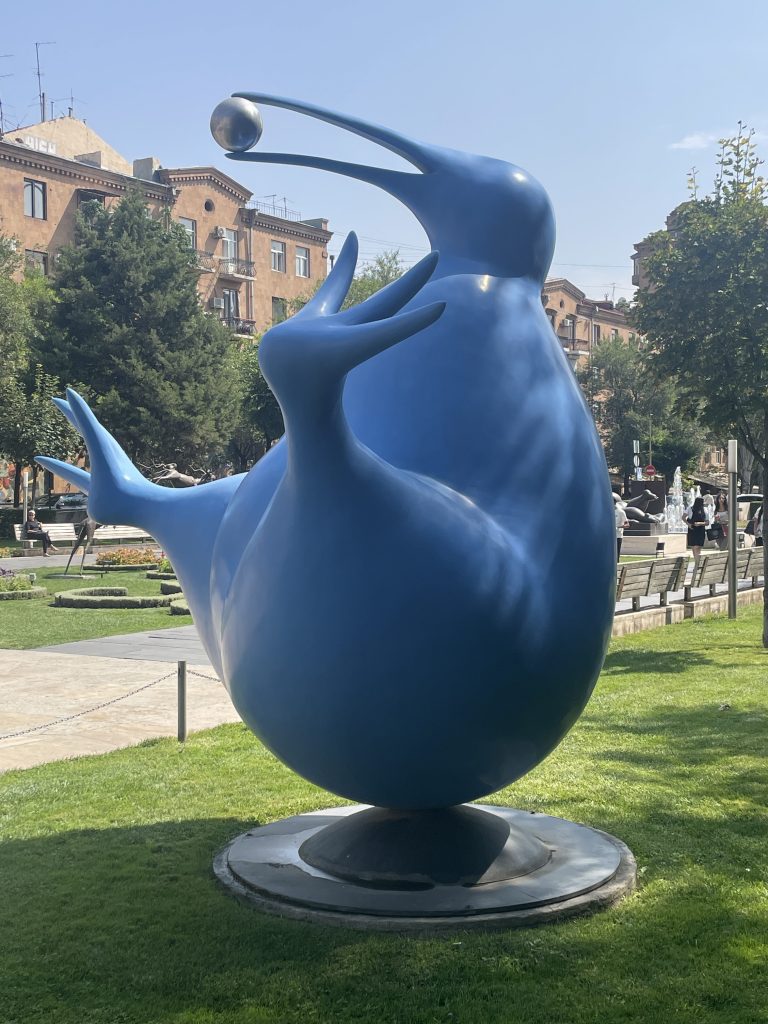
    On the park in front, many sculptures are located. The building itself houses the Cafesjian Museum of Art, with exhibition halls where permanent and temporary exhibitions are held.

    I took the rolling to the various level and to the top. It took a long time to build it and was only finished some years ago. Beautiful, and the exposed sculptures are also quite worth visiting.

    I wanted to take the famous metro back to Republic Square so I walked a while, crossing the splendid Lover‘s Park, but neither the metro stations nor the wagons were special apart from the very shaky ride. Probably I was in the wrong place in the wrong car.

    I wanted to buy some Armenian brandy and walked to an exquisite wine&spirits shop where I acquired some of the better ‘Cognacs’ of the Ararat brand. After that, I walked to the hotel where I had a break and was writing on the previous post. When I had recovered, I visited the gym in the basement of the hotel. It was quite populated and the equipment quite shitty, but with some improvisation, it did the trick.

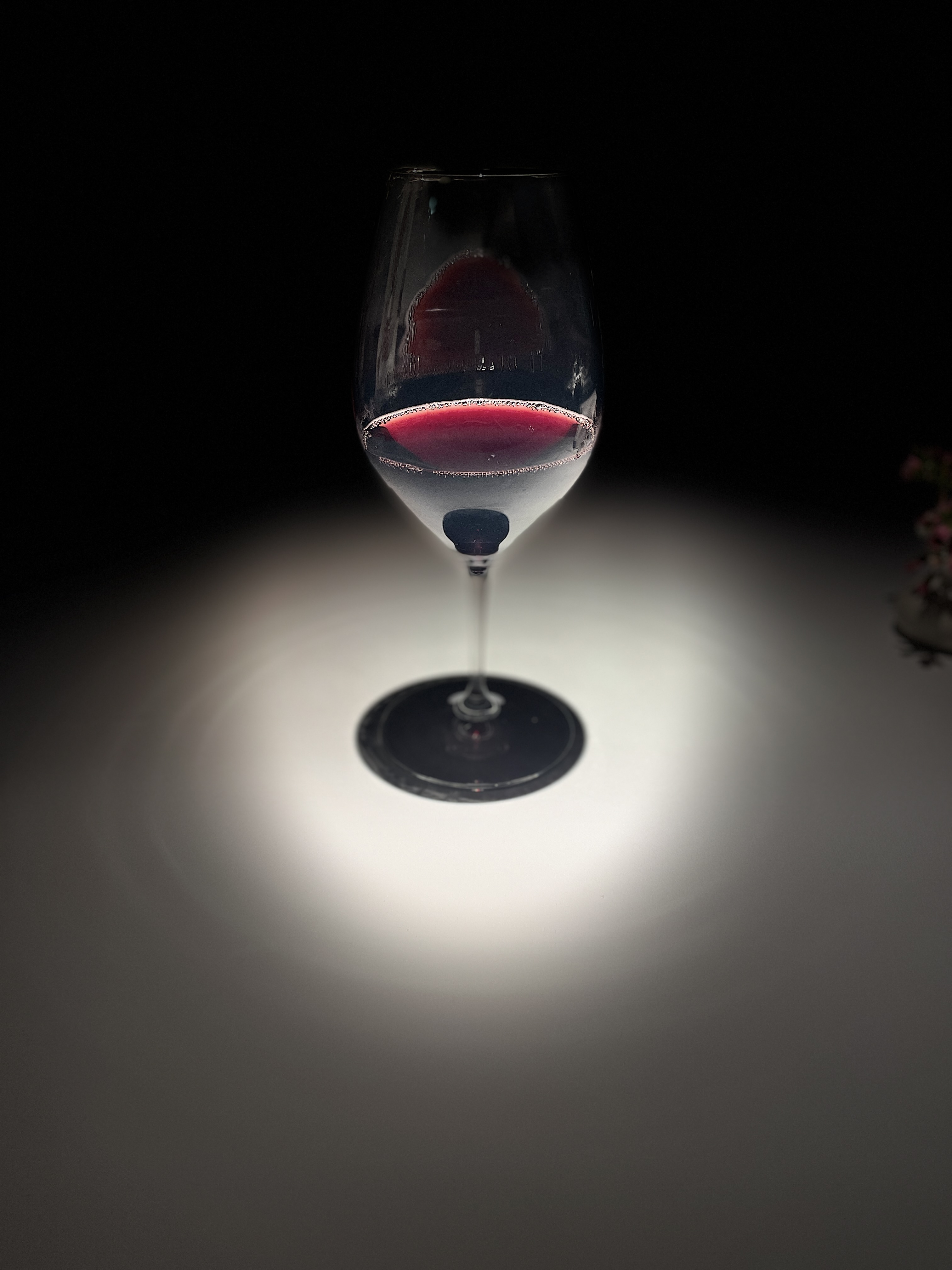
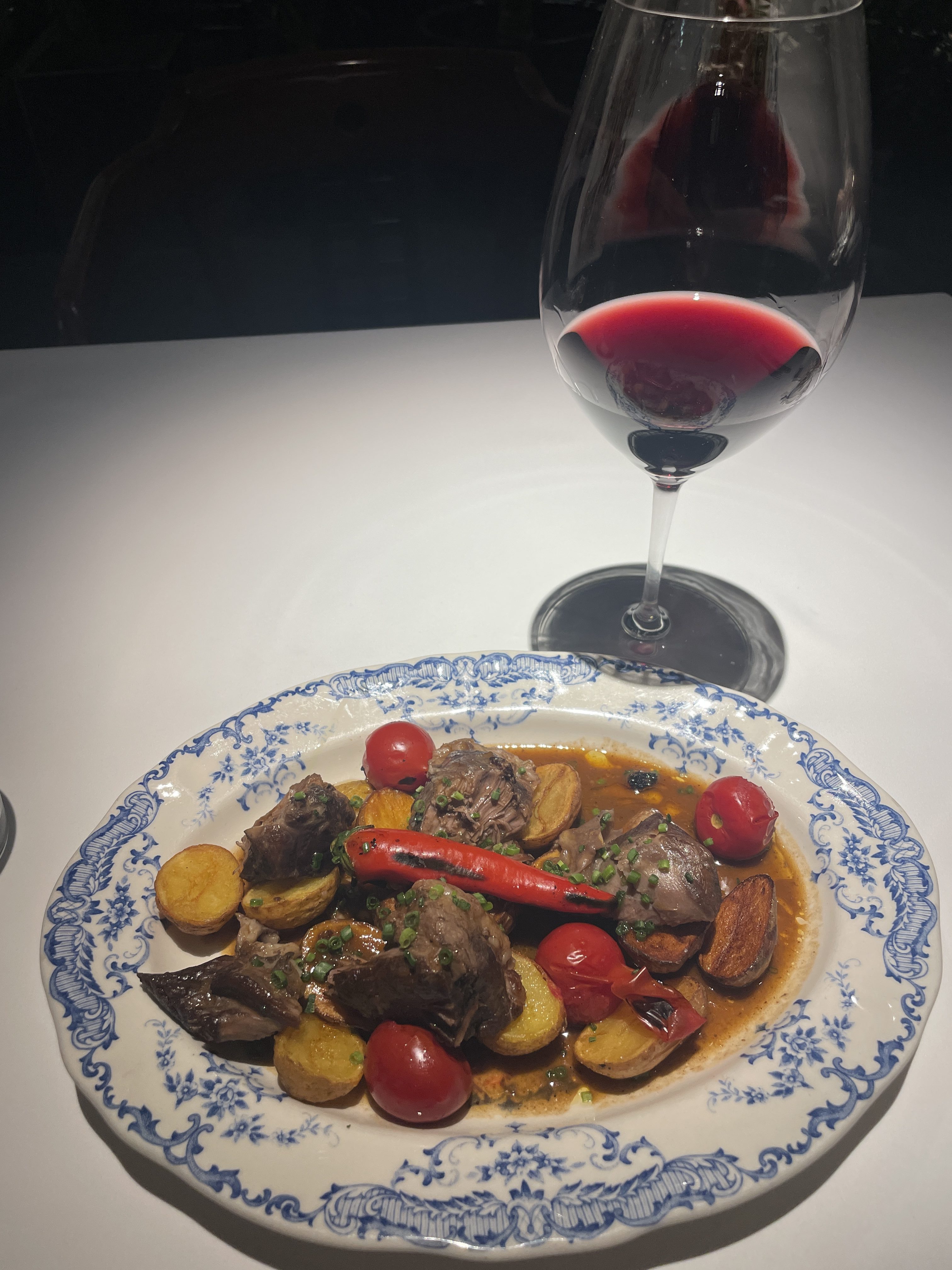
    I chose a nearby wine bar for dinner and a good glass or two. The waiter was very friendly and recommended to different glasses of local reds of very good quality. The slow-cooked lamb was soft and juicy and as I felt peckish after the workout, I sent a ‘best cheesecake of the world’ after the lamb. And then I studied the menu again. Why not try the brandy Nairi I had purchased today? And it was delicious, really good quality. A very nice end to the day.

  • South Caucasus – Tbilisi to Yerevan

    South Caucasus – Tbilisi to Yerevan

    This time, I simply skipped the breakfast. The Khinkali from yesterday were still bothering my stomach and the high histamine in the wine gave me some nice headache. I packed my belongings, saddled up and left Tbilisi before 9 a.m. It was cloudy with some occasional spat of rain. I took the direct route to the Armenian border. In Sadakhlo, I filled up, a bit early, but I would have peace of mind for the rest of the day.. I also topped up the motor and chain lube oil. It was not far anymore to the border. The Georgian side was as bland as ever. The Armenian passport control officer seemed to have more life in him and when I was stopped at the Armenian customs check, I couldn’t believe my ears: ‘good morning!’ Did the customs officer just greet me? His colleague even started a conversation with me, asking me what ‘do you have anything to declare?’ is called in German. He had studied some German, he proudly announced. After opening the tank bag and the panniers, one officer told me to see another officer in the building. The colleague there worked on my file and told me friendly (friendly!) to pay the custom fees at the bank counter. I tried to extract some money from the ATM, but I would not get more than 5000 Dari (12 Euro). Enough to pay the fee though. In the meantime the customer officer had changed and was replaced by a supermodel, well, at least she was heavily painted like one. She detected an error of the bank clerk and instructed him to fix it. I was already waiting for 25 minutes…answering questions, but at least the exchange was polite. Finally I was good to go.

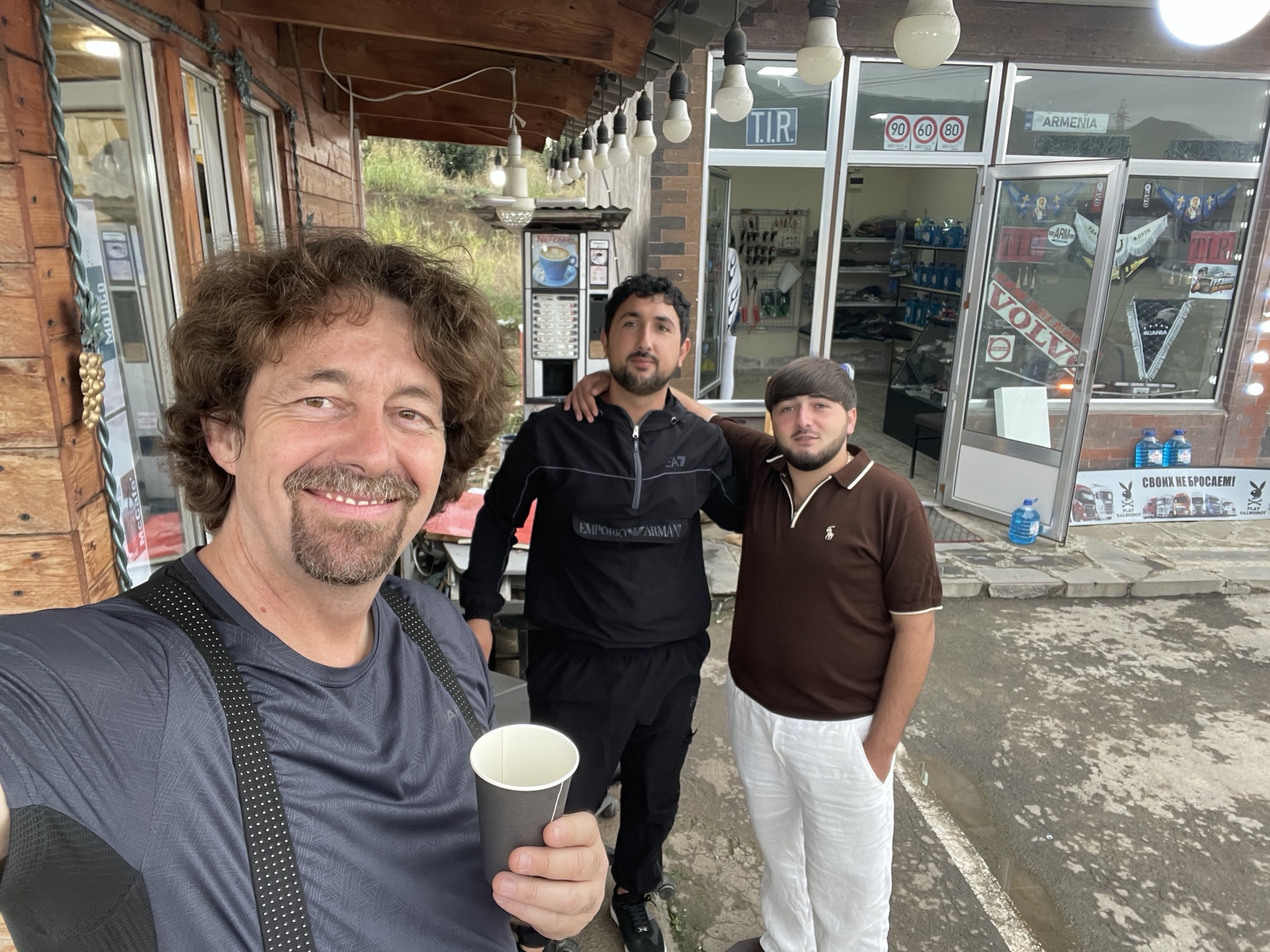
    At the exit a young guy approached me, if I needed an insurance. I could ride without one, but the fine would be 2500 Euro. Yes, I did. We entered his office and he filled in the paper. I could pay in Euro with a correct exchange rate. Outside the office, I got invited for a tea by its owner; the friendly insurance guy and another lad started a conversation and the stand owner gave me also a local apricot and some grapes, the signatory fruit of Armenia. Tasty. The weather was cloudy with some occasional drizzle. I took it easy and was happy that I ‘only’ chose to ride to Yerevan today. Under different conditions in Europe, you would be tempted to plan longer days, but I’m not on a rally, but I want to soak up the essence of a country. So when I have the opportunity to chat with locals and I am invited, I take my time.

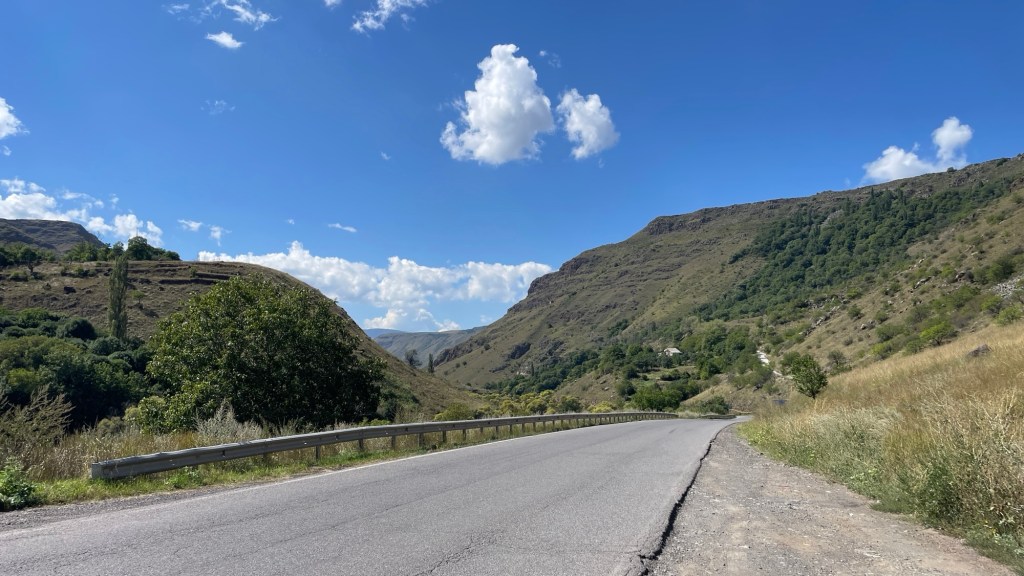
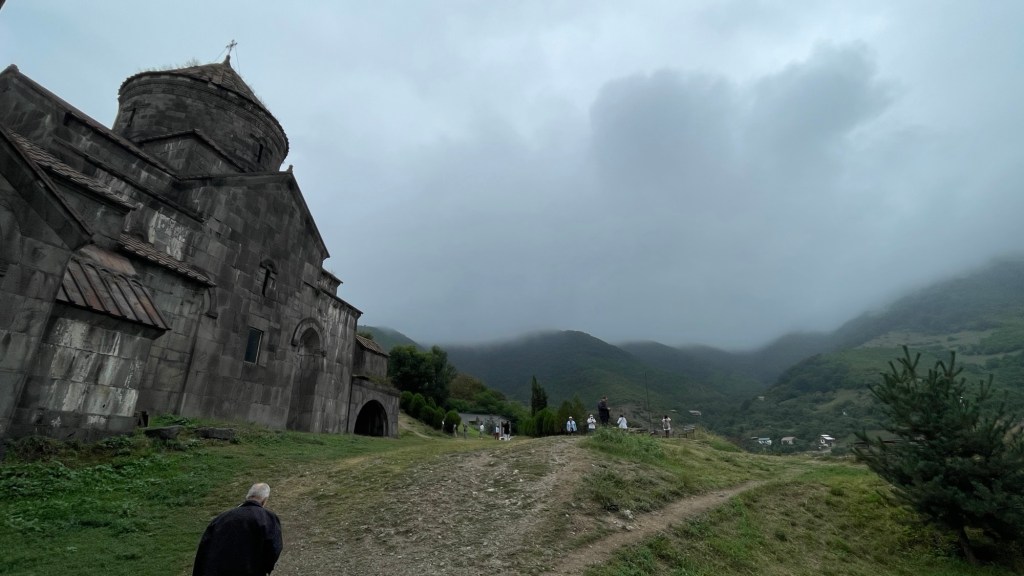
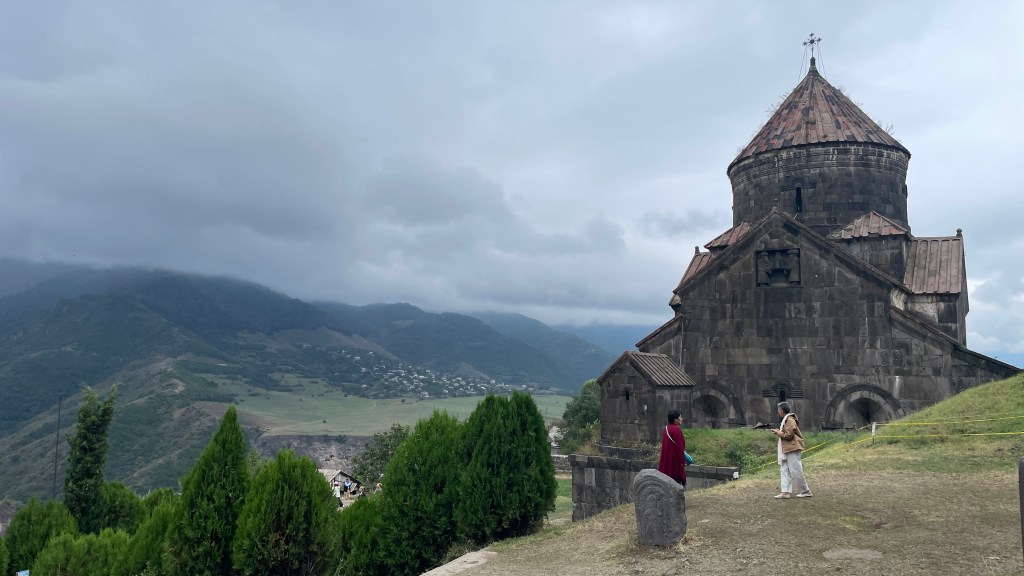
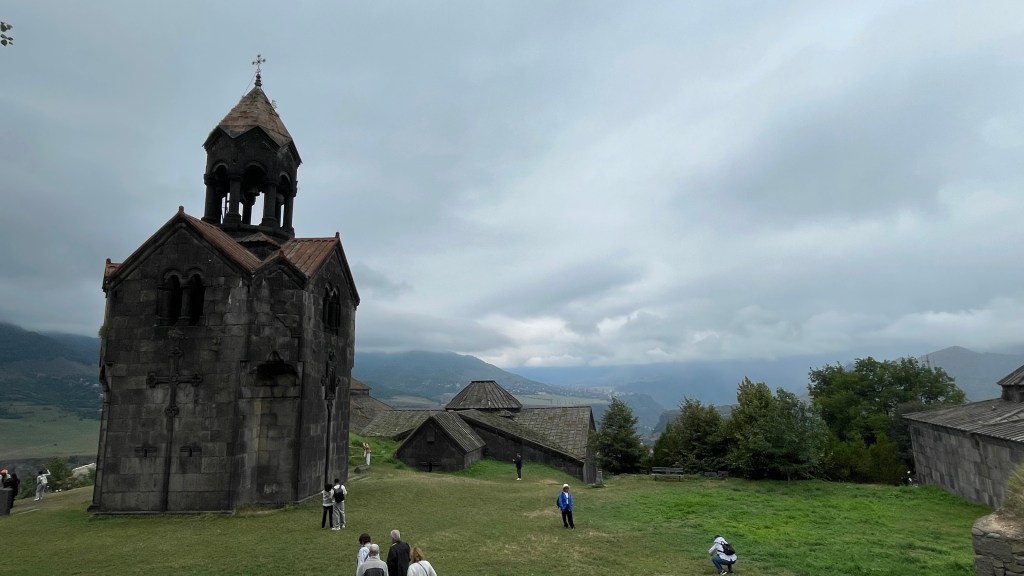
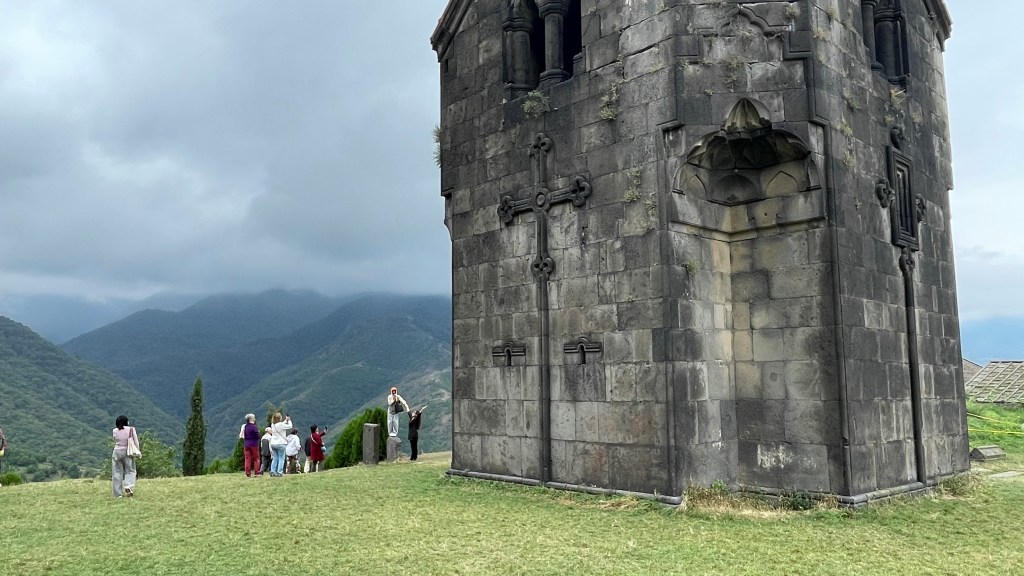
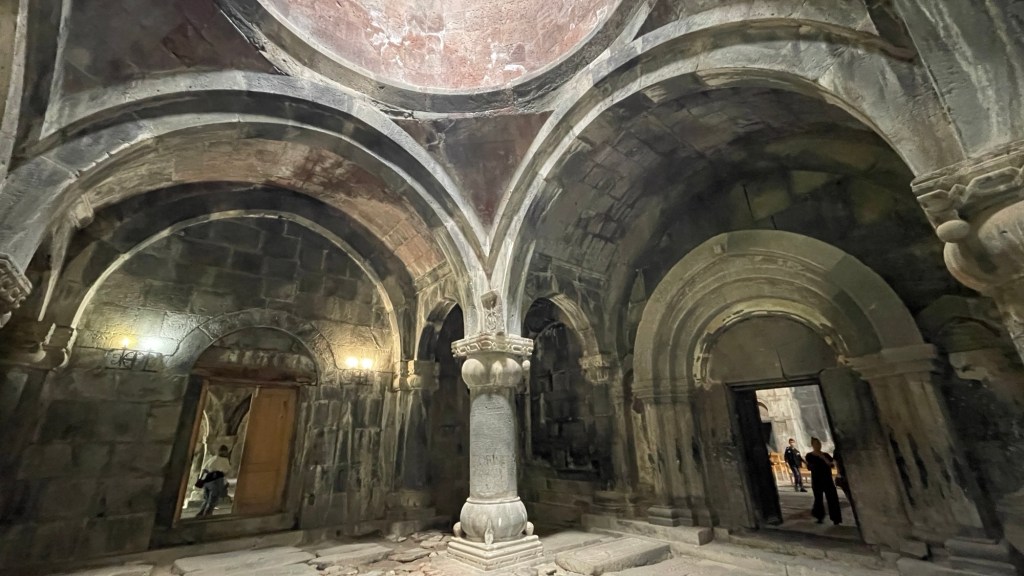
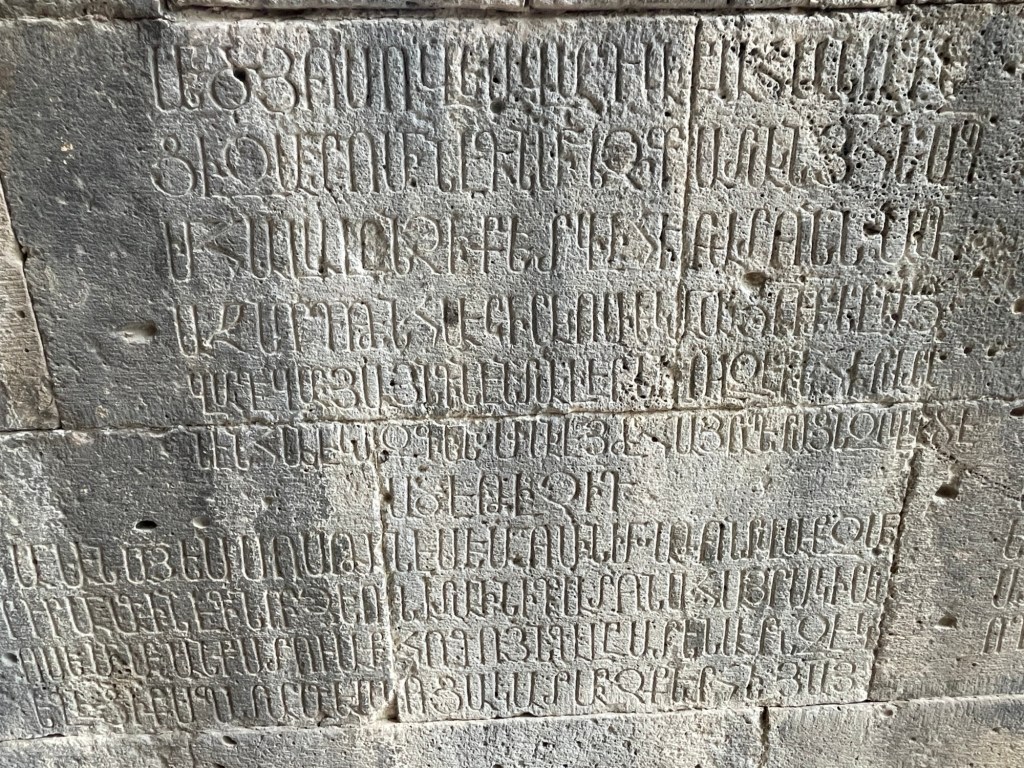
    After a while, I said goodbye and moved on. First, the villages seemed equally poor than on the Georgian side, but this changed the closer I got to the capital. The roads in Armenia were mostly excellent, this was a smooth riding. This was also facilitated by the tightened swing arm axle, the bike was more stable and the metallic singing of the brake disc, that I had attributed to some incompatible braking pads, was gone. This meant that the wheels had not been properly aligned. So this was better now. The smooth tarmac allowed a smooth riding style. Nice. After half an hour, I arrived at the monastery of Haghpat, enlisted as UNESCO patrimony. Also known as Haghpatavank, it  is a medieval Armenian monastery  built between the 10th and 13th century.
    The monasteries at Haghpat and Sanahin were chosen as UNESCO World Heritage Sites because: the two monastic complexes represent the highest flowering of Armenian religious architecture, whose unique style developed from a blending of elements of Byzantine ecclesiastical architecture and the traditional vernacular architecture of the Caucasian region.

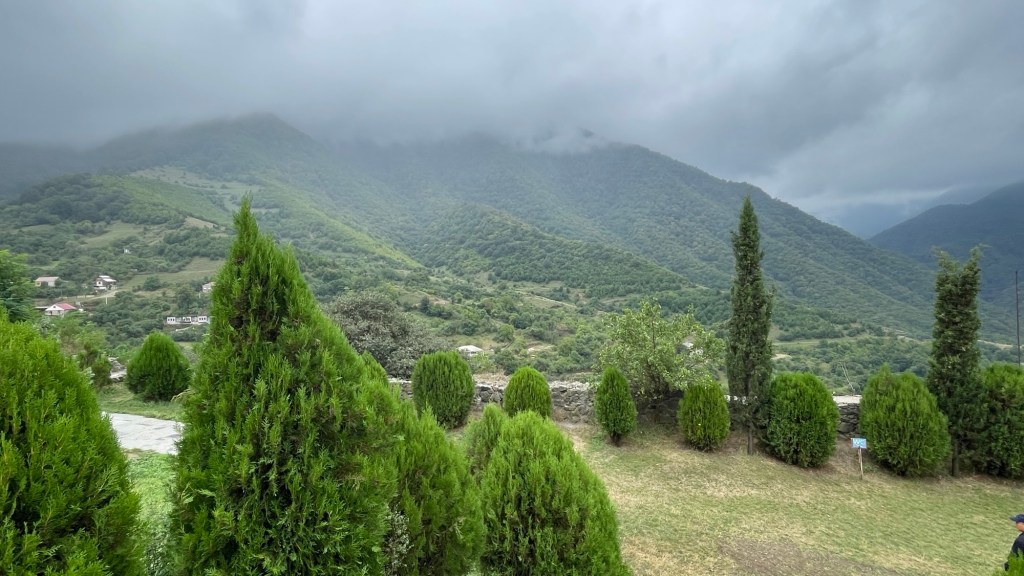
    The location is really stunning, although the mountain tops were in clouds. Or maybe because.

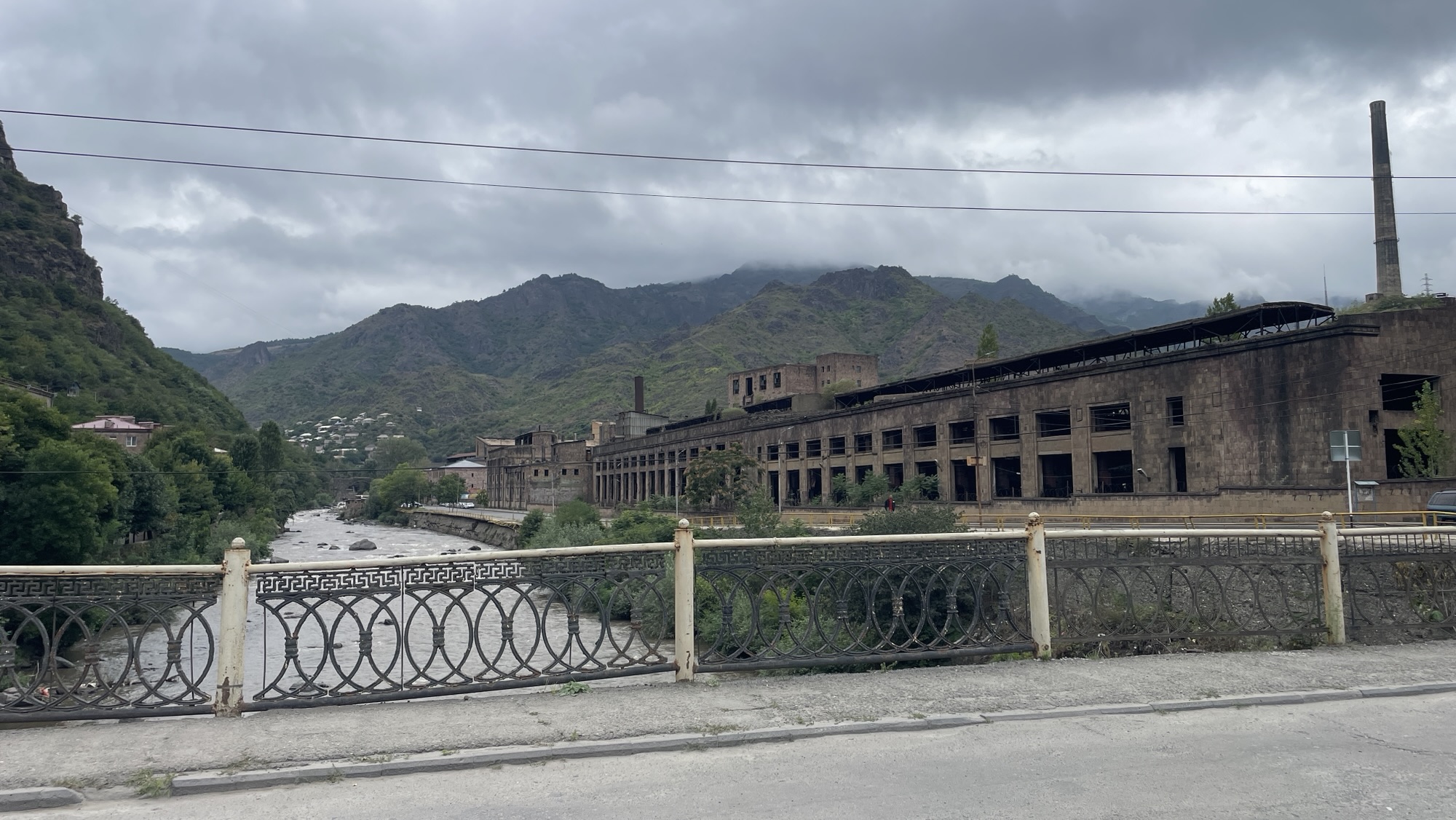
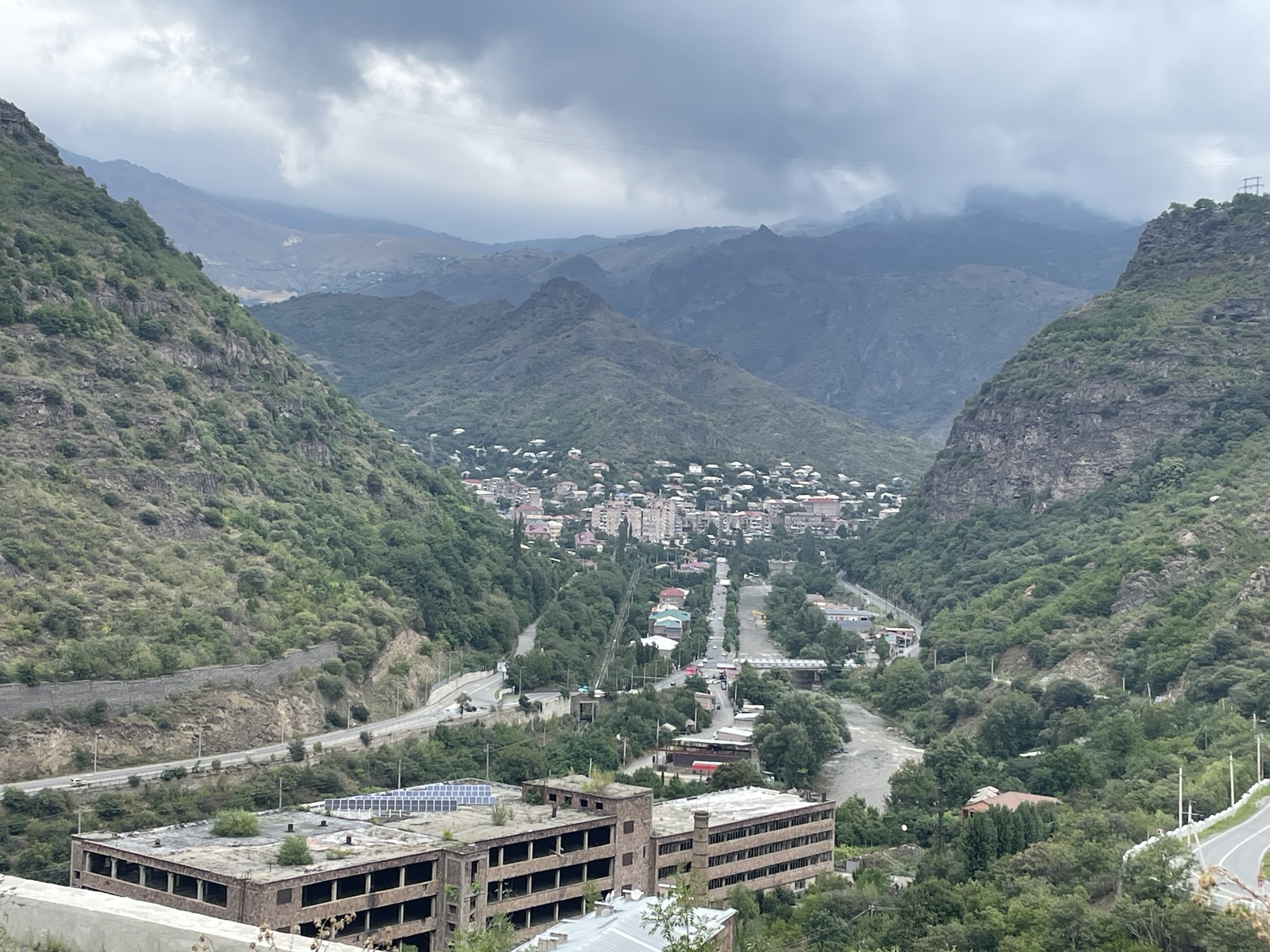
    I still had not had any luck to find a bank to extract some Armenian cash, so my bets were on Alaverdi, the next town. Indeed, there were some ATMs, but before that, I crossed the outskirts what looked like a place from the post-Soviet time that remained completely untouched.
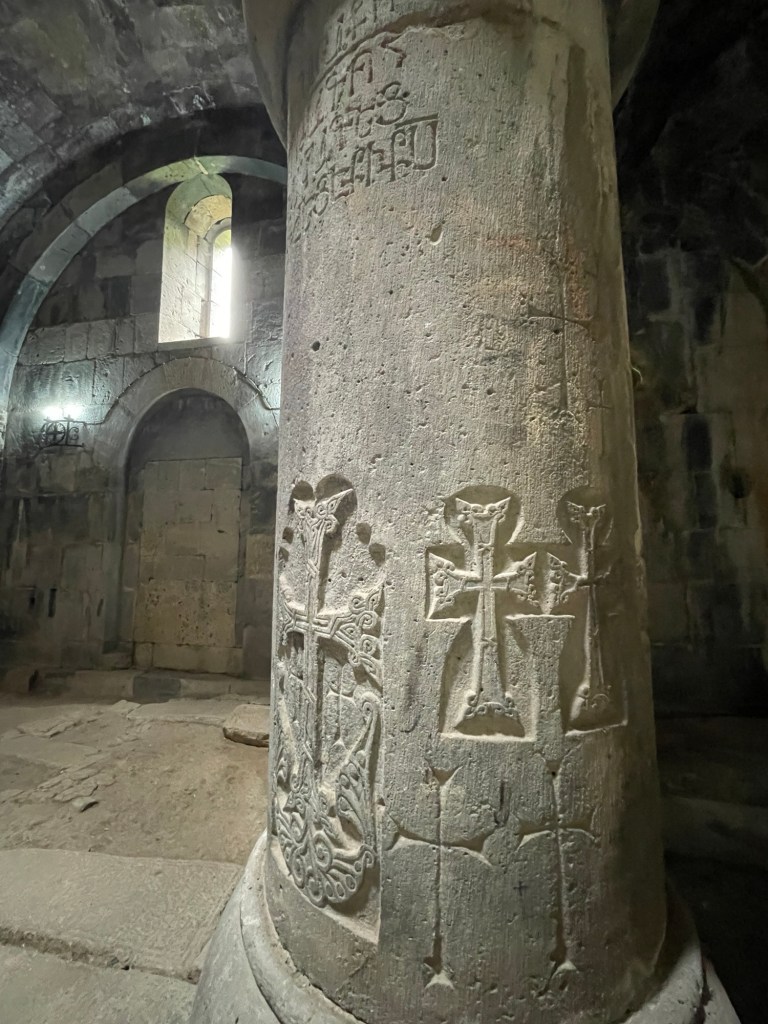
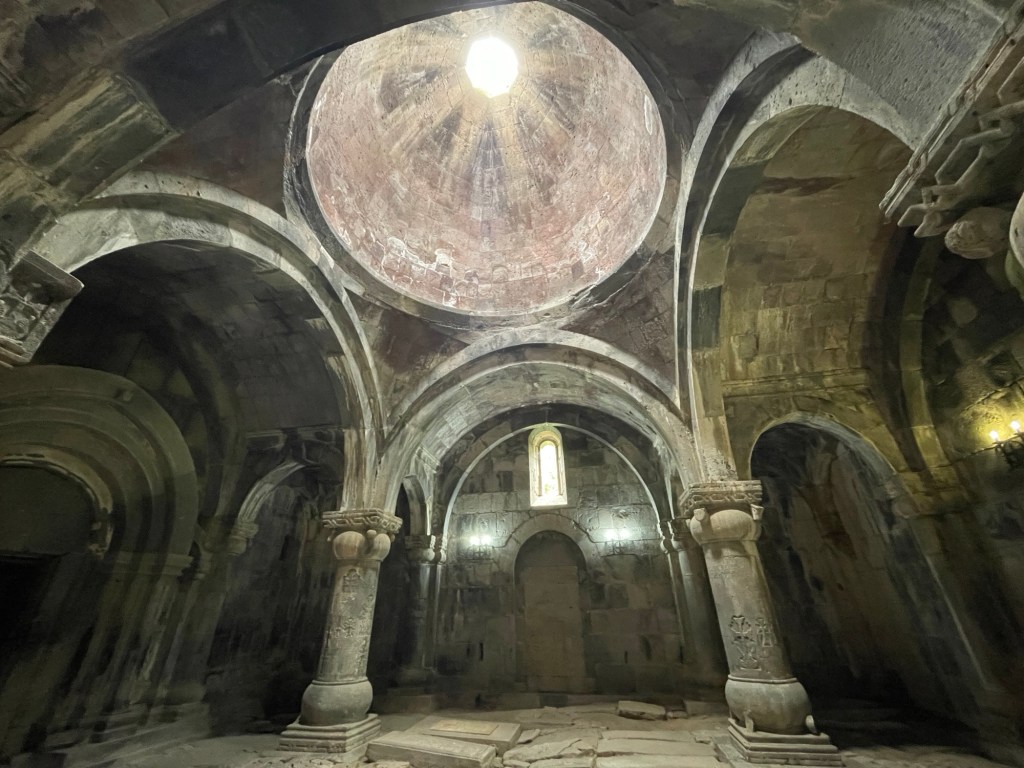
    I finally found a ATM that could quench my thirst for Armenian banknotes. Close to the town, a twisty road lead up the mountain to the village of Sanahin. There, a church complex from the 10th century. The name Sanahin literally translates from Armenian as ‘this one is older than that one’, presumably representing a claim to being an older monastery than the neighbouring Haghpat Monastery, with which it forms a UNESCO World Heritage Site. The two villages and their monasteries are similar in many ways, and lie in plain view of each other on a dissected plateau formation, separated by a deep crack formed by a small river flowing into the Debed river. Here, the location is less spectacular, but it is the atmosphere in the interior that sticks out.

    Again, most of the tourists were Chinese groups. And some occasional French. Also here, the way to the complex was flanked by souvenir stands.

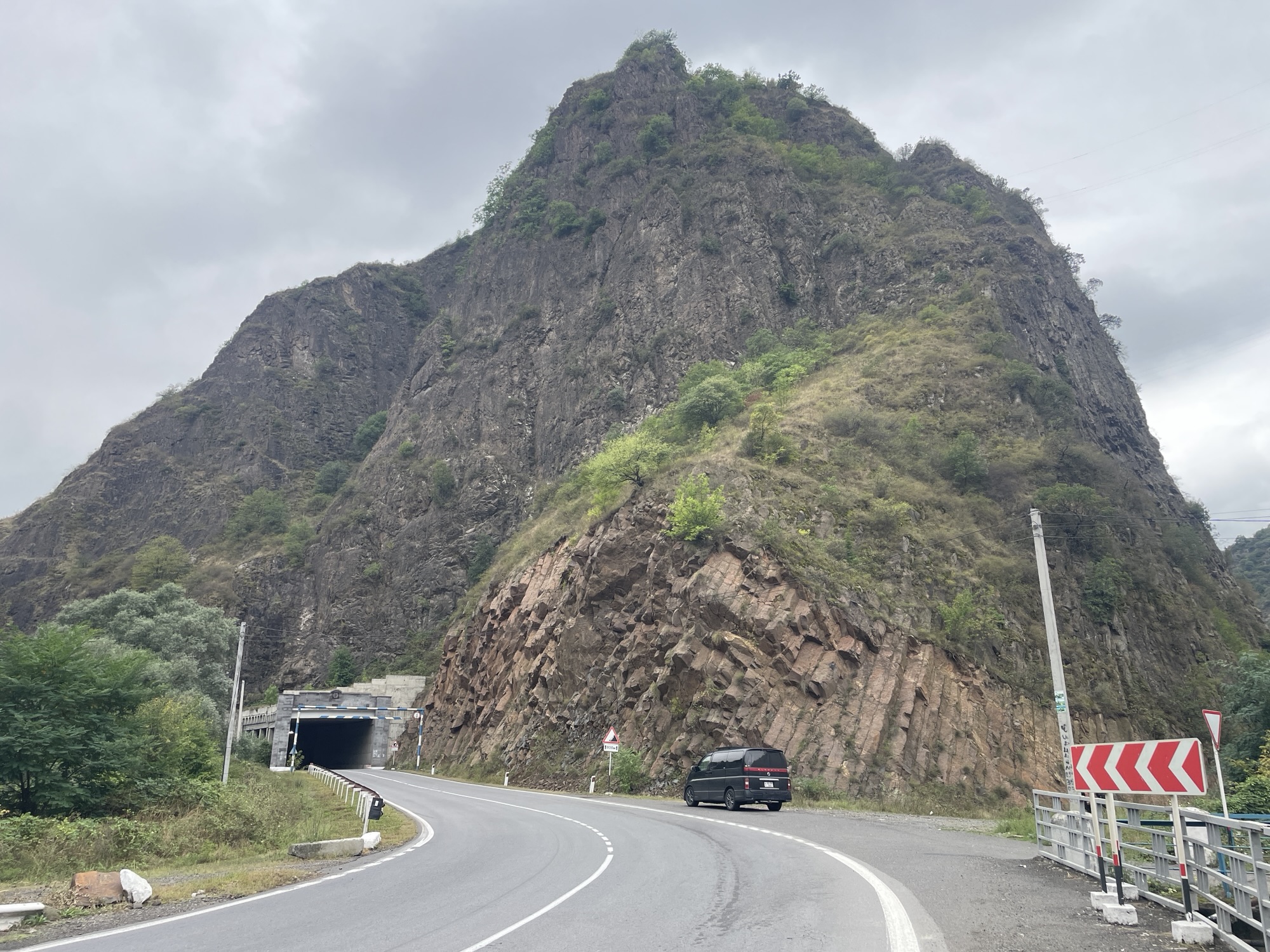
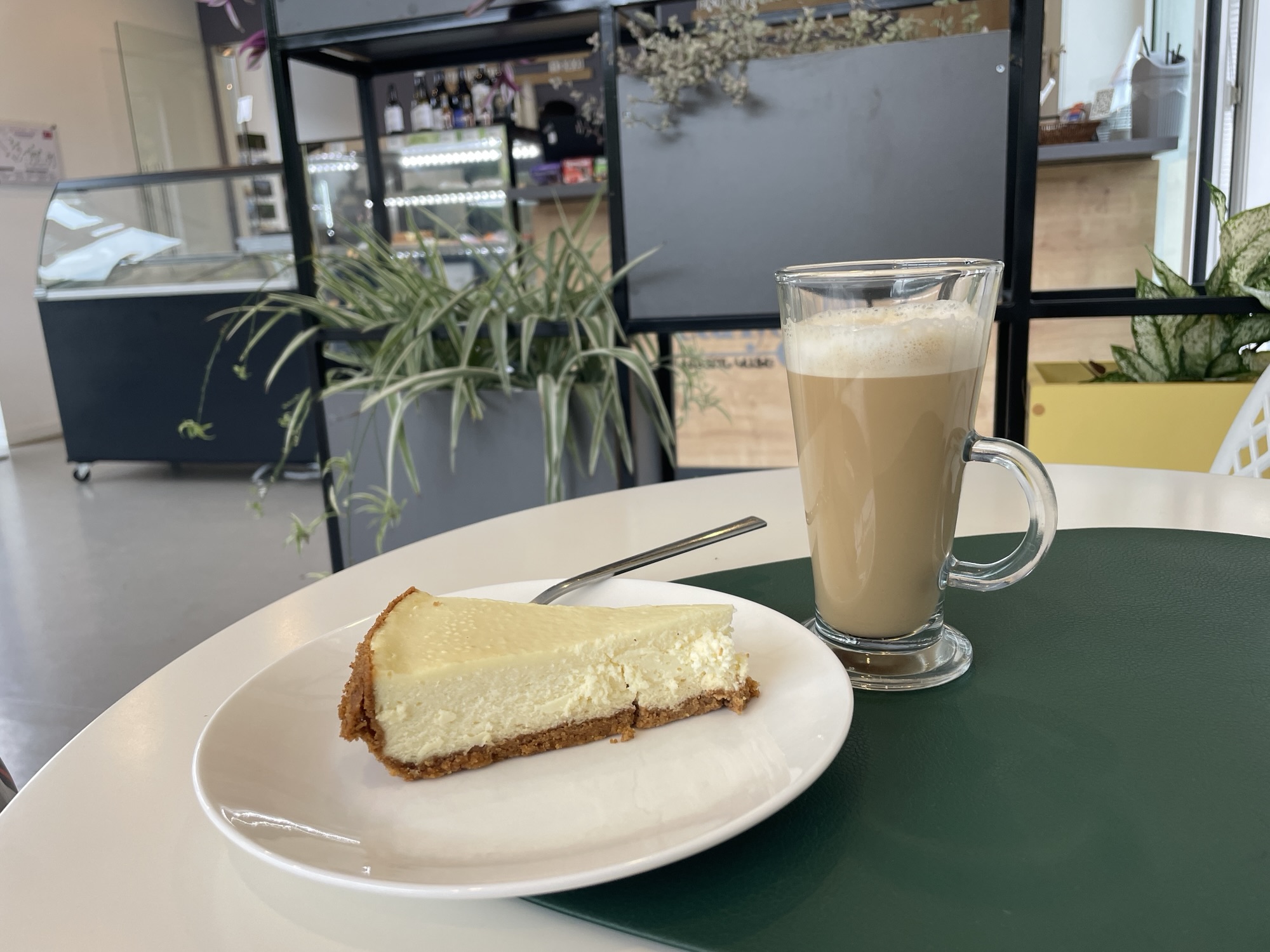
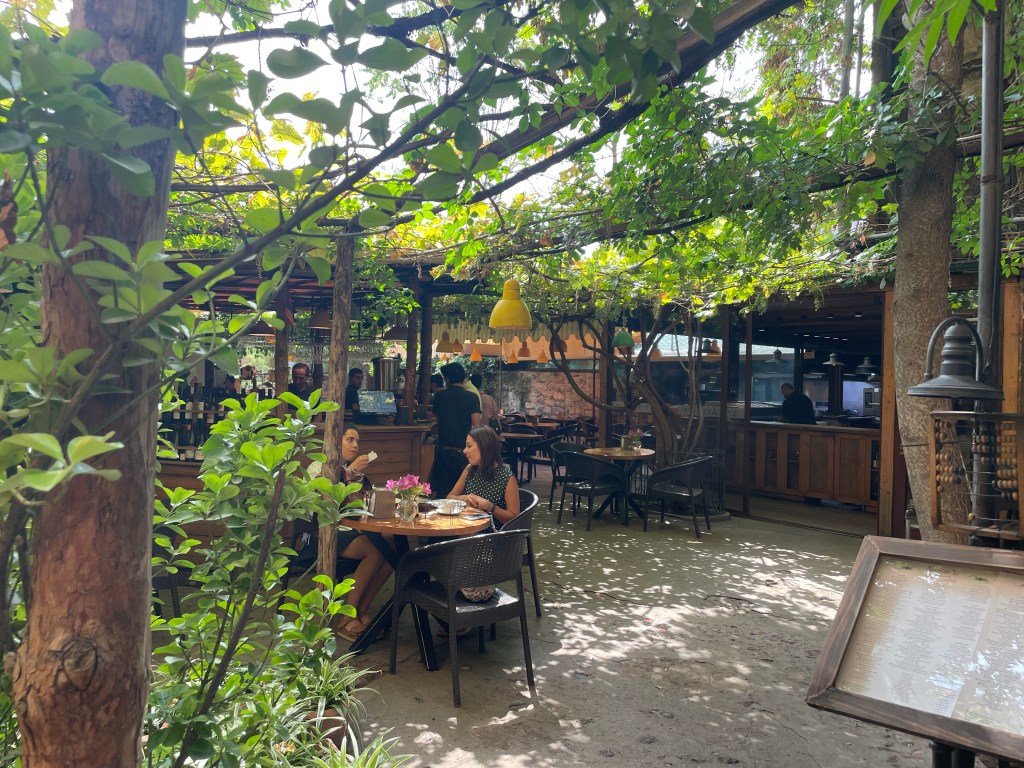
    The next kilometers were marked by the Debed Canyon that reminded my of Southern France or Spain. After a while I spotted a nice new café with toilet and shop that made me stop. Exactly what I needed. The pattern is the same for Azerbaijan, Georgia and Armenia: coffee culture is a new thing and very hip. Coffee places are mushrooming everywhere, even in remote places like this one. I had a excellent cheese cake and a flat white, the treatment at the counter in comparison with Georgia was striking, there was a chat and some smiles. That‘s how you treat guests.
    It was my breakfast and late lunch at the same time and exacly what I needed. There was also a large group with mud-encrusted 4×4 buggies that seemed to have a lot of fun, judging the state of their overalls and the buggies.
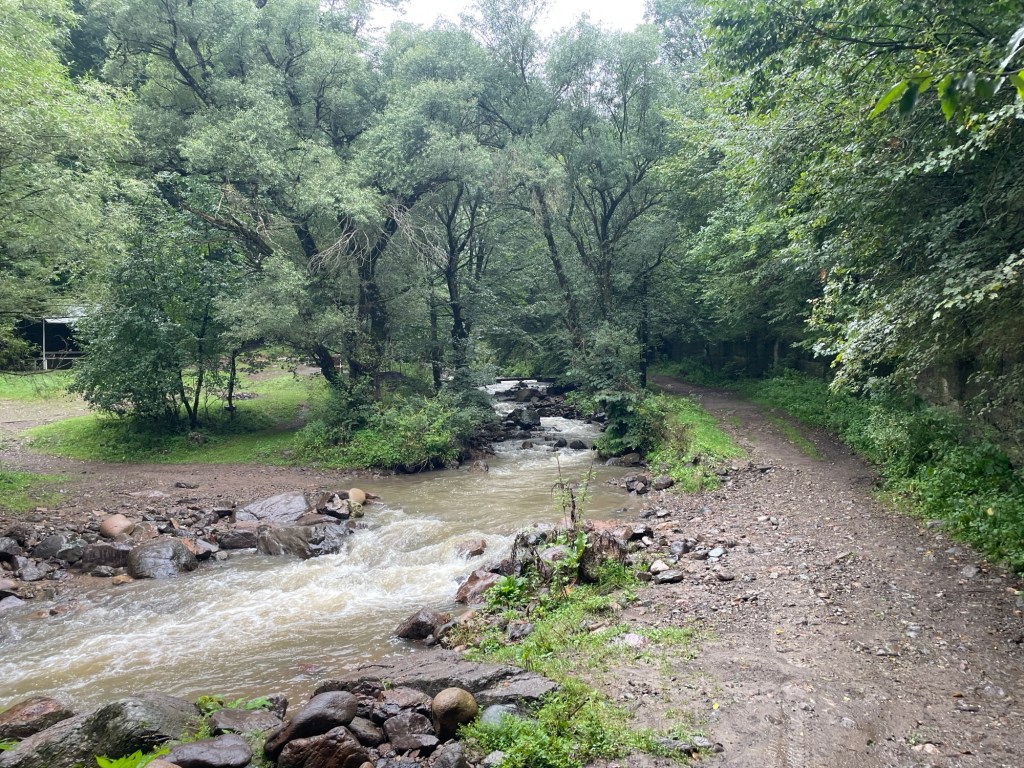
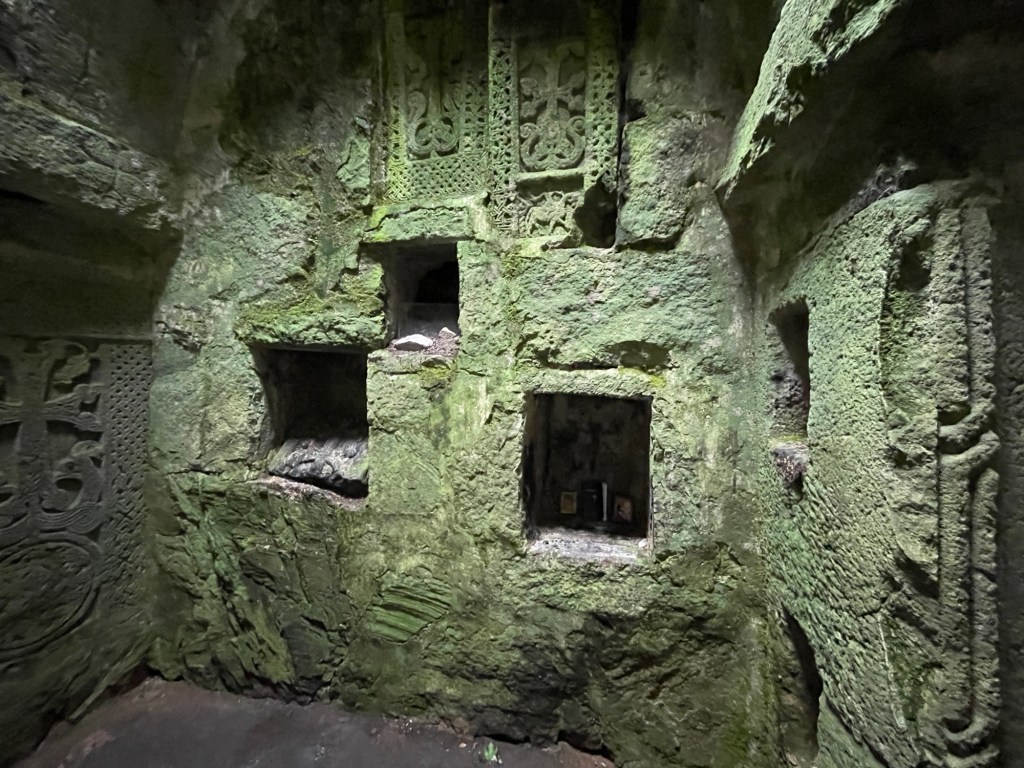
    From now on the drizzle got stronger and I was glad I had bought new watertight Daytona boots. The next location was a bit off the main road, two churches in the forest. What I had not expected was the bad road (track? riverbed?) that led there. Basically impassable for a normal car, only for 4x4s. At the worst part I couldn‘t stop as I was chased by huge angry dogs. I learned to handle them after I had read once an article how dogs perceive cyclists/motorbikers: they don‘t understand that it is a human sitting on a vehicle, but a ‚thing‘ that frightens them. Knowing this, it is important to just carry on, don‘t stop. Even if a dog would would be so smart to identify a leg as a ‚target‘ (they aren‘t), the next thing that would hit them would be the pannier. So just keep your cool and don‘t slow down. Although it costs quite an effort not to panic when some dogs at the size of small calves come running and barking at you.

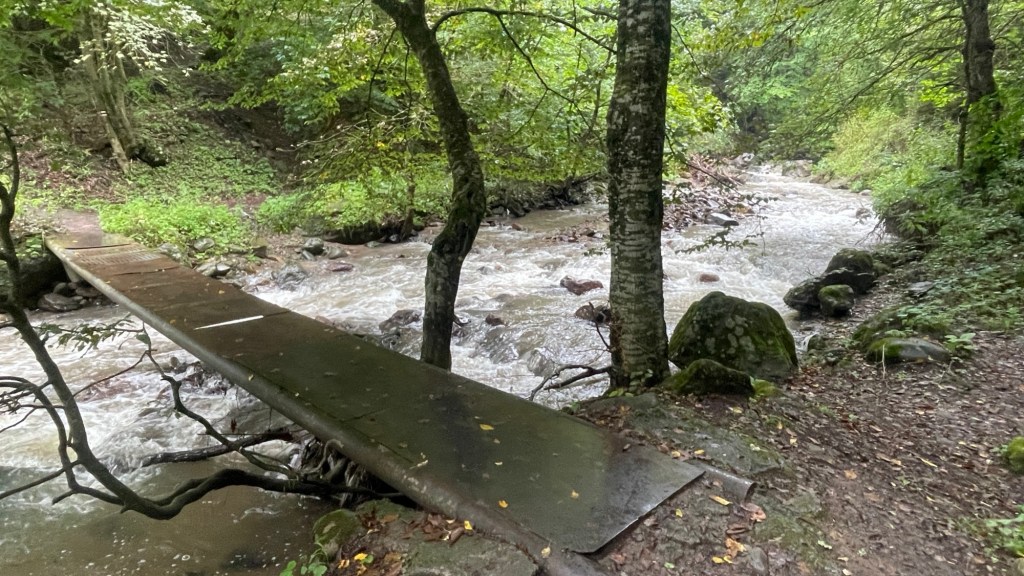
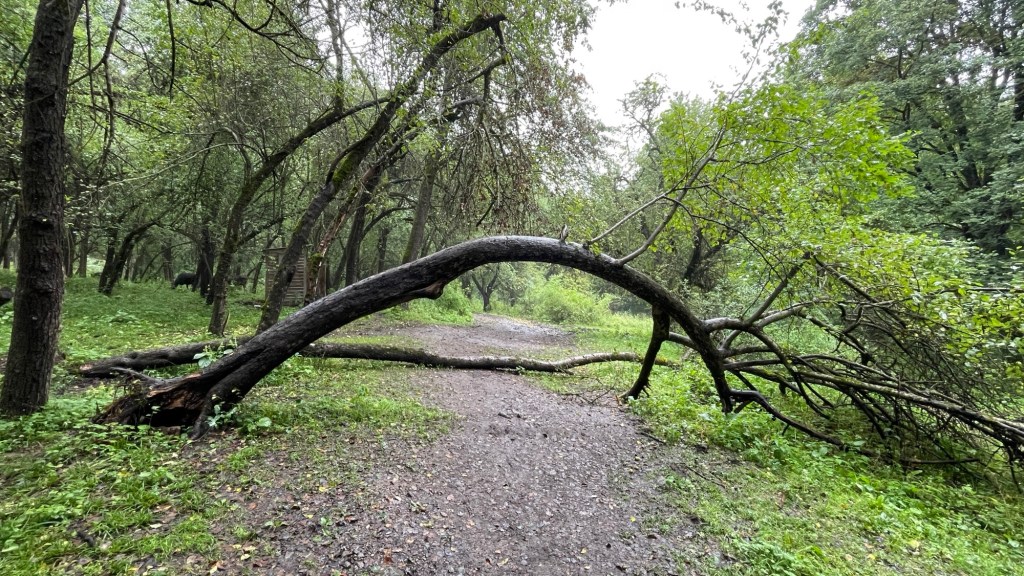
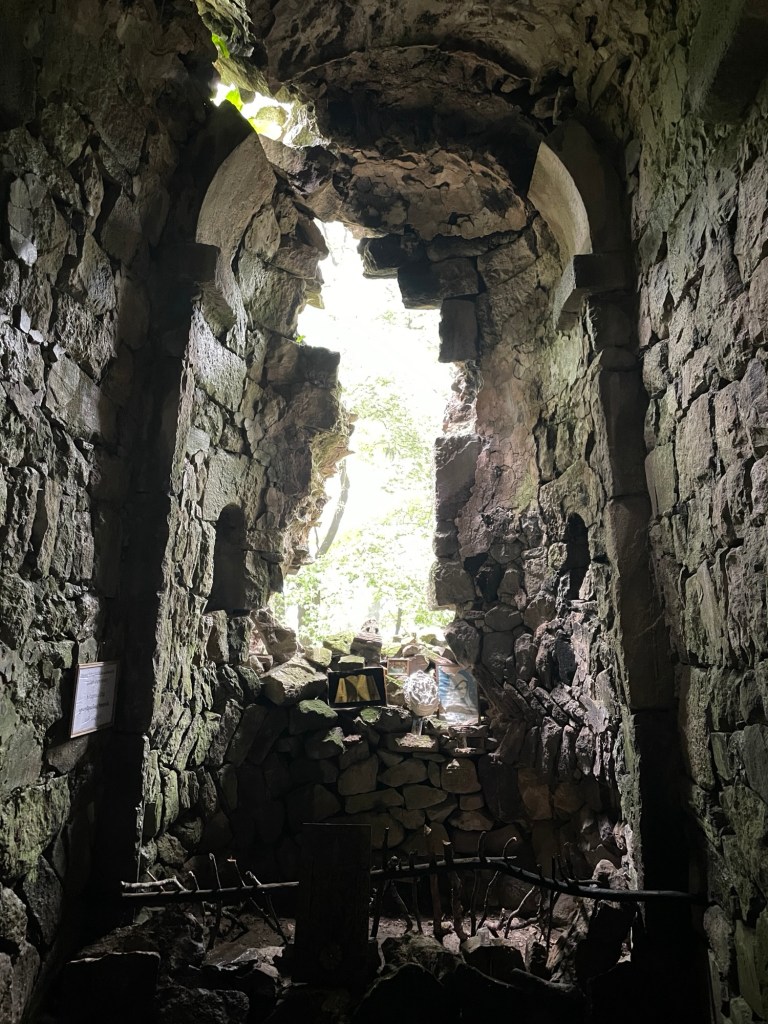
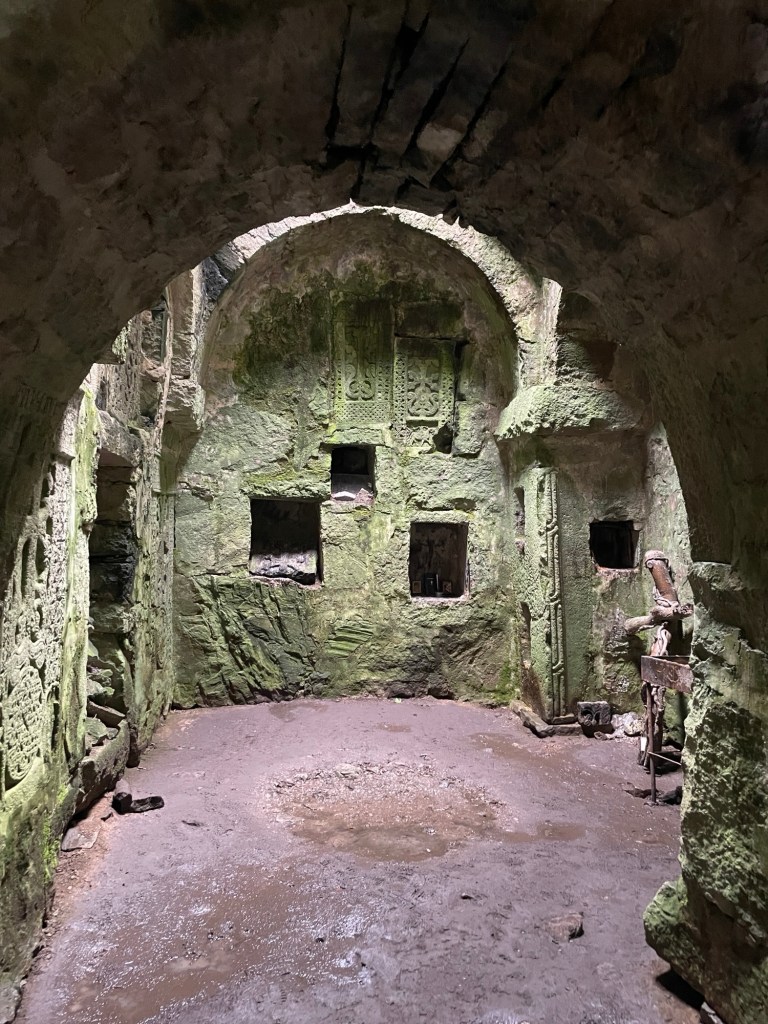
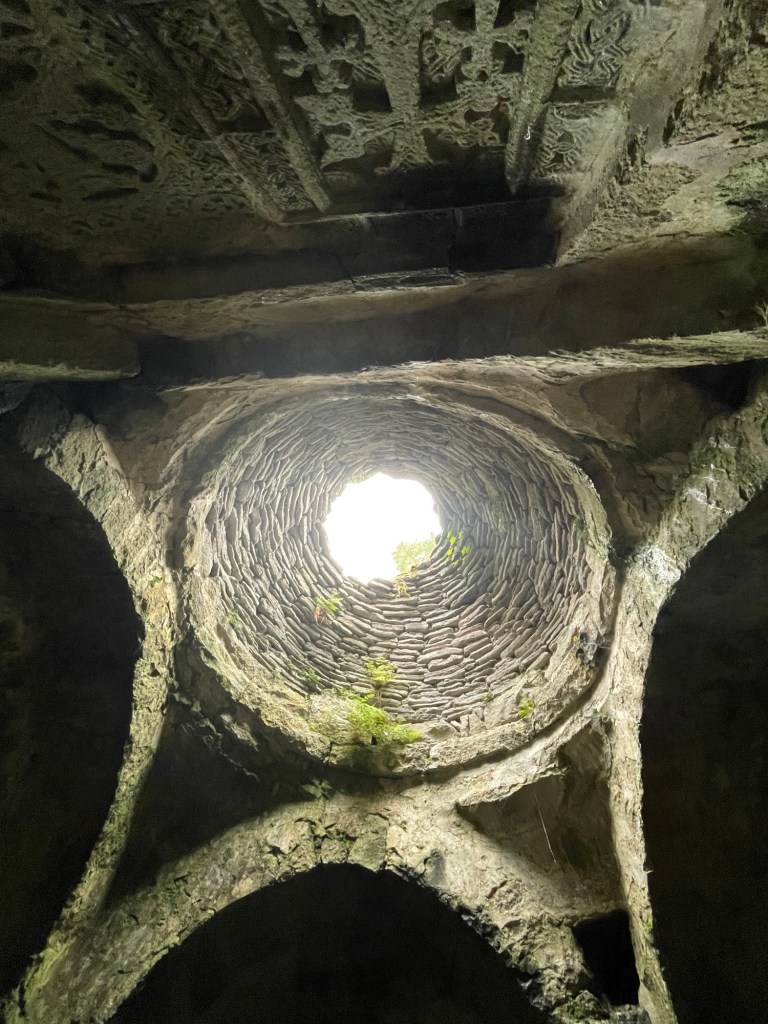
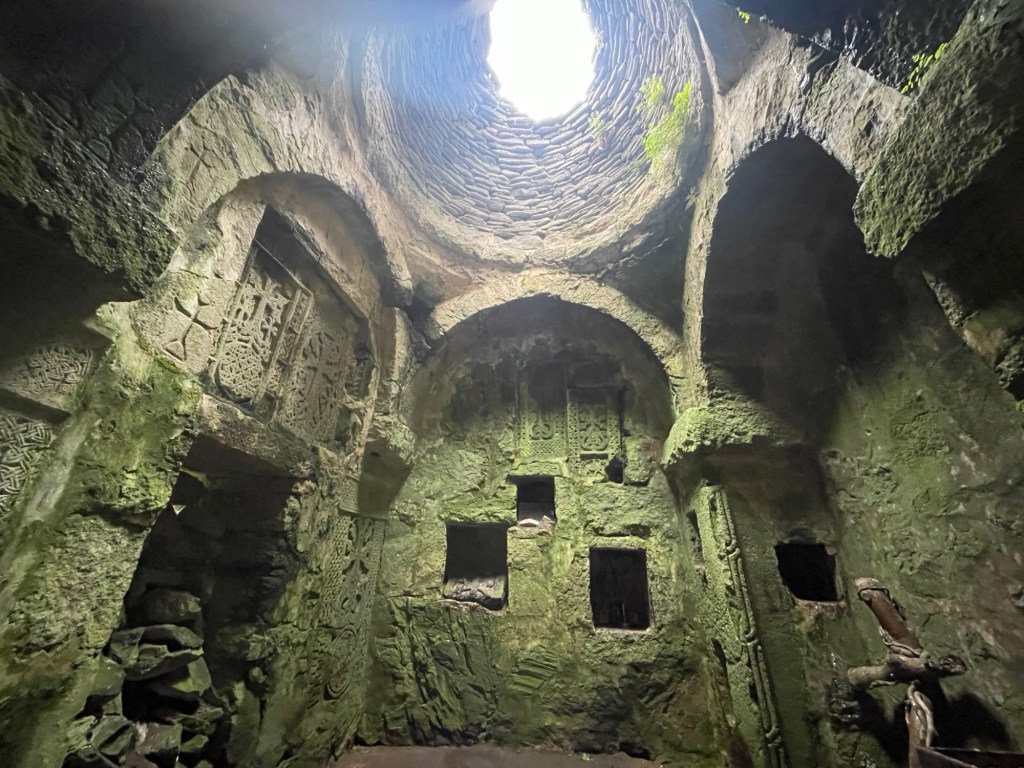
    After 3 km the road tirnes into a steep mud track. That‘s is usually the end for the XBR, she can take sand and rocks, but deep sand and mud is a show-stopper. So this meant I skipped visiting the church of Jukhtavank, but there was still the abandoned church of Matosavank, a ‚lost place‘ in the middle of the forest. I remembered having looked at that one and considering it a acceptable walk. I parked the bike and commenced by walk. First it lead down to a river where I had to cross on a very dodgy ‚bridge‘ that had some very thin steel plates on top that were welded ages ago. They bent under my weight and I wondered how pleasant it would be to fall into the river, getting stuck in a bridge….

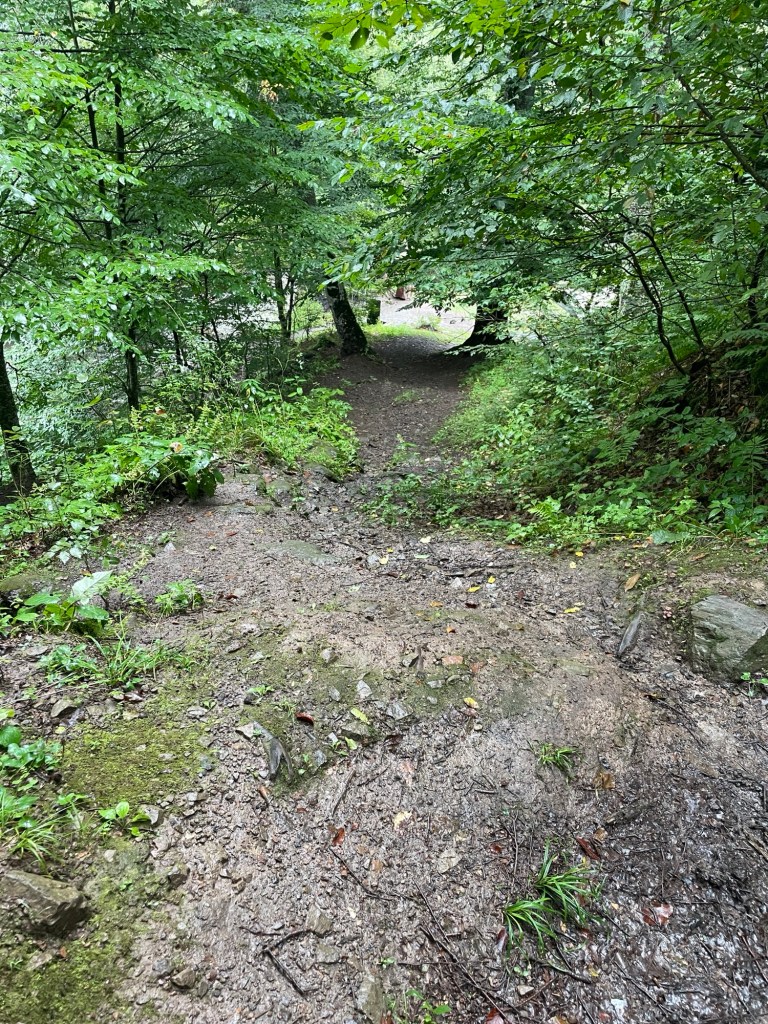
    But luckily, nothing happend. I walked uphill and slowly it dawned on me that I had underetimated the distance. The track was very slippery and muddy. I thought ‚ come on, you have seen worse in IBA rallies‘ and carried on. There always comes a point where giving up ‚now‘ seems a bigger effort than continuing….I took a wrong turn, despite my combined Google Maps and Komoot apps, but realised it quickly. I met a guy who confirmed that I finally was on the right track. Making detours because of huge puddles, lots of mud made it not ‚a walk in the park‘, butrather a ‚climb in the muddy forest‘. Finally, after 30 min of walk and sweating in my motorbike gear, I reached the partially collapsed church. It is indeed a special ‚lost place‘ and its remote location prevents it from being a instagram influencer place.
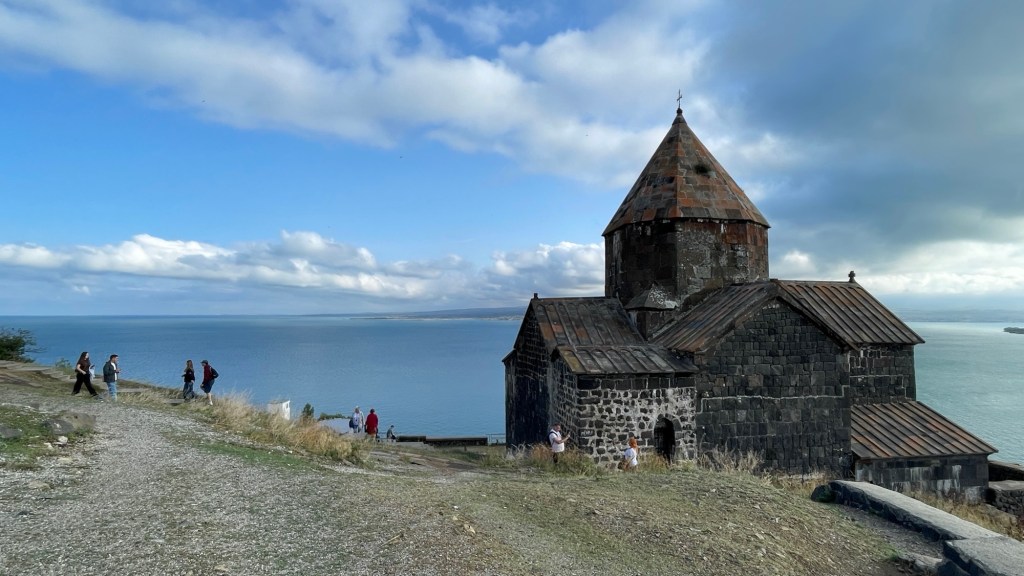
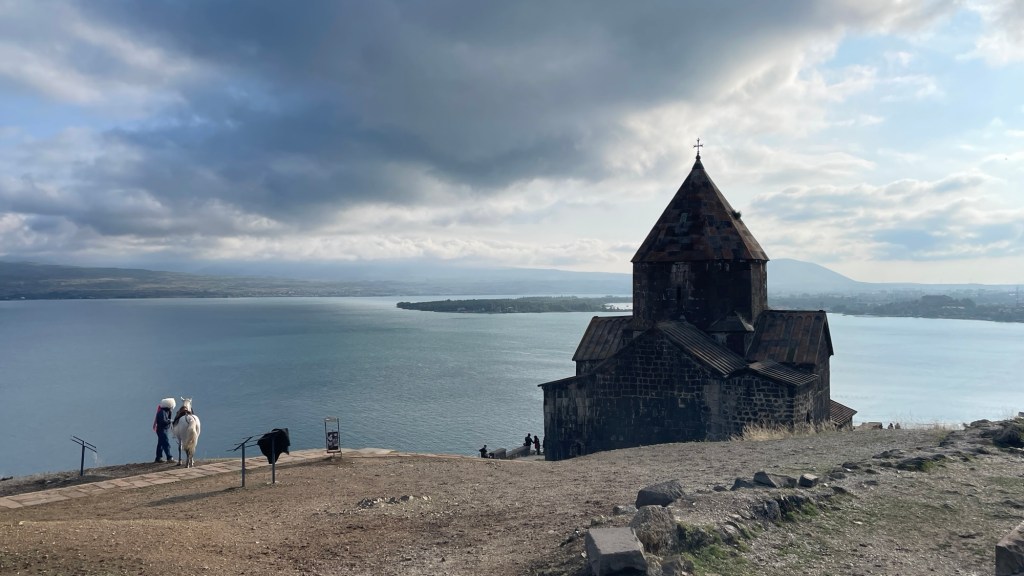
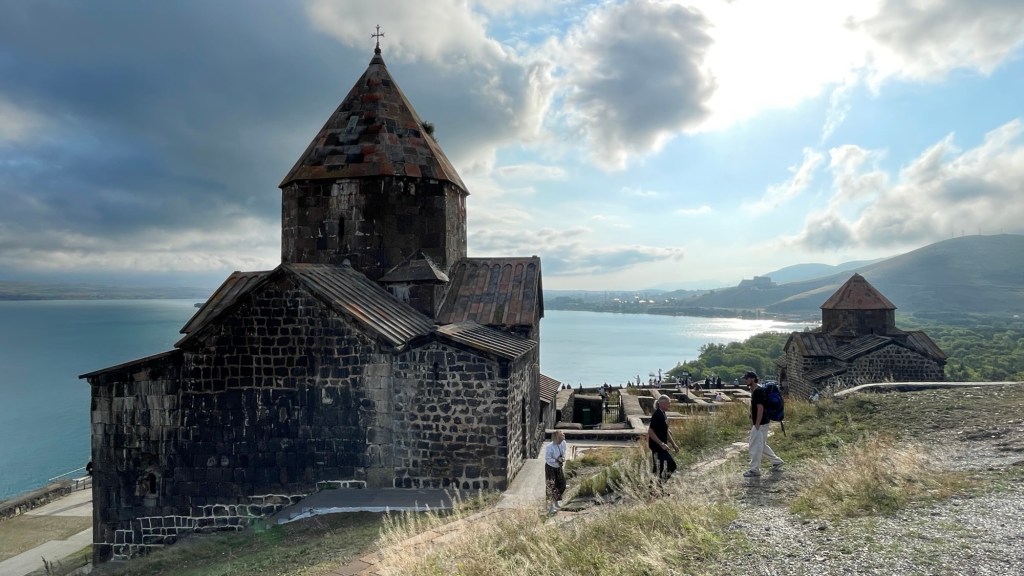
    The walk back was easier, but I had to be very careful not to slip with all the mud. The ride to the main road was accompanied by even bigger dogs. Finally I was on the safe road to Dilikan where the ascent to a pass started. I noticed how old the lady now is and how the too fat mixture makes her pant when you climb higher and higher. In the end it was a tunnel at 2000 m altitude that marked the descent to Yerevan. It was sunny now and soon we reached the largest lake in Armenia, Lake Sevan. To my surprise, it is located at an altitude of 1900 m, higher than the Sils Lake near St. Moritz. At its shore, there is the Sevanavank church on a small peninsula, overlooking the lake with the high mountains in its background. Lots of tourists here, souvenirs in abundance. But the location is special and the weather provided the perfect background.

    Sevanavank is a monastic complex located on a peninsula at the northwestern shore of Lake Sevan. Initially the monastery was built at the southern shore of a small island. After the artificial draining of Lake Sevan, which started in the era of Joseph Stalin, the water level fell about 20 metres, and the island transformed into a peninsula. Due to easier accessibility (once it became a peninsula), good highway and railway connections with the Armenian capital Yerevan, a well-developed tourist industry in the nearby town of Sevan, and its picturesque location (although less picturesque than it was before the lake level drop), Sevanavank is one of the most visited tourist sights in Armenia.

    This was the last church in a very churchy day, but for the self-declared first christian nation in history having adopted Christianity as a state religion in AD 301, this is to be expected. From here, it was a quick ride on a new motorway down to Yerevan where I arrived 30 min later, filling up again and then getting stuck in the evening traffic. Finally I arrived at my hotel conveniently located near the Republic Square. I checked in and finally managed to park the bike in the car park. A good shower later I discovered that the area was full with restaurants and bars. I chose one where I could sit outside. Luckily, because some entertainment programme had started. The singer was only moderately impressive, but the stars were the dancers that not impressed with professional dancing, but also with a fitting choreography.

    Minnie the Moocher à la Arménienne

    I ordered some delicious lamp chops and a fine red and flabbergasted when the entertainment turned to Spanish tunes.

    Who would have thought…Yerevan???
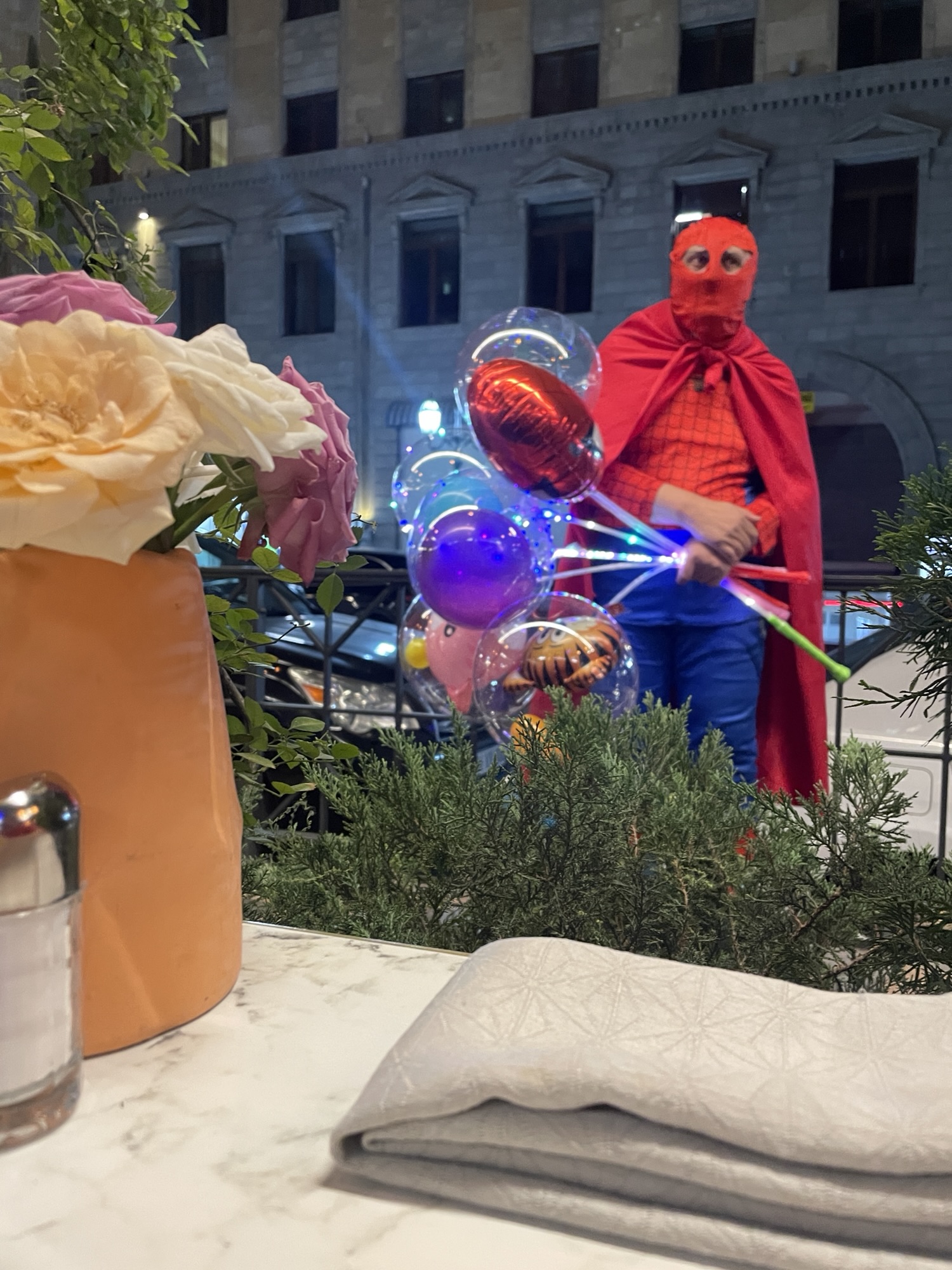
    FUTURe Spiderman 5 movie: Spiderman has fallen from grace and has to sell balloons in the streets when finally a call reaches him that changes everything, when....1