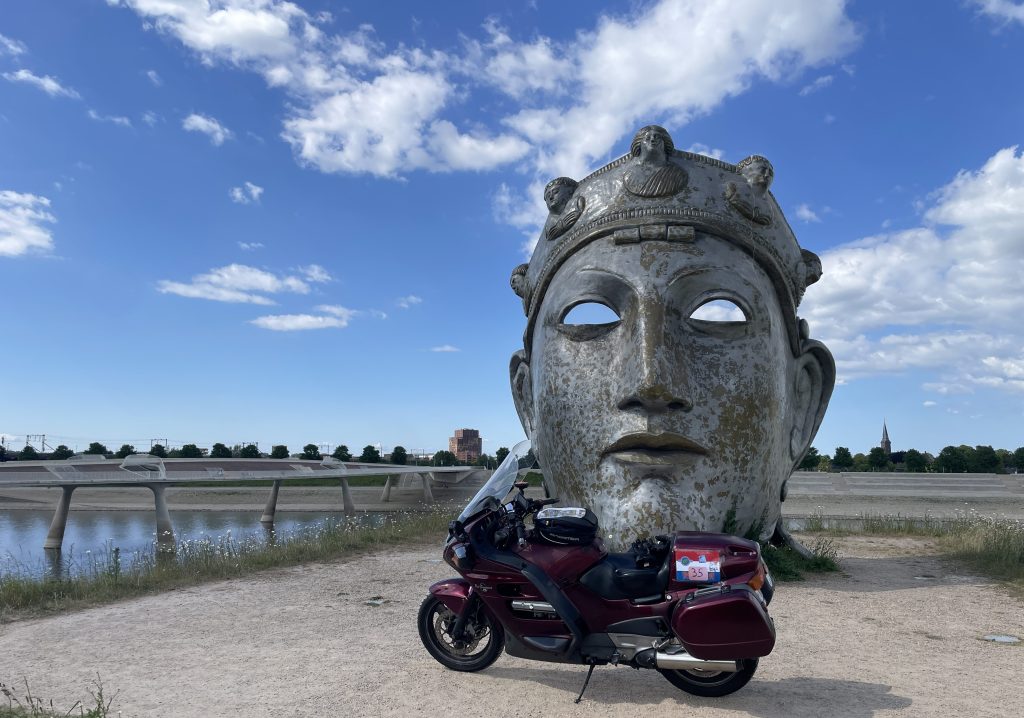
You gentle readers might wonder why this year’s title of the annual review is different from the previous ones. Well, this is correct, usually the title includes ‘motorbiking’. It is not that I haven’t done some motorbiking this year and typically this blog is mainly about my adventures on and with a motorbike. In fact, it is a public, digitalised form of my old travel diaries. As it happens, 2025 saw also some interesting traveling that was performed on different vehicles. So I have chosen for a more encompassing title.
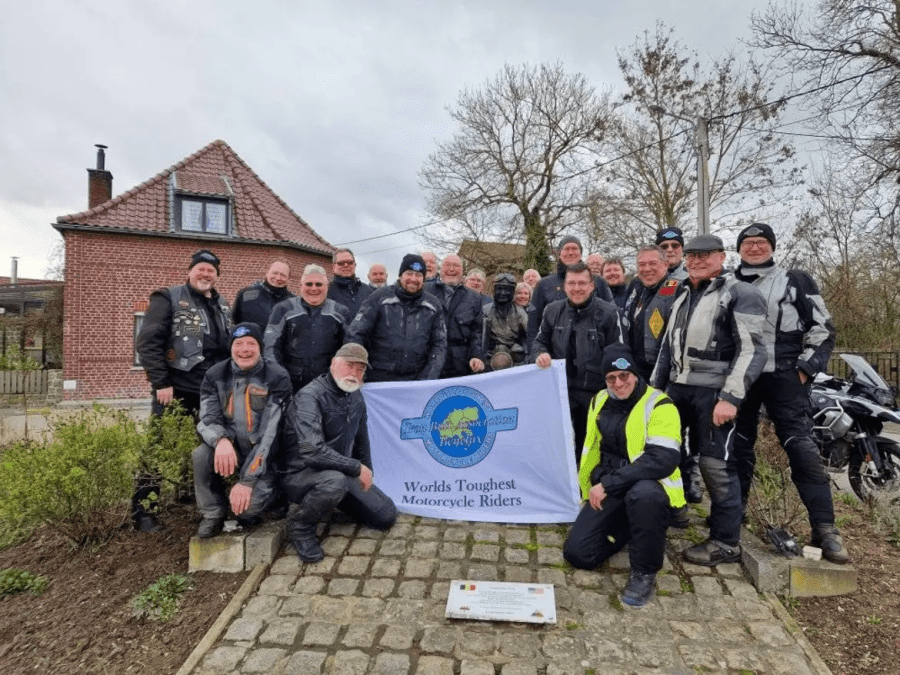
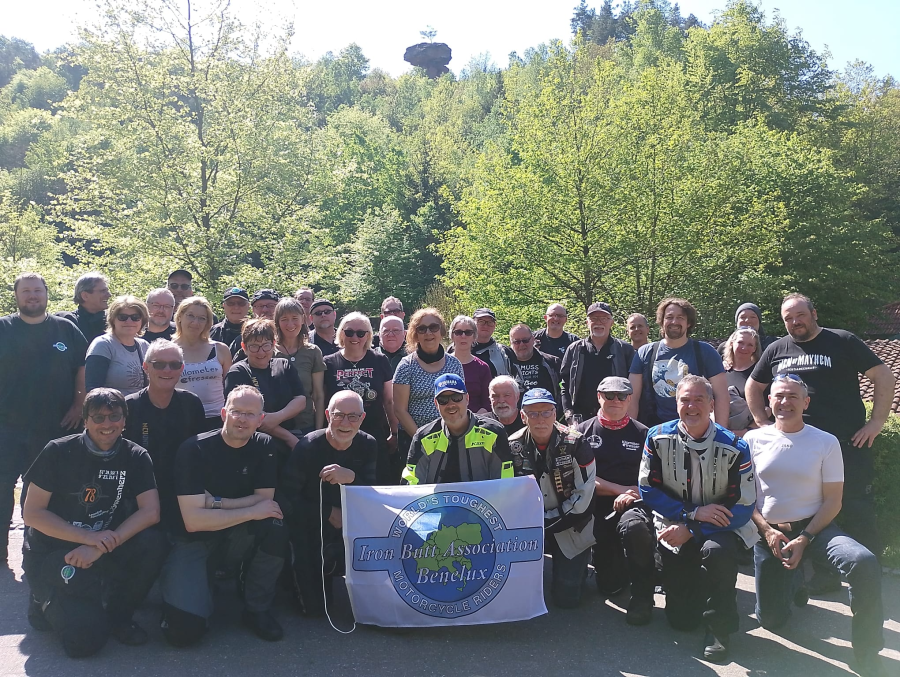
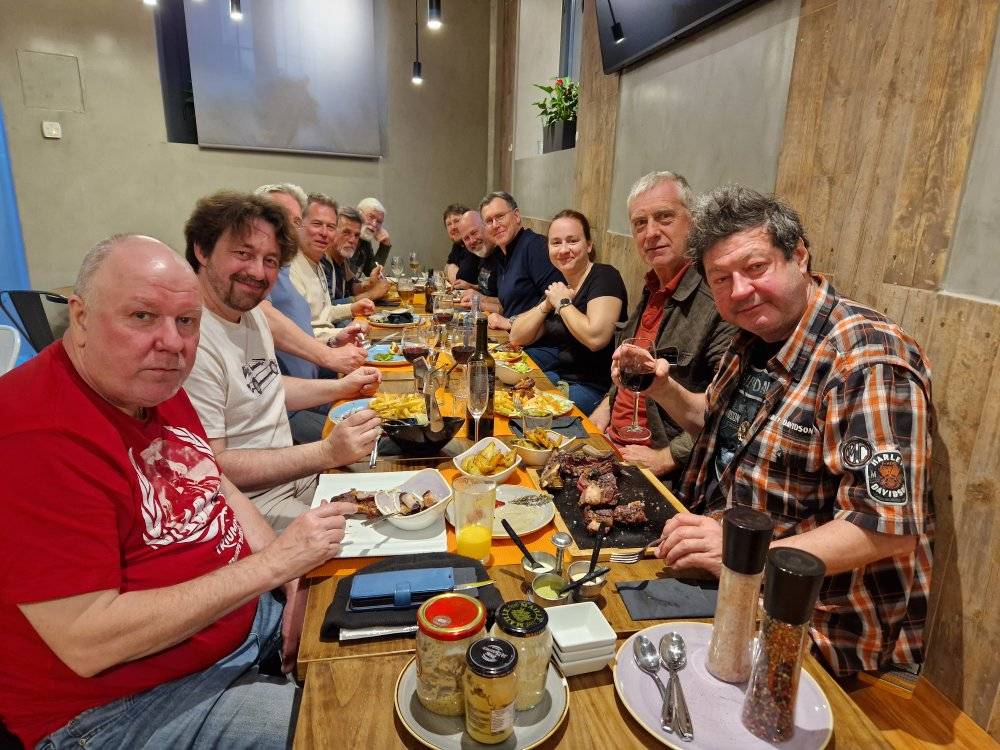
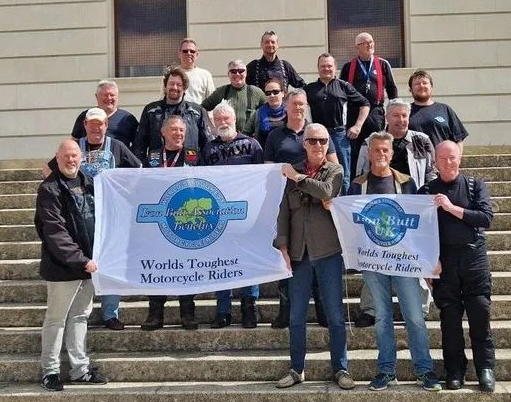
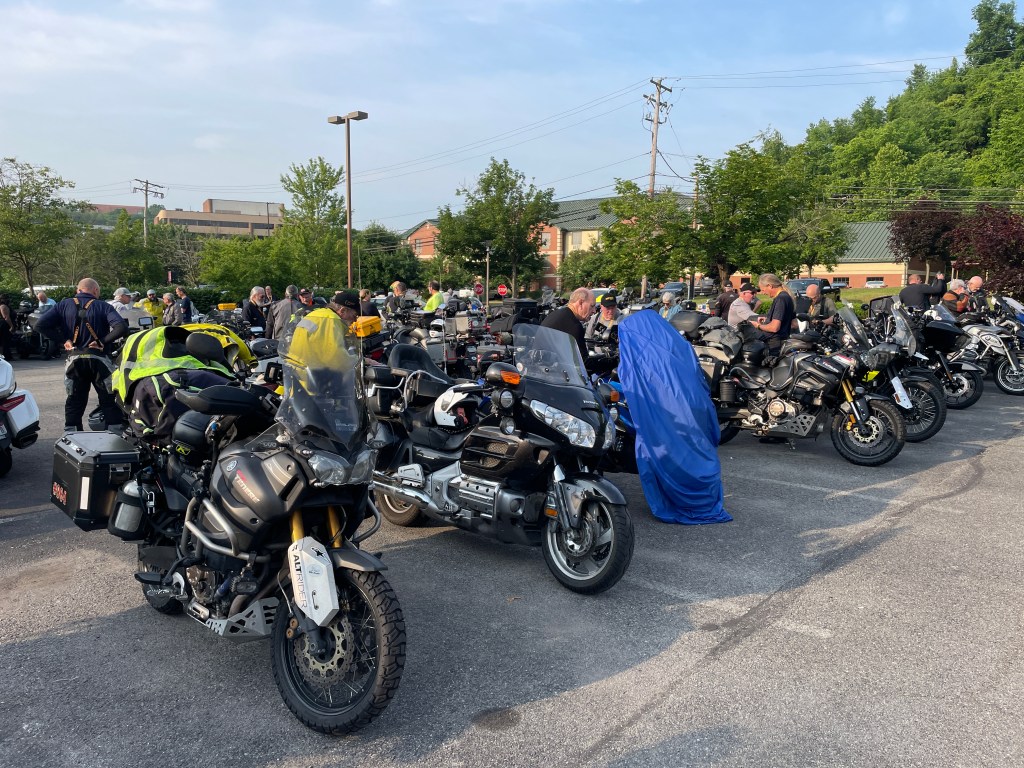
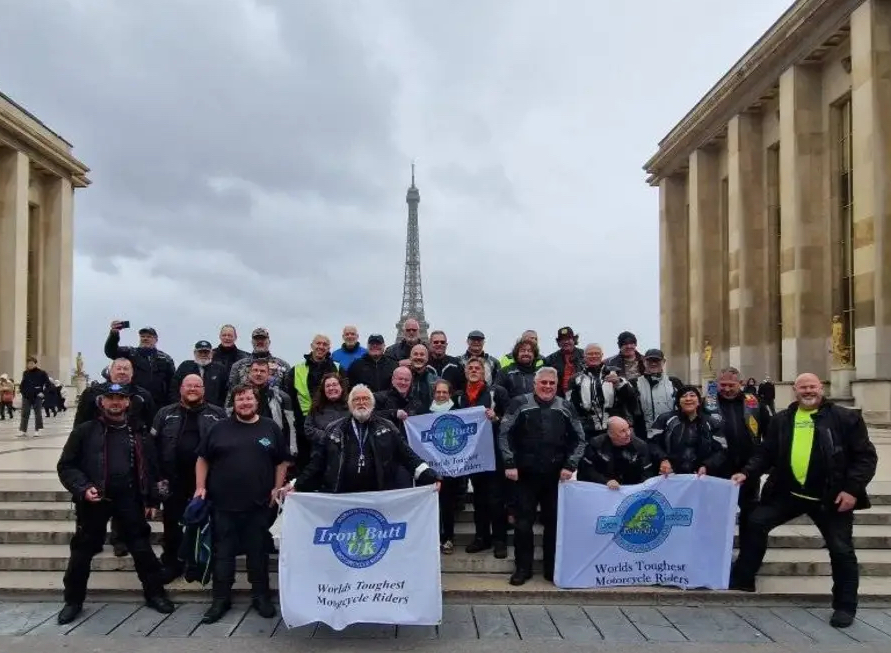
Well, the year started in a typical way – a first European Ride to Eat, this time in the Belgian/Durch enclave(s) of Baarle-Hertog/Baarle-Nassau, an oddity of Dutch enclaves within Belgian enclaves within The Netherlands. We met at the usual time, i.e. 4 p.m. to take the group picture.
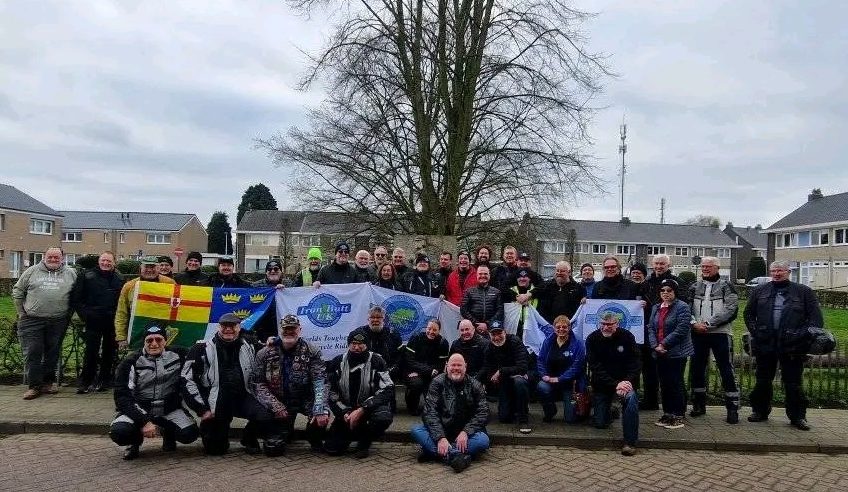
Quite a large group with riders from UK, Germany, The Netherlands, Belgium, France and Ireland had shown up. As usual, we went to the restaurant and spent a chummy evening together. The location was very convenient for me as I only had 30 km of a chilly ride to my own bed.
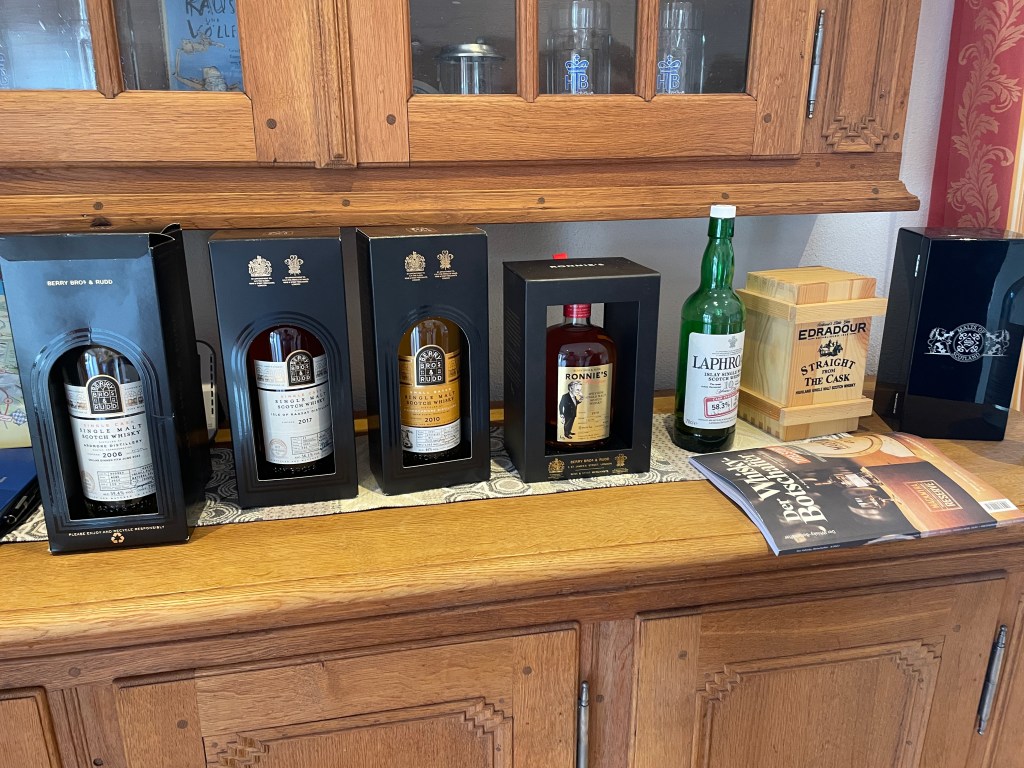
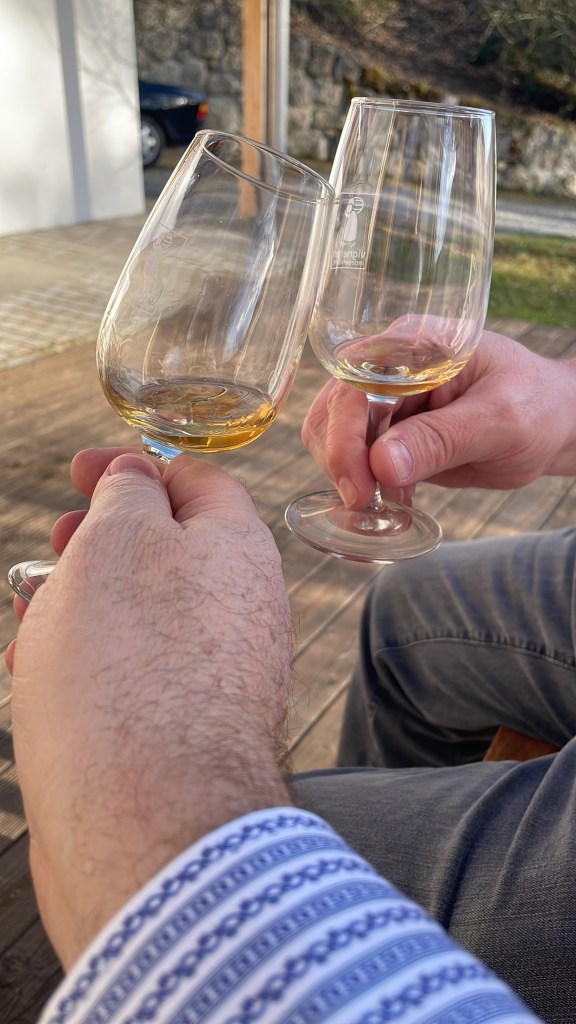
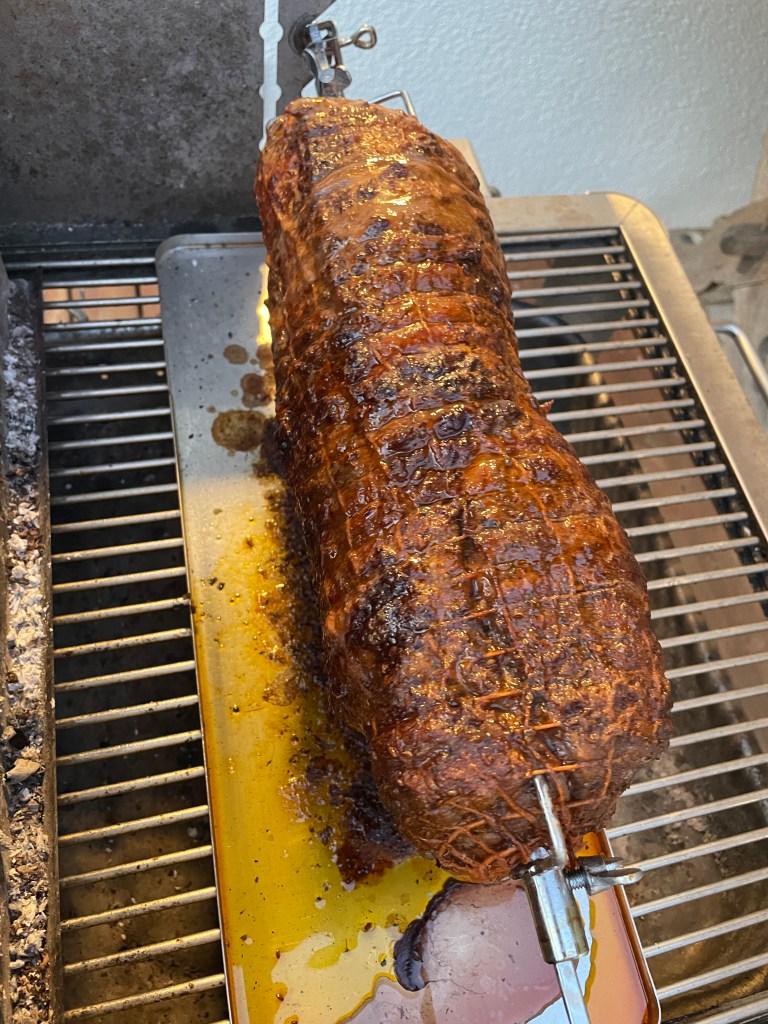
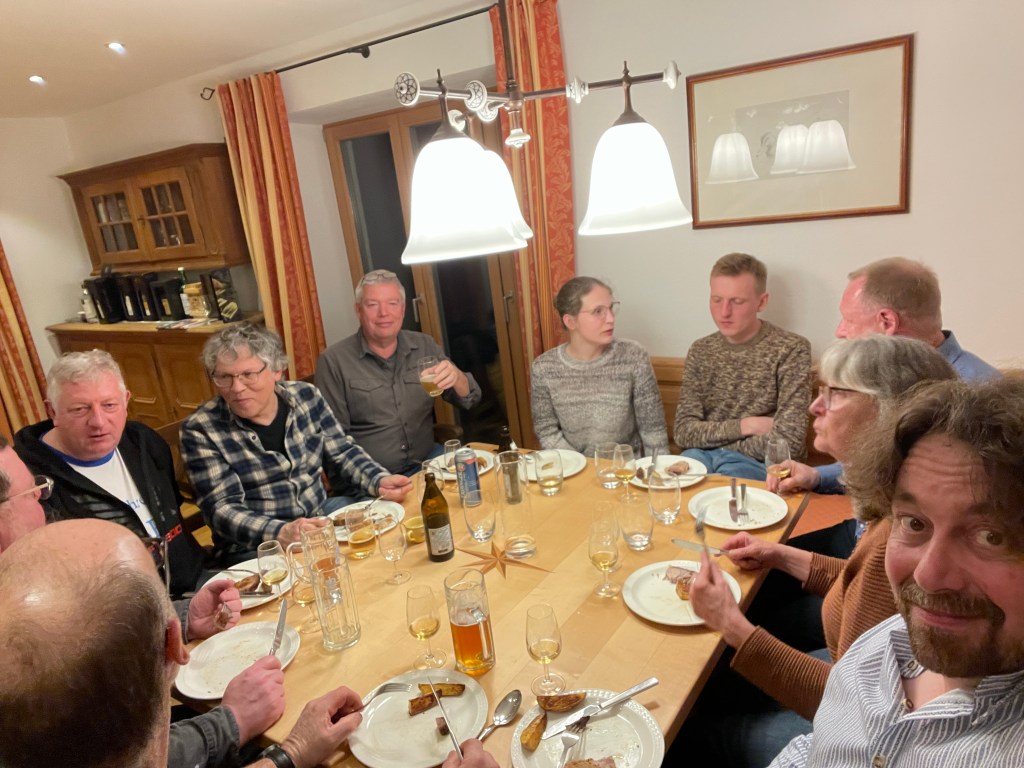
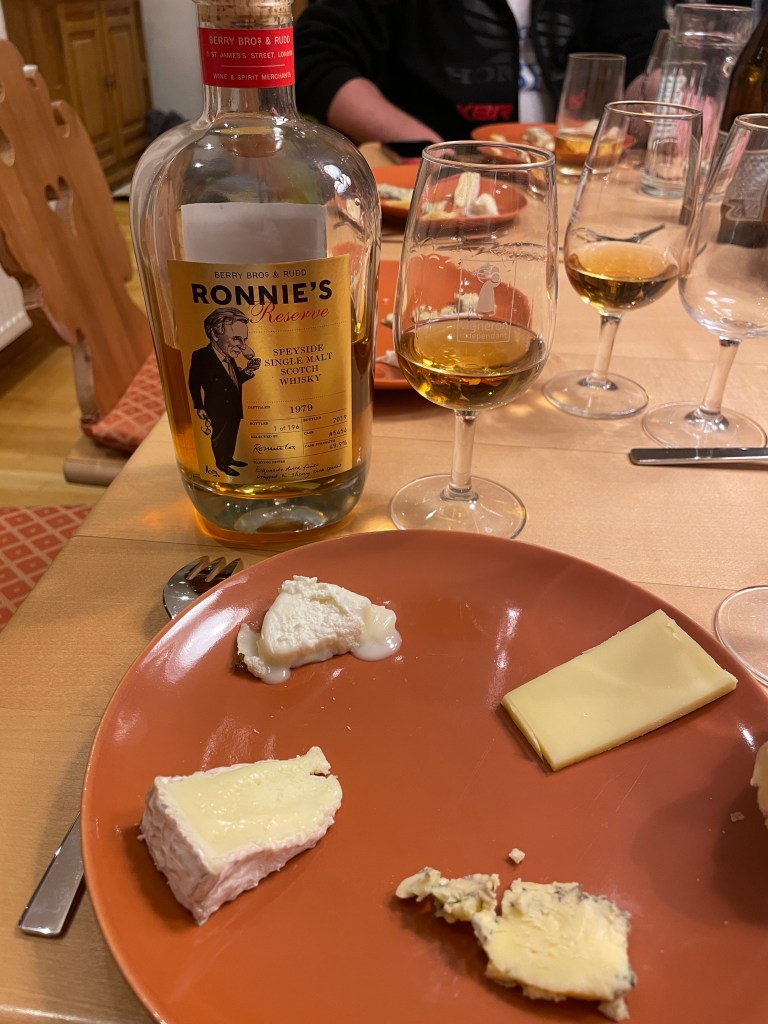
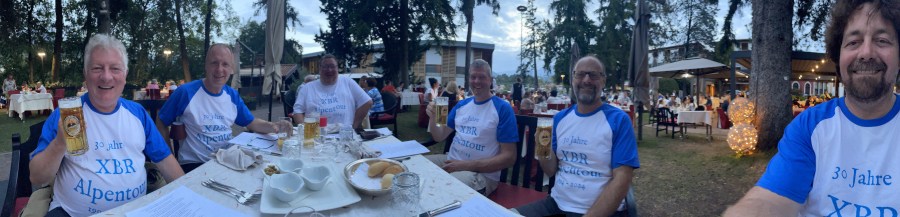
This year, the legendary XBR-Wintertreffen took place in my house in Bavaria. As Johannes wanted to indulge everyone on the occasion of his significant birthday, the XBR Alpentour veterans and significant others had to try a series of delicious Scottish drams. I provided the accompanying dishes and there you go, a lovely evening that some of the participants had trouble to remember.
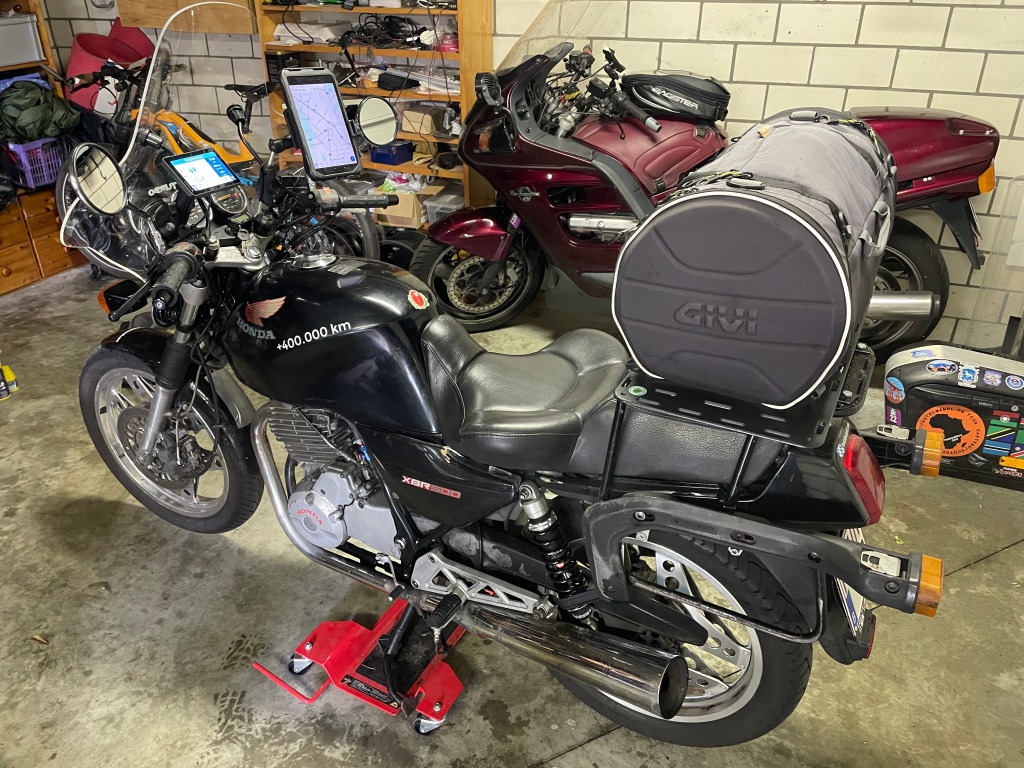
In April, there was another press article about the old XBR published. A short, nice article about probably the best motorbike in the world.

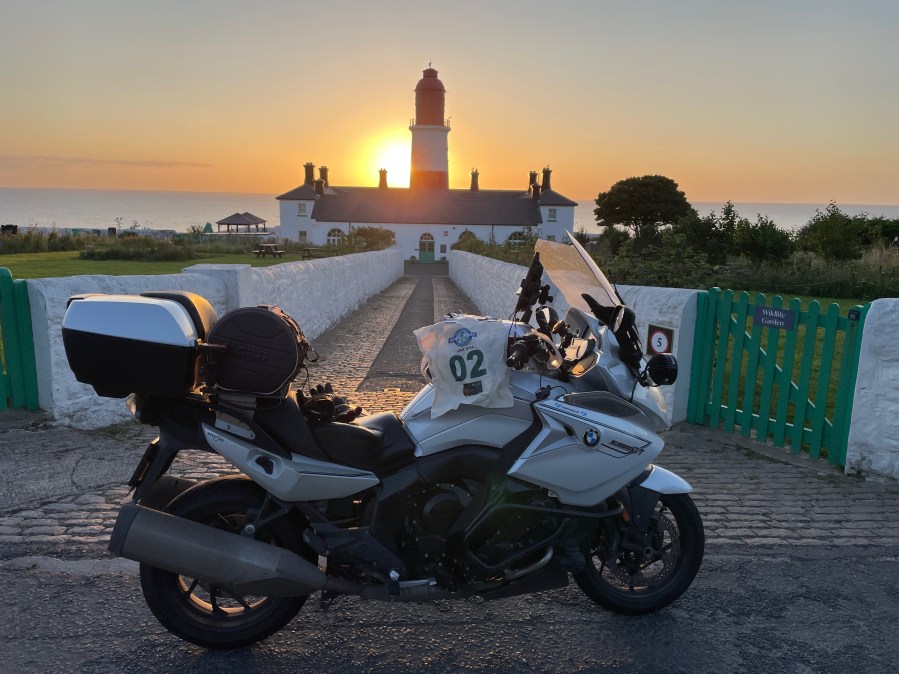
And then it was time for the first rally of the year, the longest frequent long-distance rally in Europe, the Brit Butt Rally. This year, it carried the alias of ‘The Park and Ride Coddiwomple’. As a six-time winner and defending champion, I had to give my best to prove that the last two wins in 2023 and 2024 were no coincidence. The timing was uncommon, end of April, as early as never before. Would this be a very chilly ride? As the organisation had finally skipped the odometer check ride in the afternoon and allowed a rather late check-in time, I started my trip in the morning, there was no need for a stop-over in Kent the night before.
However, my participation in the rally was in danger when I picked up some debris on the hard shoulder in a traffic jam north of Ghent. One minute later, the display of the BMW flashed red and indicated a dropping tyre pressure of the new rear tyre. I limped to the rest area, conveniently located only 1 km away and stopped on the parking with a completely flat tyre. I inspected it and had to conclude that there was a nastily big chunk of plastic sticking out of the negative part of the tread, this looked bad.
I took ages and some unnerving phone call to the BMW road assistance until finally assistance arrived. To my disappointment, the driver told me that he could not repair tyres, just towing away vehicles. Thanks to his phone call, he found a tyre shop that was open and had the right tyre at hand. I was getting nervous now, luckily I had booked a very flexible FlexiPlus ticket for the Eurotunnel, but I needed to arrive at the rally head quarter before the registration closed. I informed the IBA UK President and he confirmed they would wait for me.
In the tyre shop, things moved slow at first. After I explained my situation and the time pressure, things moved fast. Shortly after 11 a.m. I could continue my ride and get on the train to Britain. Phew! This was a close shave; the shop had confirmed that the tyre could not be repaired and without a new one, the game would have been over before it actually started.
I did arrive in time at the rally HQ in Burton-upon-Trent, checked in, registered for the rally, had a shower and showed up for dinner and the subsequent riders meeting. We were warned by Owl, the Rally Master, that we’d have to expect rural locations with tricky, small roads. Not what my mighty BMW wanted to hear. We received the rally books and retired to our hotel rooms to do the planning of the 36 hours of rally.
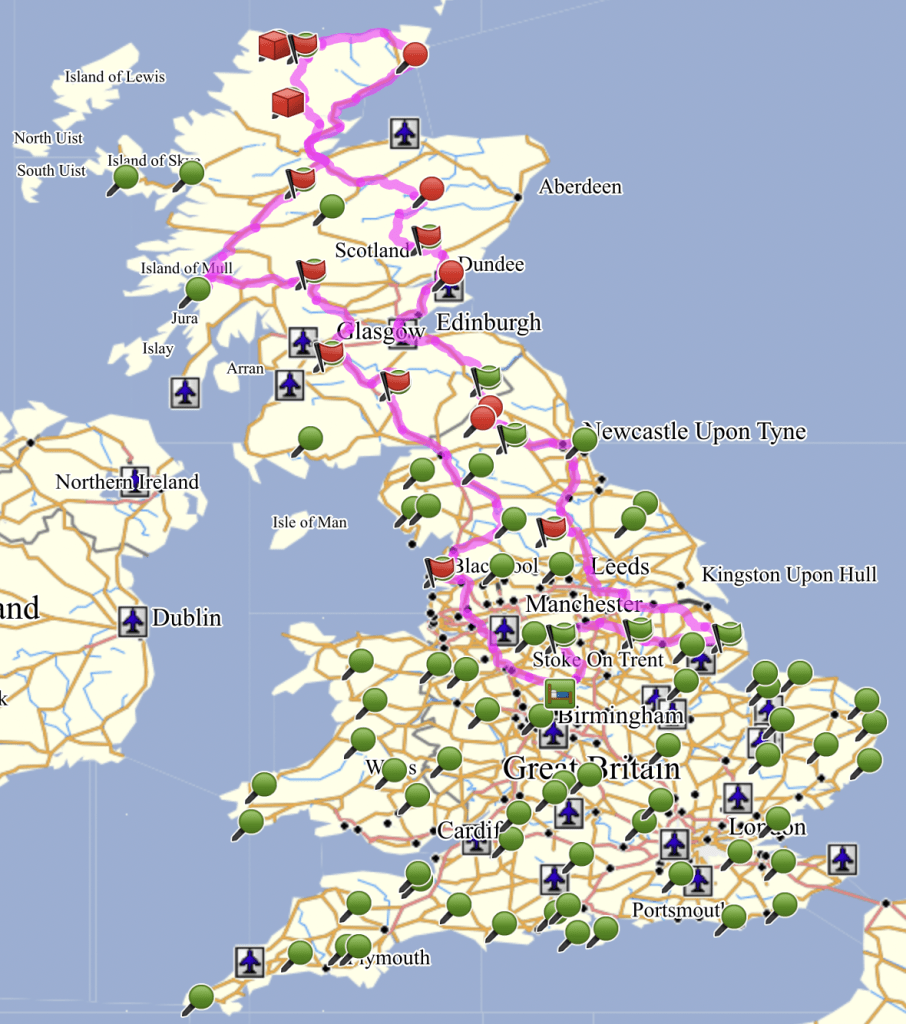
As usual, there were several different options in different directions. As I saw it fit, I chose to go north, riding to Scotland is always my preferred choice. No traffic and lovely roads, what else do you need. I could collect extra points by getting a lot of combos, given I would visit and document all locations correctly.
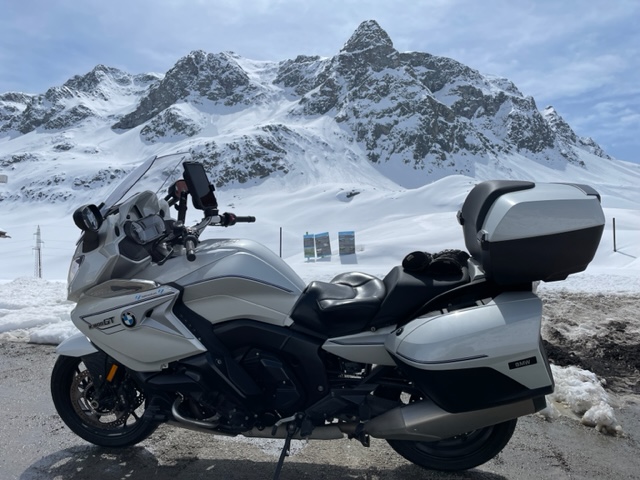
Comme d’habitude, my planned route was ambitious and demanding, but it offered some options to cut out points on my way back, so it should work out. After all, it was my 14th Brit Butt Rally, so I had enough confidence what was possible and what not. And with the ‘Flying Fortress’, aka BMW K1600GT, under my bum, a lot was possible.
We set off at 6:30 a.m. and my plan for the morning was very simple: stop at a location near Blackpool, then get up to Scotland as quickly as possible. Very uncommon, but I needed enough time to pick up all the big points in Scotland before starting the rest break in Inverness. This second location in Scotland caused some headache: first, I passed the right exit and had to do a detour, then it started to rain and the roads turned slippery. It cost me some time to find the stone in a field. And then all for nothing as it turned out later, as I had taken the picture of the wrong stone. Luckily, it was not part of a combo. But I had lost quite some time regarding my demanding plan.
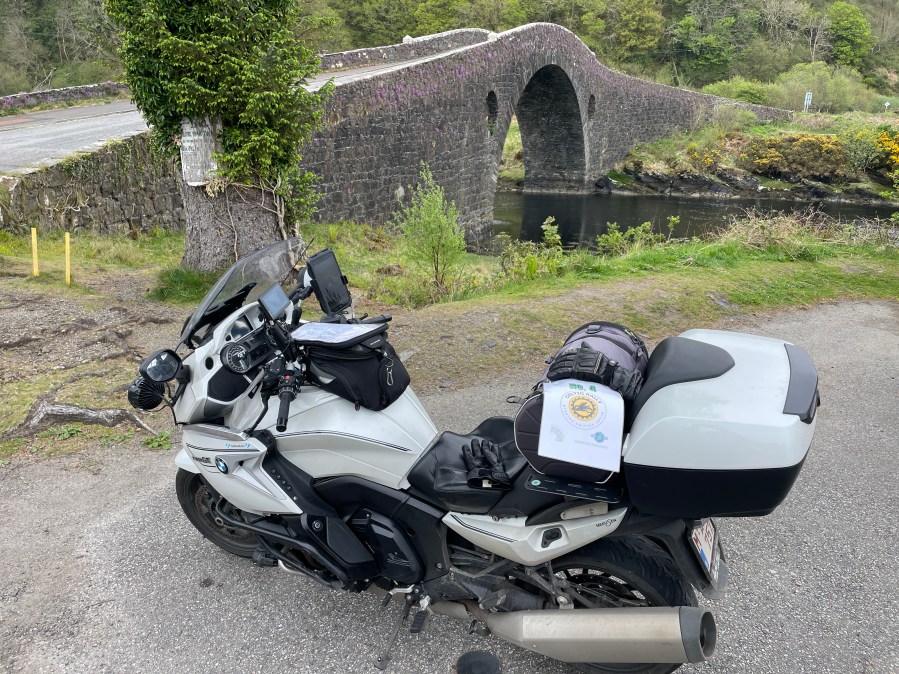
My next stops involved visits to a small bridge south of Glasgow and a cottage next to Loch Tay. The weather was typical Scottish, grey with some drizzle. I was riding for almost 1.5 hours to the west coast, passing Oban. When I finally stopped, I had a déjà-vu: I had been here before! Indeed, during the Celtic Rally last year, I was at the same spot, taking the same picture. Well, the reason is that it is a special bridge, called the Clachan Bridge, or better known under it’s genuine name ‘Dhrochaid thar a’ Chuain Sia’, the ‘Bridge over the Atlantic’. An engineering masterpiece from 1791. This was also the answer to the extra question that had to be answered: “when was the bridge built?’
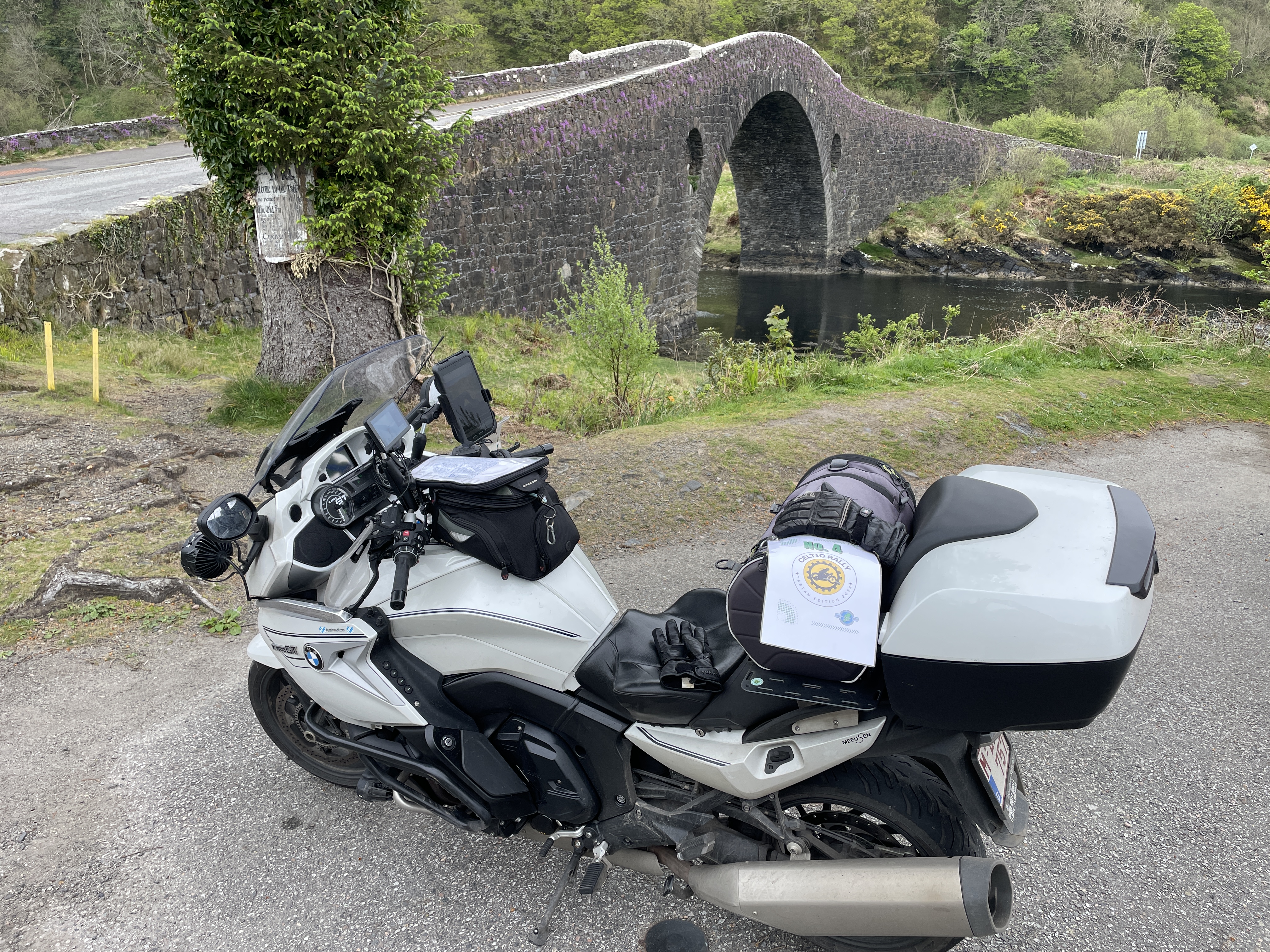
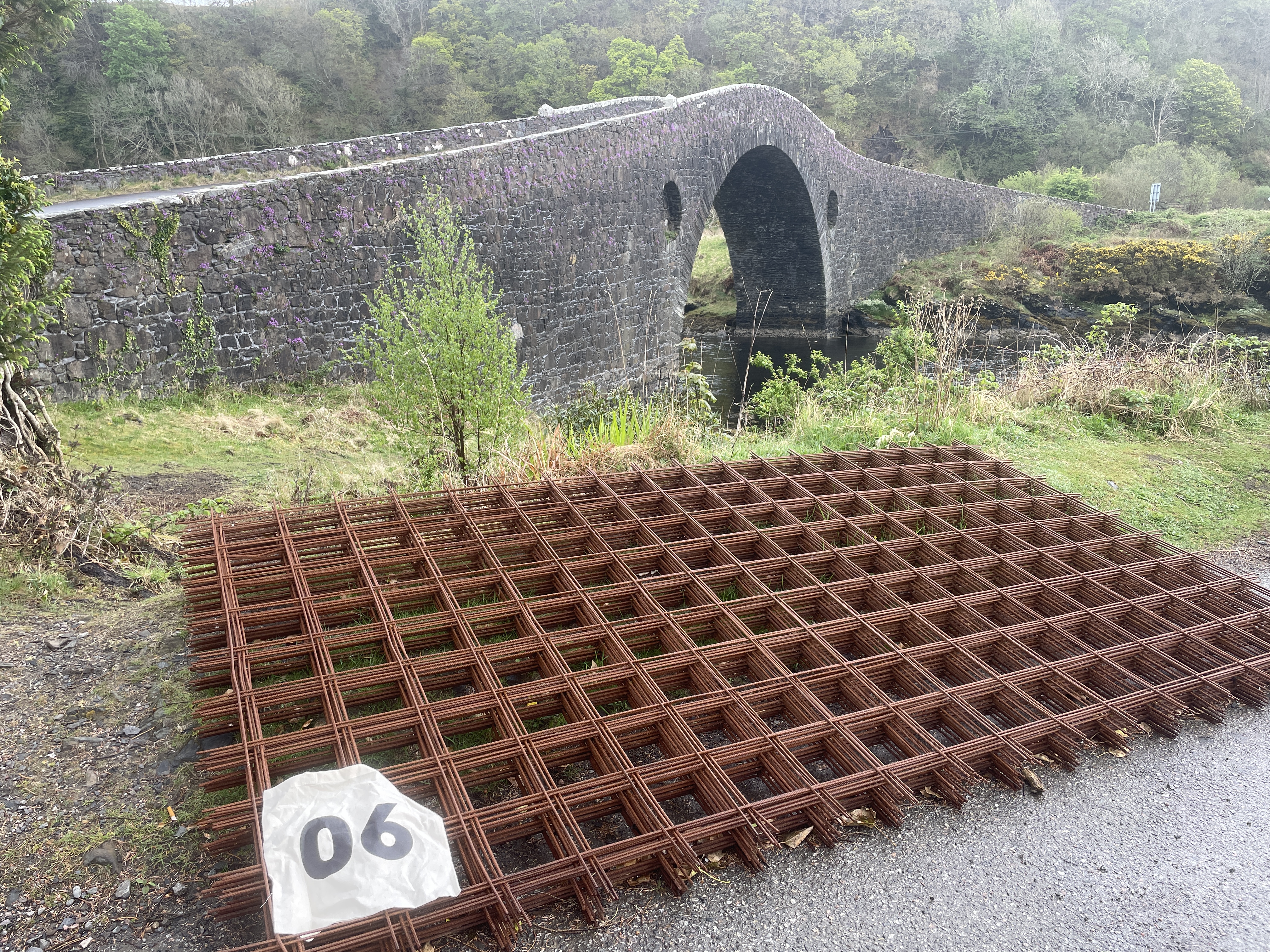
Back to Oban and further north to Fort William and beyond. It was already well in the afternoon and I hadn’t done a lot of bonus locations yet. But this was part of the plan: fewer locations, but high points values.
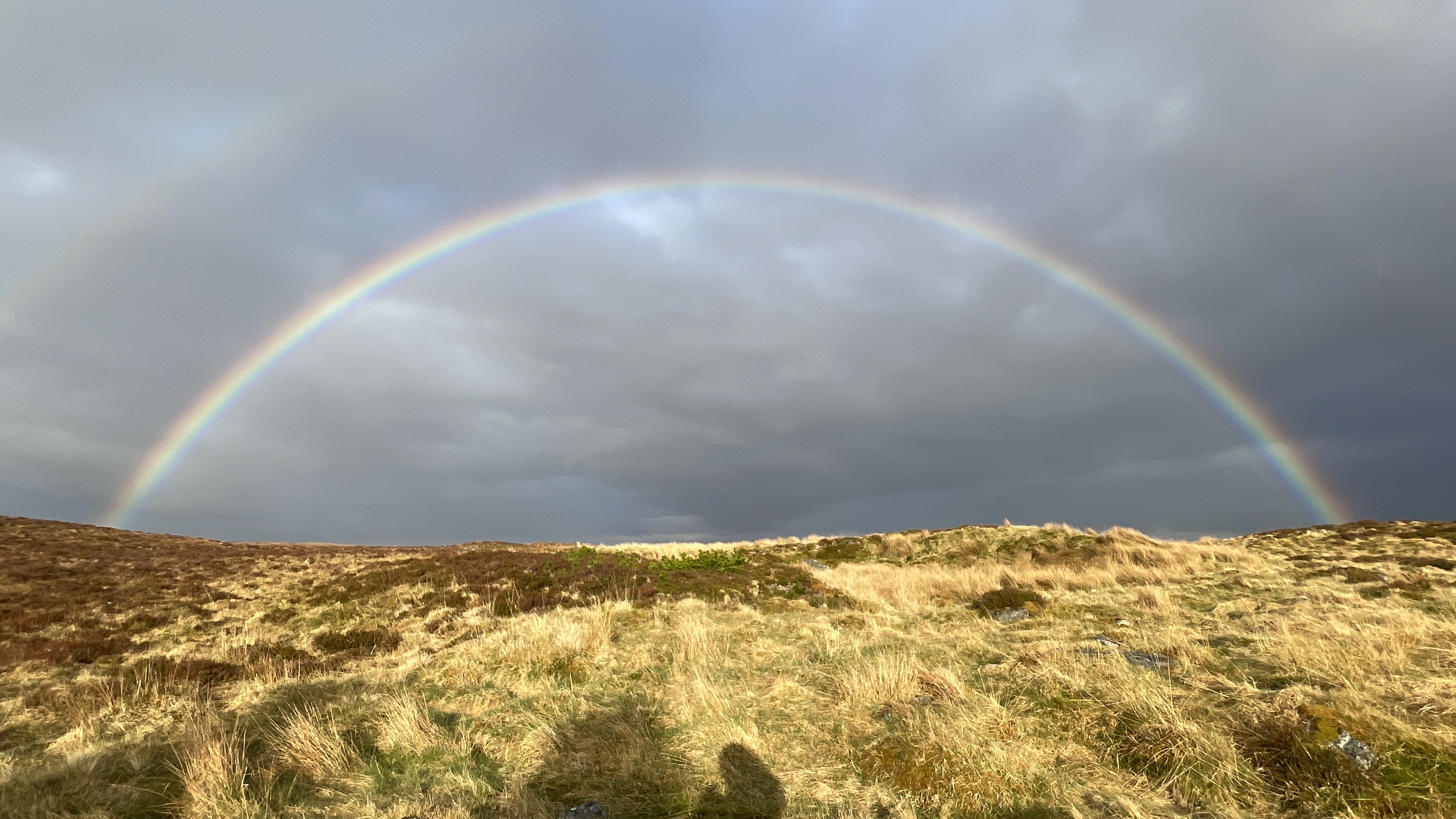
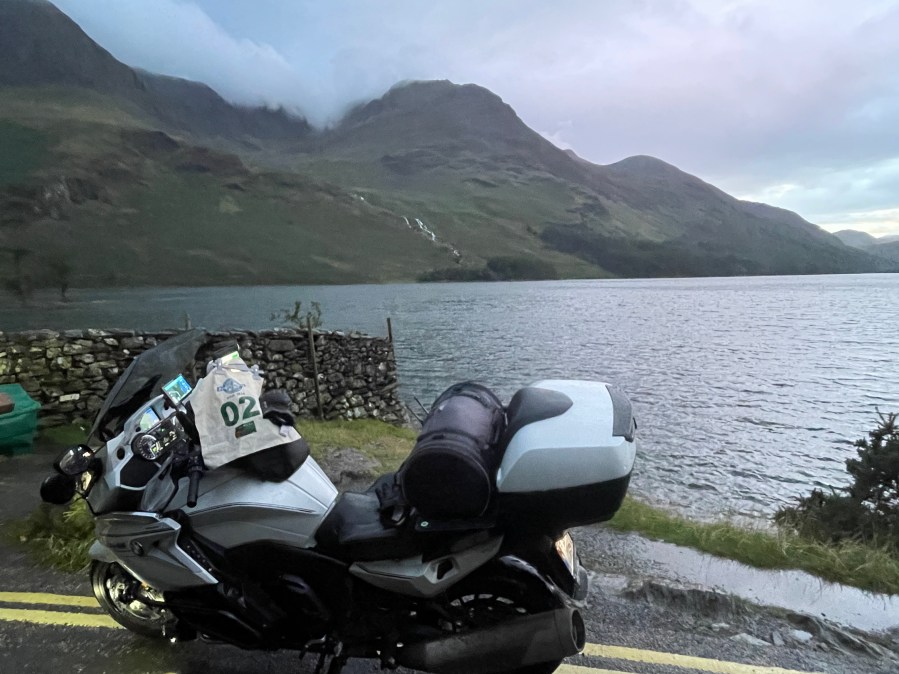
For the first time, I rode on the east side of Loch Ness to search for a memorial stone in the forest. I passed Inverness, heading for the north coast, picking up the high points. It is a rare occasion when I stop during a rally to take a “touristic” picture:
I reached the northernmost road of mainland Britain, the very much hyped NC500. I had ridden some parts in the southwest, but the road here was quite in bad condition, not really in a state to be a tourism magnet like the Route 66. Scenic, singletrack and very bumpy. I picked up two locations and turned around at Loch Eriboll. I was in a bit of hurry as I wanted to get to better road conditions before nightfall. Another location near Wick and I had to turn south again. Riding this road towards Inverness at night is always special. In the bright light of the auxiliary lights, the winding road is fun – unless you have to switch to dipped beam.
I checked into the reserved hotel in Inverness to do my mandatory four hour rest break. In the early morning, I continued my ride through the Cairngorm Mountains on small roads. I spent a lot of time to find the right access to this location (to the right). I committed a rookie error and left the flag on the top box! I only realised this when I was at the next location, 90 min away. Well, the rules are clear in this case: the rider’s face has to appear in all pictures. Annoying!
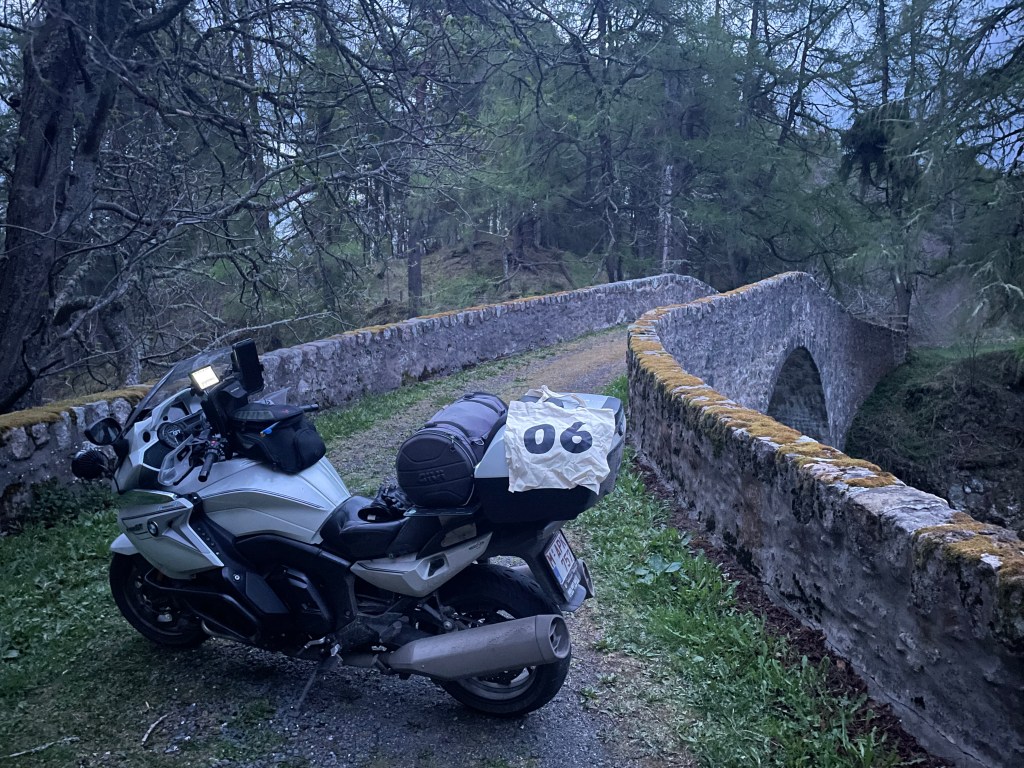
I criss-crossed via Dundee and Edinburgh towards Newcastle, picking up bonus point locations left and right. In order to make the checks of pictures a little more entertaining for the rally team back at the head quarters, I started to pull faces. Let’s have some fun!
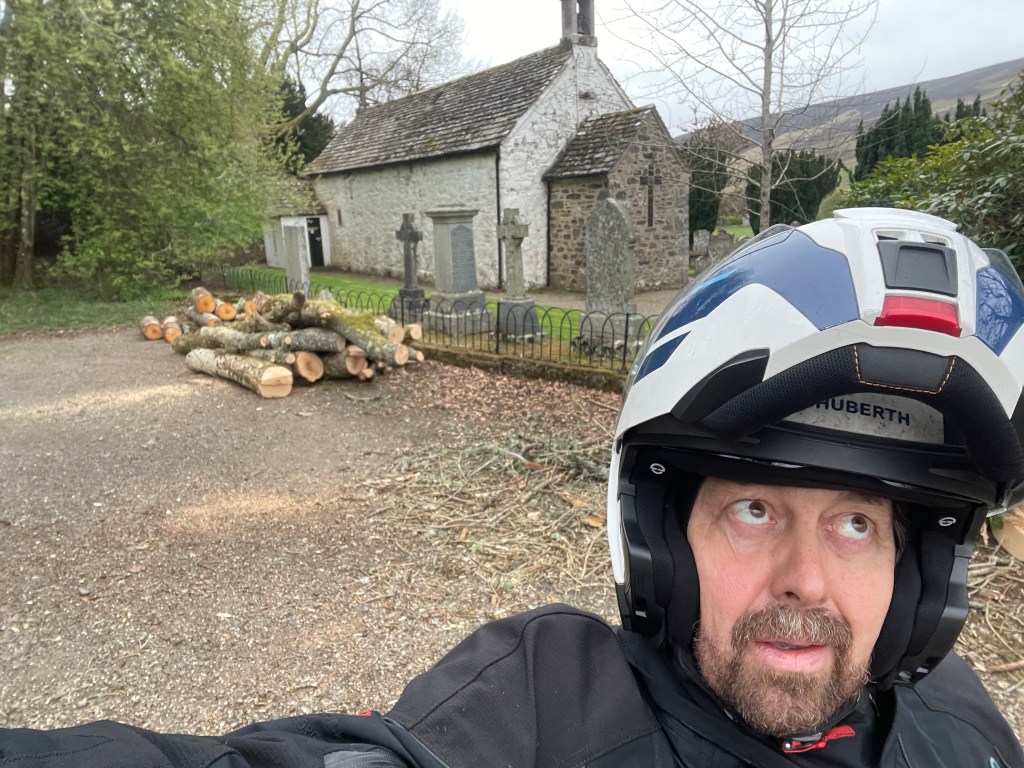
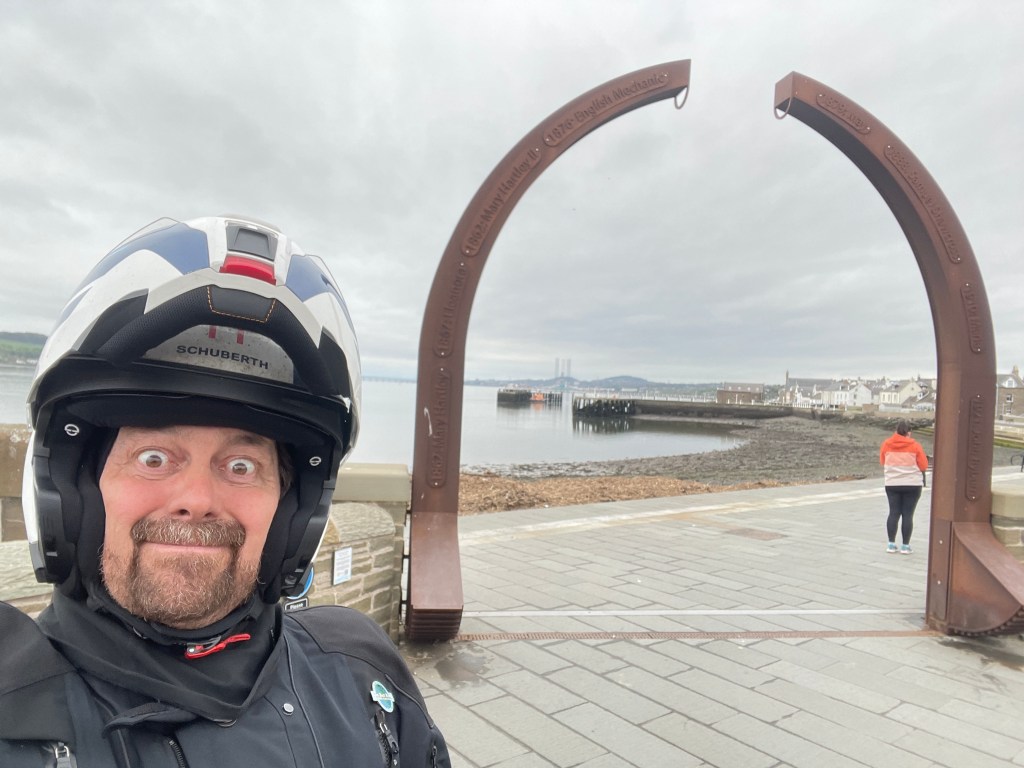
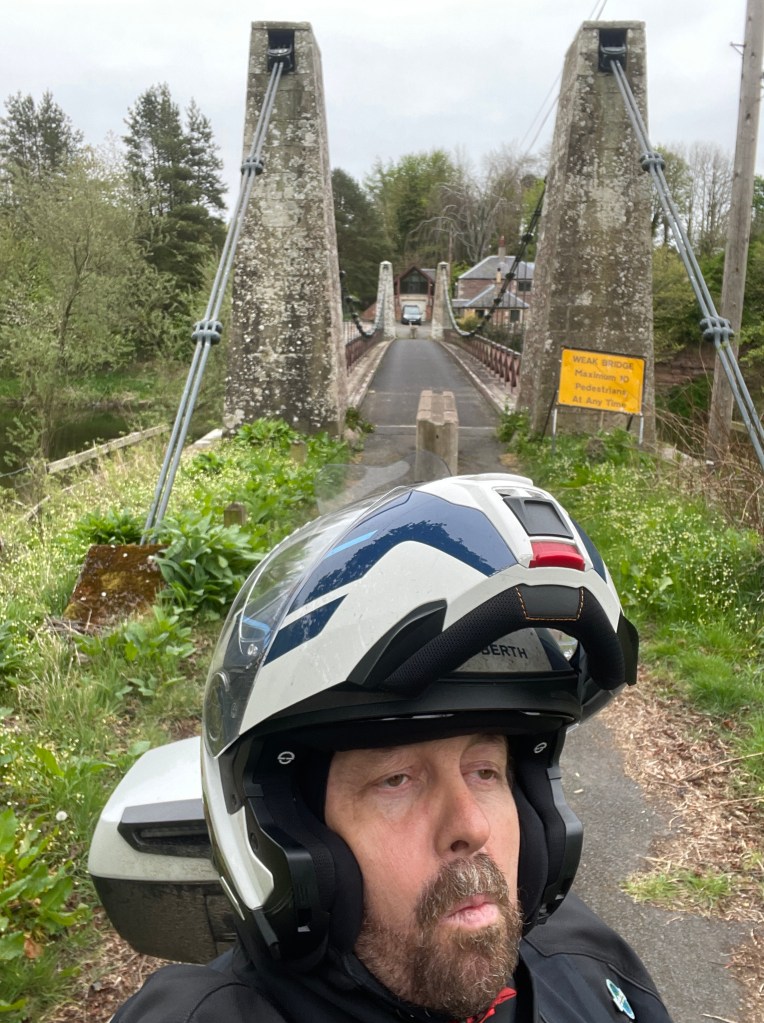
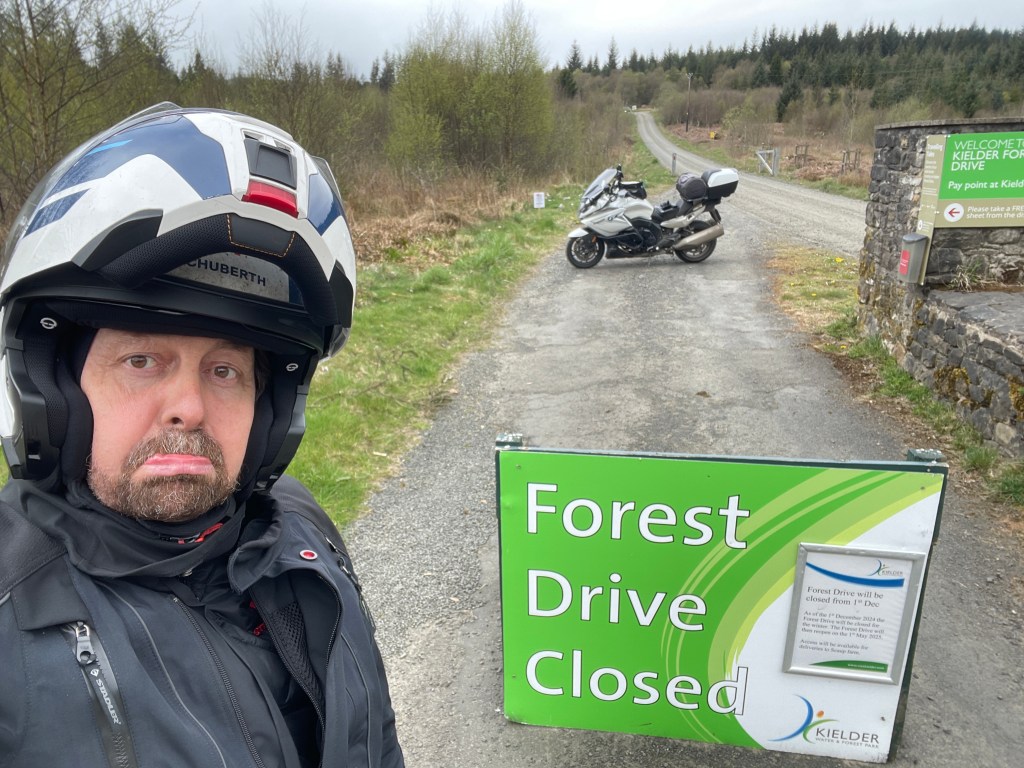
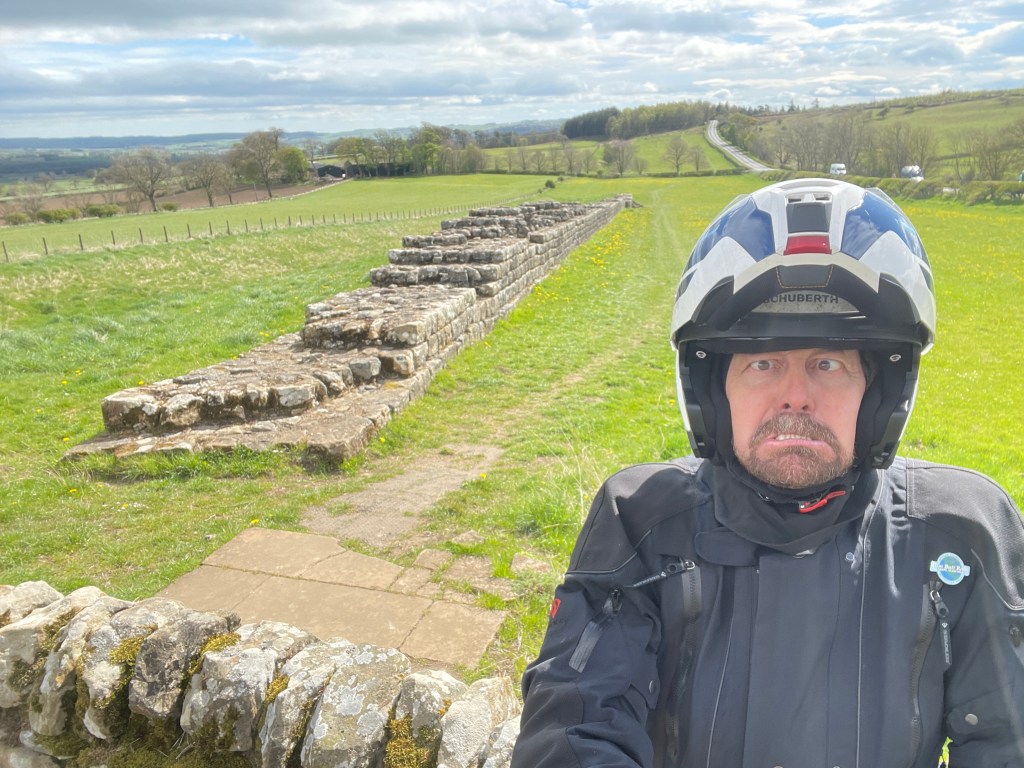
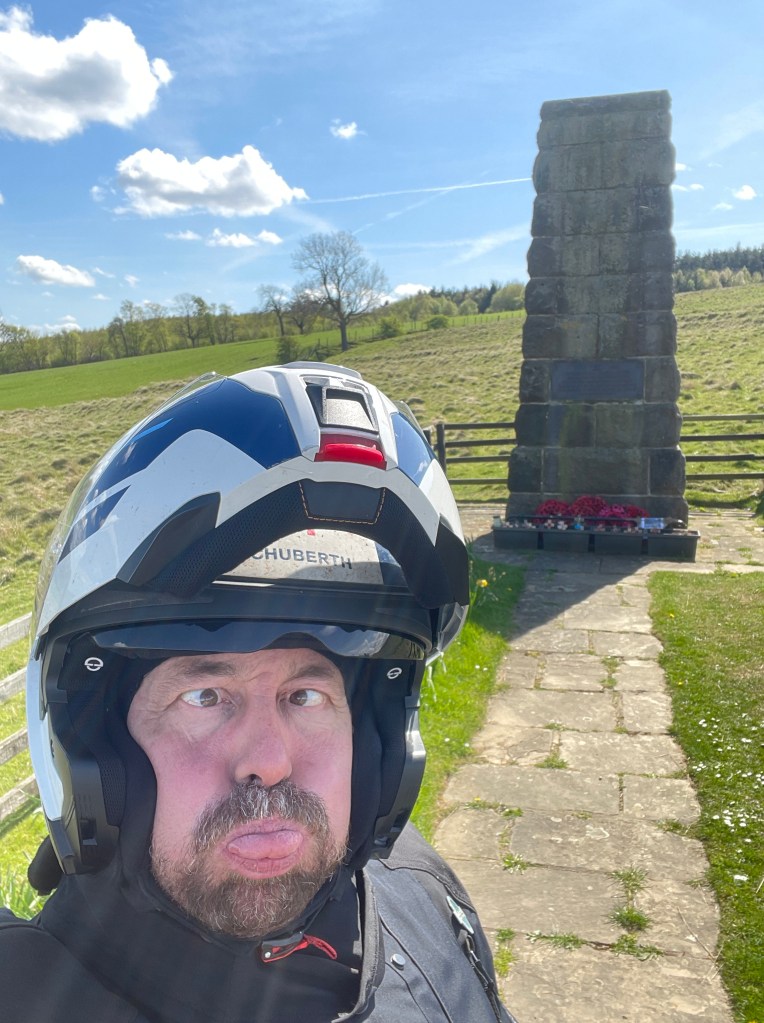
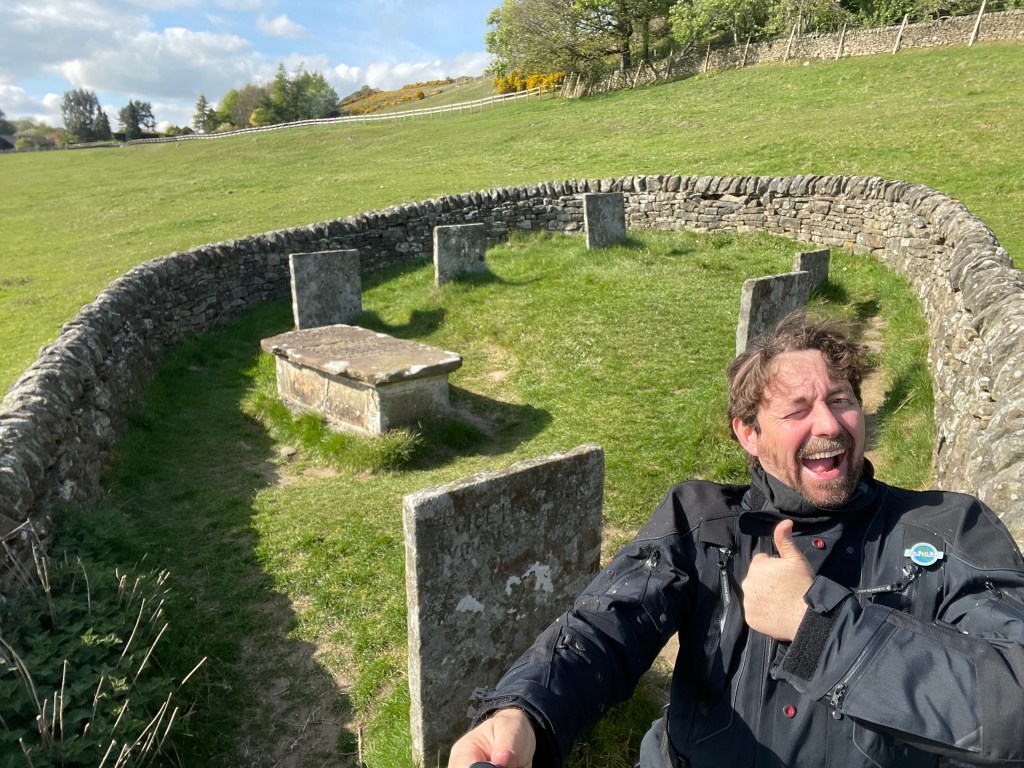
Before reaching Newcastle, I contacted Dave Badcock, IBA UK veteran from South Shields where one statue was located. There was enough time for a quick chat.
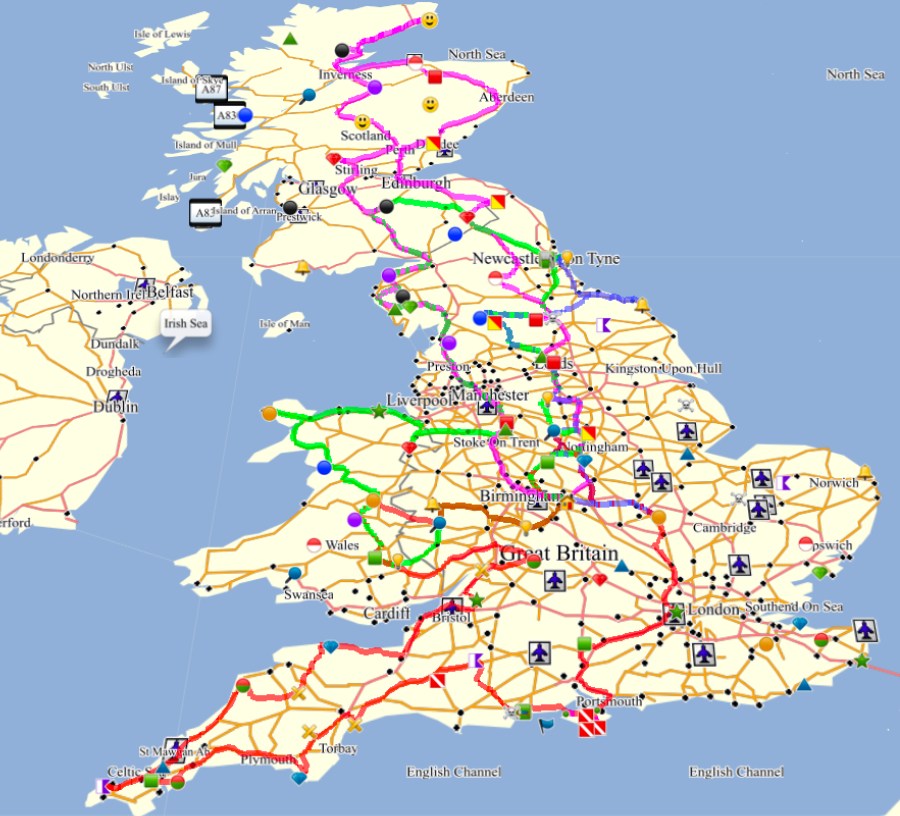
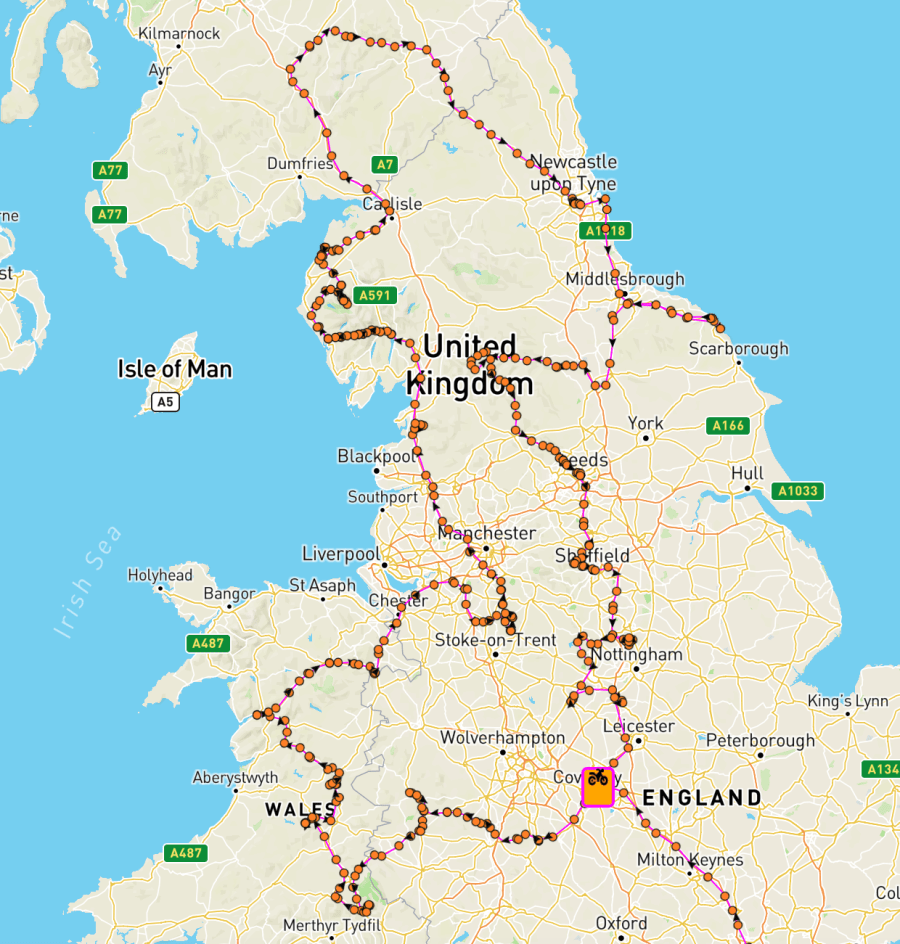
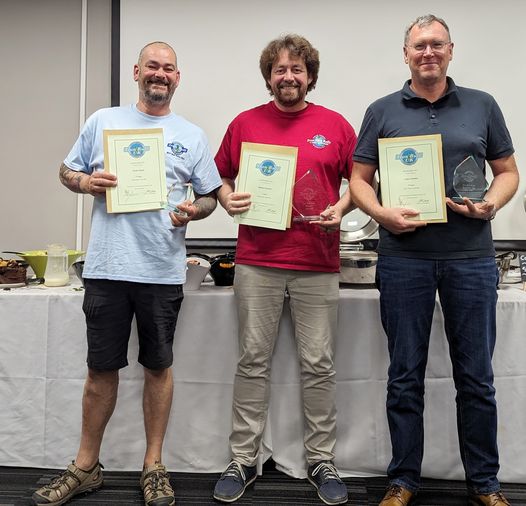
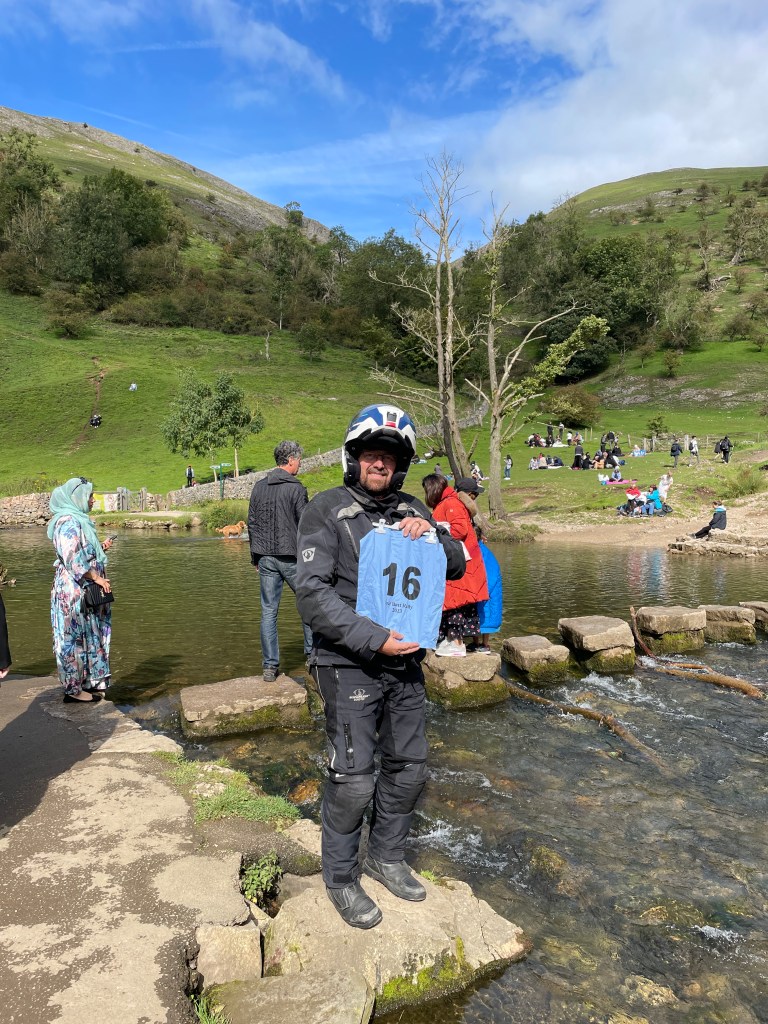
The rest was adapting/picking up as many locations as possible on the way back to the finish, with some interesting excursions to the Yorkshire Dales and the Peak District. After 1565 miles (2518 km), I returned to the rally HQ, check in, did the scoring, accepted the score. After the dinner, the ceremony revealed the results: another first place and first person to have won the Brit Butt Rally seven times. Fun fact (with tongue in cheek): this was the first non-British podium ever ☺️
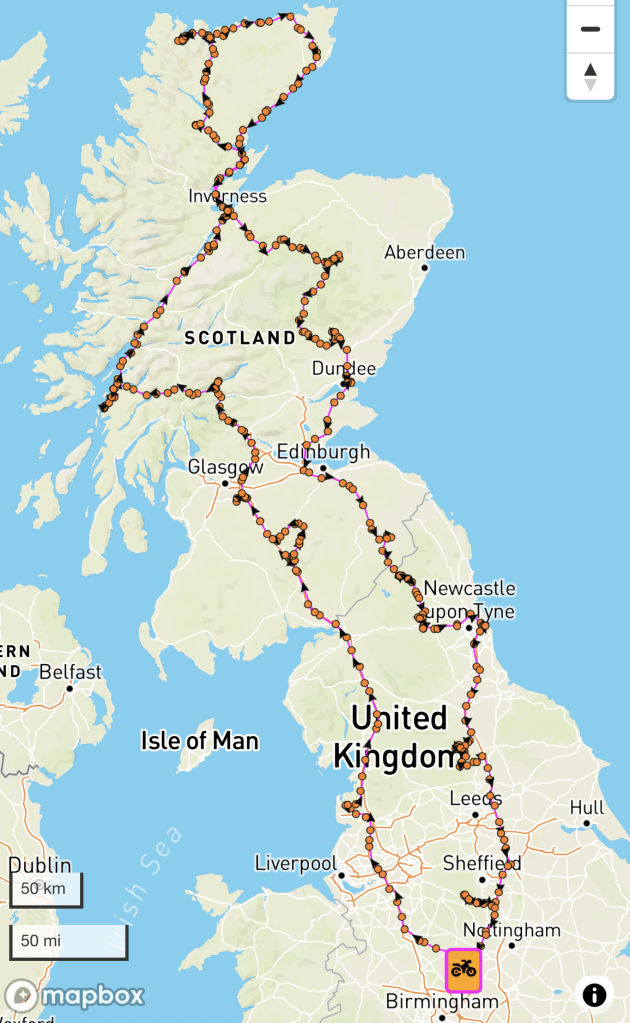
My route of the BBR25 
The podium riders 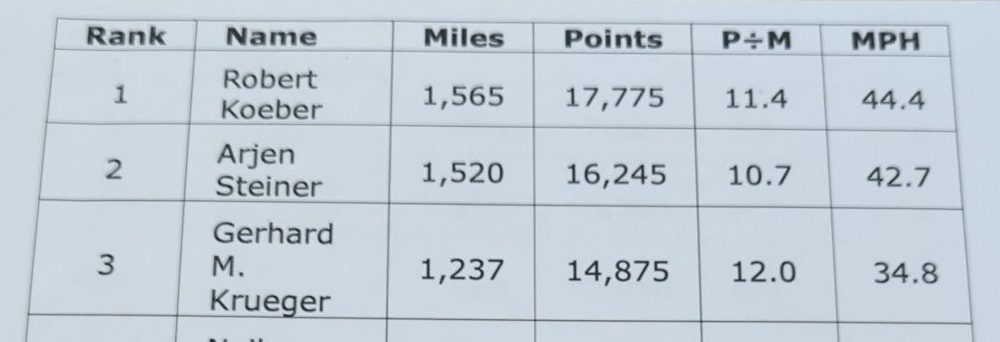
The podium
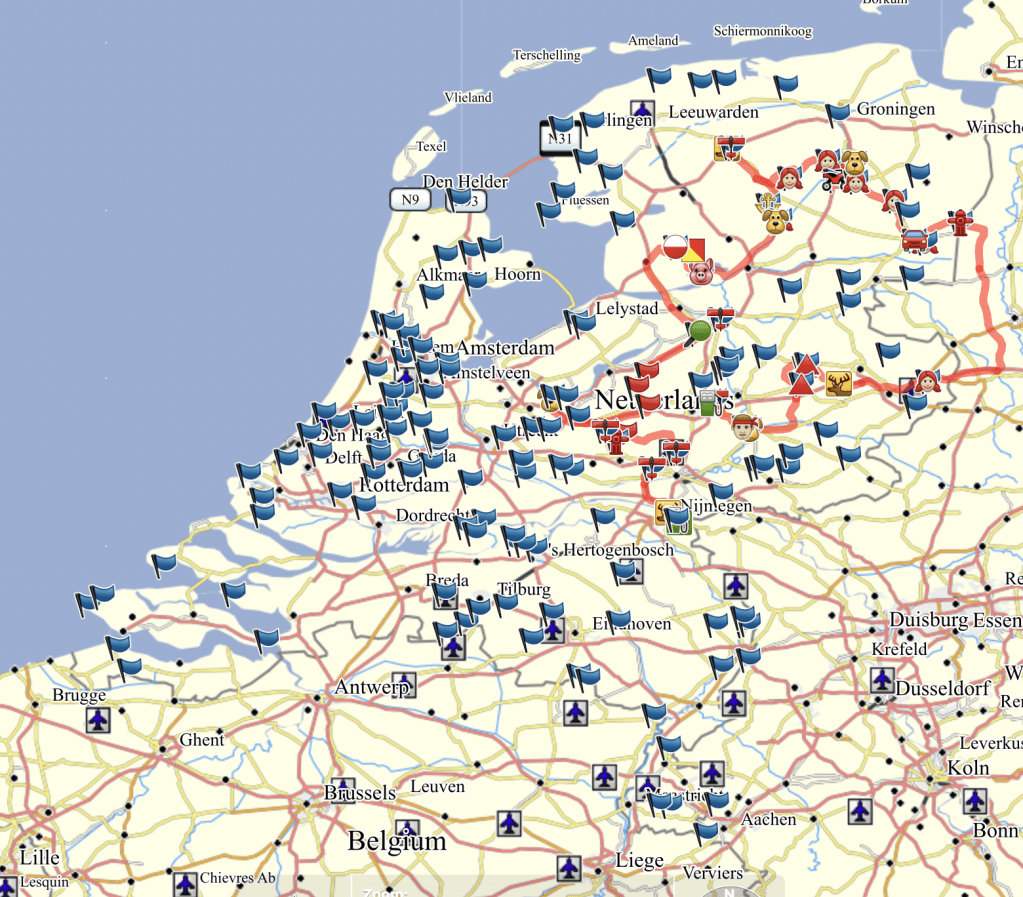
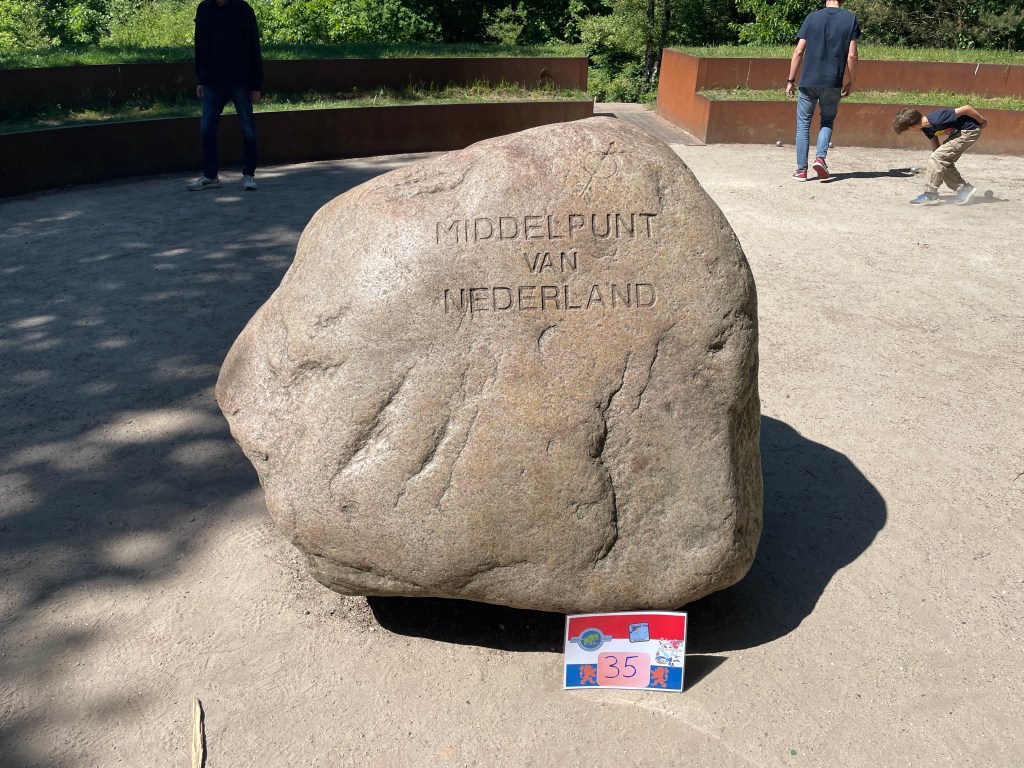
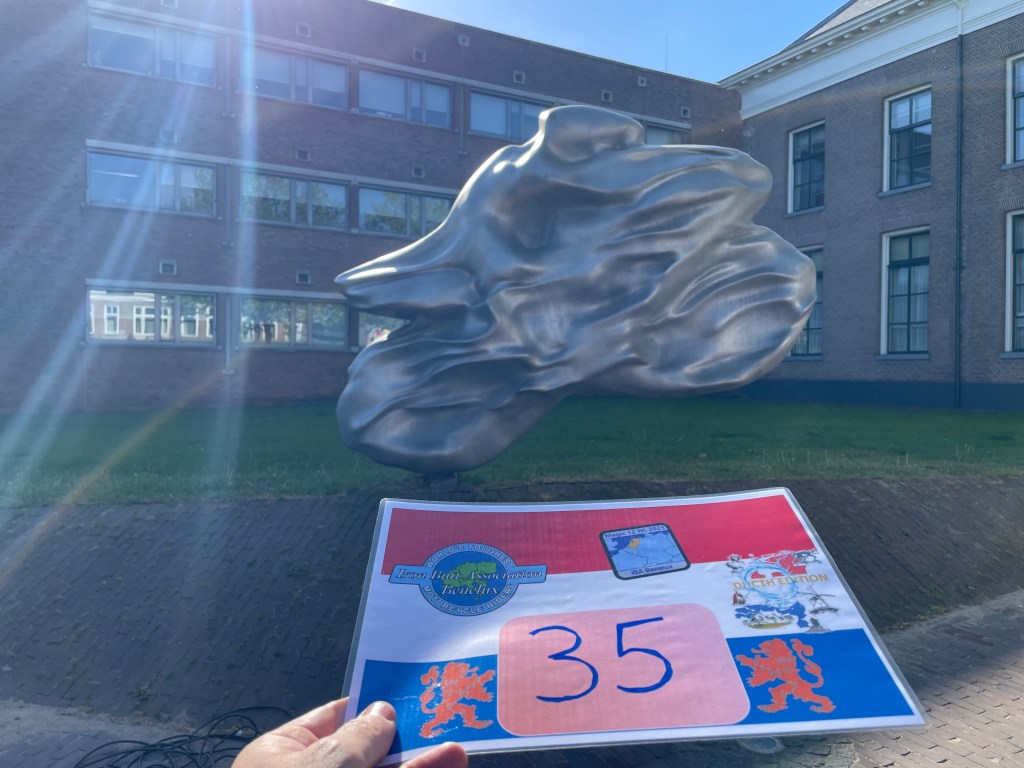
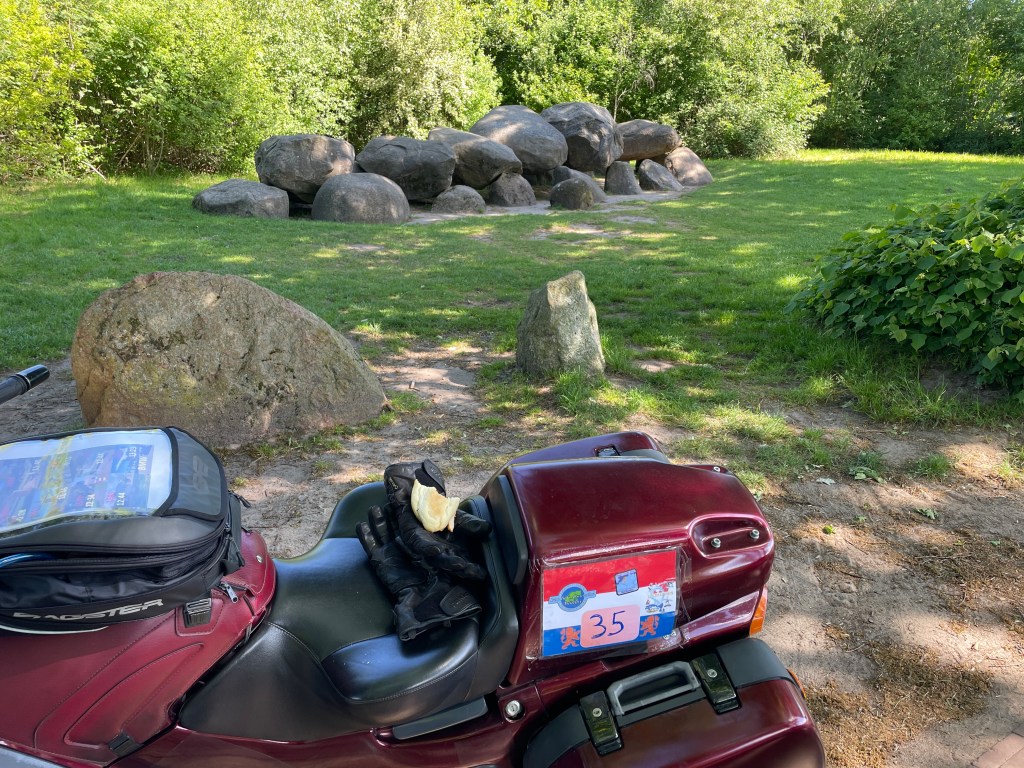
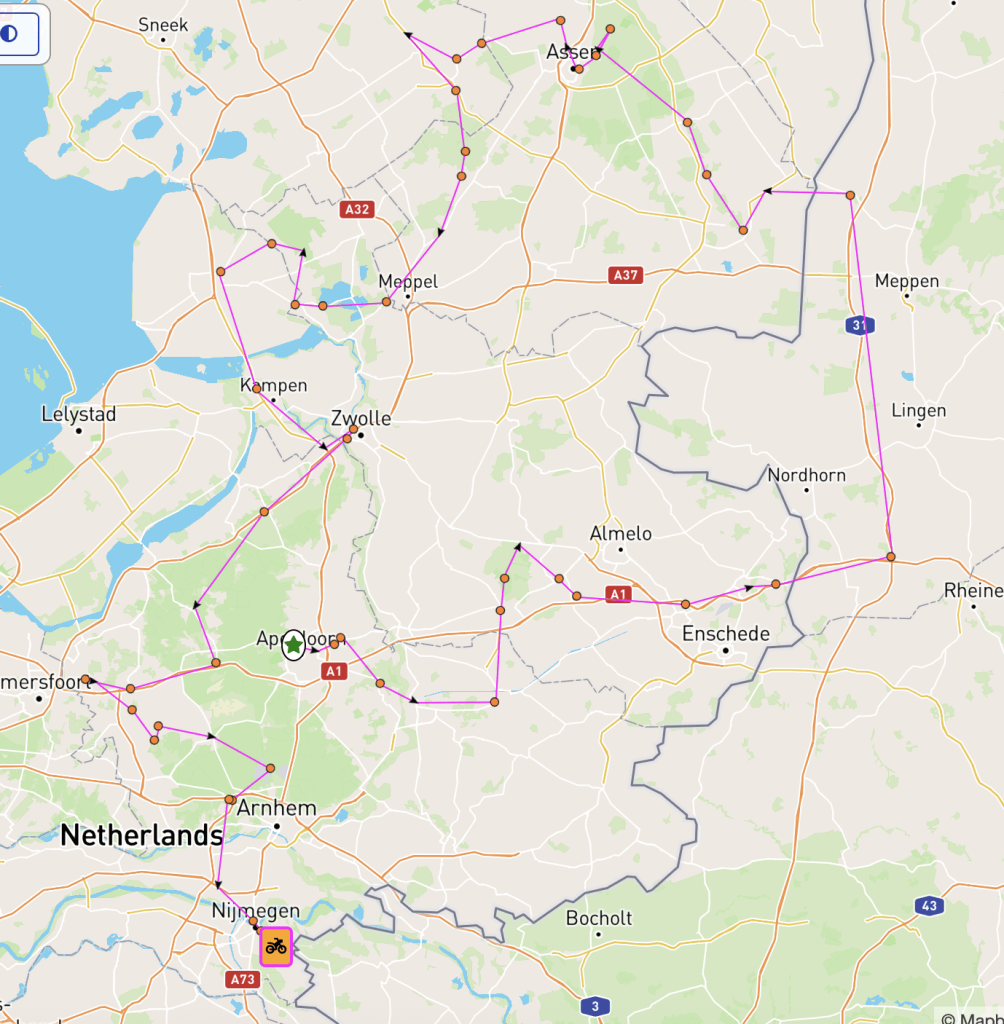
Only three weeks later, the next rally was pending, for the first time the Magic12 Rally took place in the Netherlands. As usual for this type of type of 12 hour rally, we received the data a few days earlier and could design a route at home. The starting location was free, only the finish was given (near Nijmegen). 167 (!) possible bonus point locations, difficult to see the forest despite all the trees. Here, the key was also to include a high number of combos.
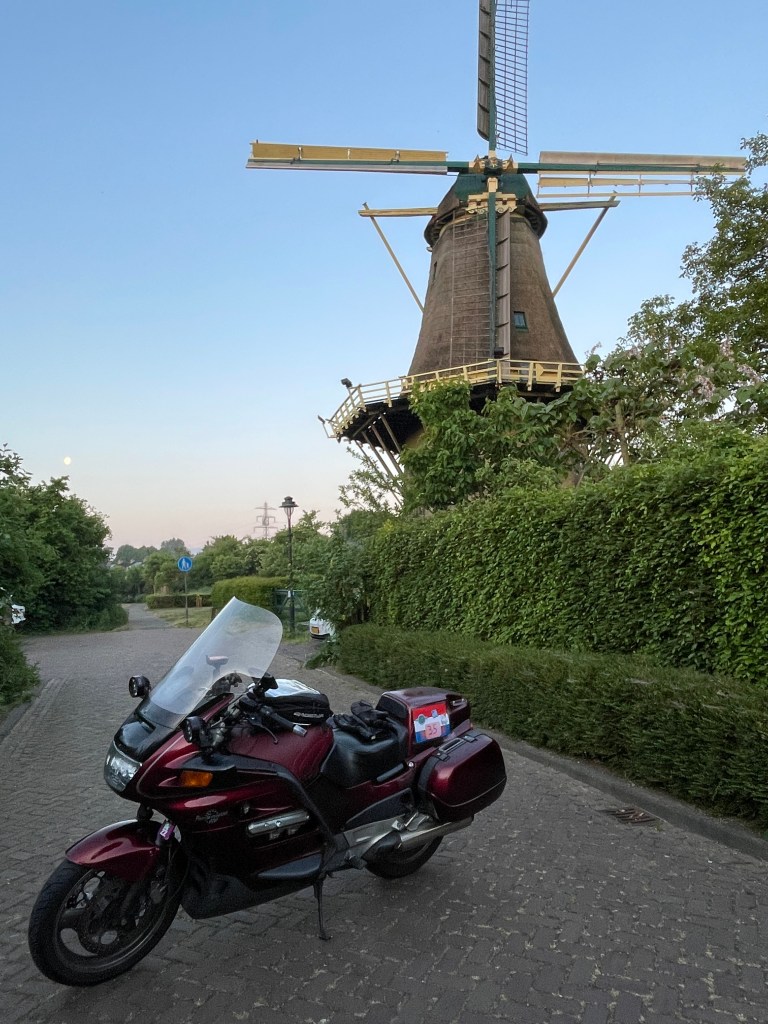
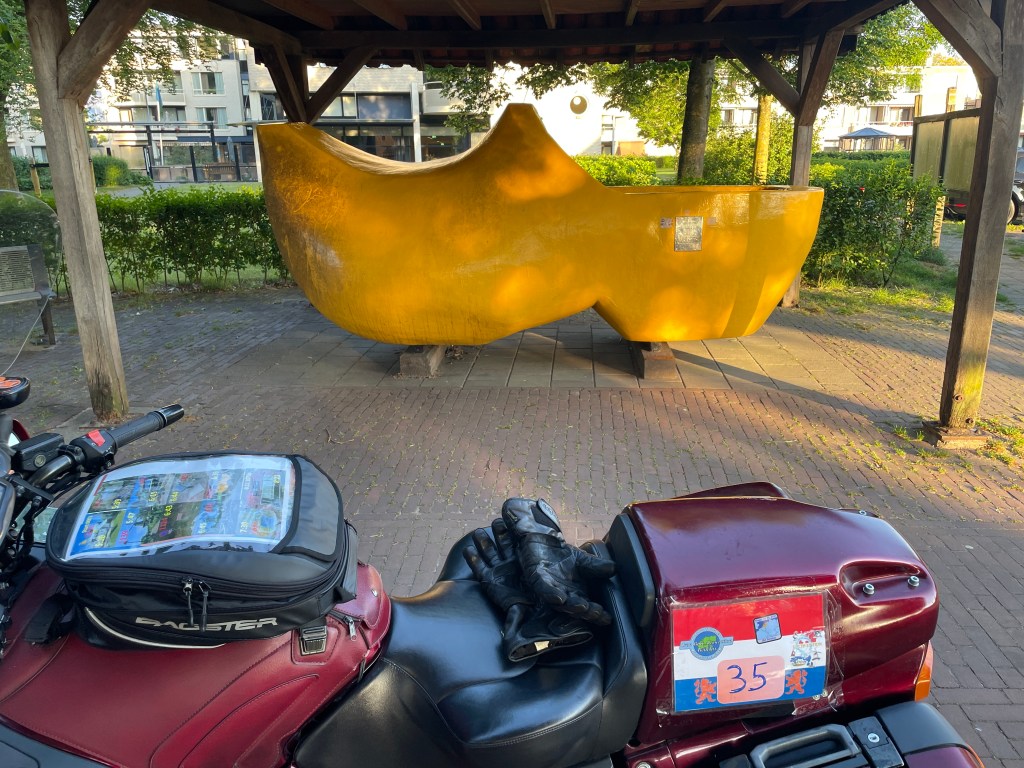
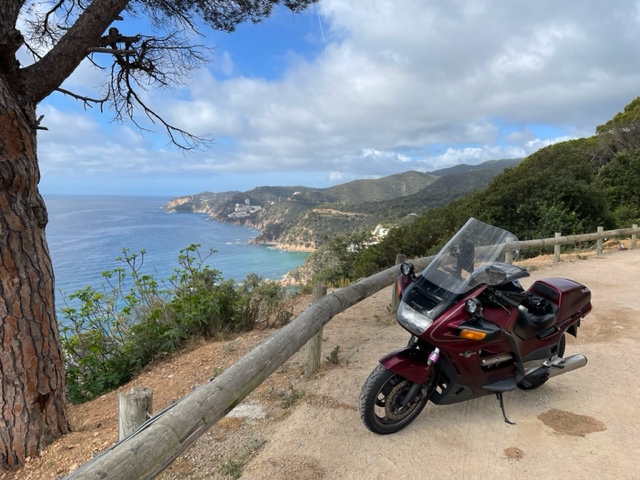
I did not take the BMW this time; my calculations circulated around the service intervals, I better “reserved” the BMW for the big rally later in August. So I chose the most successful LD rally bike in Europe, my old 1997 Pan European (Honda ST1100). No LD frills anymore, just a single Sat Nav, that’s all it takes. My chosen route dictated that my starting point would be best in Apeldoorn. So I booked a hotel the night before, checked the nearby first BP and the petrol station for the starting ticket the next morning.
I had picked a route through rural eastern Netherlands, away from big cities and congested roads in bristling provinces like North and South Holland. An early start at 5 a.m. Weather was excellent and I enjoyed empty roads in the morning, I even did a short stint on the A31 in Germany, the weekend “racetrack” for many Dutch who want to go high speed. My plan worked out quite well and after 12 hours, I arrived at the finish after a nice day out. It was fun to ride the old steed again, it still knows how to do things. The outcome was quite good – another win for the old bike. Nice chats after dinner and a quick ride home.


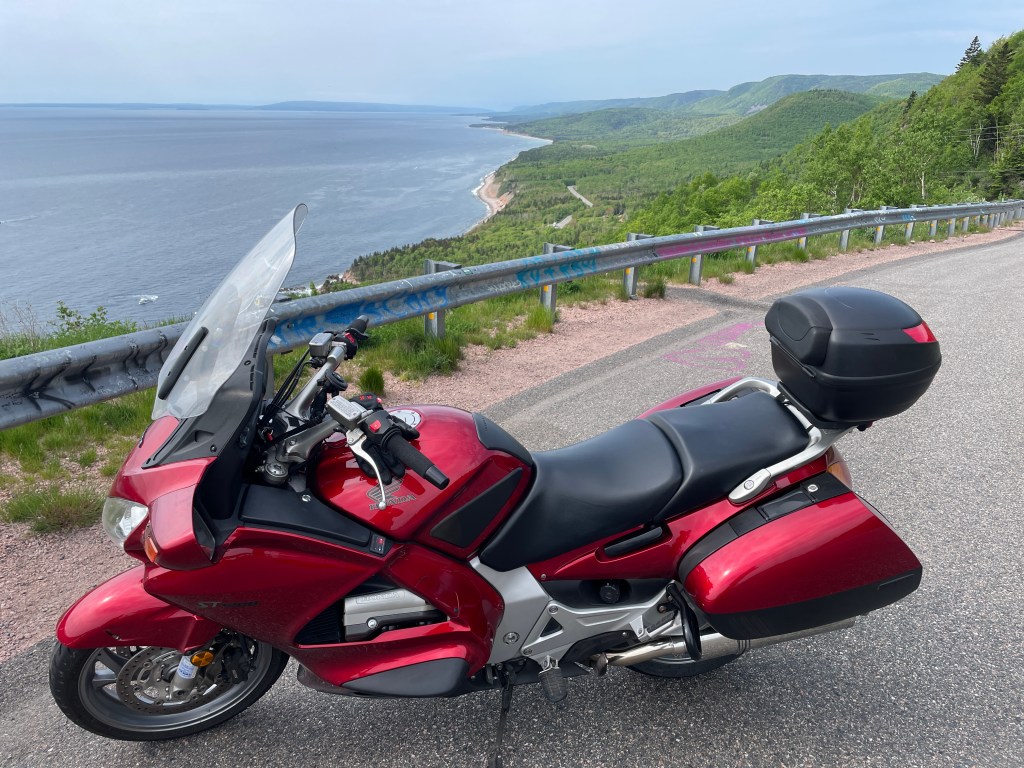
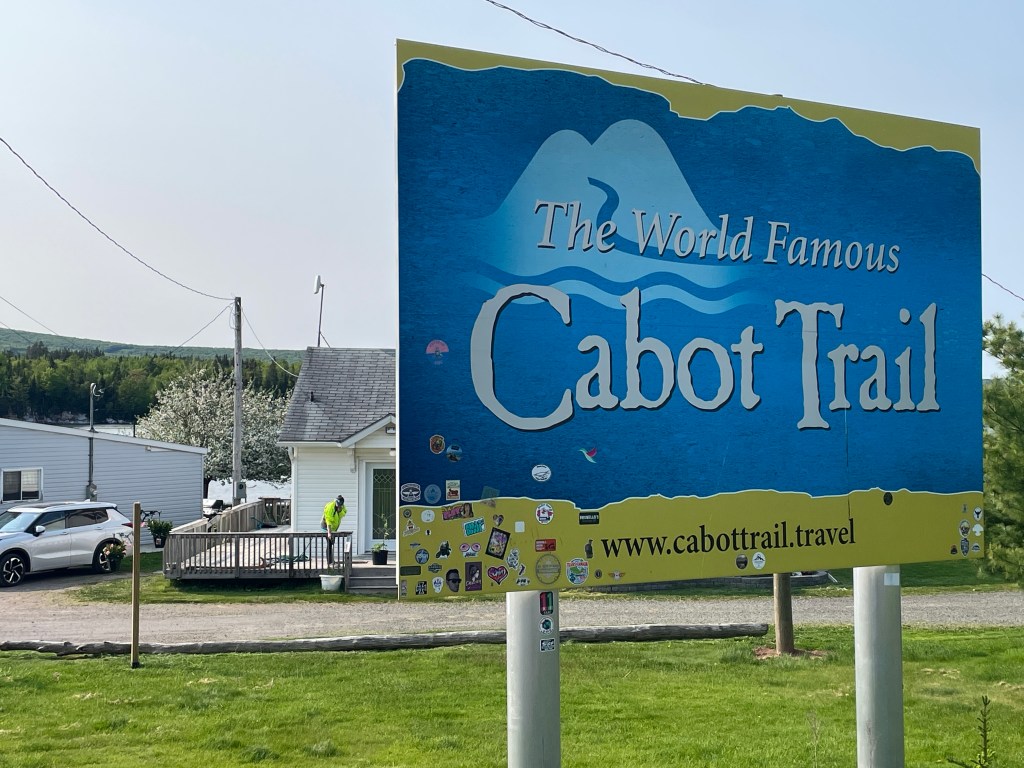
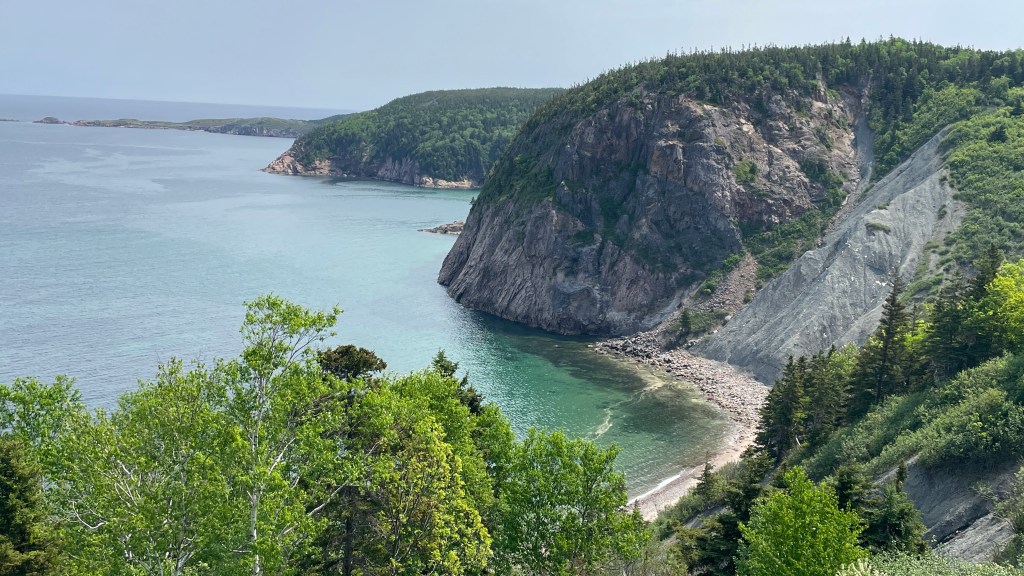
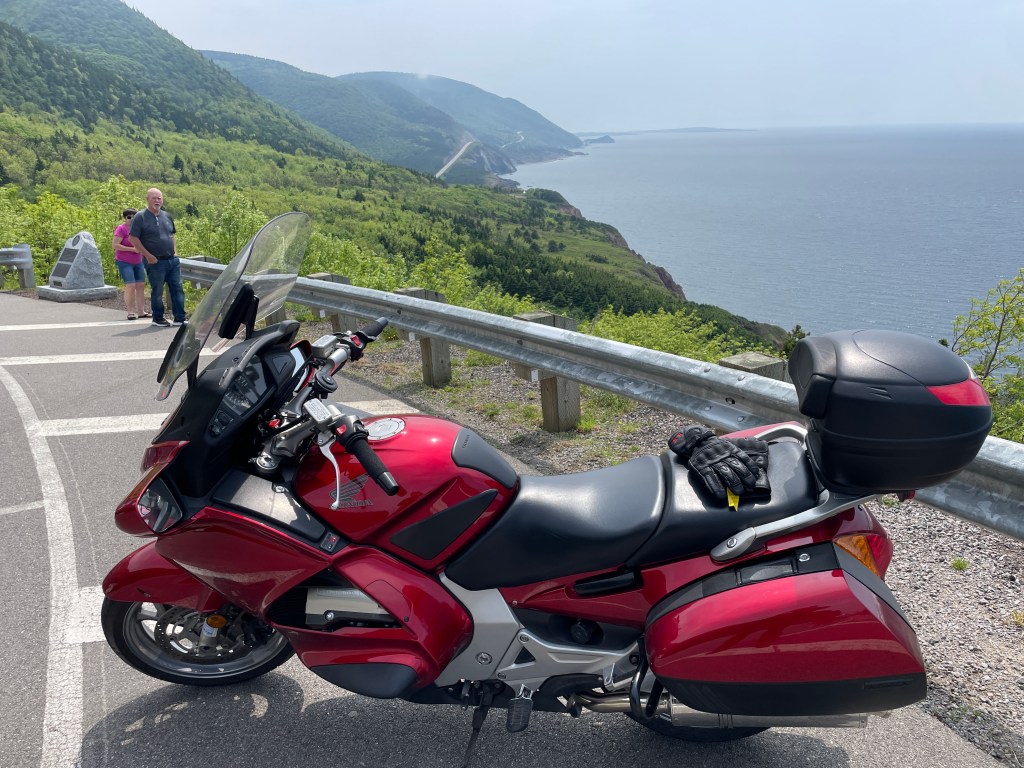
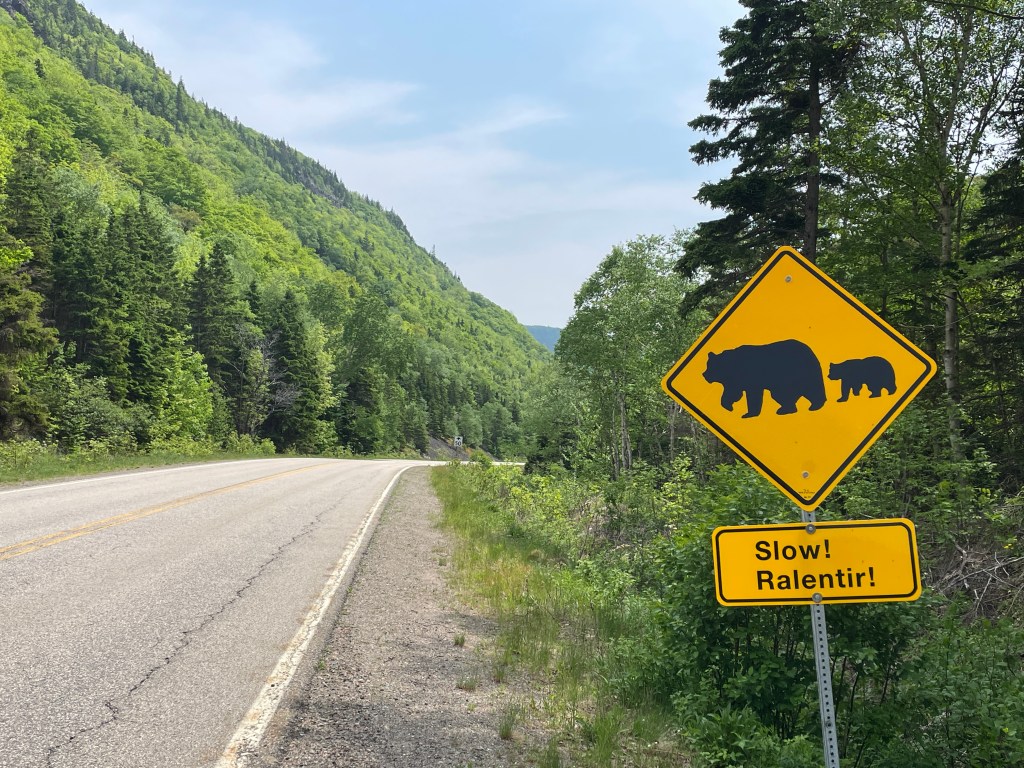
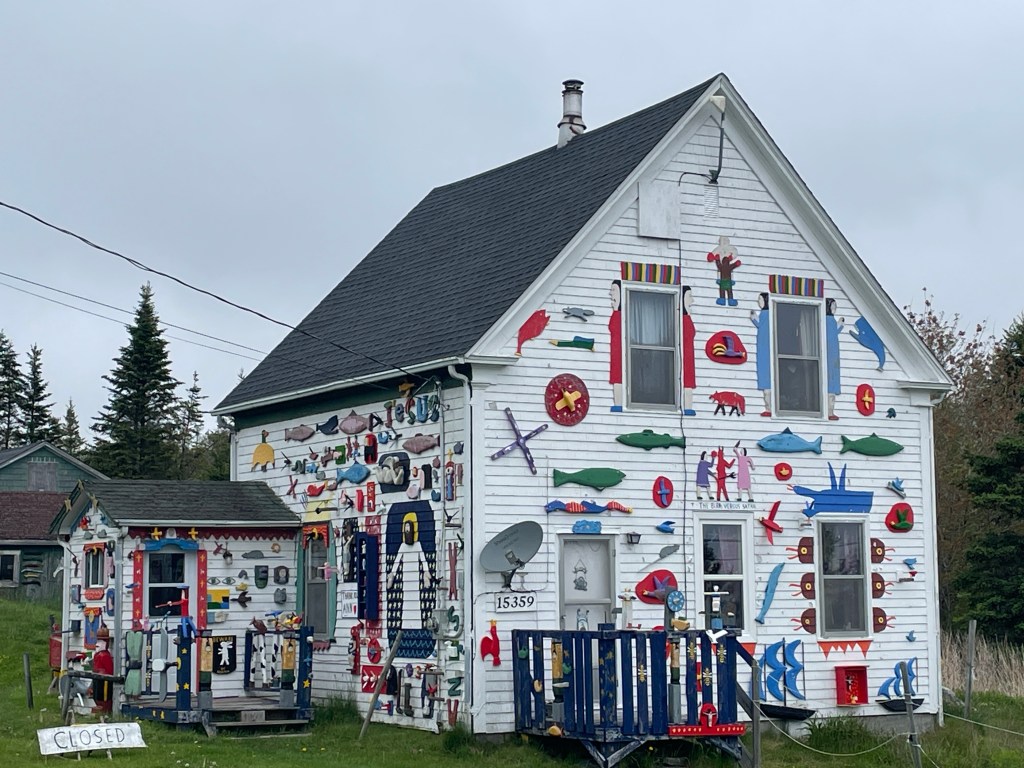
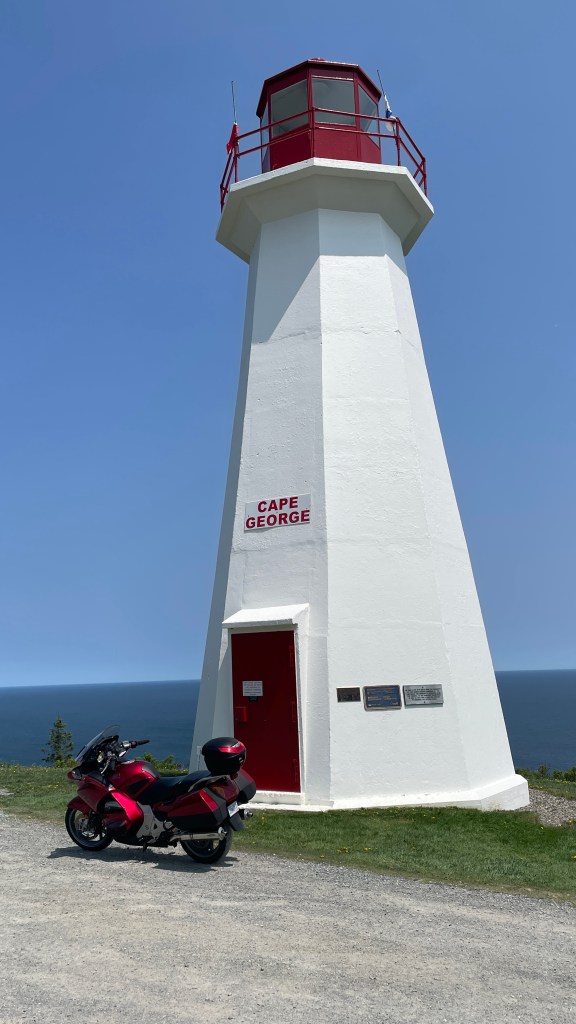
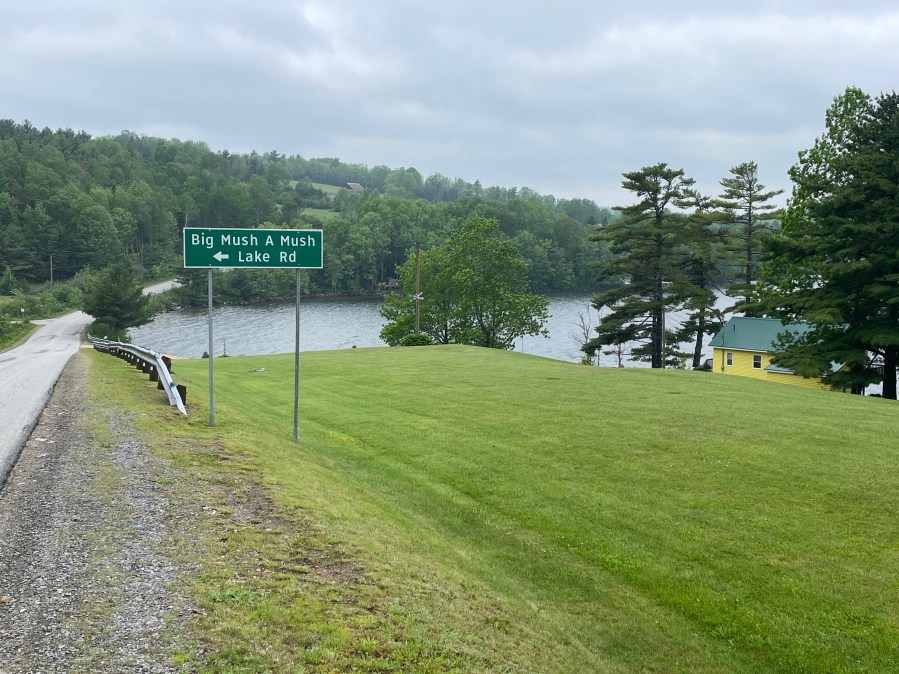
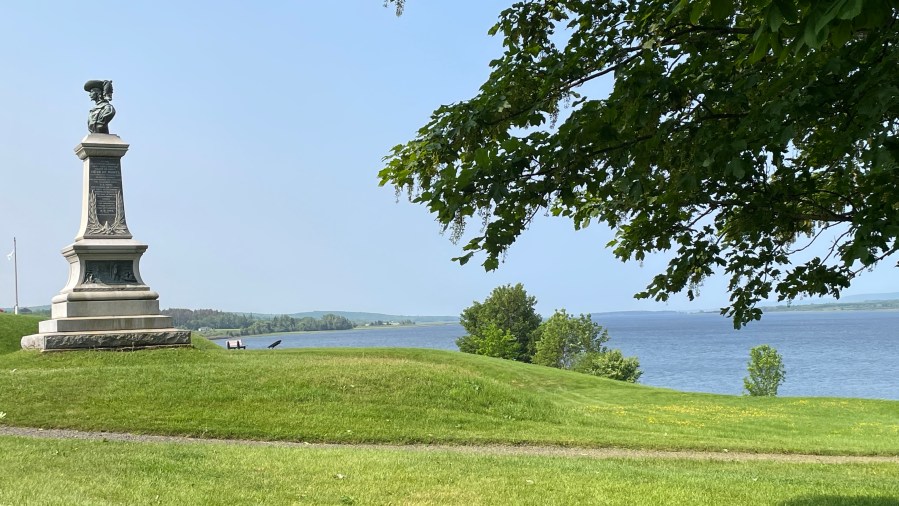
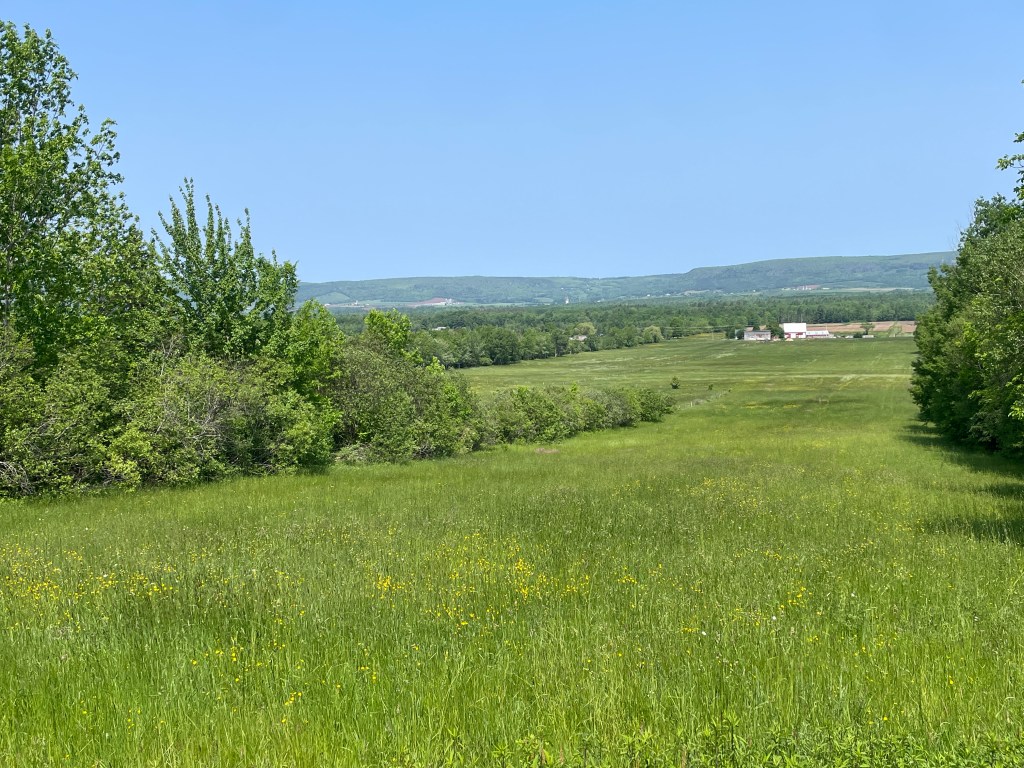
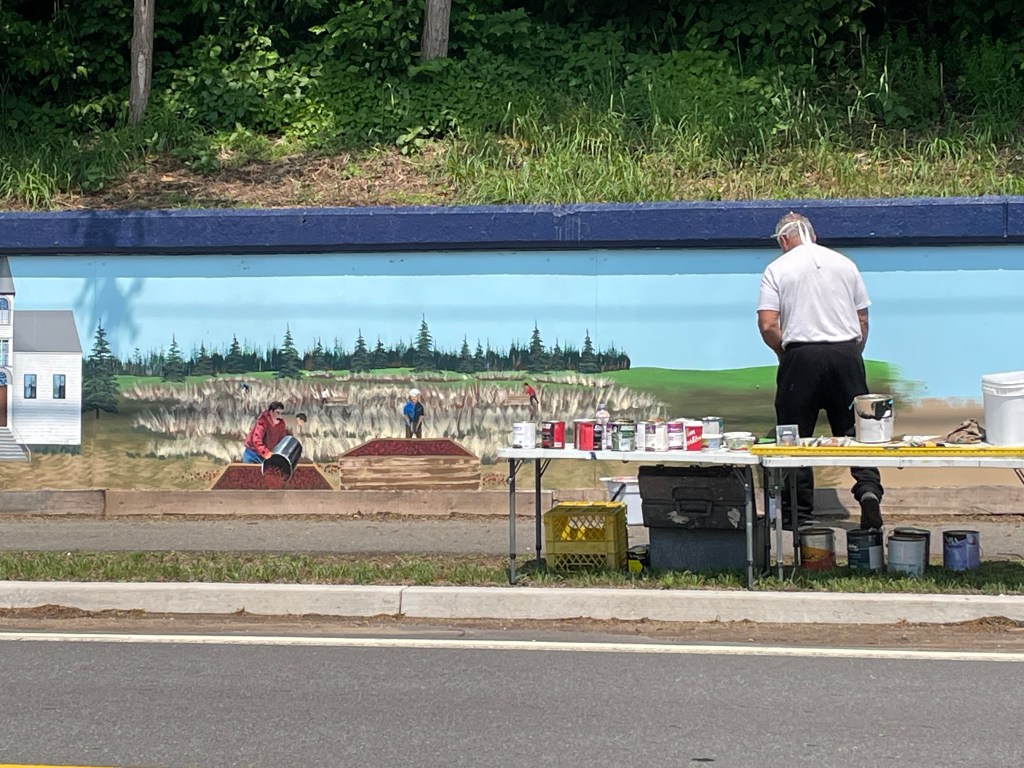
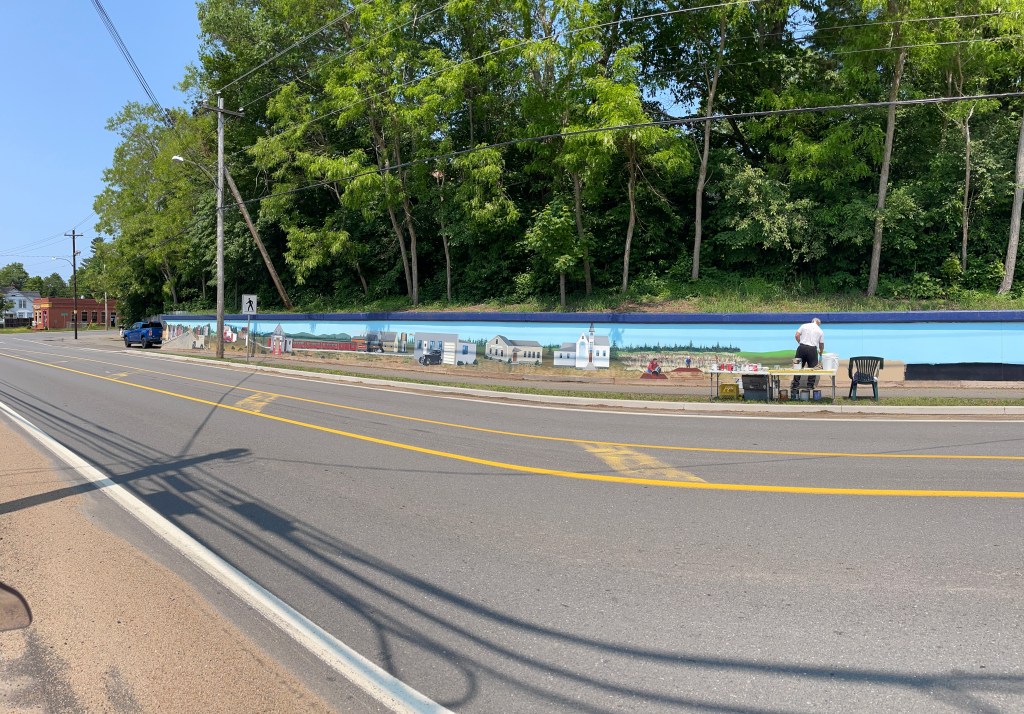
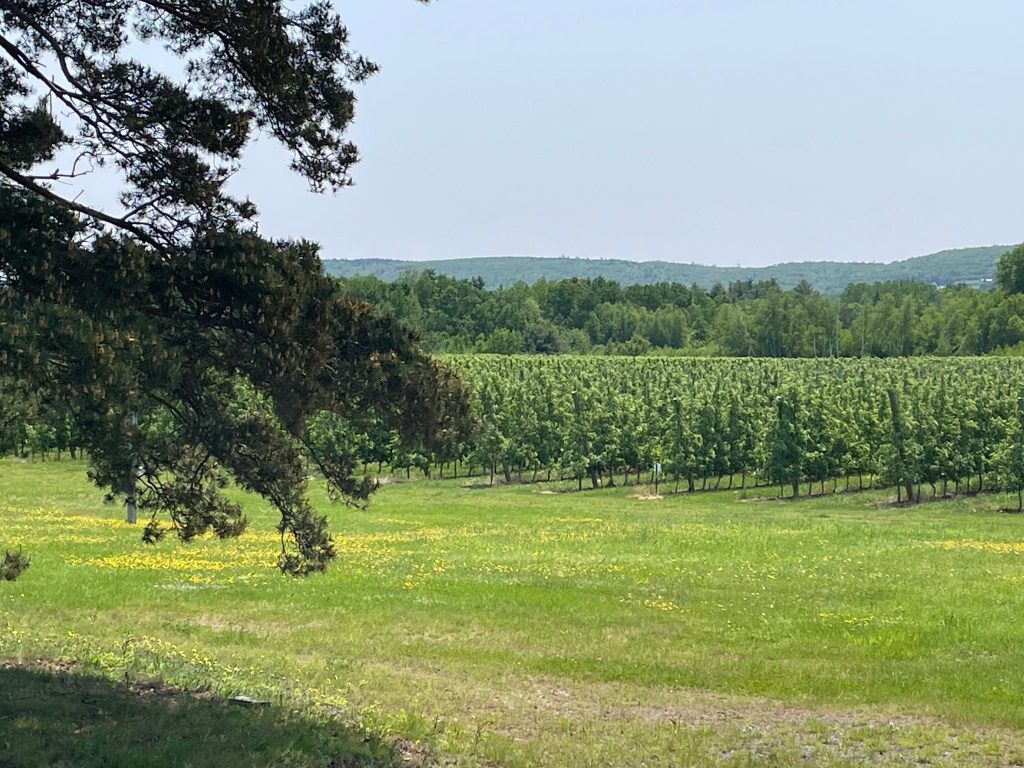
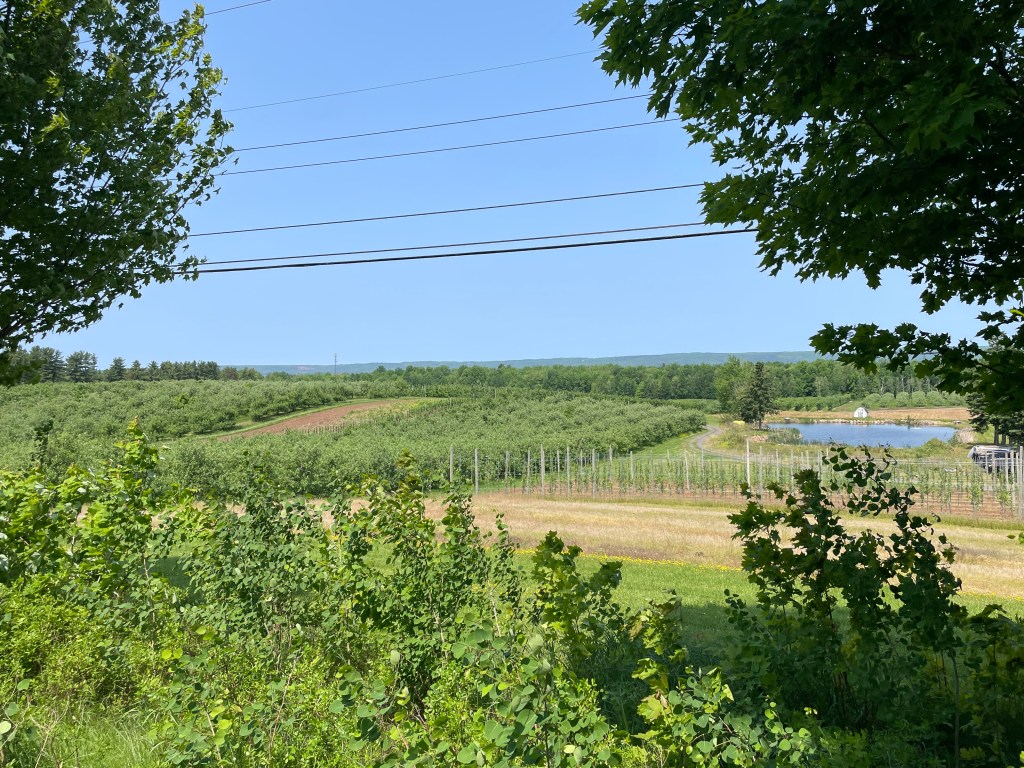
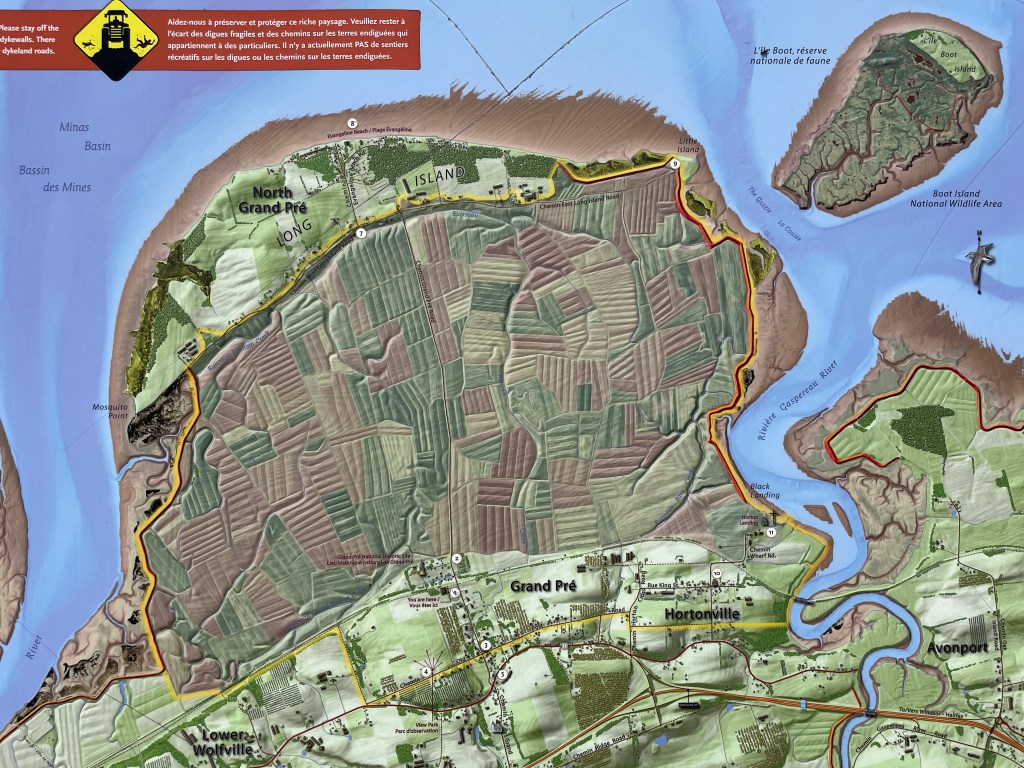
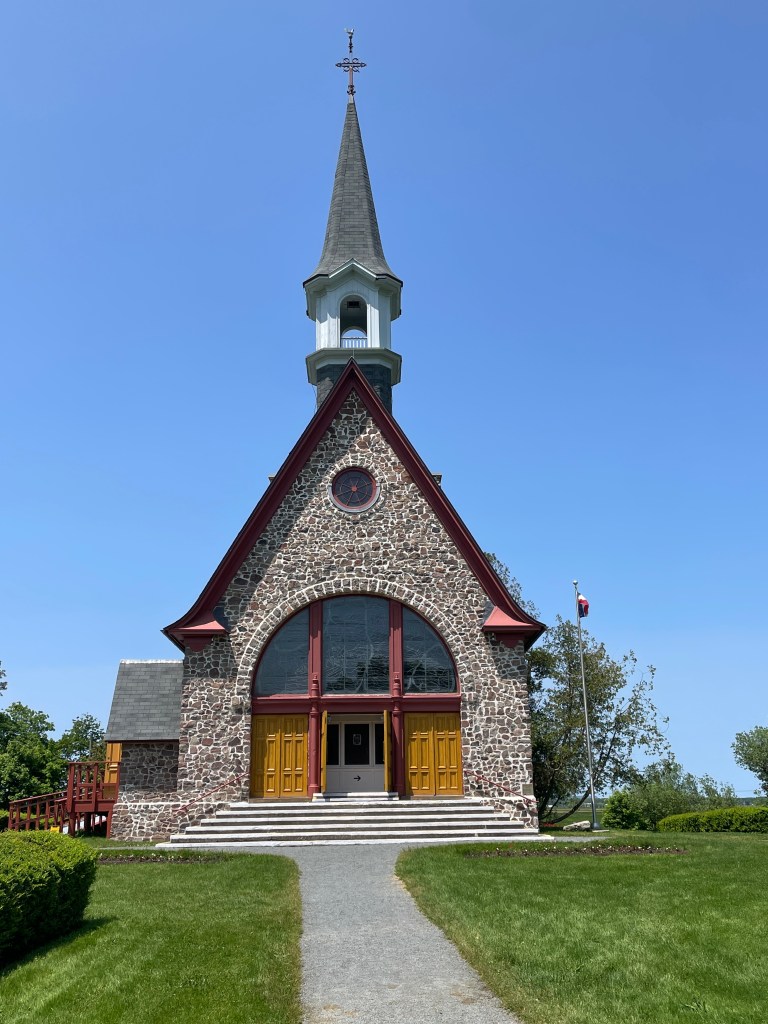
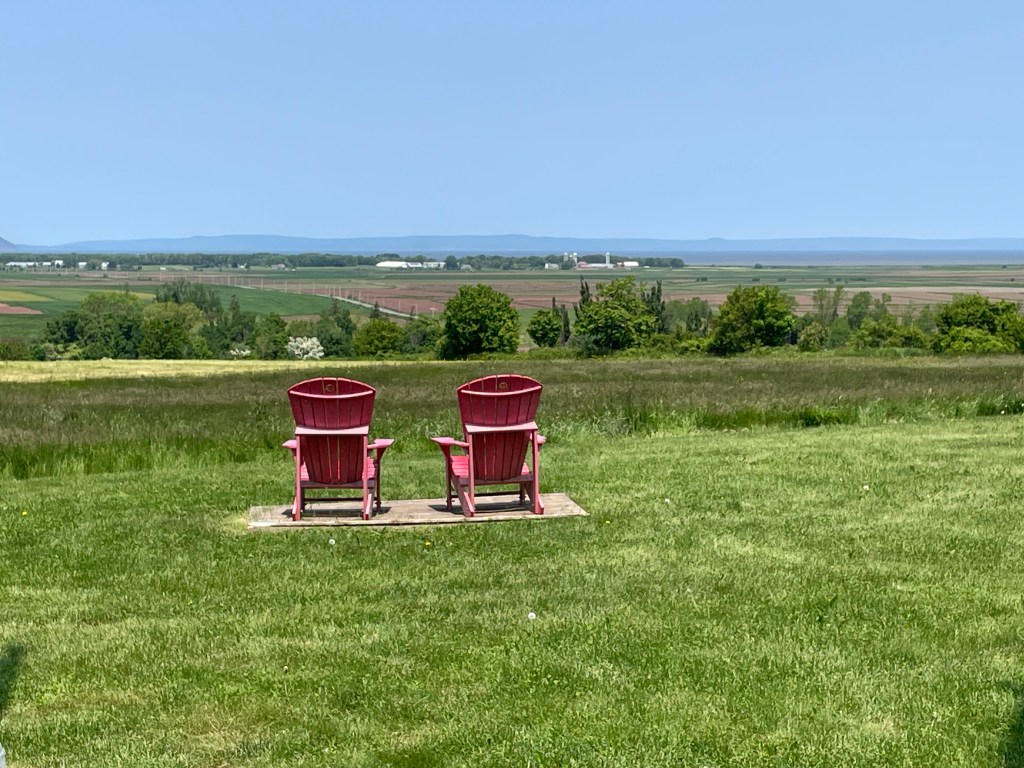
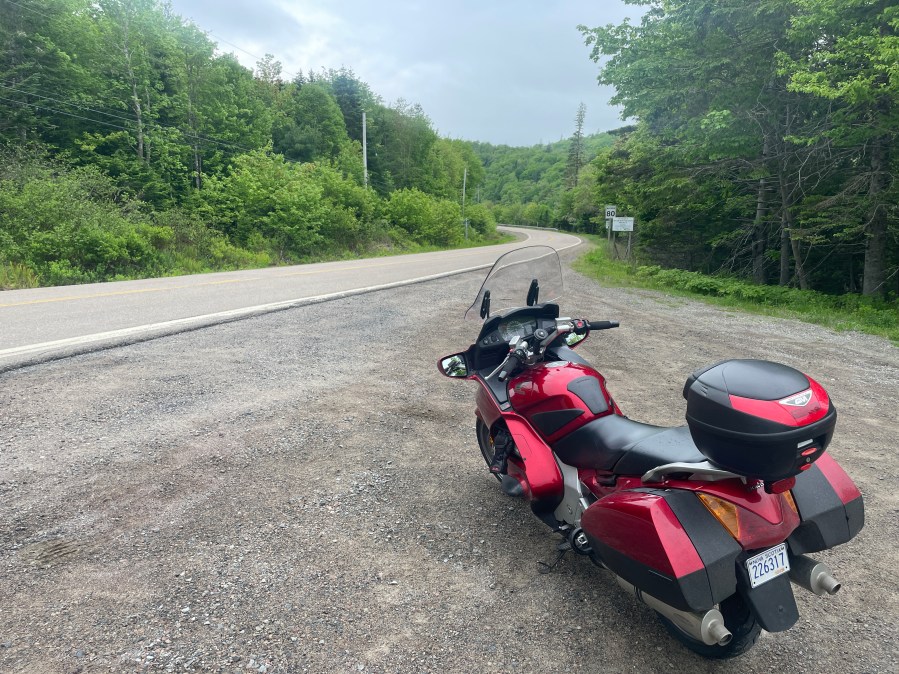
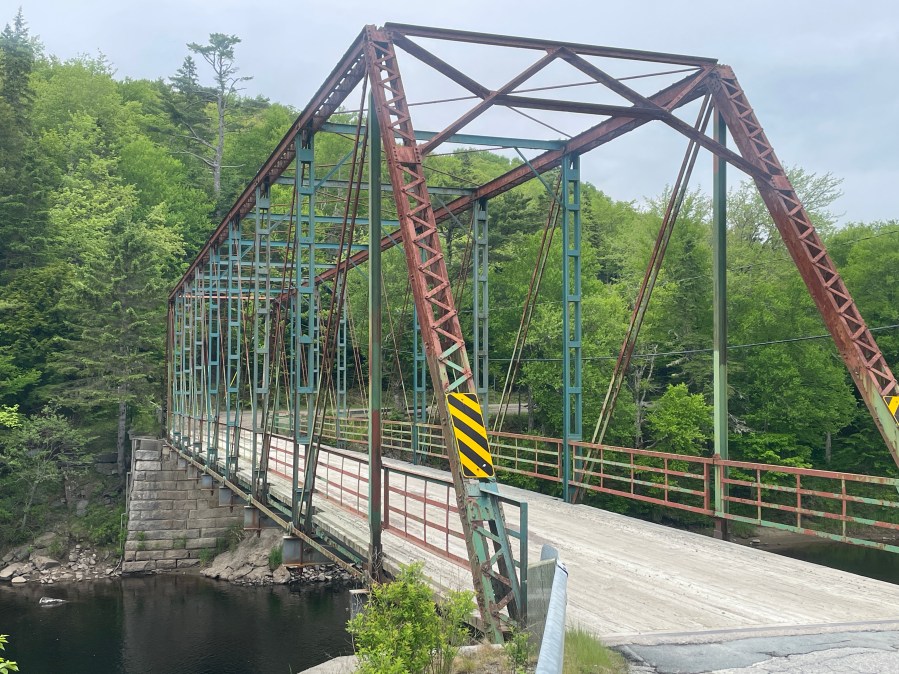
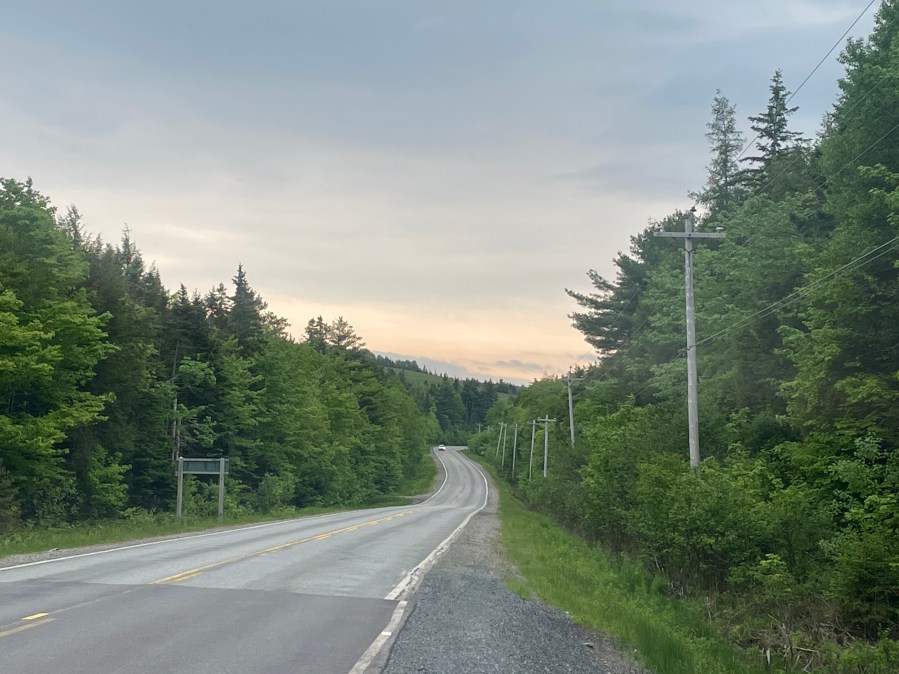
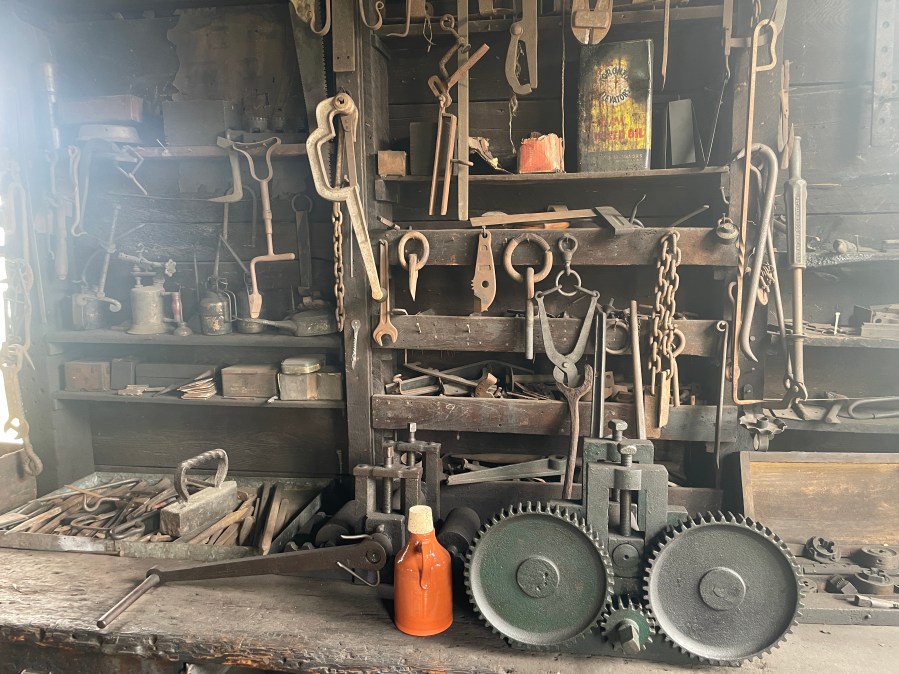
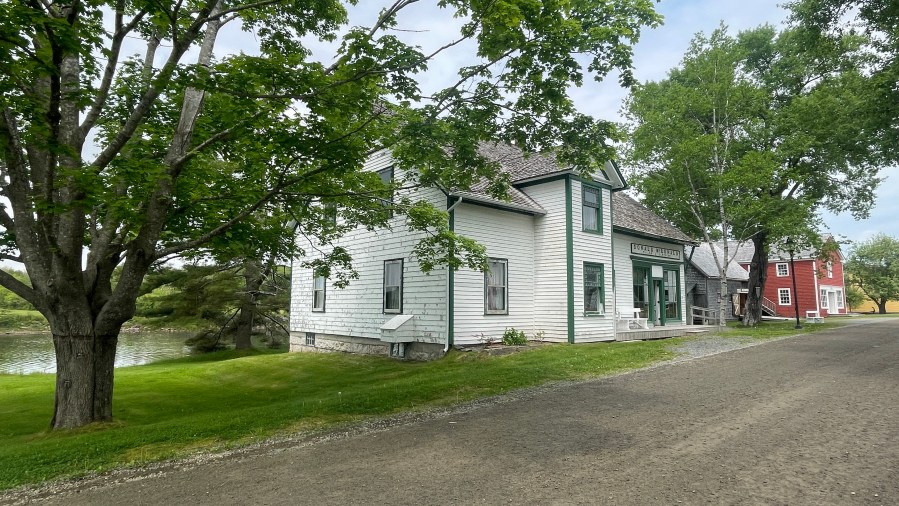
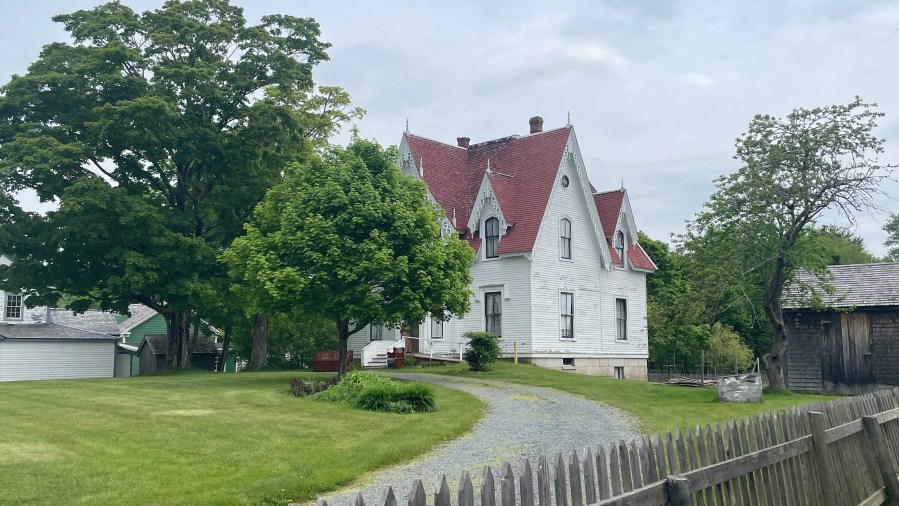
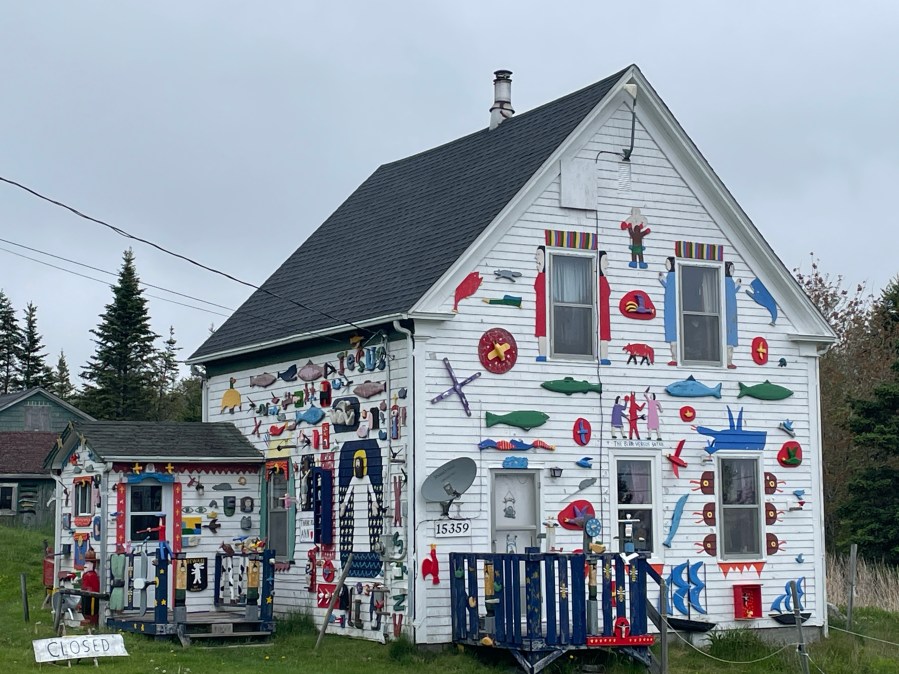
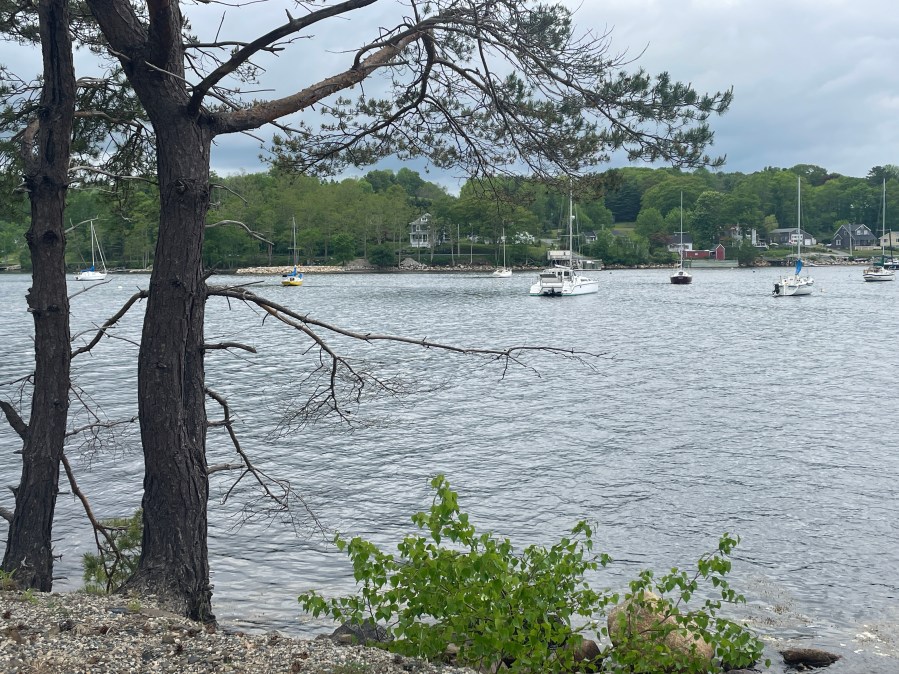
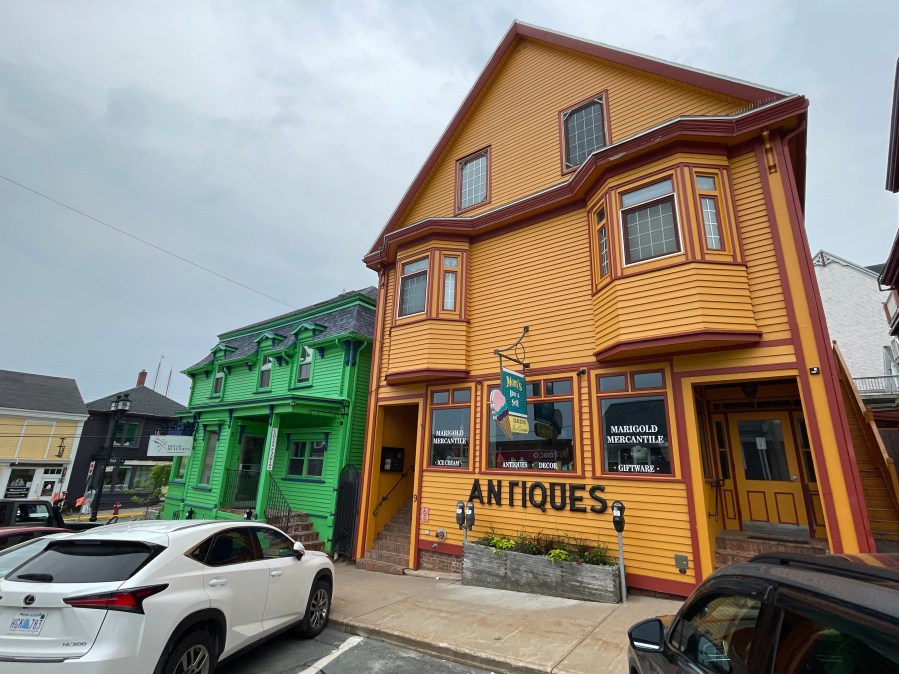
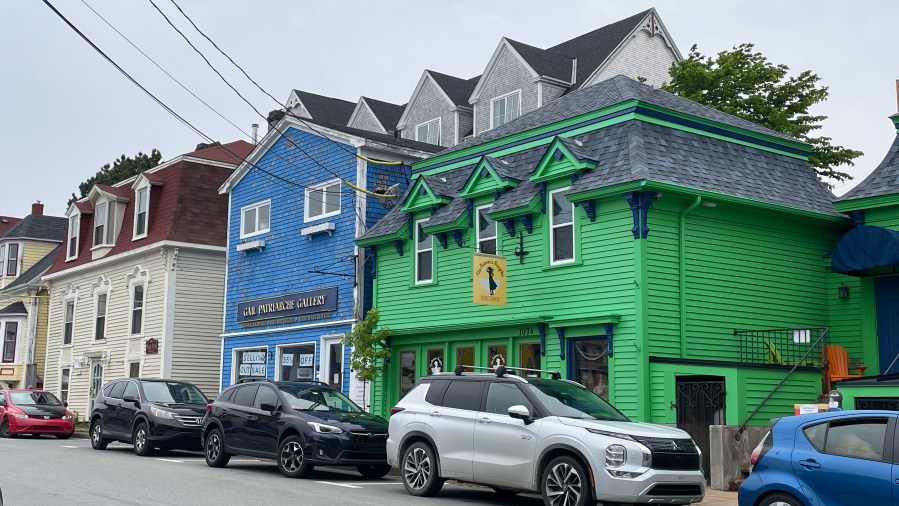
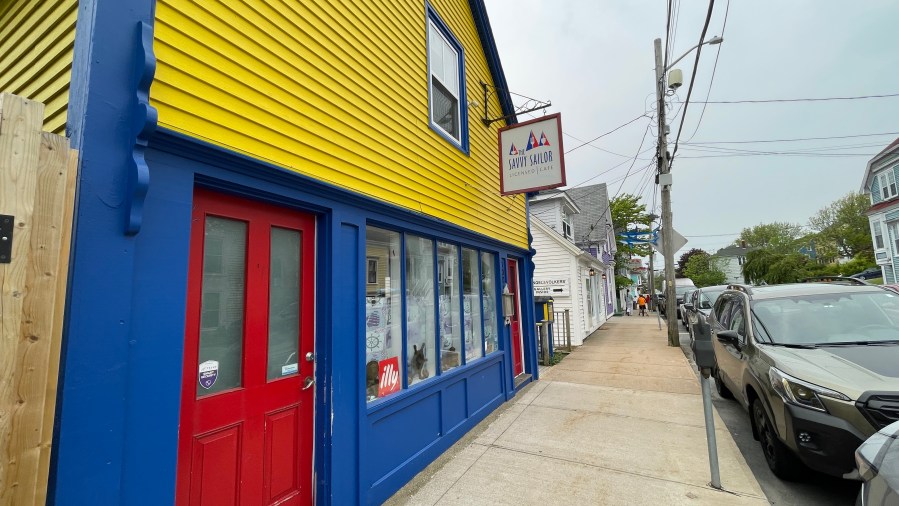
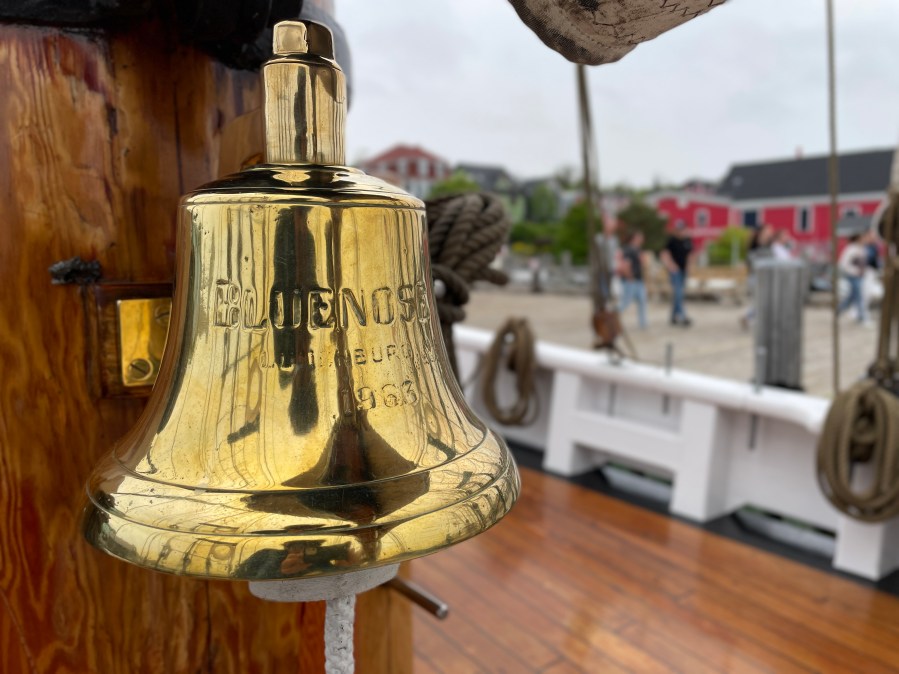
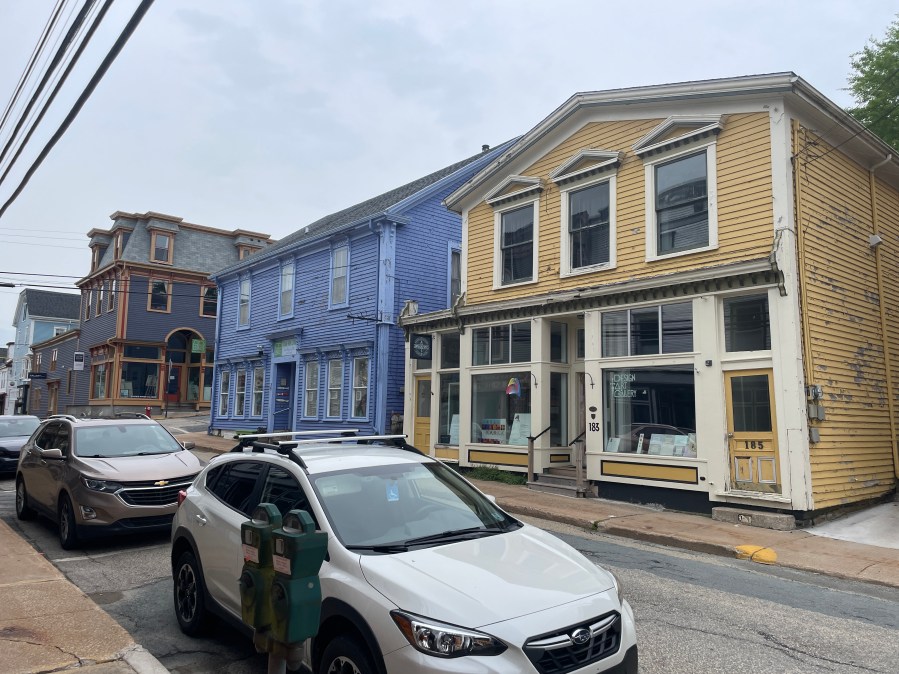
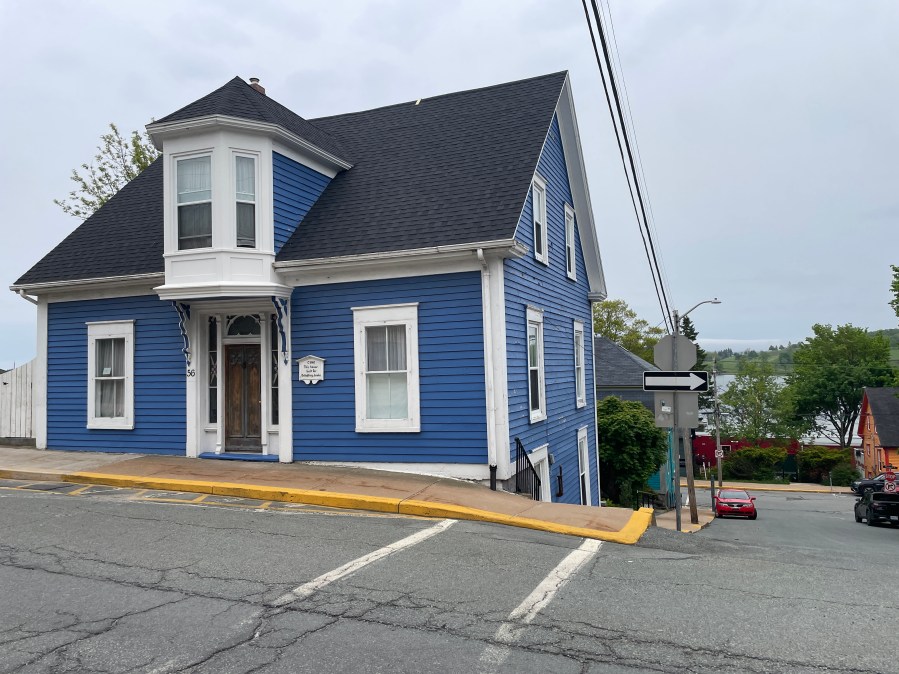
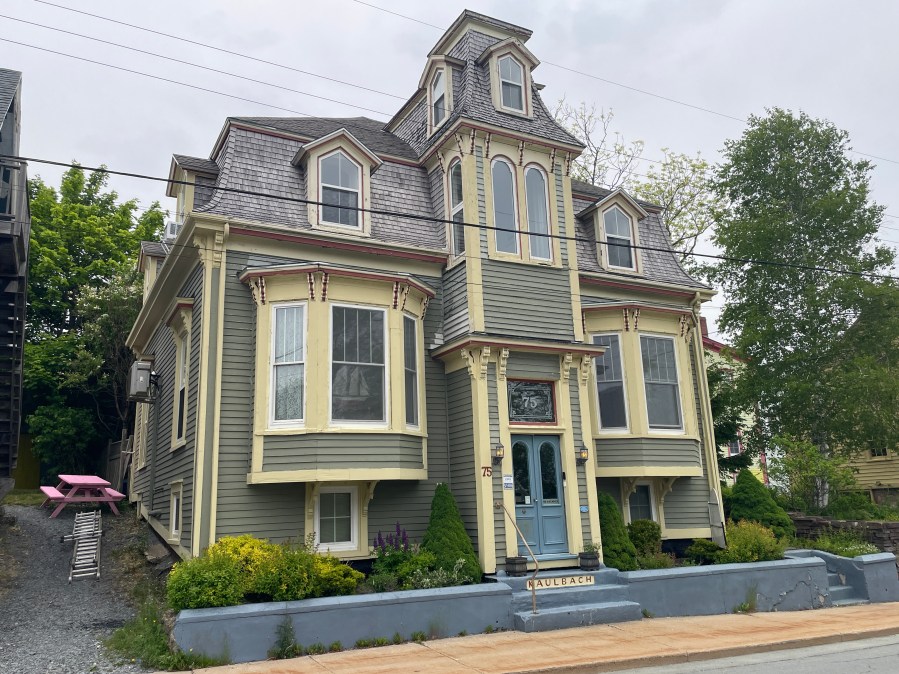
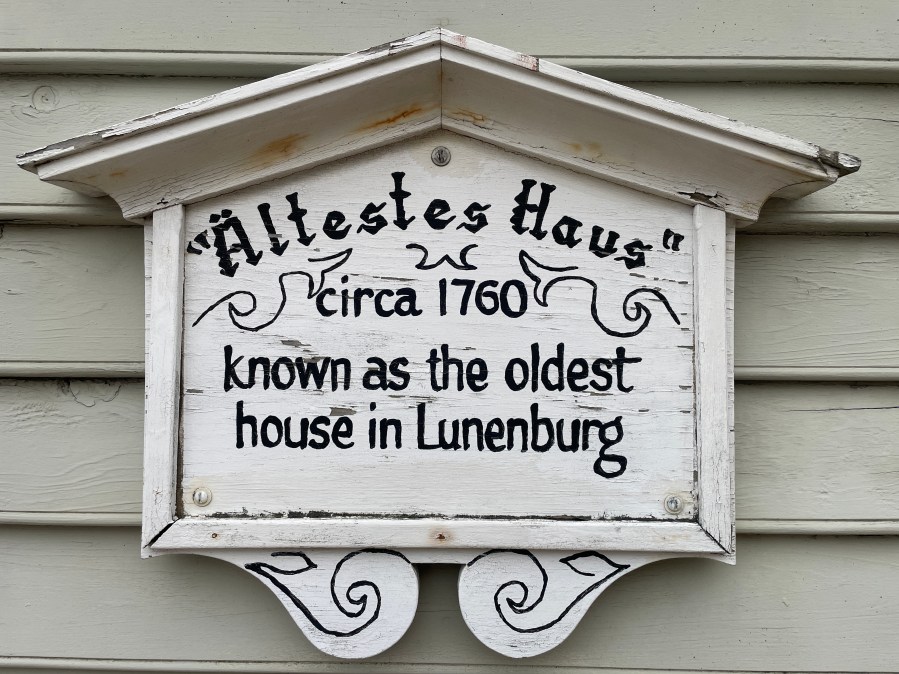
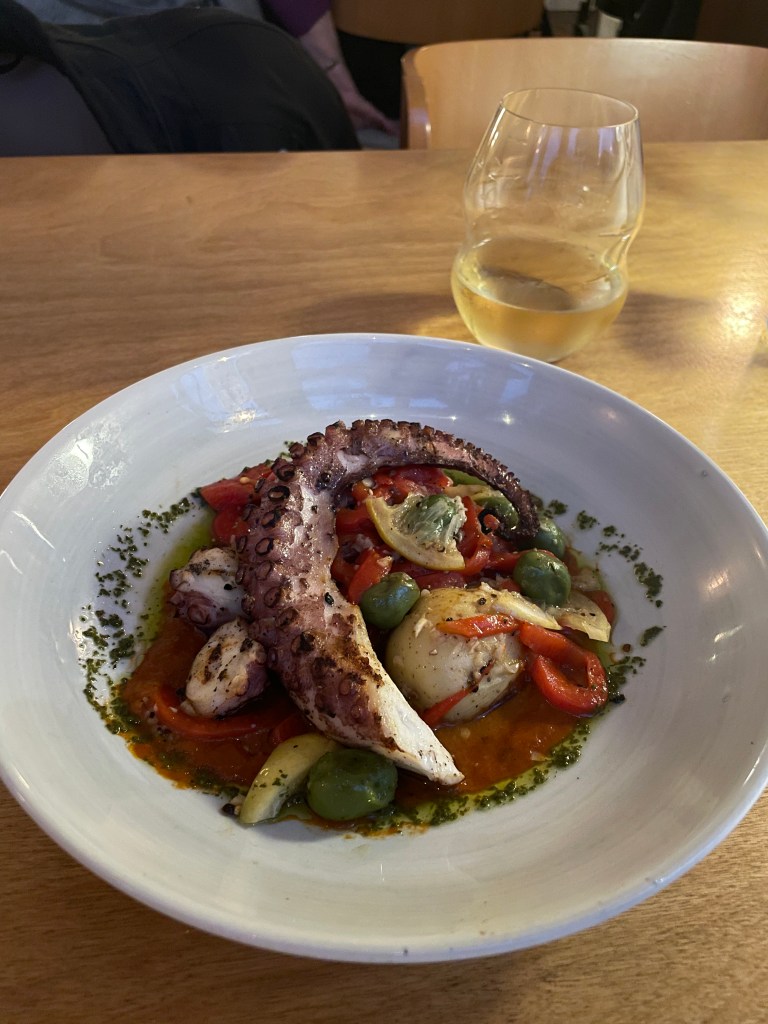
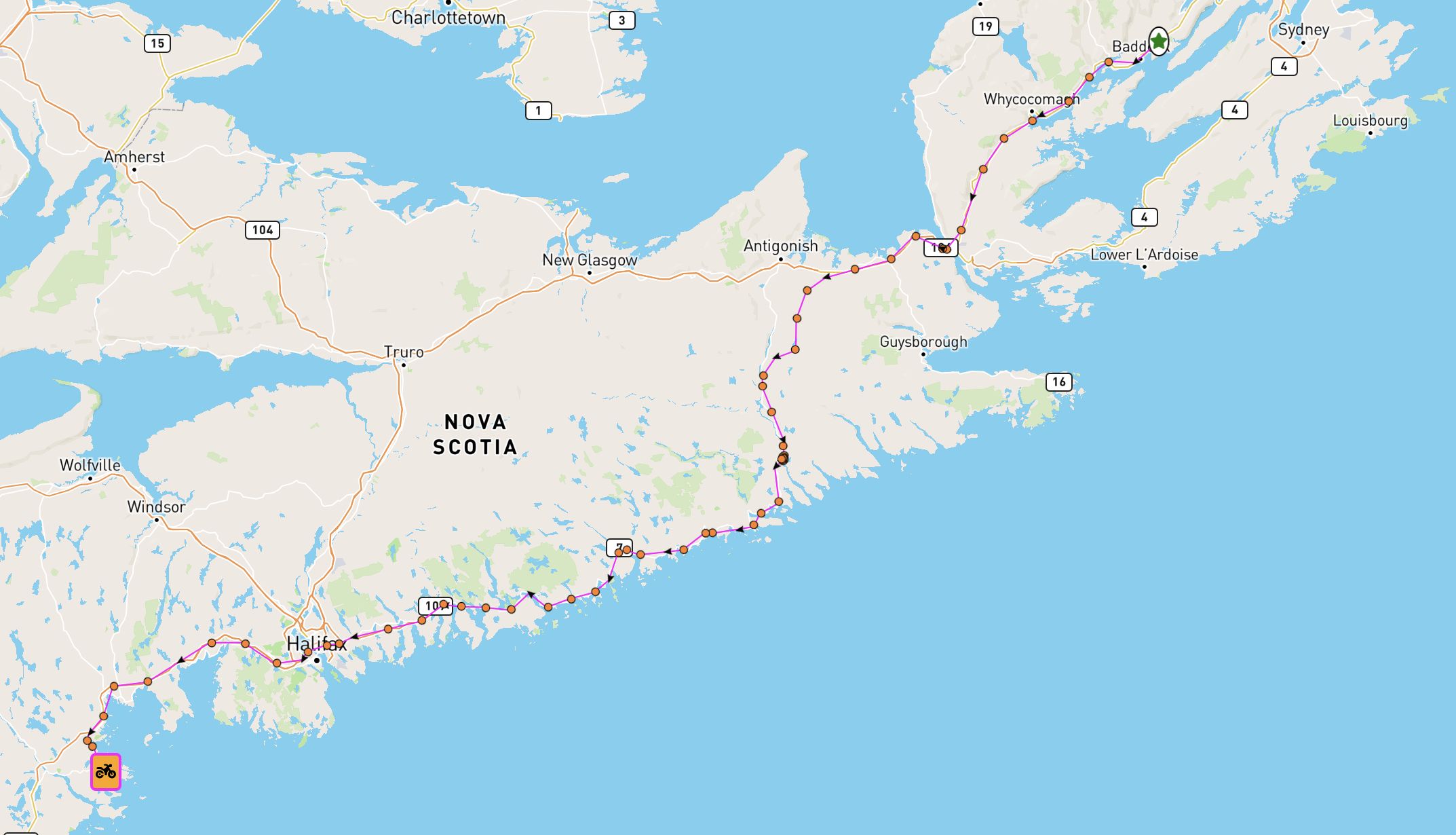
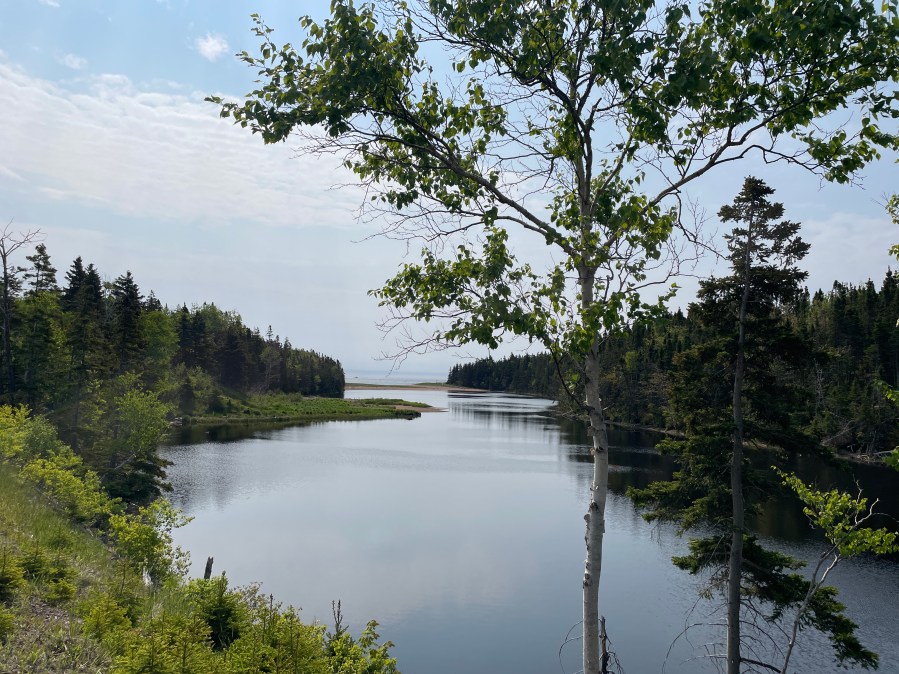
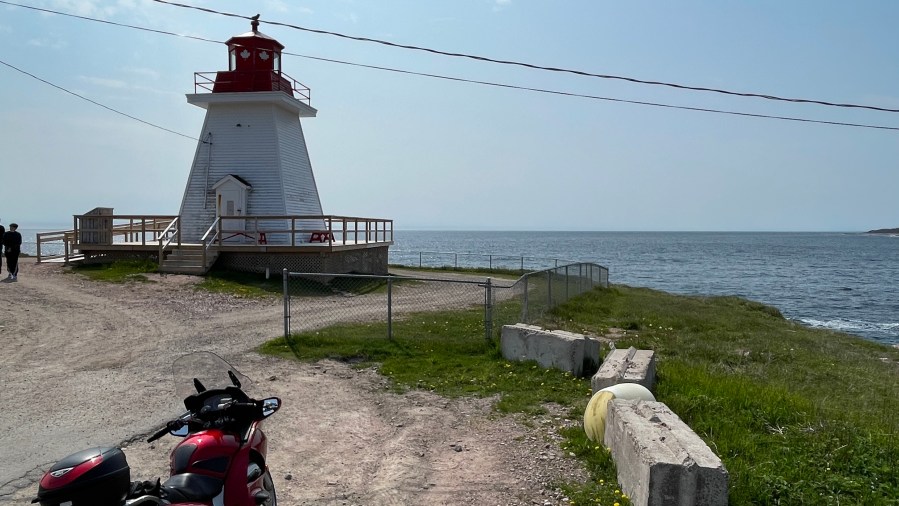
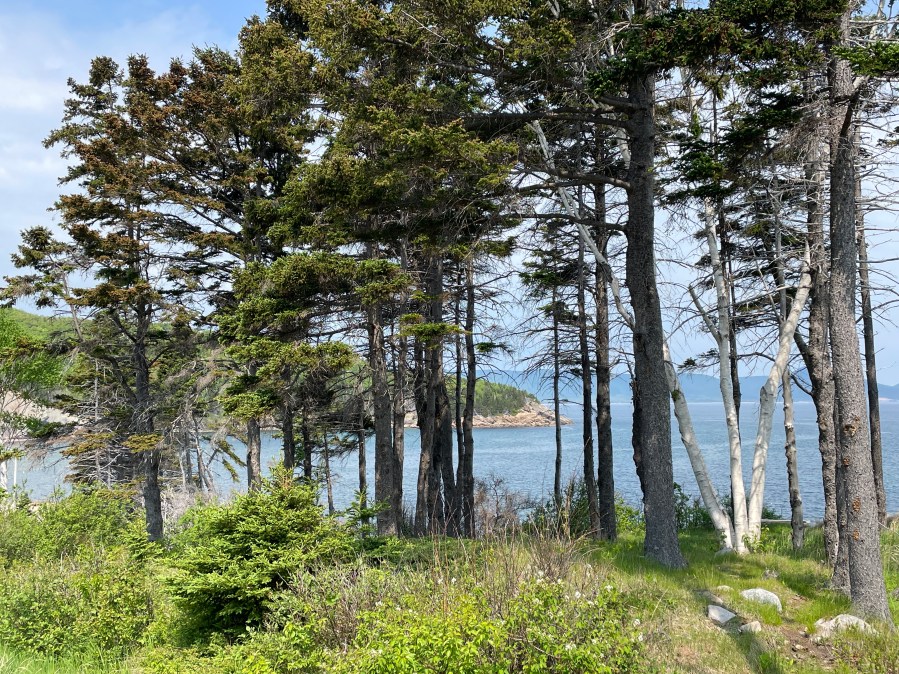
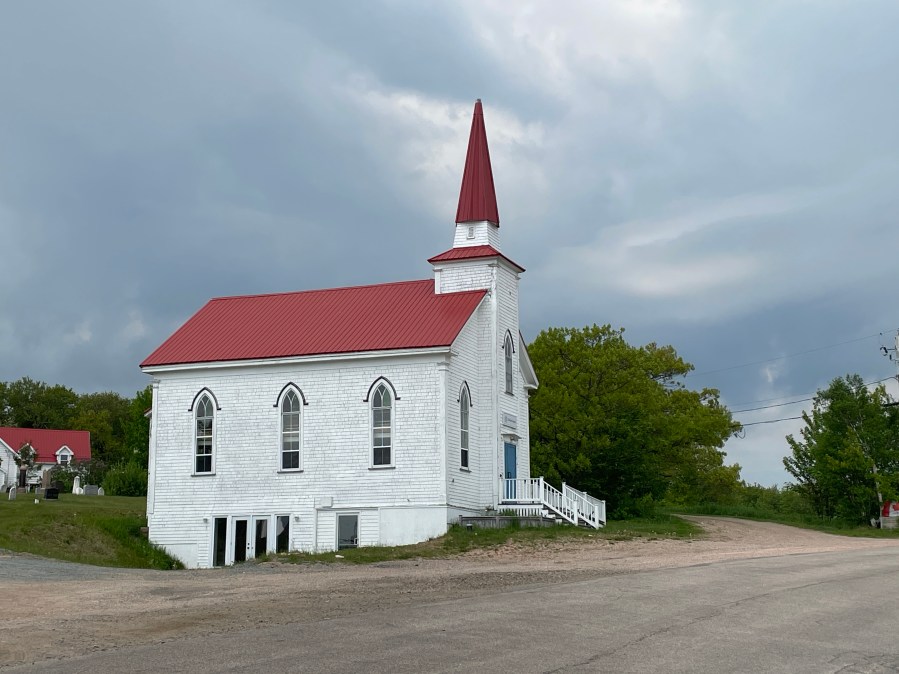
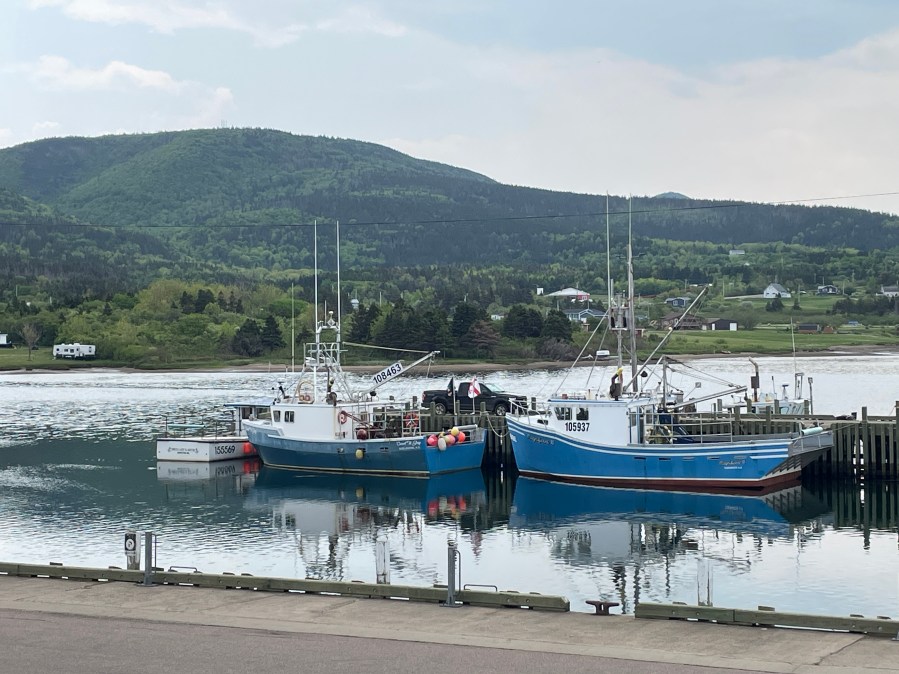
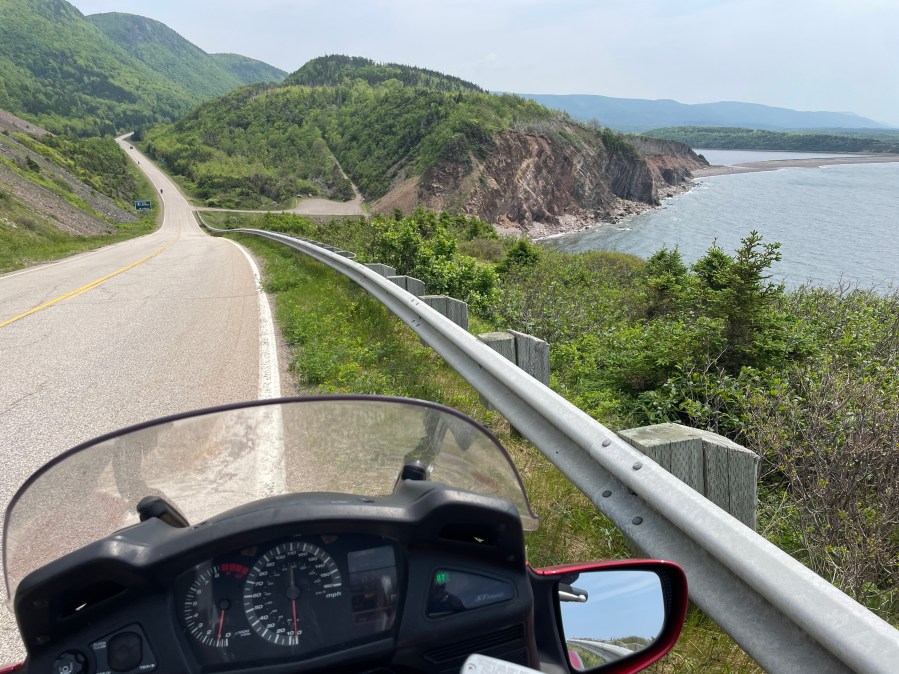
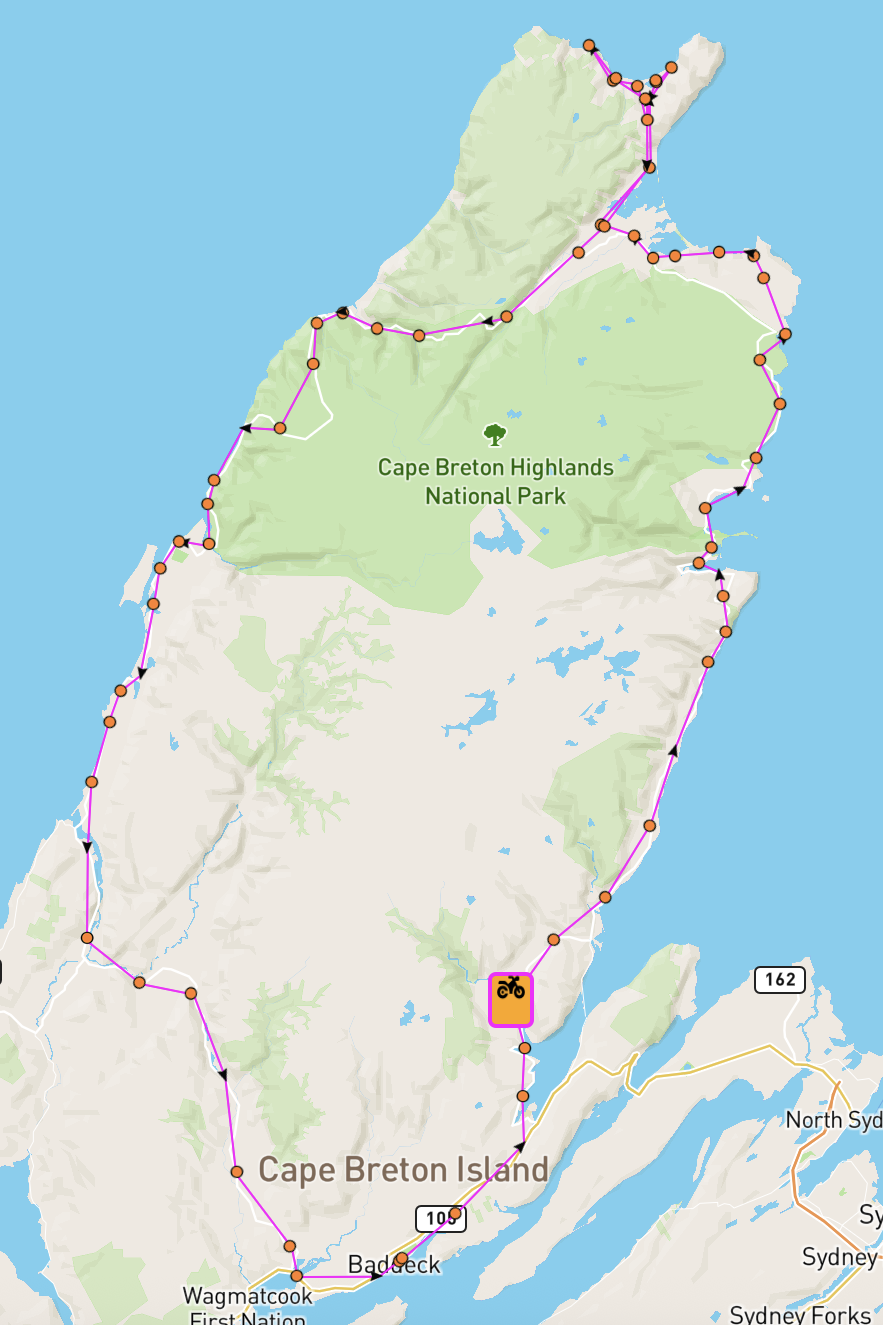
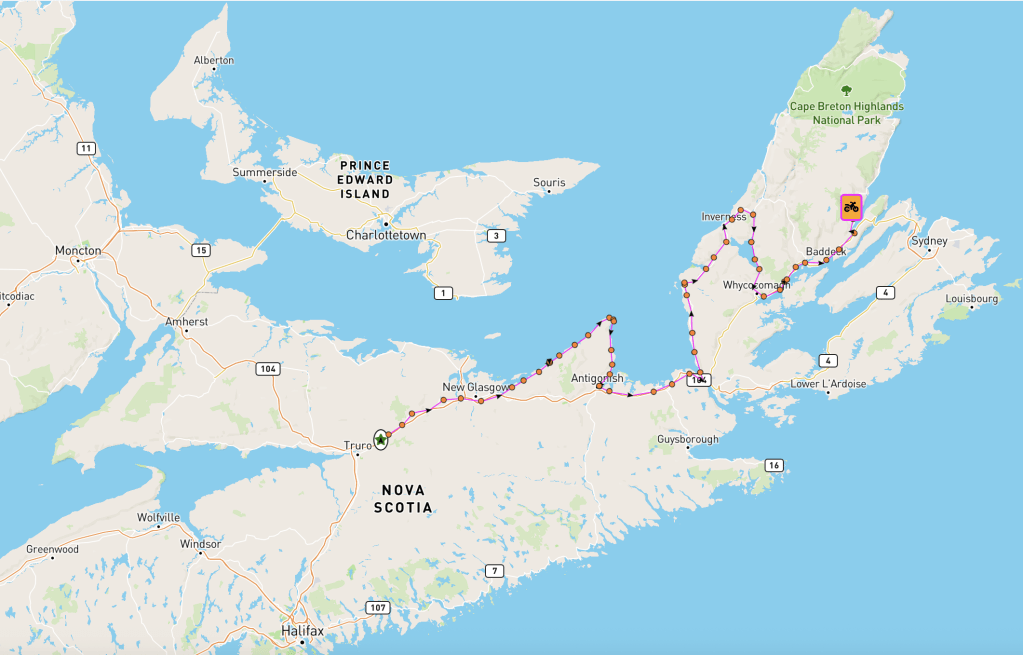
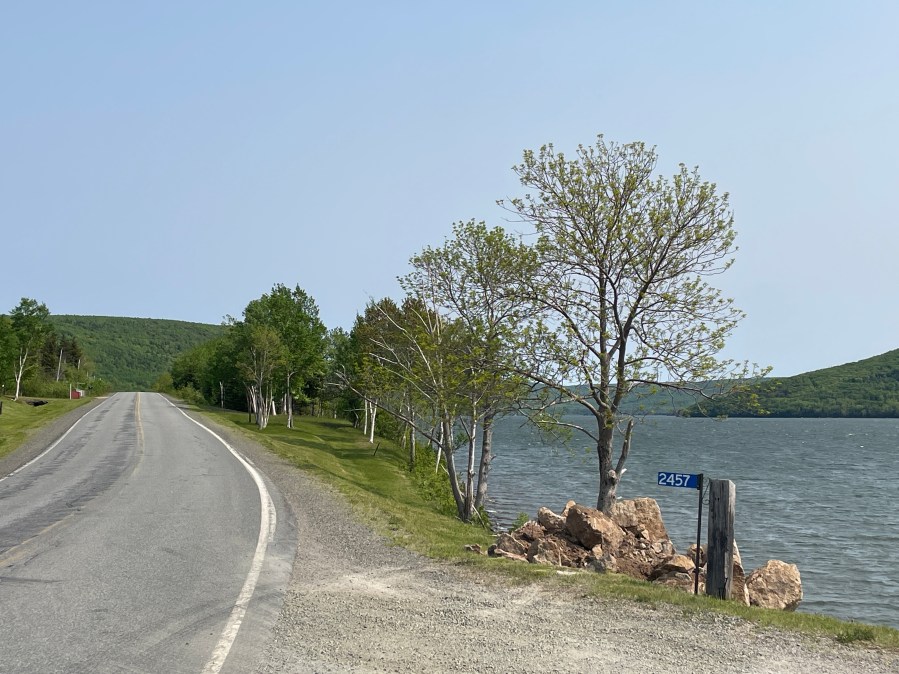
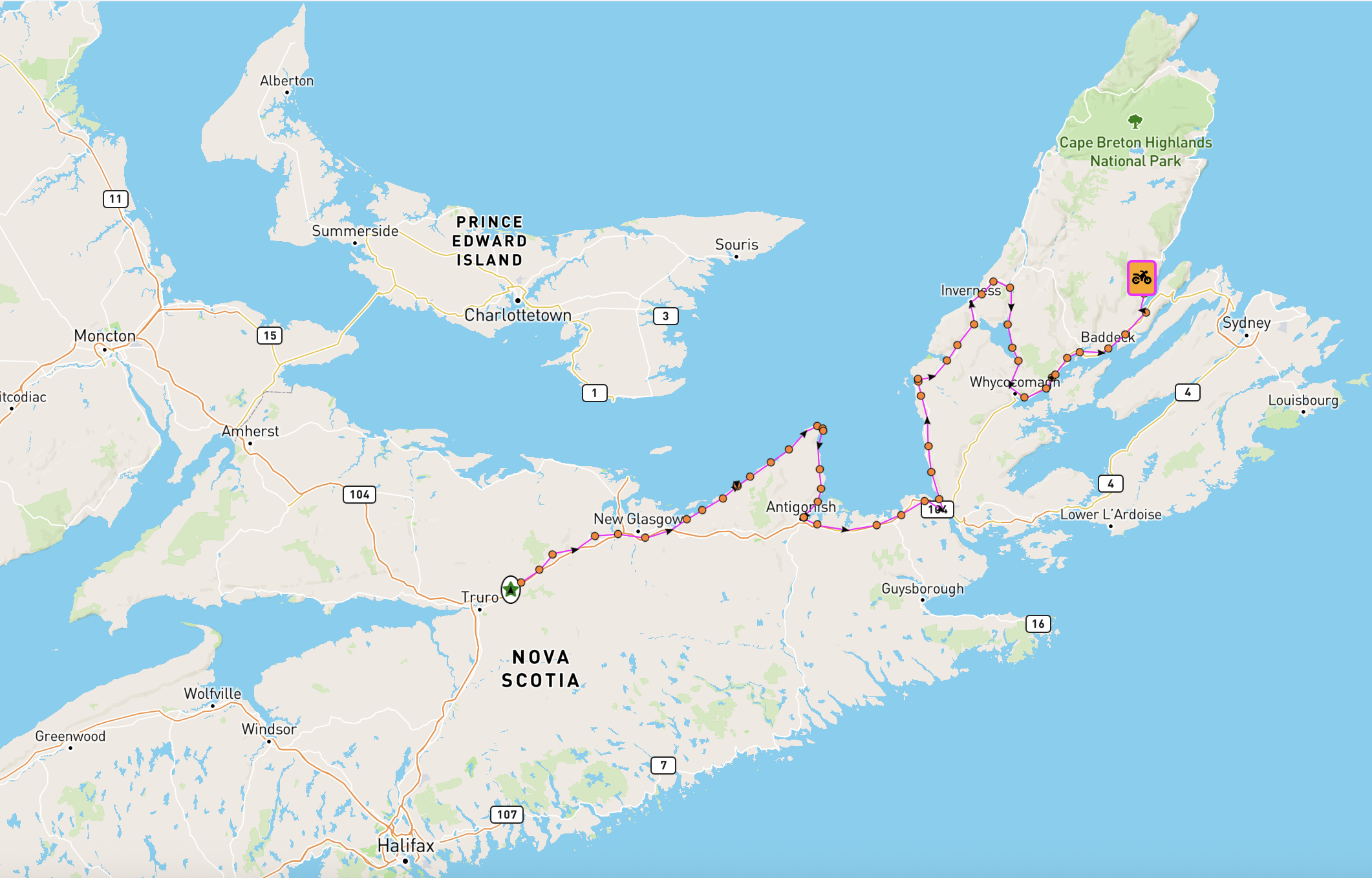
The next trip went overseas – I combined a business trip to Halifax, Canada with four days to discover Nova Scotia. I found the only provider in Nova Scotia to rent me a Honda ST1300, but the problem was to get me there as the place was located in the very backwoods of the peninsula. I needed two expensive taxi rides to get there and back – but it was worth it. On the first day, I rode to Cape Breton Island, on the second, I experienced the Cabot Trail, on the third, I crossed Nova Scotia and its hinterland and on the fourth day, I did a detour via Annapolis Valley and returned to Halifax. A relaxing short holiday in a relaxed country.


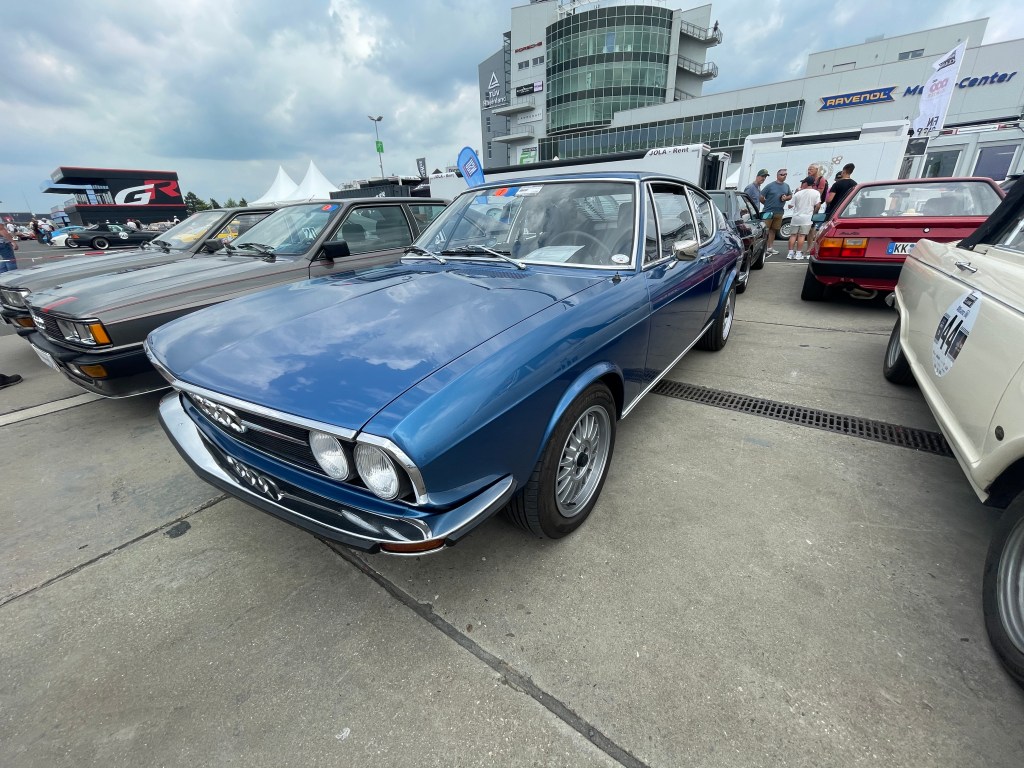
The next adventure was of a different kind and was actually unexpected. Not on a motorbike though. I had seen an ad of the Audi Club International that invited to join them during the Nürburgring Classics. This included exhibiting your Classic Car at their stand in the paddocks area, a 30 min stint with your own car on the GP track on Saturday and a 60 min stint on the Nordschleife, the “Green Hell” and probably the most spectacular race track in the world. I planned to go with my 1991 Audi Cabriolet with 356.000 km on the clock. I was a bit pissed off, because I could not get a service appointment at the Audi dealer as planned. This meant I had an handicap as I had to drive with worn brake pads, a worn wheel bearing, old radiator fluid and a not working ventilator. Not the best conditions for some high speed driving.
My neighbor Jeroen agreed to be my co-pilot, although there was no real work for him to do. We parked the car among the other, probably more interesting Audi, NSU and Wanderer exhibits and made acquaintance with the club officials. I received the stickers including the driver number (“26”) to be put on the car. An interesting atmosphere!
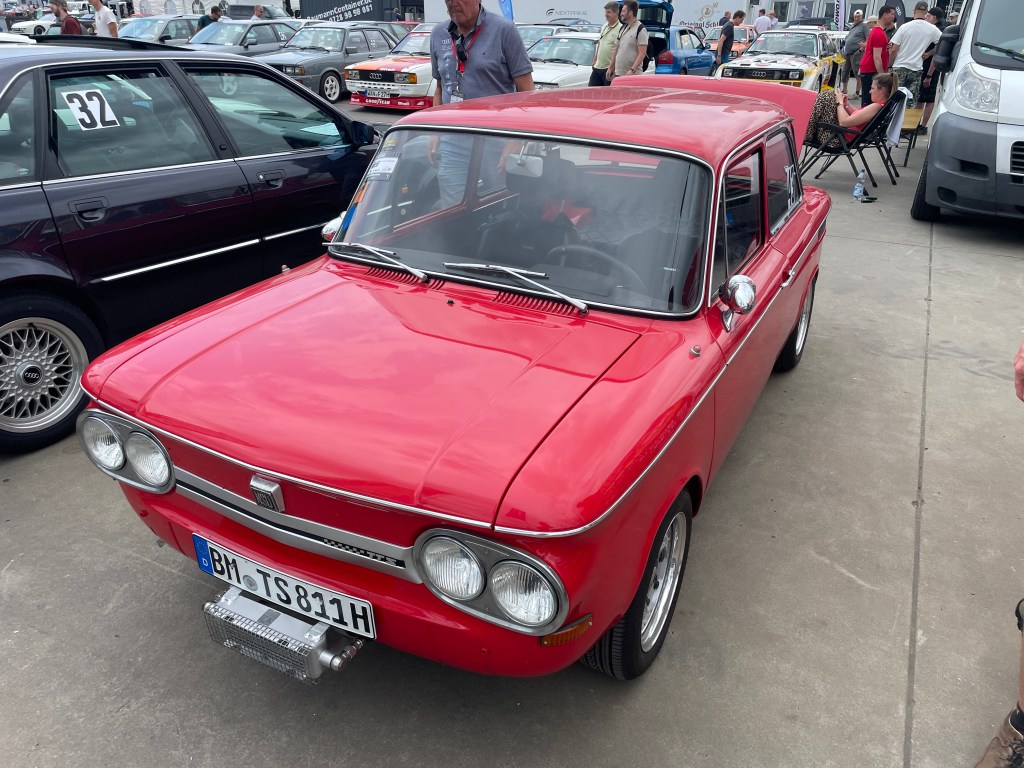
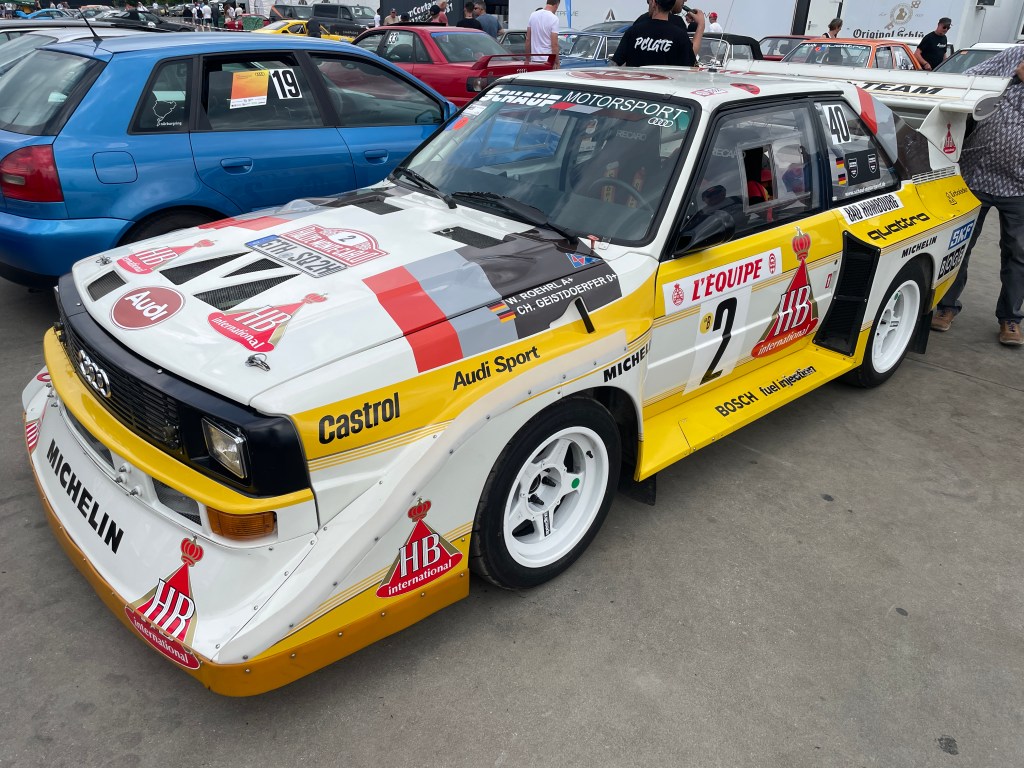
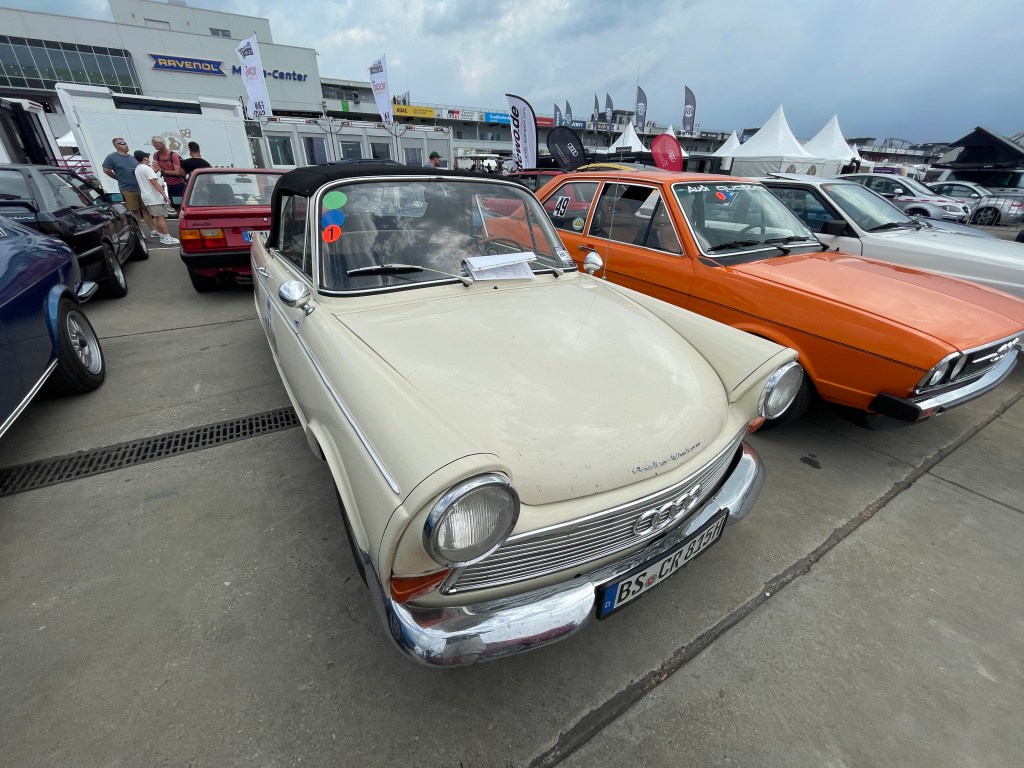
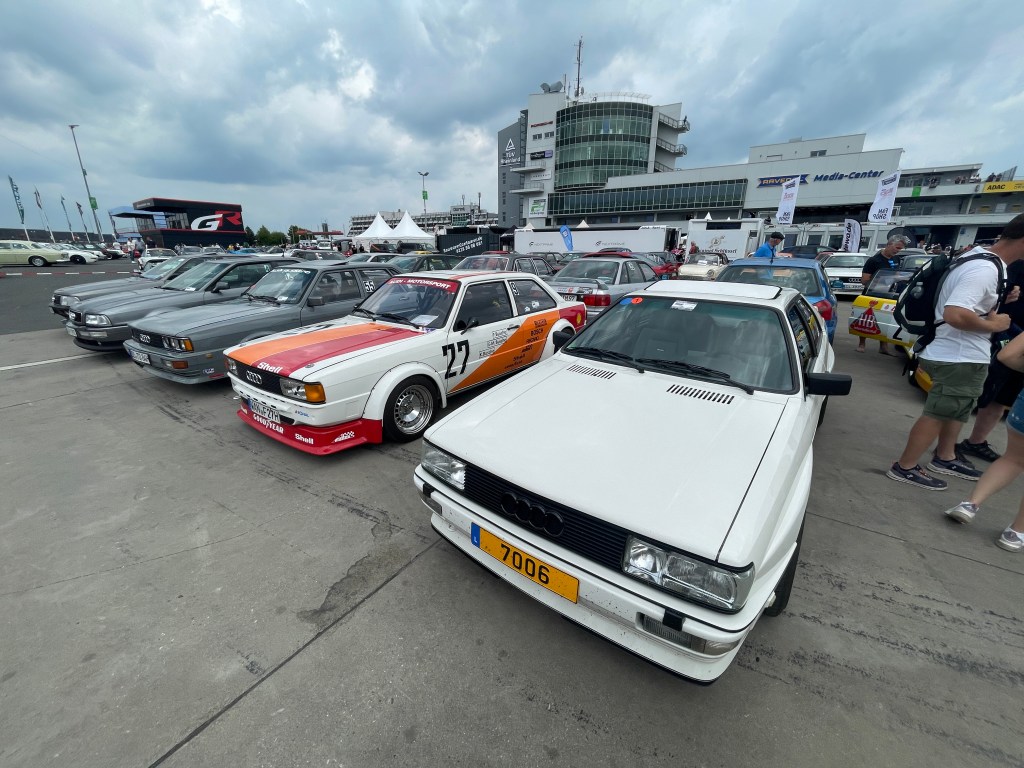
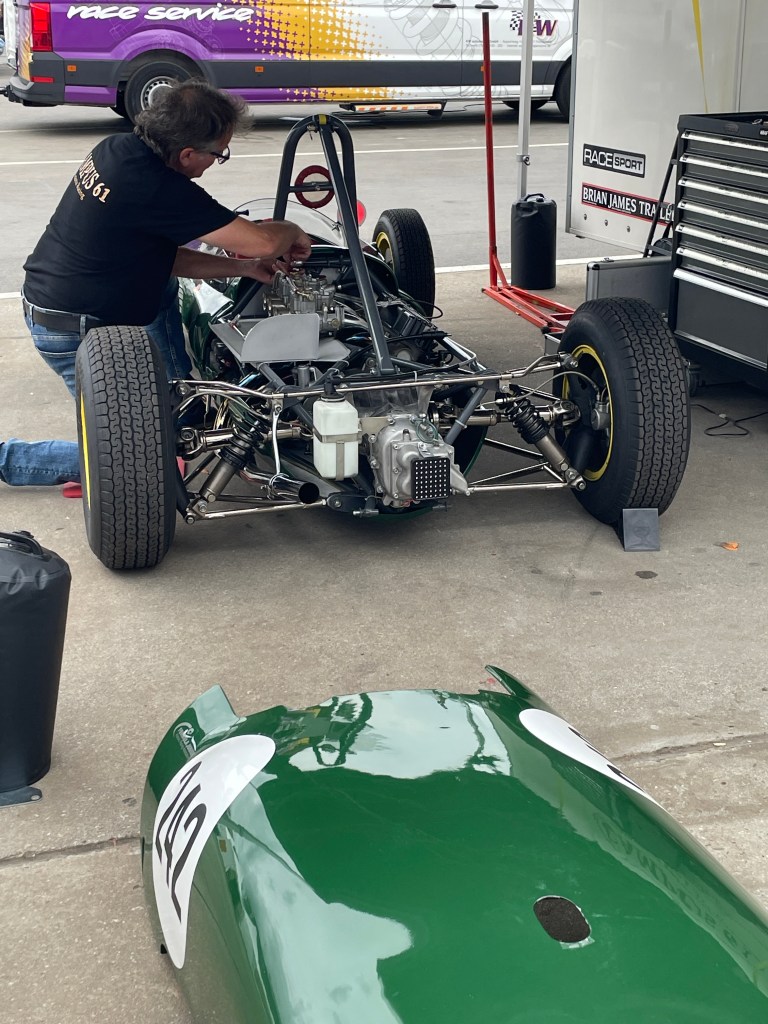
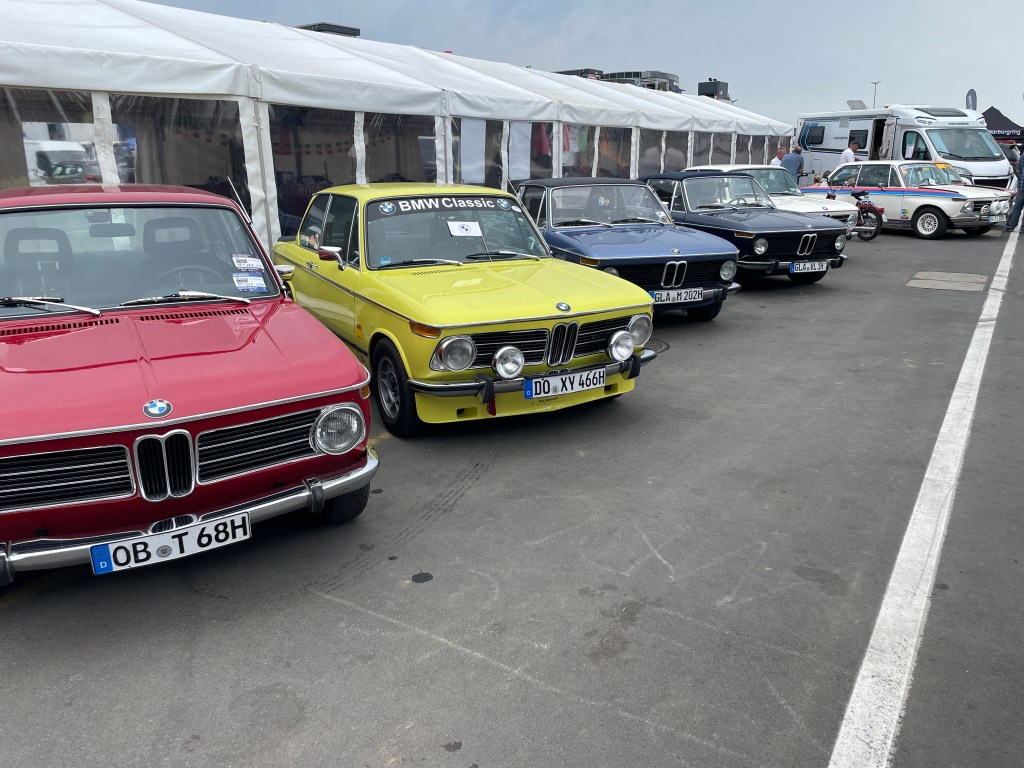
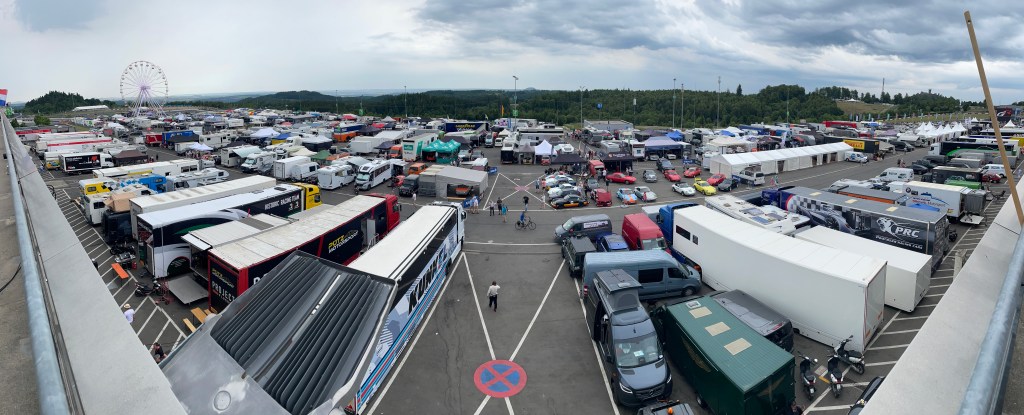
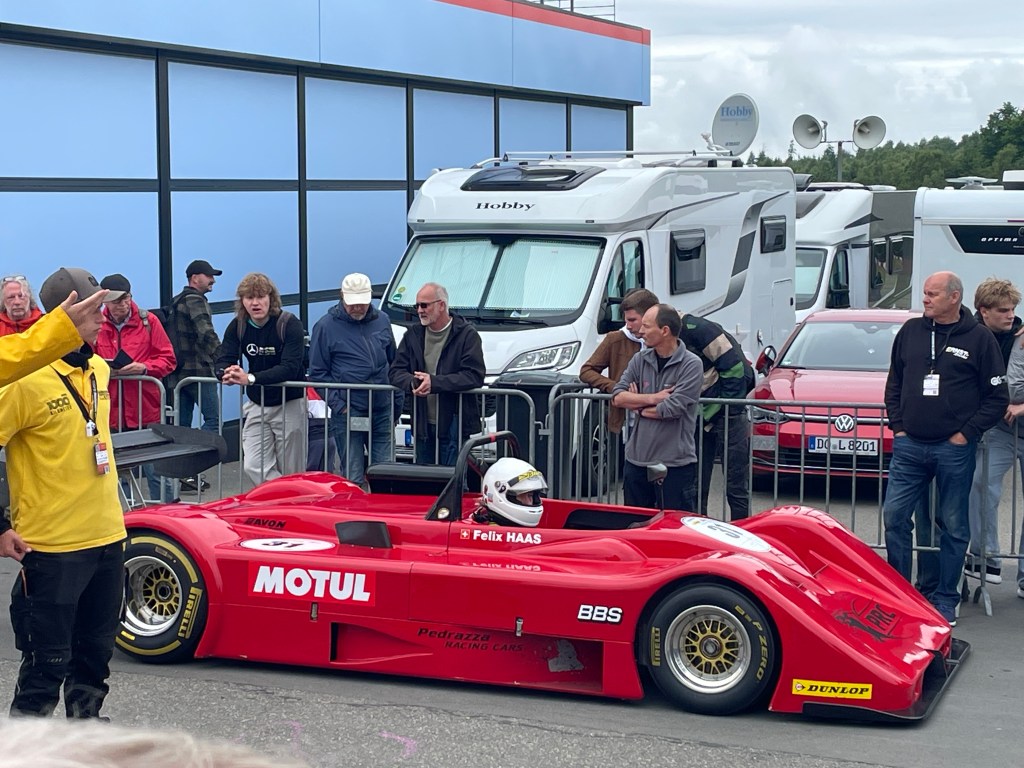
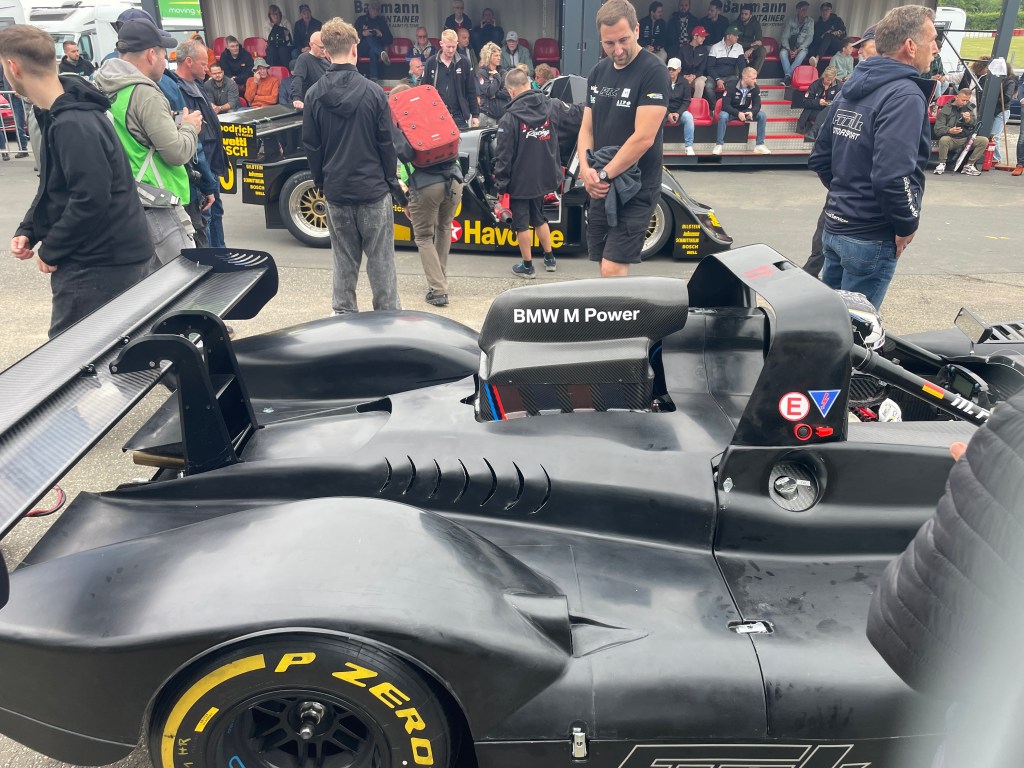
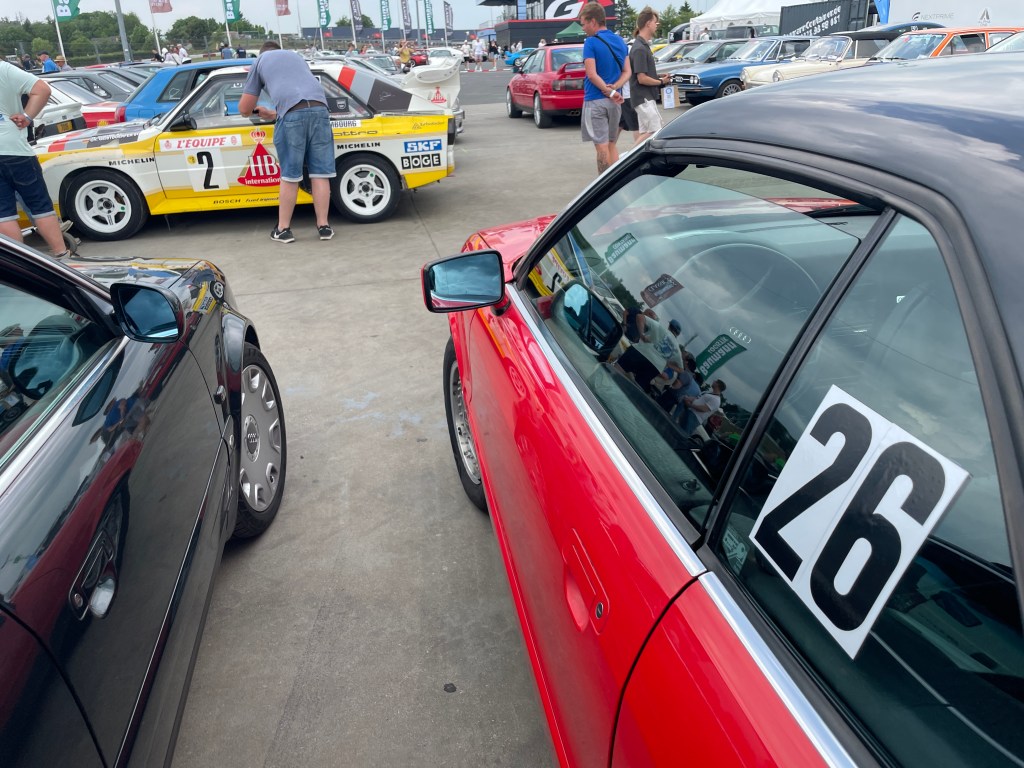
It was time for a first driver meeting where the agenda of the two days was explained. At the end, the club president made a special announcement: there would be a raffle with all the driver numbers and there would be one single, special prize: being the co-pilot in an Audi Quattro S1 Evo2, the legendary Group B monster that put Audi’s five cylinder rally cars on the international map in the 80s. Driver would be nobody less than Harald Demuth, former German rally champion in 1982 and 1984 with the same car. The crowd gasped, this was too good to be true for any Audi fan. And the raffle began…I had not put anything in the box, so I expected nothing….”and the winner is…..number 26!!!” Silence, absolute silence. You could hear a pin drop. “Number 26, anyone?”…..silence…..Hmmmm, what numbers did I put on my car? Well, a “2”….and a “9”….no, wait! A “6”!…..I had put “26” on my car! “I think this is us!”. What an irony, I had snatched the big prize, being an outsider to the club. Probably a kind of wet dream of many aficionados of classic sport cars. More about the car and driver here.
Later, I was told that the owner of the car wanted to go himself and do some instructing to Harald Demuth and that my prize would be changed to Sunday, the drive on the Nordschleife. This was even better. But first it was our turn to drive around the GP track. First, the pre-start, waiting until the previous race was over. Our stint was just an interlude – a free driving of a lot of Audis from different ages. The tension was palpable. And then we were off! I squeezed everything out of the old Audi, with screeching tyres and rumbling wheel bearings. It felt a bit in slow motion, but it was fun: https://www.youtube.com/watch?v=luxI1I1nQrg
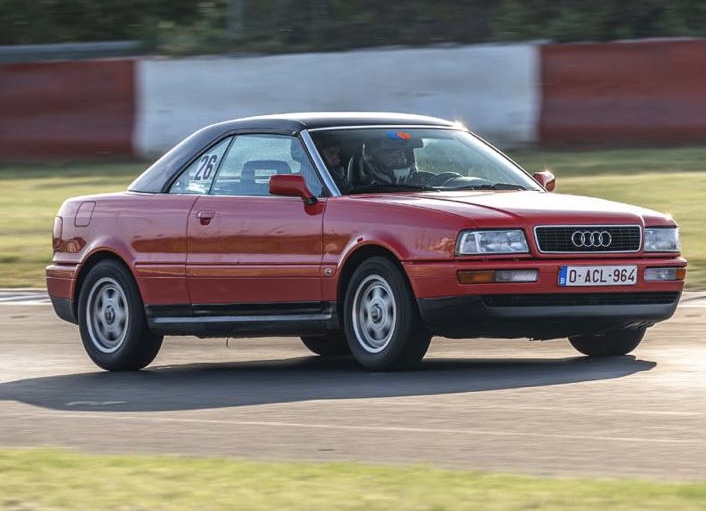
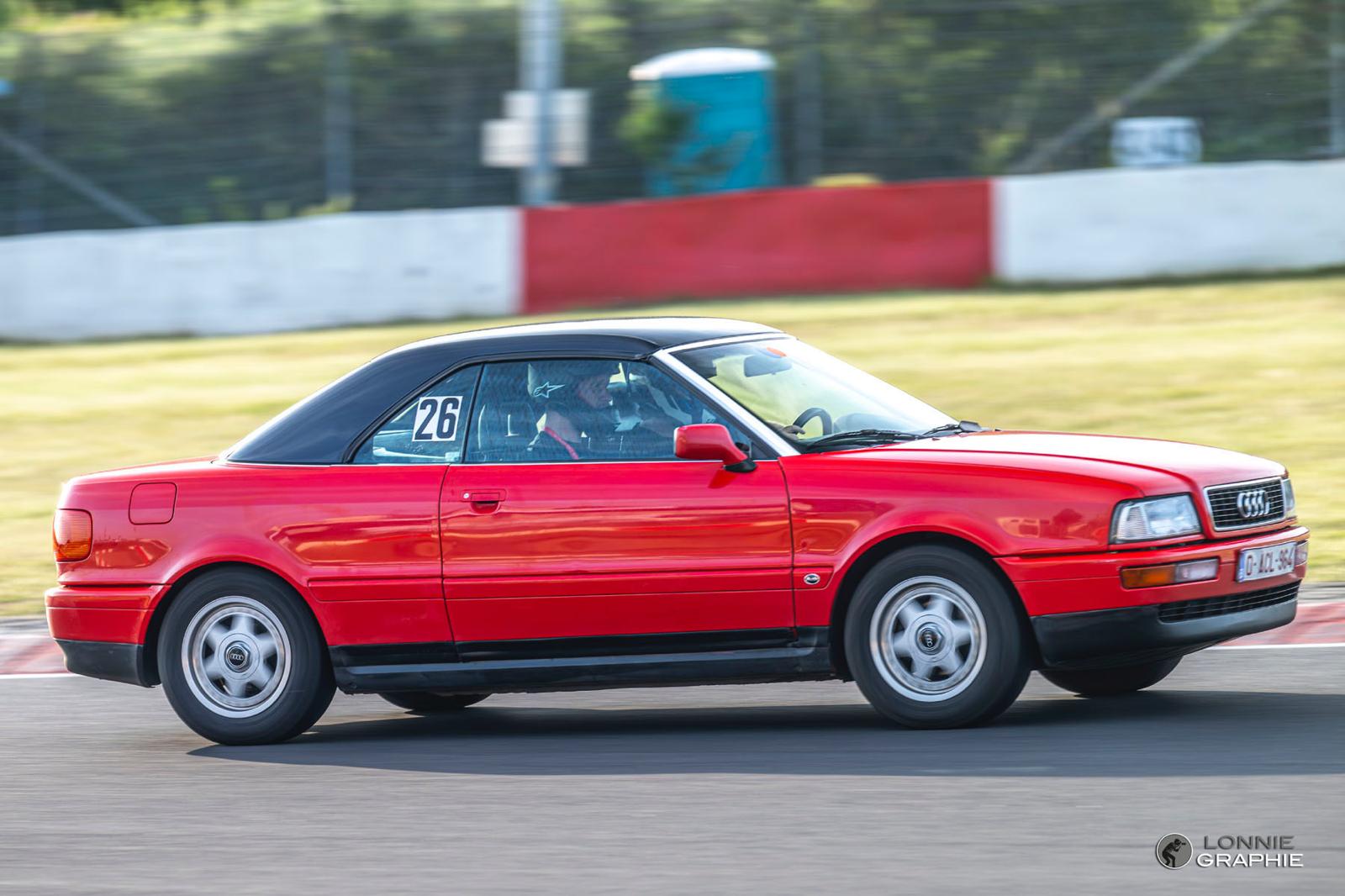
When we returned to the pit, the wild ride took its toll: the expansion tank of the radiator blew litres of cooling fluid on the ground. The wild ride in combination with the missing ventilator resulted in total overheating, although I was not the only one, also other older cars were dripping in plain incontinence. The Audi Quattro S1 had also some issues with fading breaks. I hoped they could bleed the breaks until the next morning or the big prize was for nothing. When I rode home for the night, it was clear that Jeroen could not drive the car in my place the next morning. Brakes, wheel bearings and cooling were in too bad shape to risk the Nordschleife. As I didn’t want to burn my identical, but collector’s item Audi Cabriolet, Jeroen had to stay home and I had to wait until the next morning to find out if the drive in the Quattro would take place.
Finally, I got green light and showed up at the Nürburgring the next morning. At the end, I was granted one lap in the car, as the first test lap was for the owner of the car and the third one for his co-worker. But one lap in this monster was something some people “would kill for”. We hoped that the drive could go through as it had rained and there was a lot of fog on the track.
Finally, the track was opened and the large Audi crowd was off. I had to wait some 10 minutes until it was my turn. Strap in and….go!!! I deliberately decided against taking a video, I wanted to enjoy the ride and taking some wobbly video would only distract from the fun.
And boy, was I enjoying it. At first, I had the impression that Harald Demuth went a bit more careful due to the wet track, but then he unleashed the power of the 500+ horses. A ride on a cannonball! I was pressed into the safety harness – left, right, forward, backwards. A very loud ride in a screaming rollercoaster. WHAT A FUN! At the tender age of 75, Demuth still got it. This was a ride of a lifetime, something to remember.
There are many onboard videos, but this one captures the sensation very well although it’s not an Evo2 and not the same track. But the sheer brutality is well captured.
When we all returned to the pit, I sat down with Harald Demuth and we chatted for about half an hour about many things and I gave him also an introduction to long distance motorcycle riding. What made the conversation so charming was the fact that our birth places are only 20 km apart; talking in your native dialect changes totally the atmosphere. A truly great guy and personality, despite his fame a very modest chap.
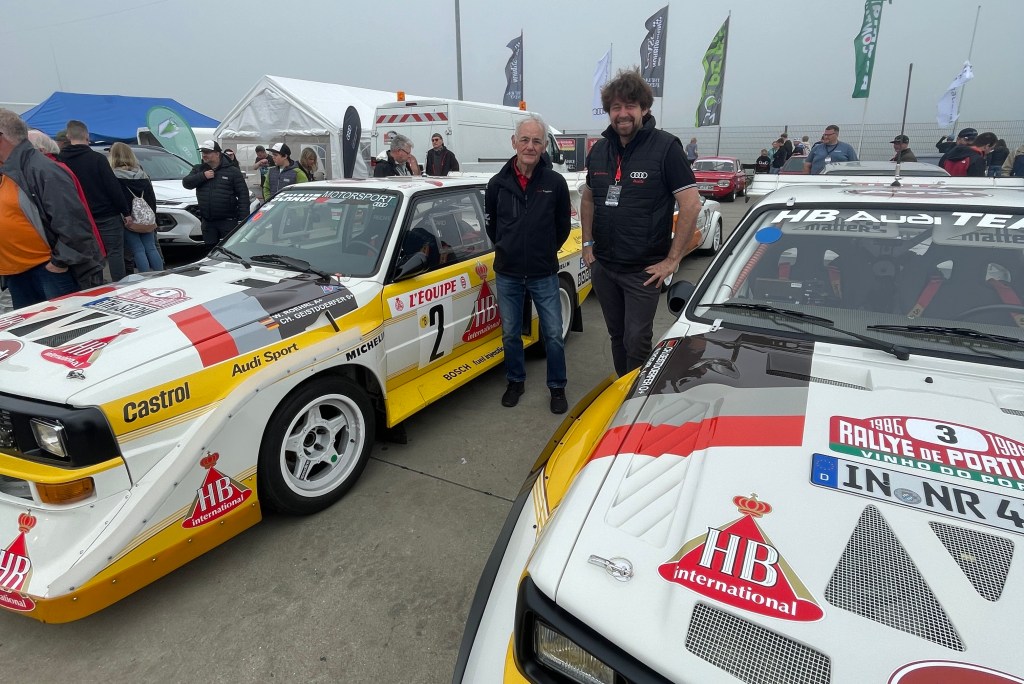
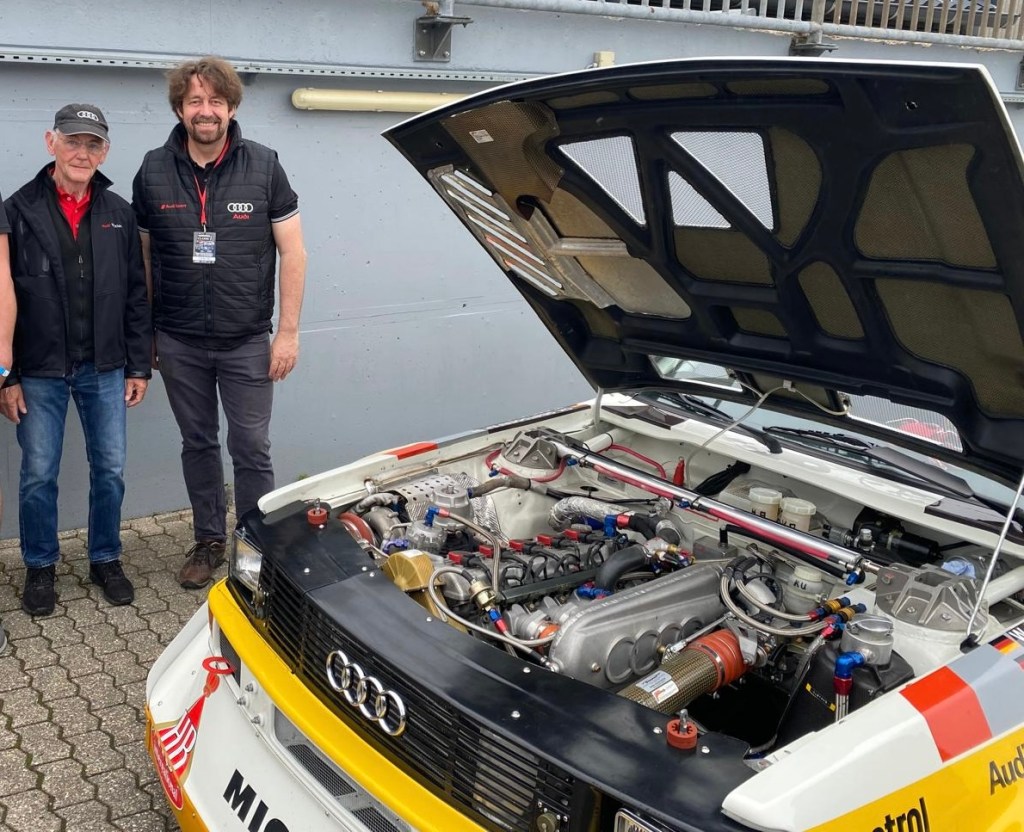
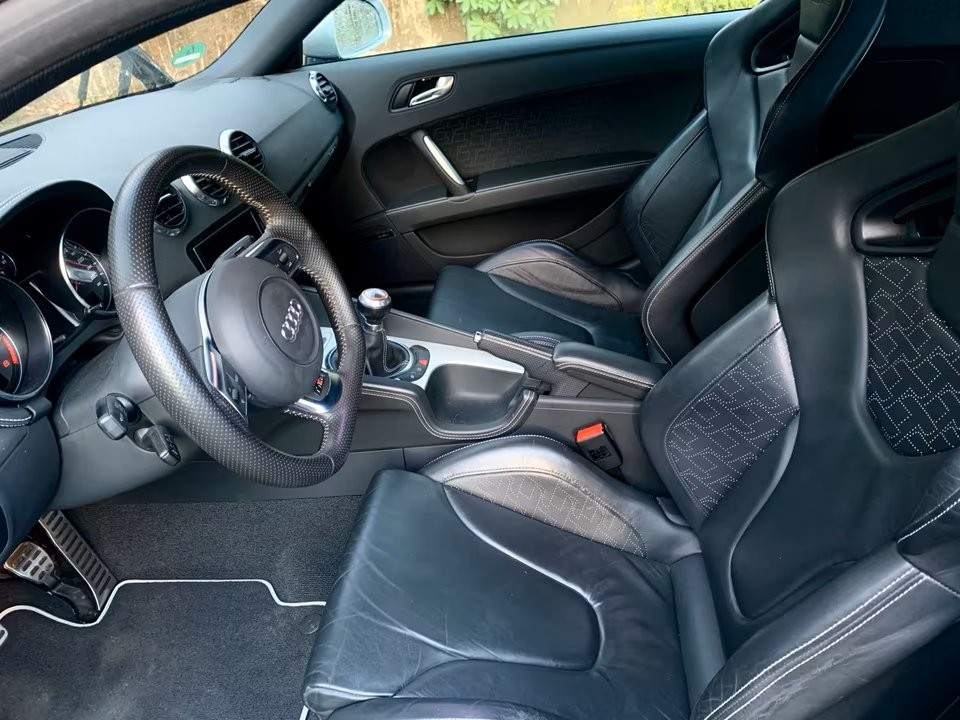
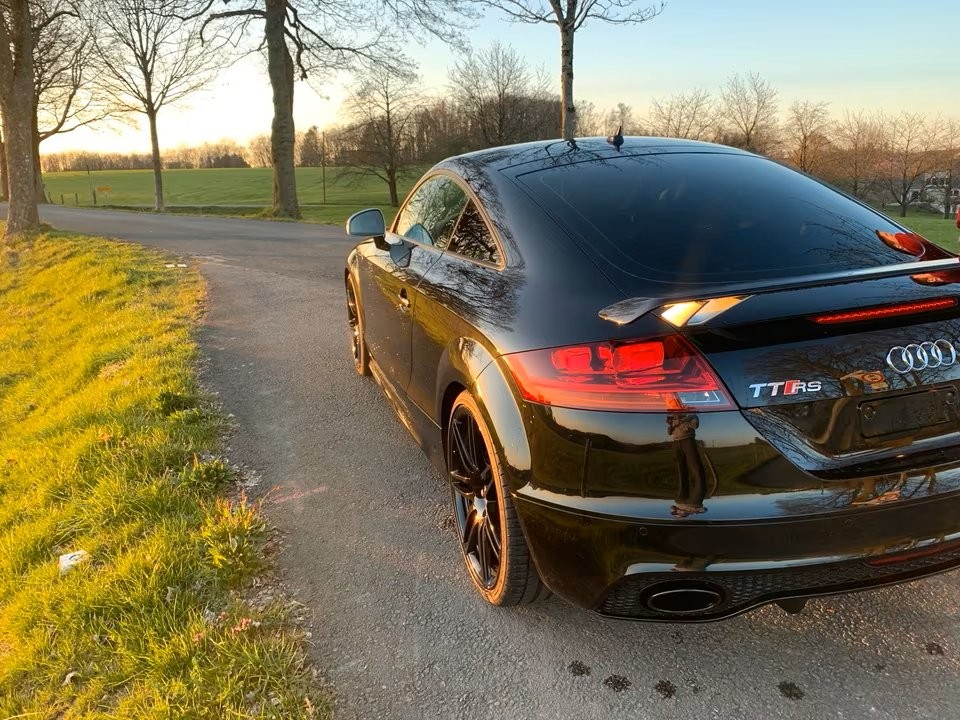
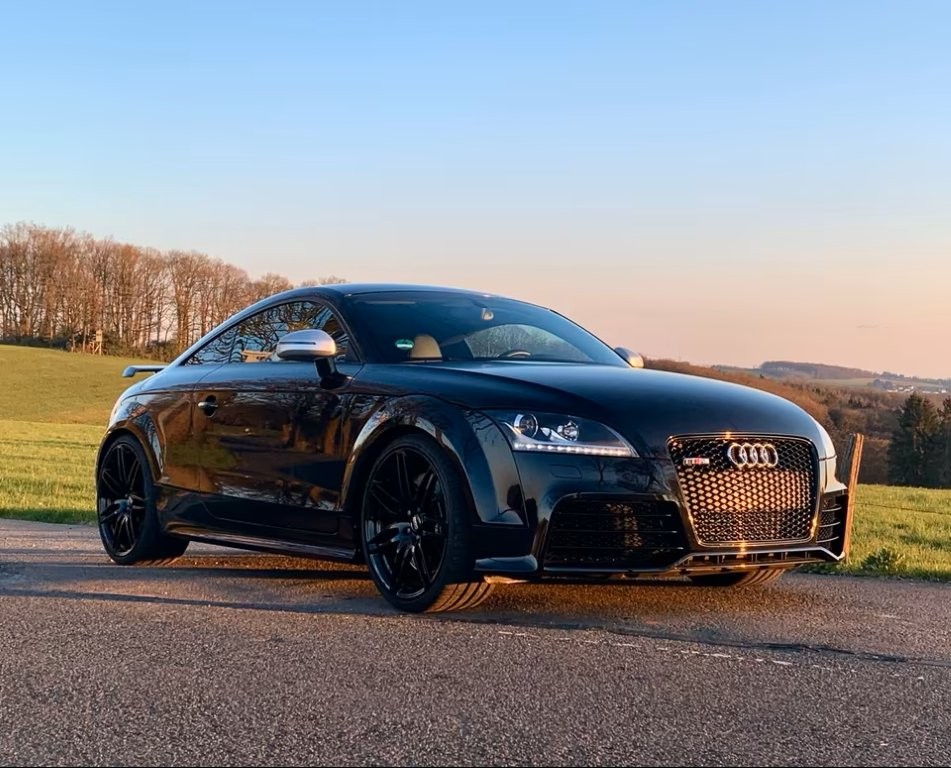
Well, this weekend was not without consequences. I am driving five-cylinder Audis for 20 years now, but never had a five-cylinder turbo. This is on a different level. Hmmm…what are the options? Well, there is the S2 or the RS2….let’s check the prices…..whoa! 30 years old, pricy and a lot of mileage? Ouch! Sounds like a lot of work and financial ruin. But wait, Audi had re-introduced the five-cylinder turbo! So after a few weeks and an offer I couldn’t refuse, I had a new toy.
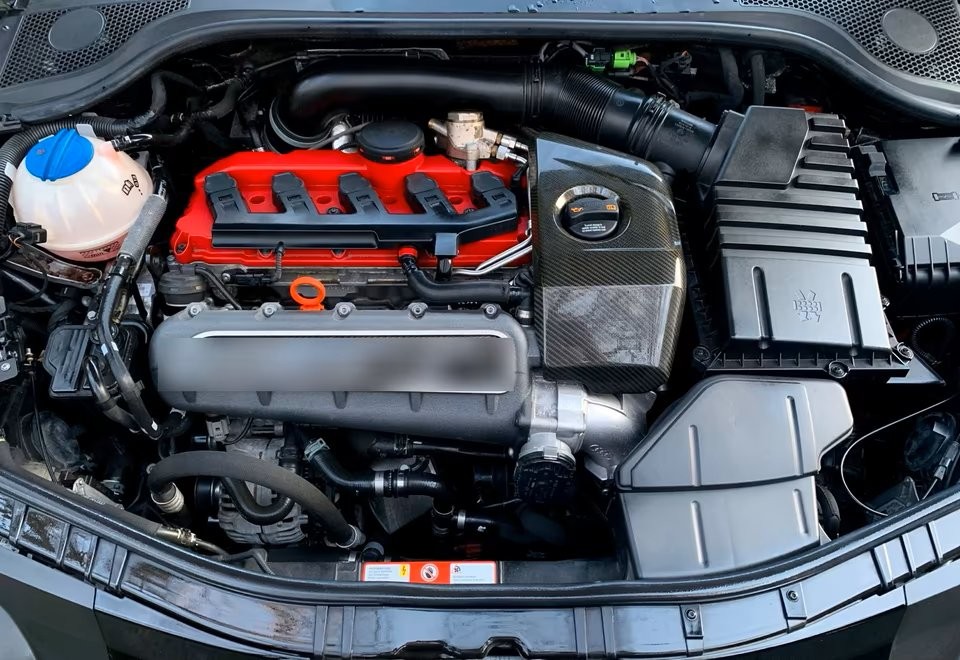
Quattro, 2.5 L five cylinders with turbo, full option with flap exhaust, manual gearbox, forged wheels, excellent condition, low mileage….the answer is Audi TT RS! A dreamcar.
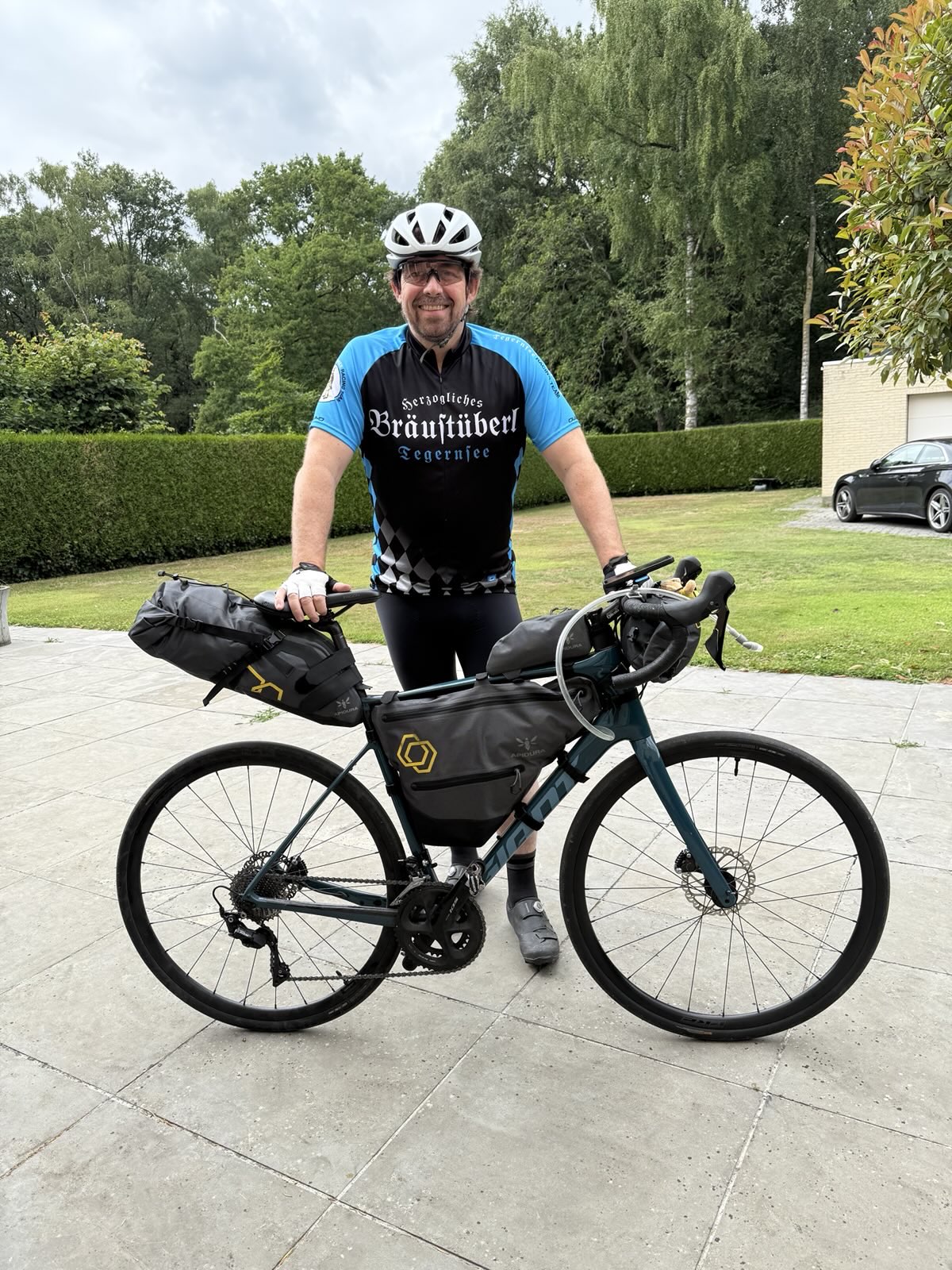
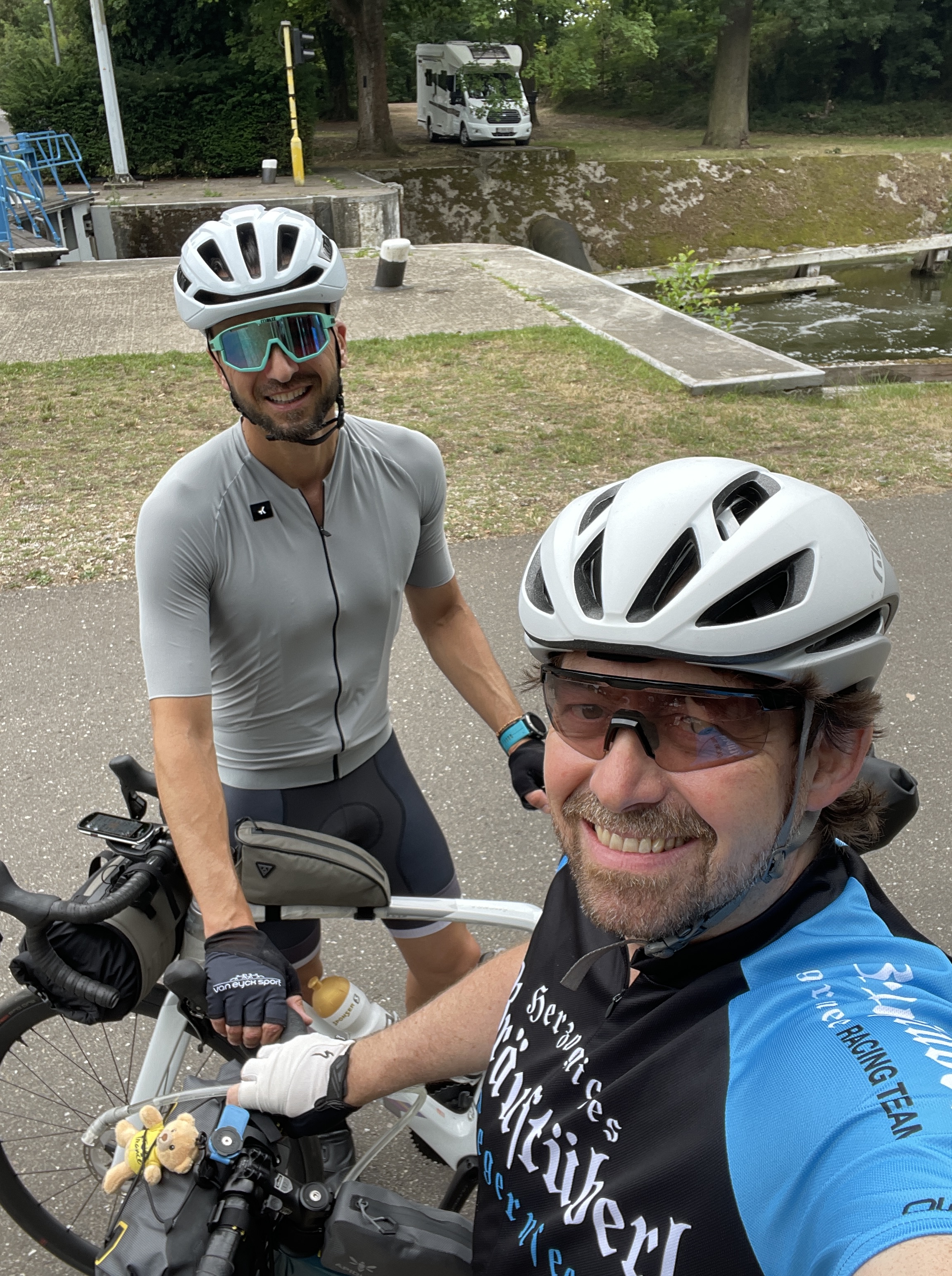
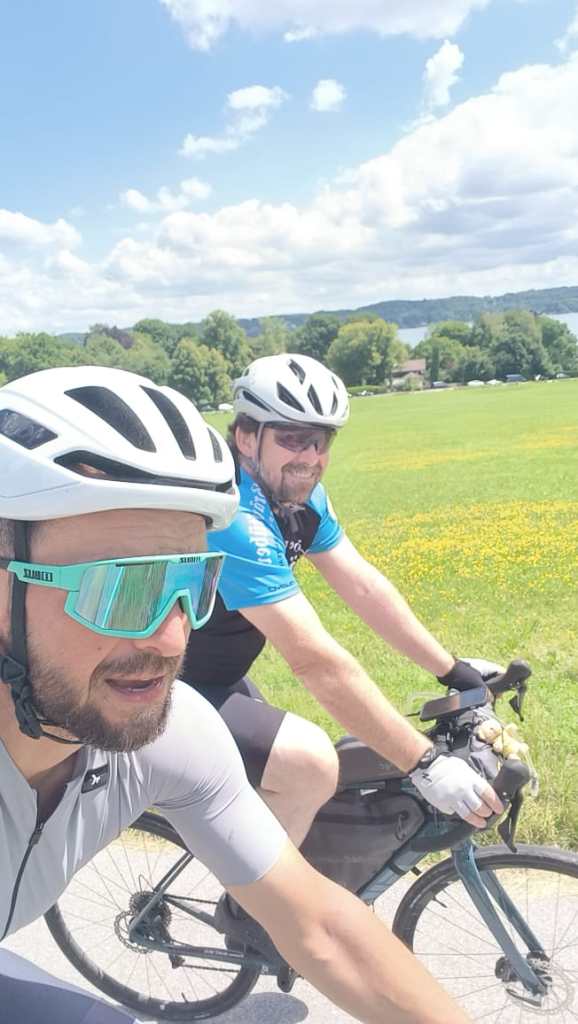
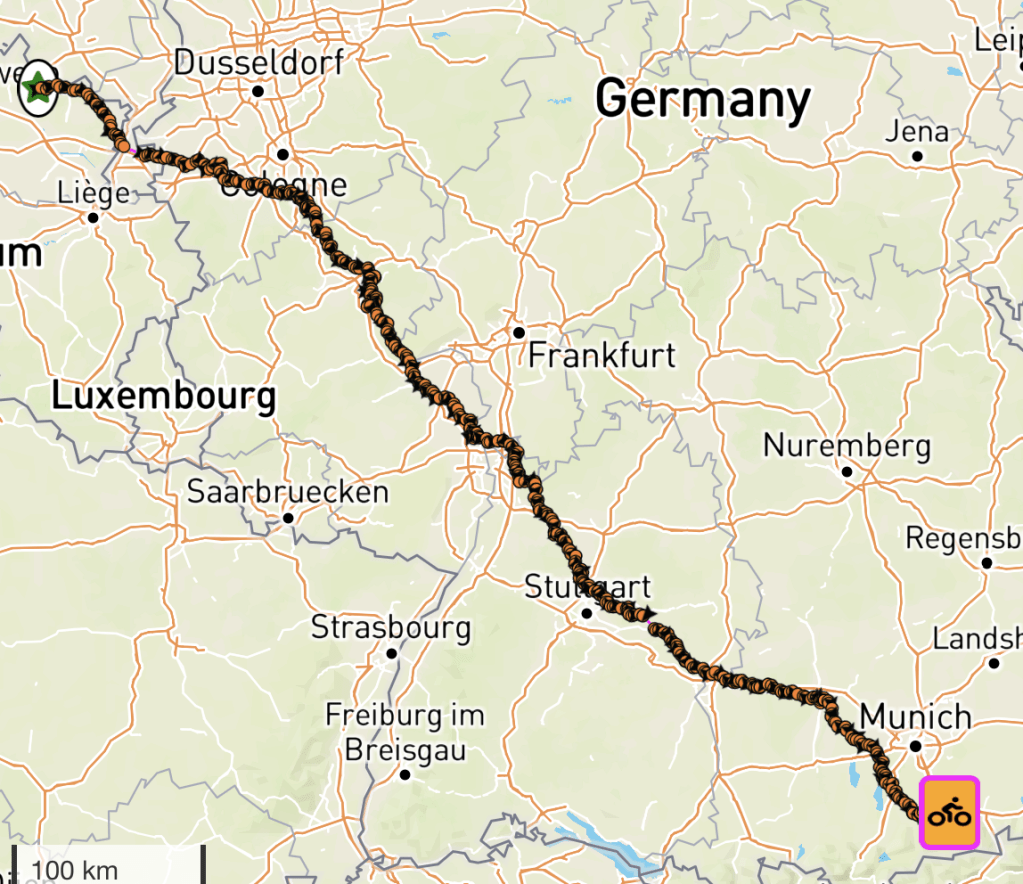
The next adventure was slower, a lot slower. For years, I had thought to do a cycling trip from Belgium to my hometown. And for years, I had postponed it. This year, I finally made it happen! I had bought an “endurance” bike last year that is comfy for long rides. Lampros, a colleague of mine joined the trip and I had to warn him that my fitness is on a different level than his (he does triathlons!), but after some test rides we concluded that this could work. I had pre-booked the hotels due to the high season so the route was fixed. In July, we set off for a 7+1 day trip to the Bavarian Alps.
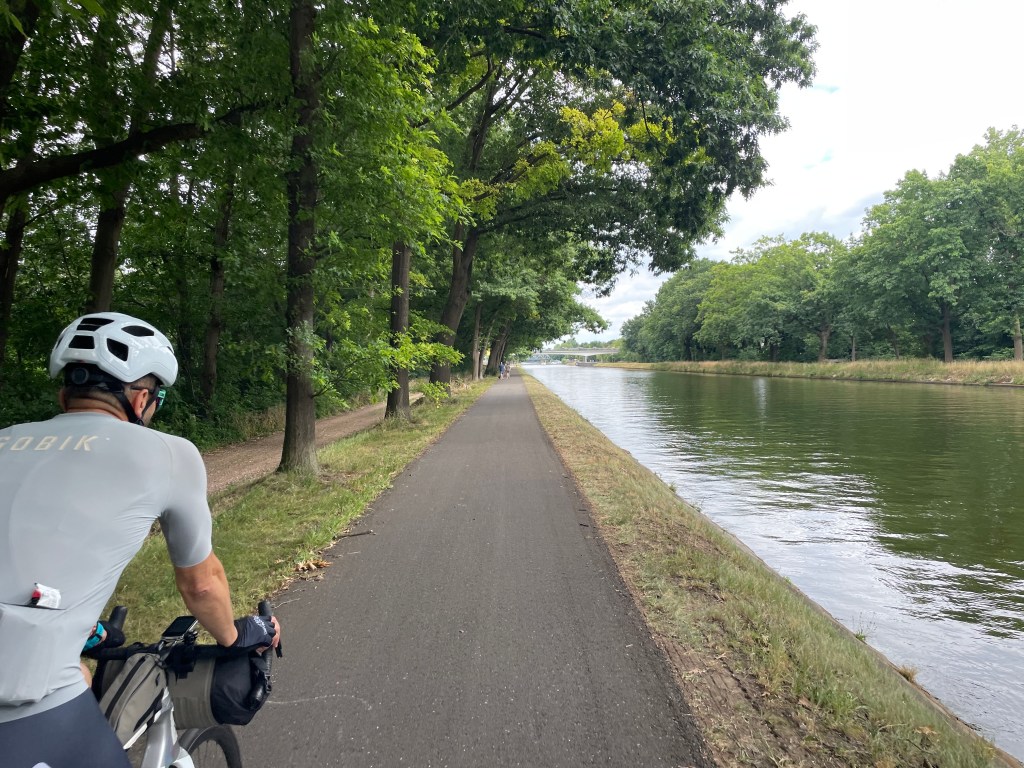
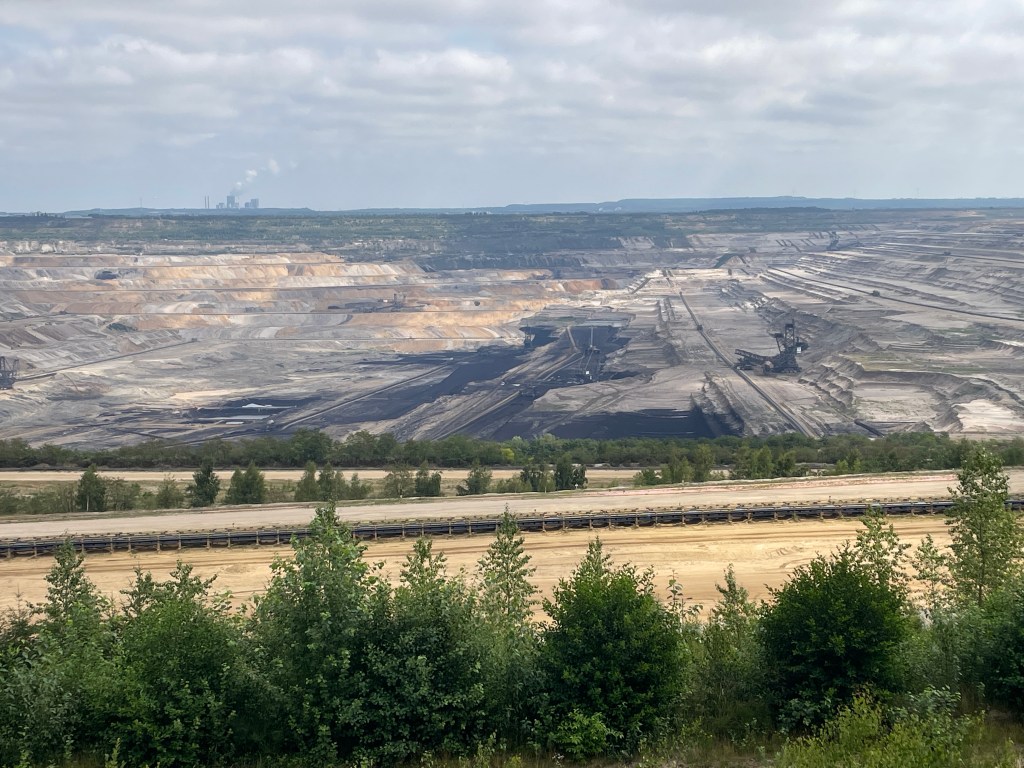
The trip was supposed to be scenic; The first afternoon was only a short ride of 70 km along the canals in the Kempen and stopping in Stein north of Maastricht. The next day we entered Germany with the flat areas west of Cologne, passing by the enormous, 48 km2 open-pit coal mine of Garzweiler. We reached our hotel in Bonn after a visit to the city centre.
The next morning we cycled along the Rhine river until we reached Koblenz where we met Thomas and Katharina, fellow IBA motorbikers, at the “Deutsches Eck”, the confluence of Rhine and Mosel. In the afternoon, we continued our ride through the Middle Rhine Valley, the most scenic and famous part of the Rhine. We rode up to Castle Stolzenfels that we visited, enjoying the views. Our stop for the day was in Bacharach, the picturesque wine village.
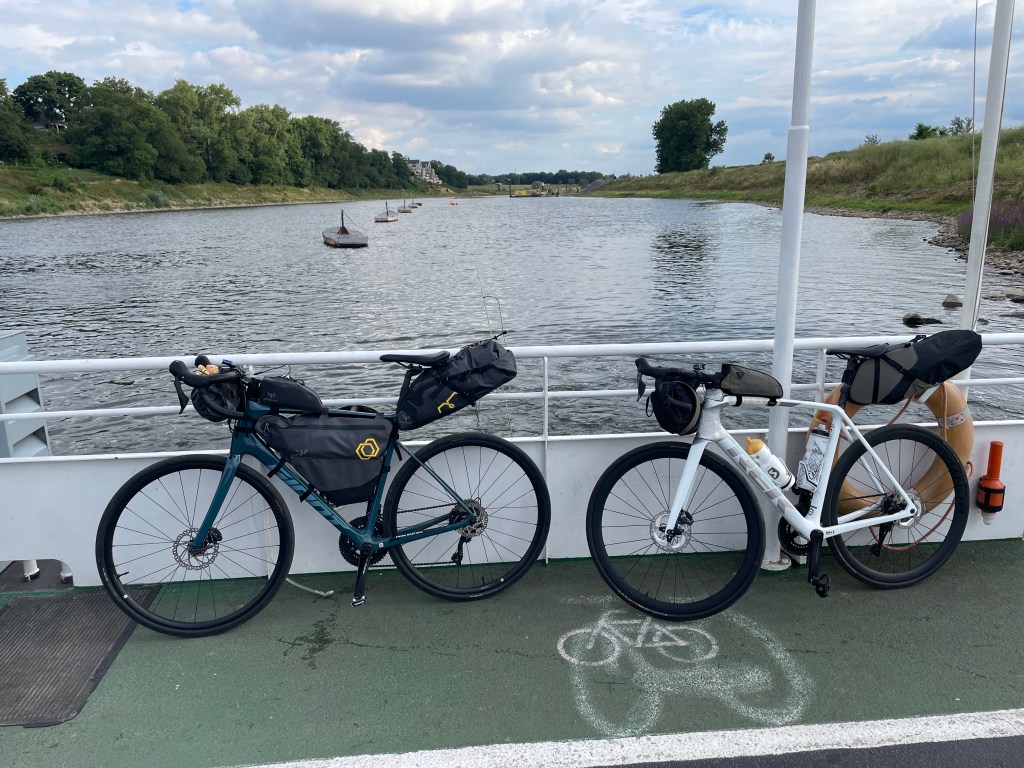
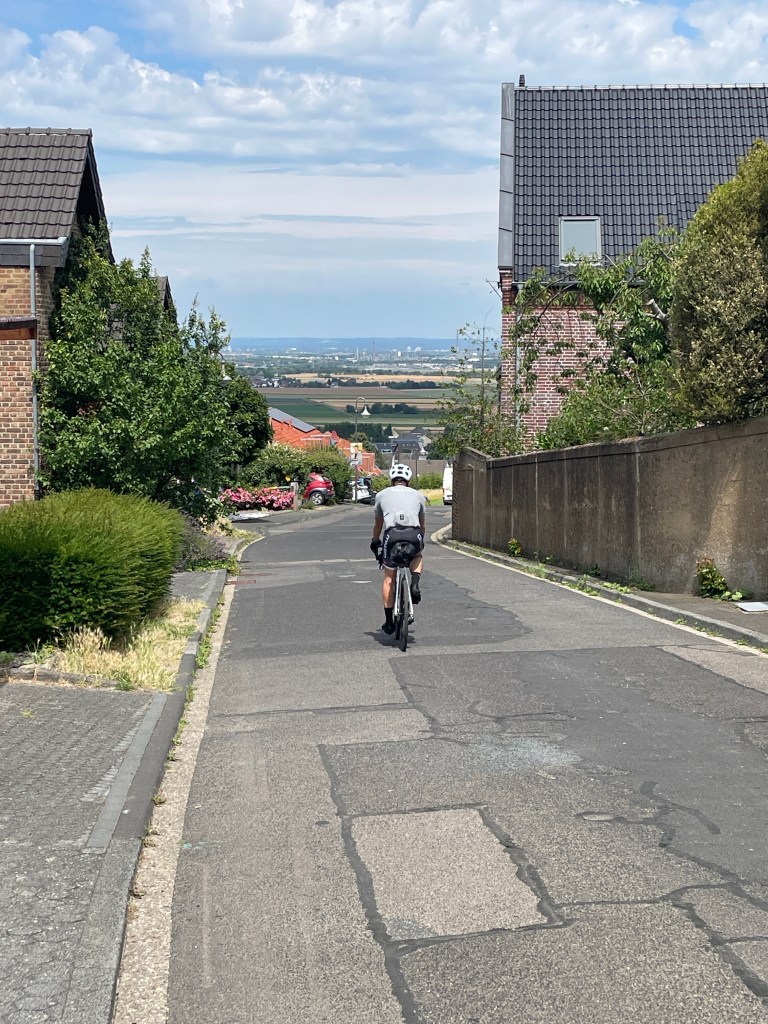
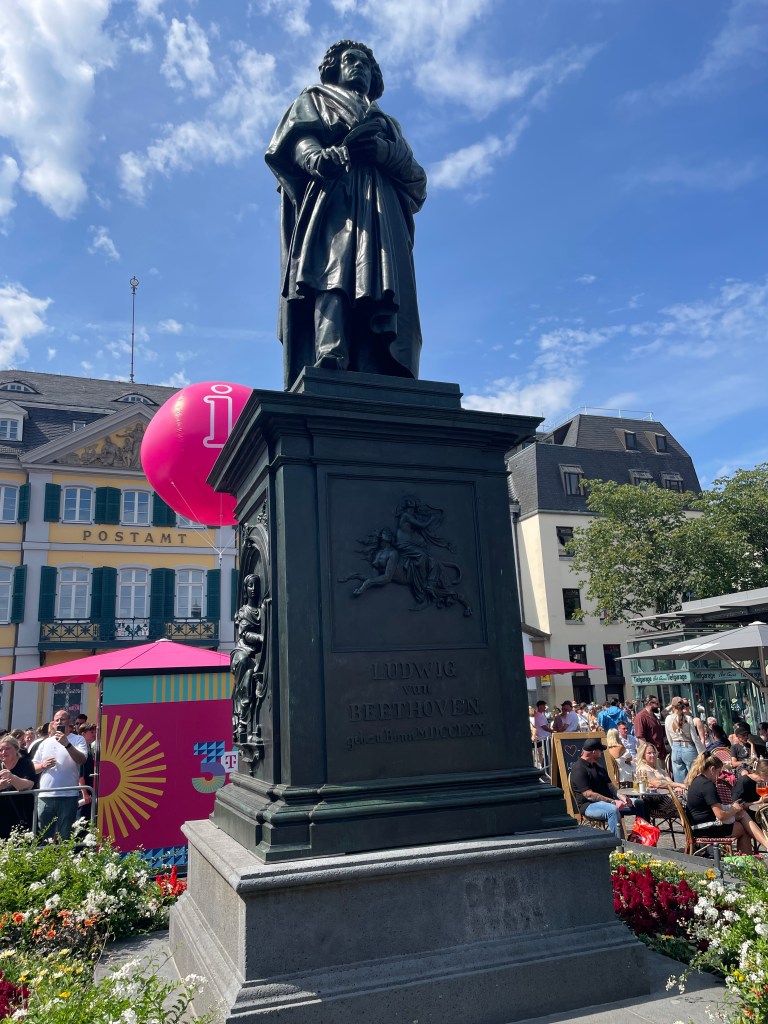
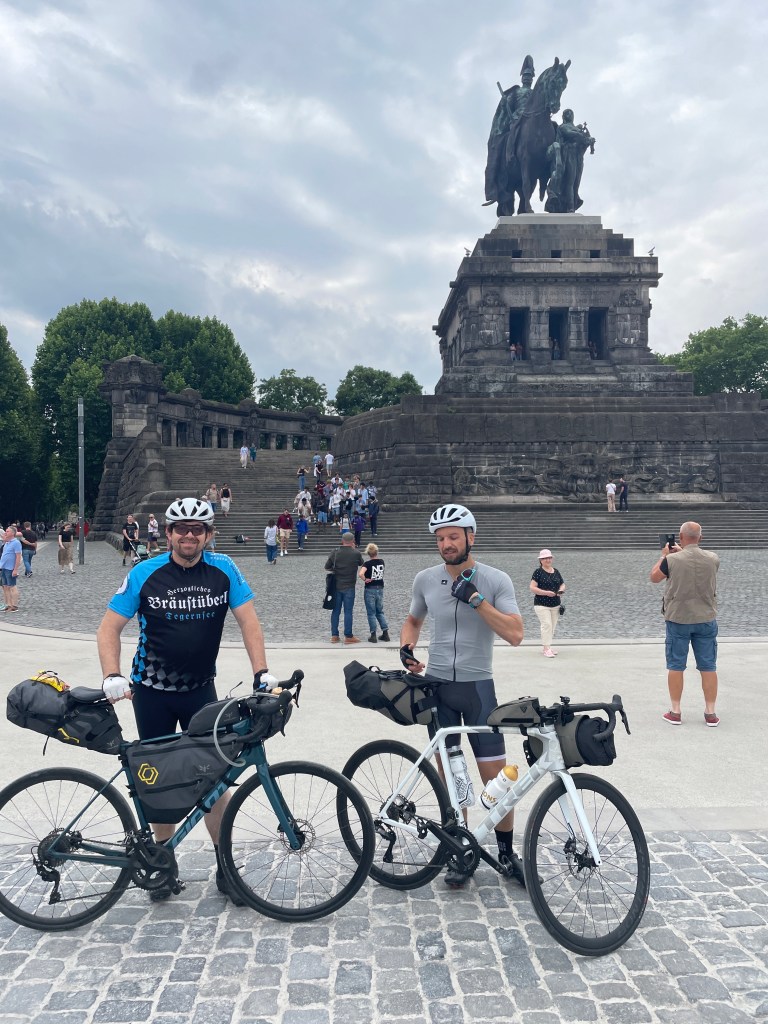
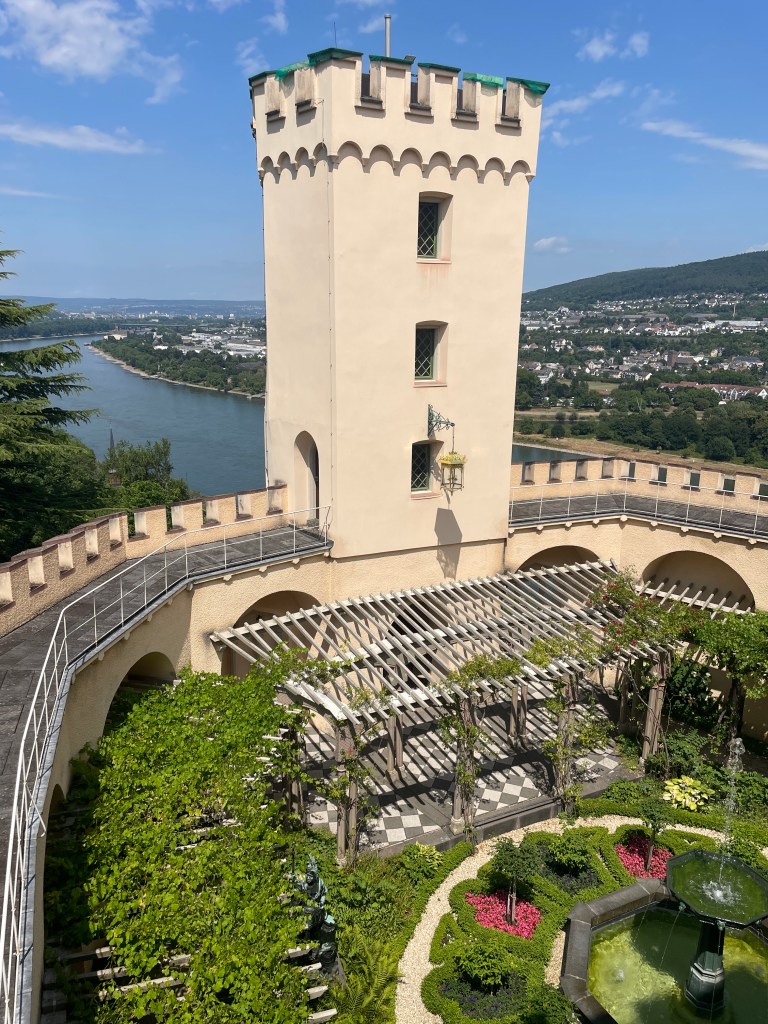
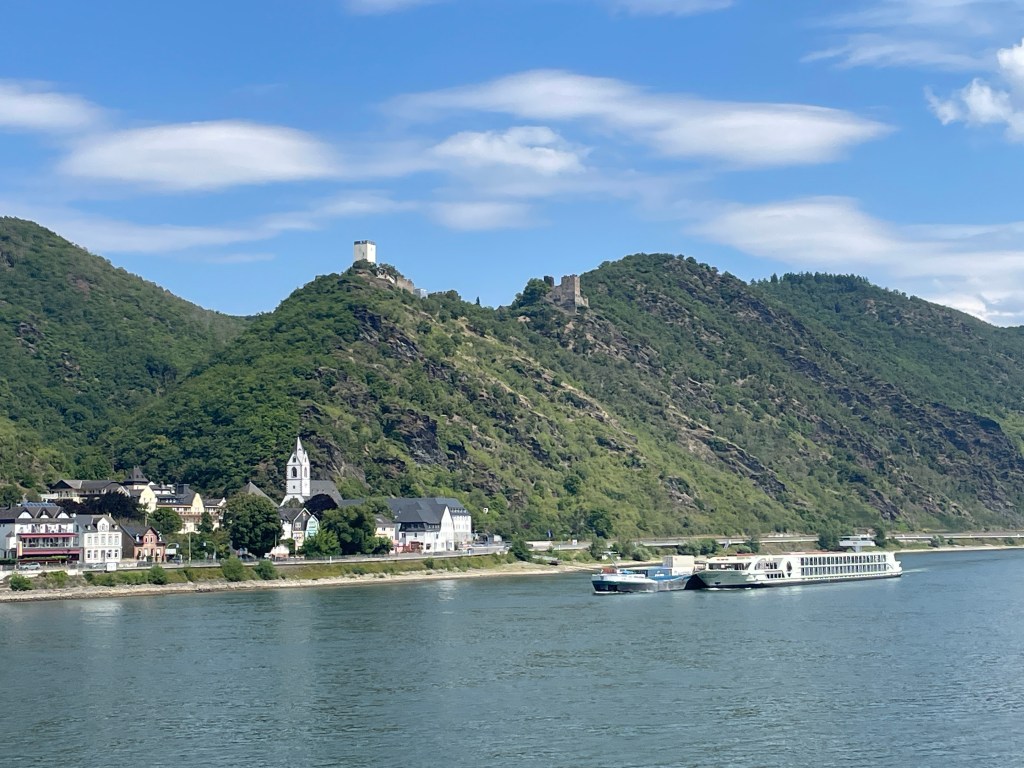
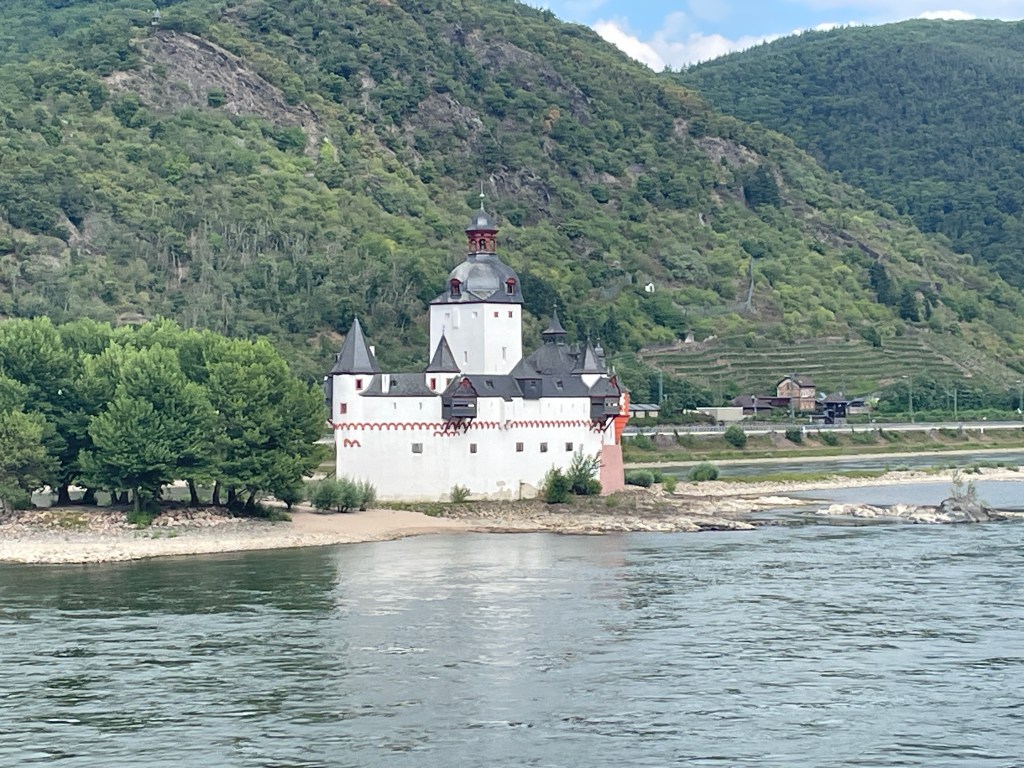
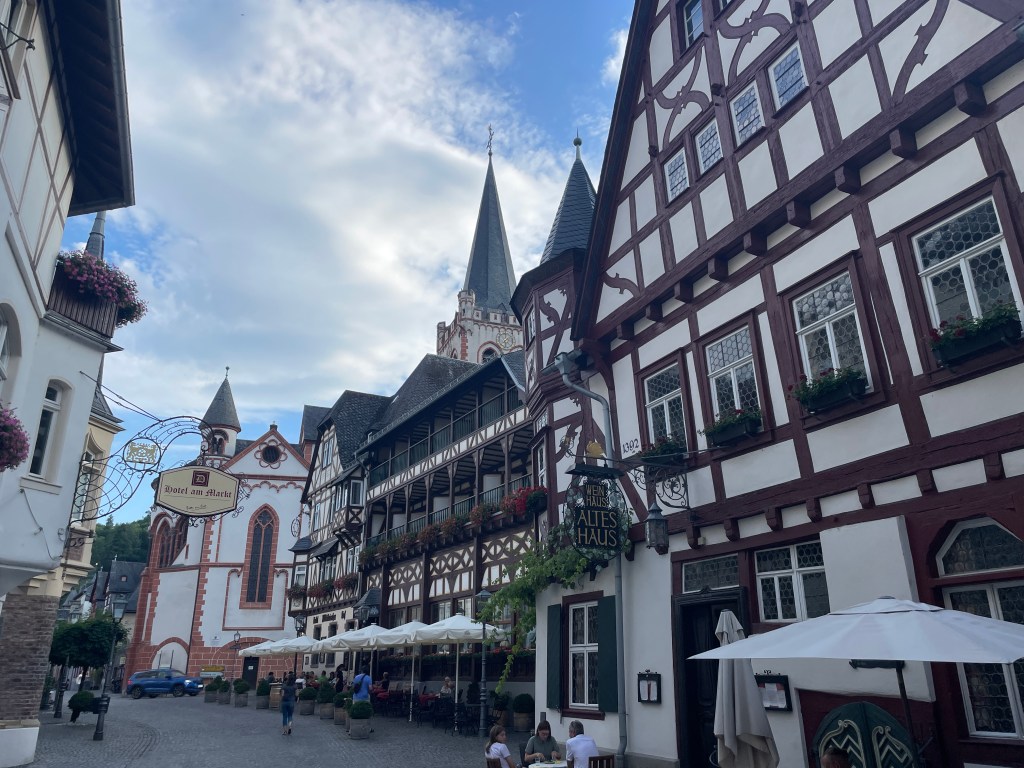
On the morning of the third day, we followed the Rhine to Bingen and cut short through the Palatinate, through vineyards and wheat fields. The weather was more wet and we had to avoid the showers. At Worms, one of the oldest European cities and hosts one of the three medieval imperial cathedrals, the crossed the Rhine, now being east of the river. After a tiring last ride against the wind, we reached Heidelberg, our stop-over for the night. A very famous and very beautiful old city, one of the highlights of the trip.
The next morning, we rode up the Neckar river a bit and had a long, hilly day before us. We passed by the huge Museum of Technology in Sinsheim, but had to conclude that there was no time for a visit, we still had a long day before us. The landscape got nicer and nicer and we enjoyed the good weather, rolling through vineyards and small villages. We knew we had a huge challenge in front of us in the evening, a very steep climb up to our hotel in Adelberg, in the middle of nowhere. The hotel was basic and a bit weird, but we found a good place to eat and were happy not to have to cycle more on that day.
The next day would bring mixed weather again. After a descent, we he had to cross the big European water divide between Rhine and Danube at the famous Geislinger Steige. From here, it was rolling downhill to the Danube where we had lunch in Günzburg. The rest of the day was quite wet so decided to stop in Augsburg to dry our gear.
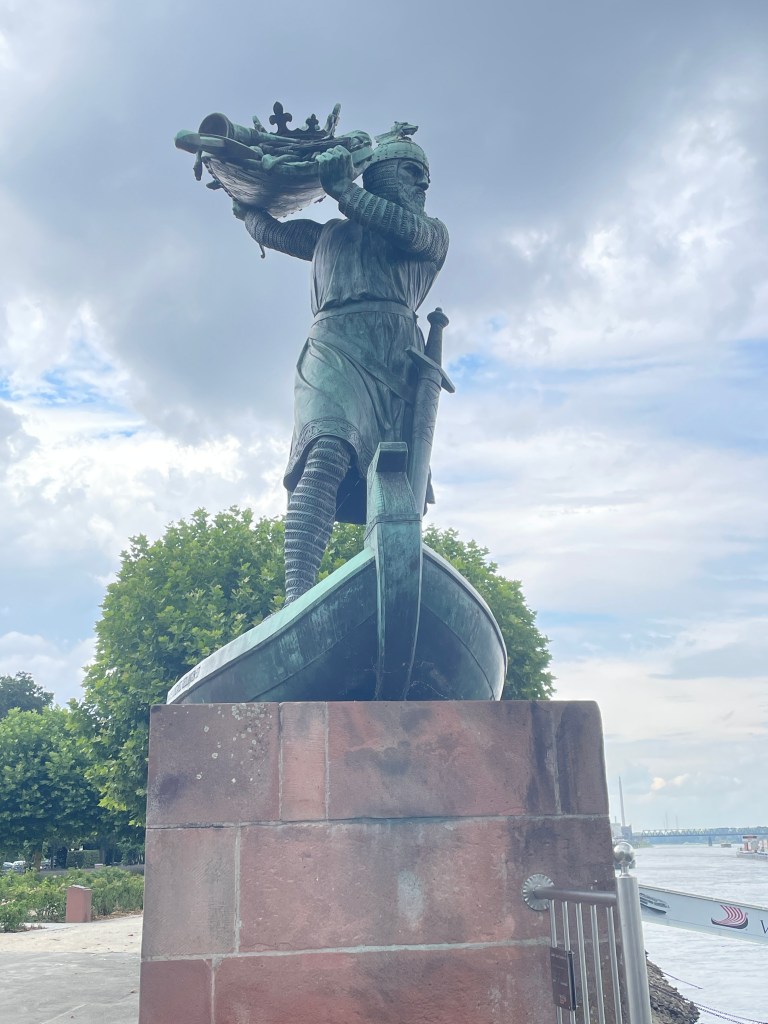
Hagen and the Rhine Gold Treasure 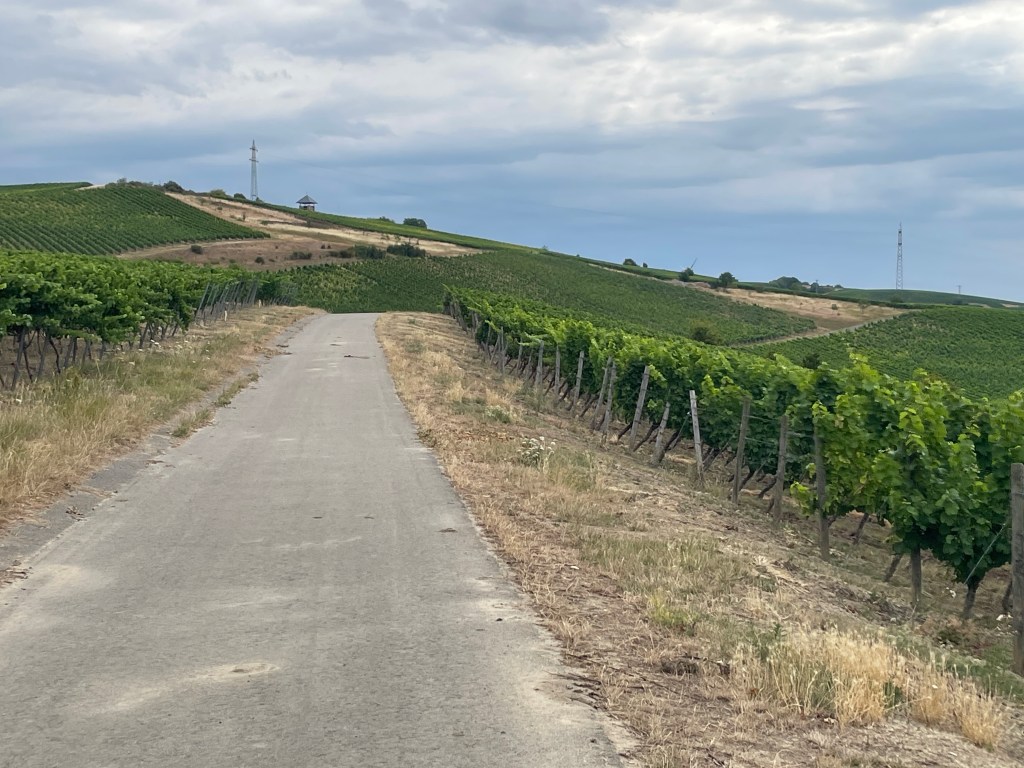
Vineyards in the Palatinate 
Heidelberg 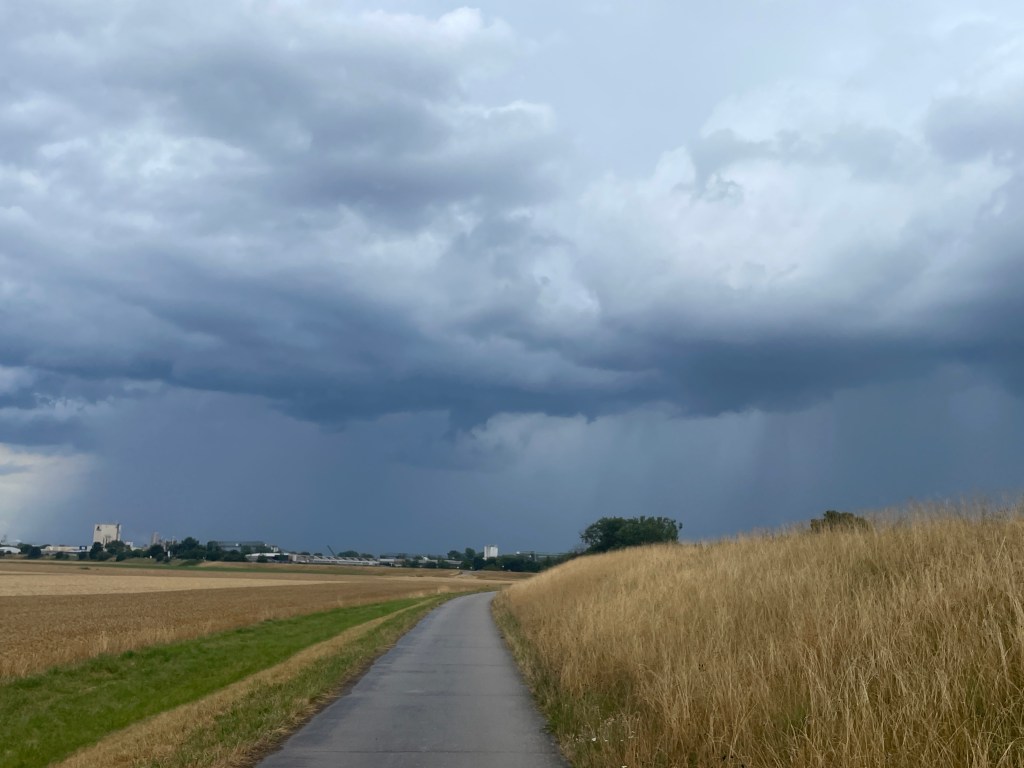
Rain ahead! 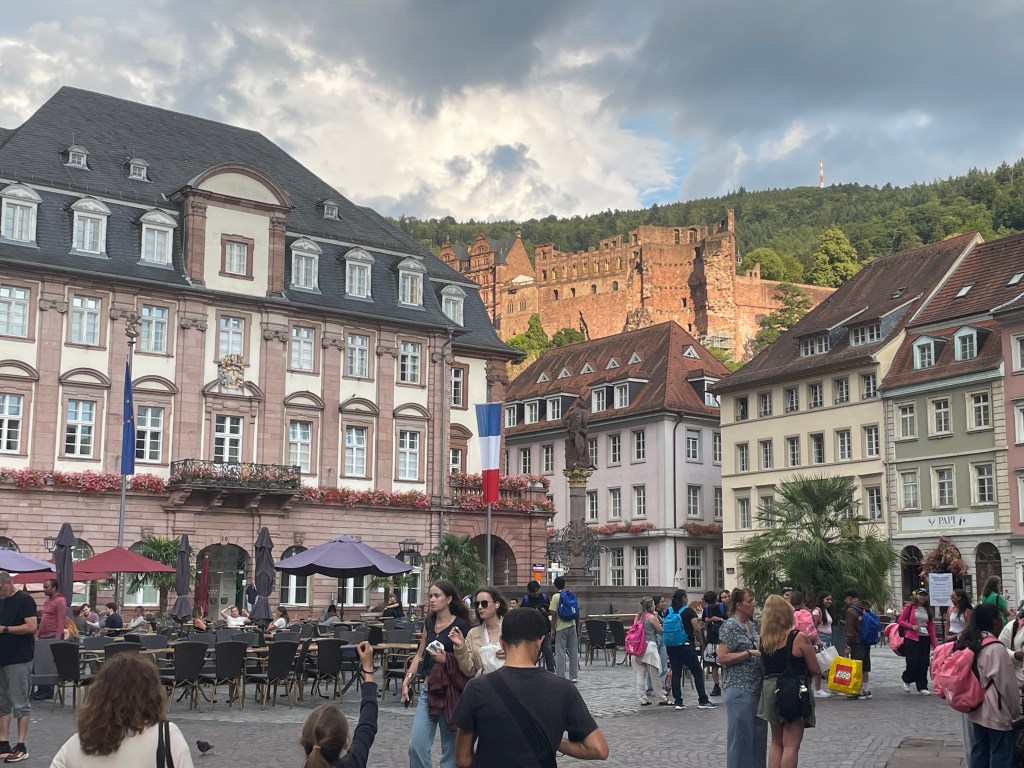
Heidelberg castle 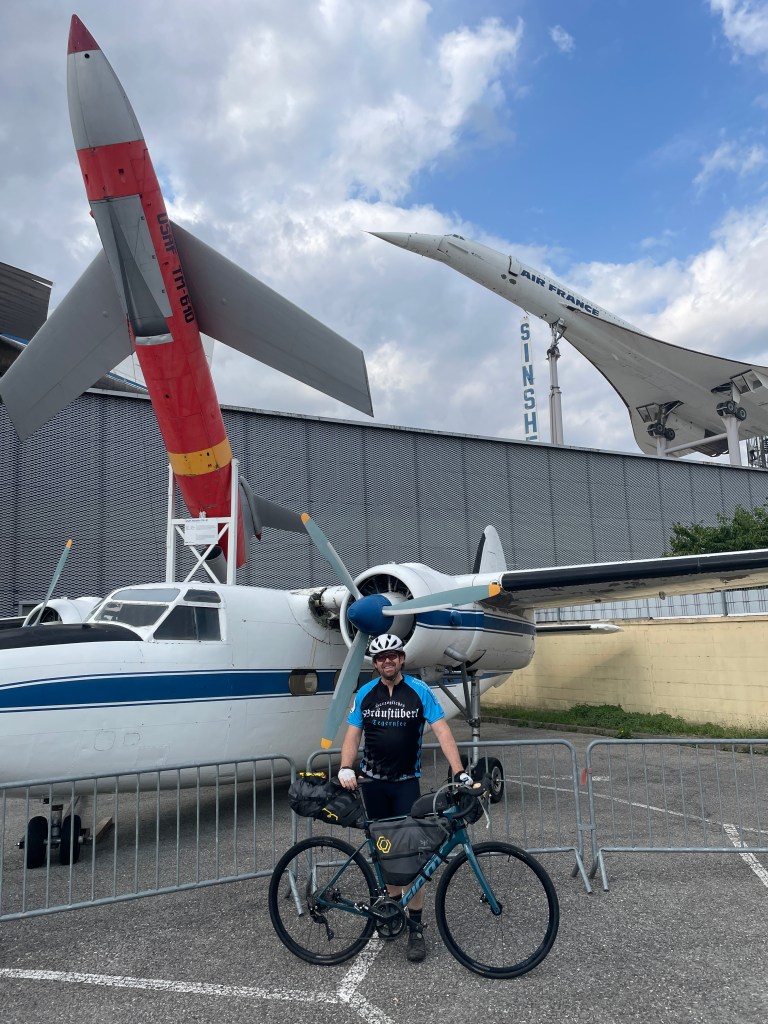
Sinsheim Technik Museum 
Vineyards in Baden 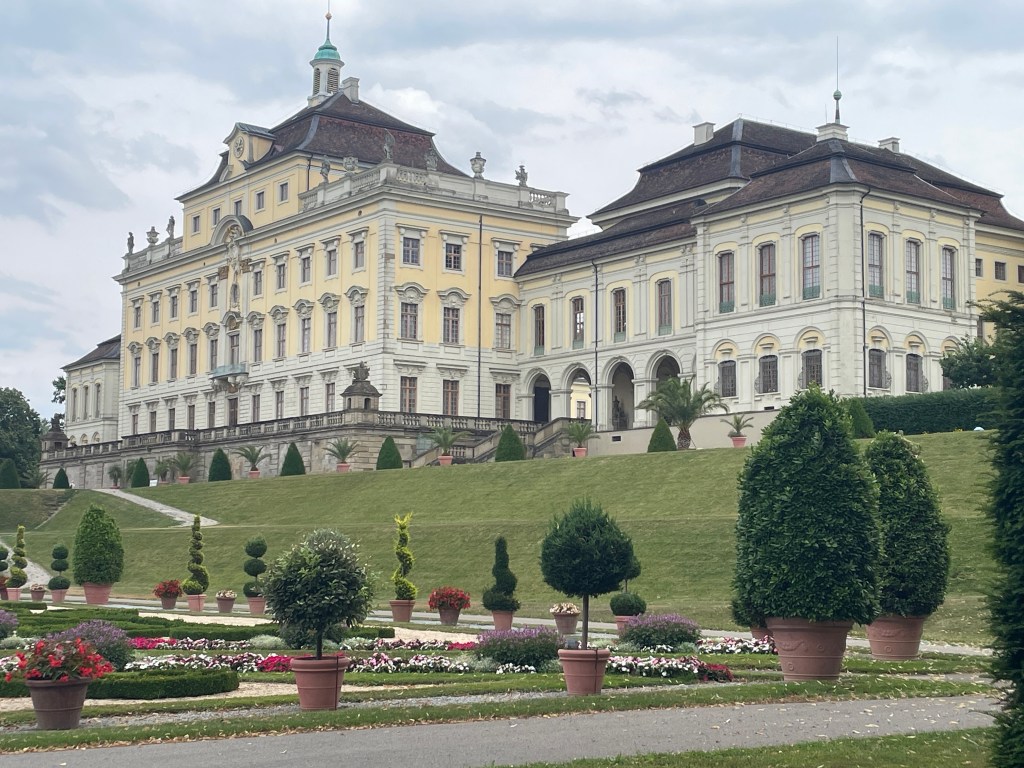
Ludwigsburg Castle 
“When does this ascent stop???” 
Waych out for the end of day 5! 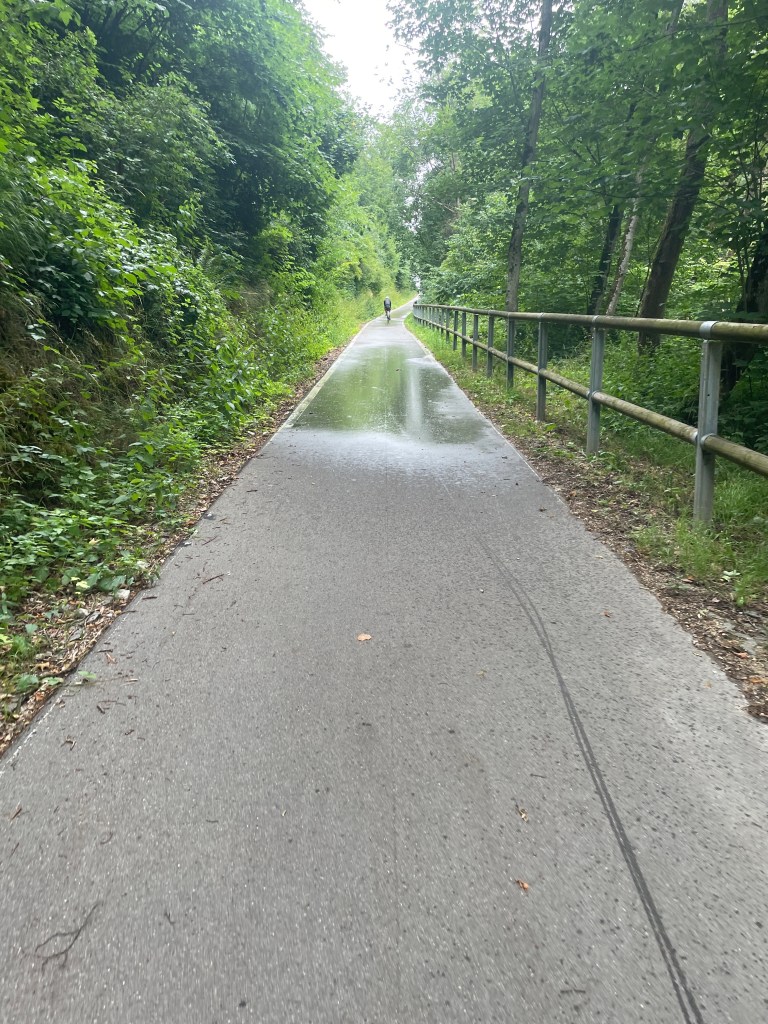
Top of the Geislinger Steige 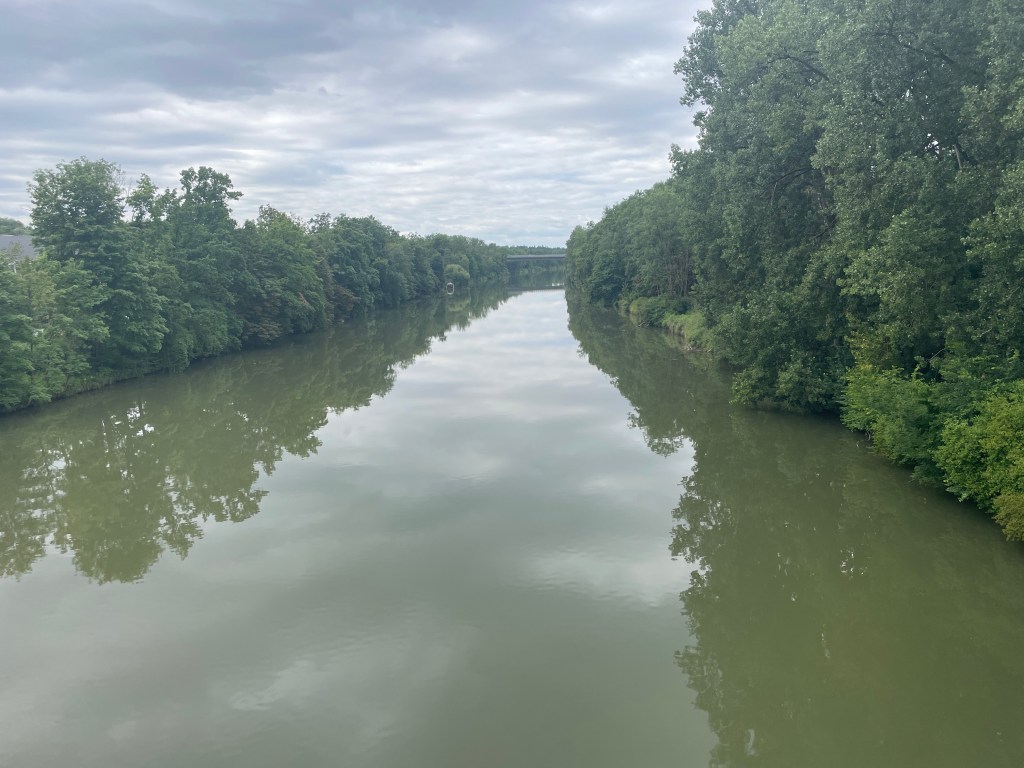
Crossing the Danube river 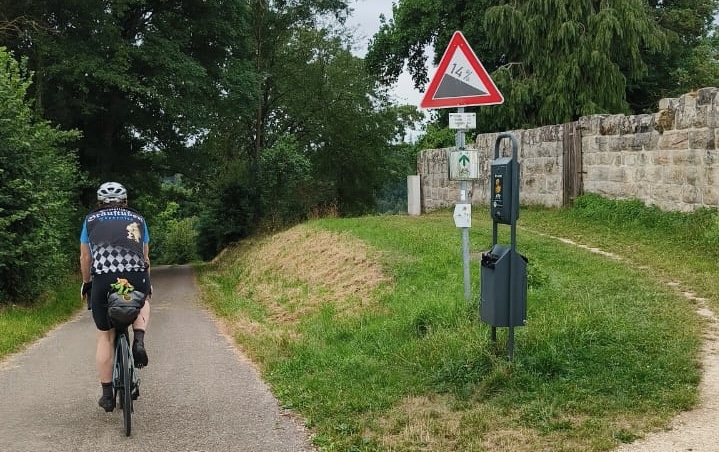
Downhill! 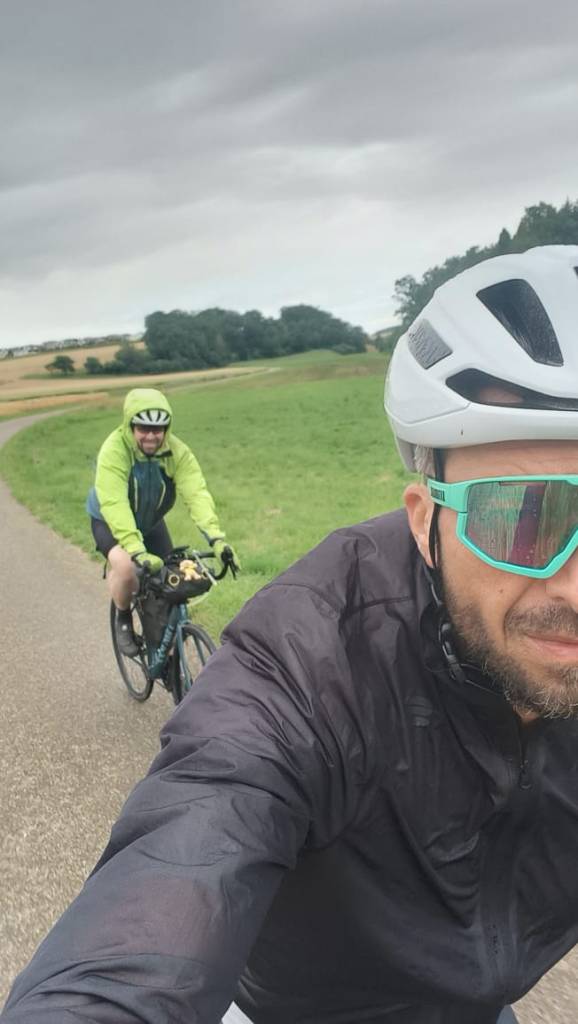
Shitty weather! 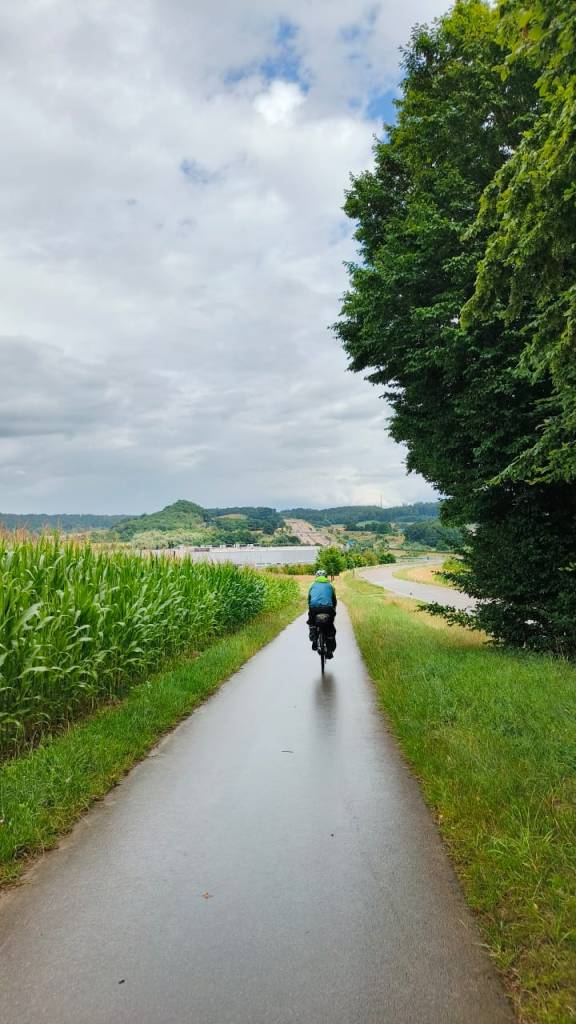
Even more shitty weather!
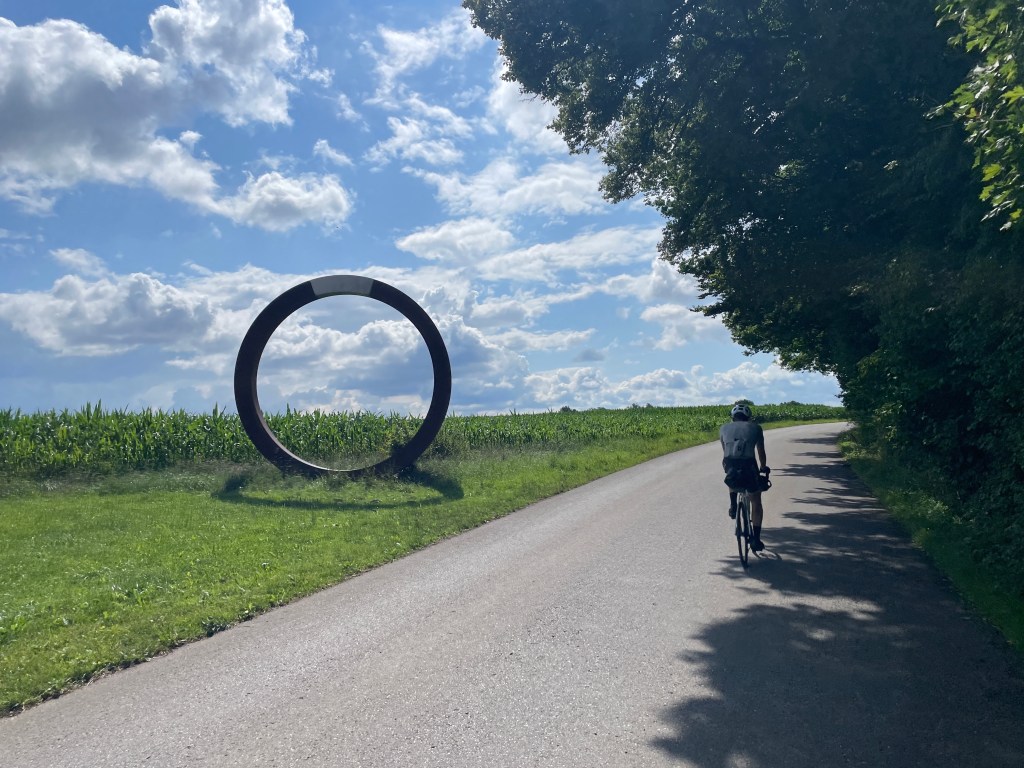
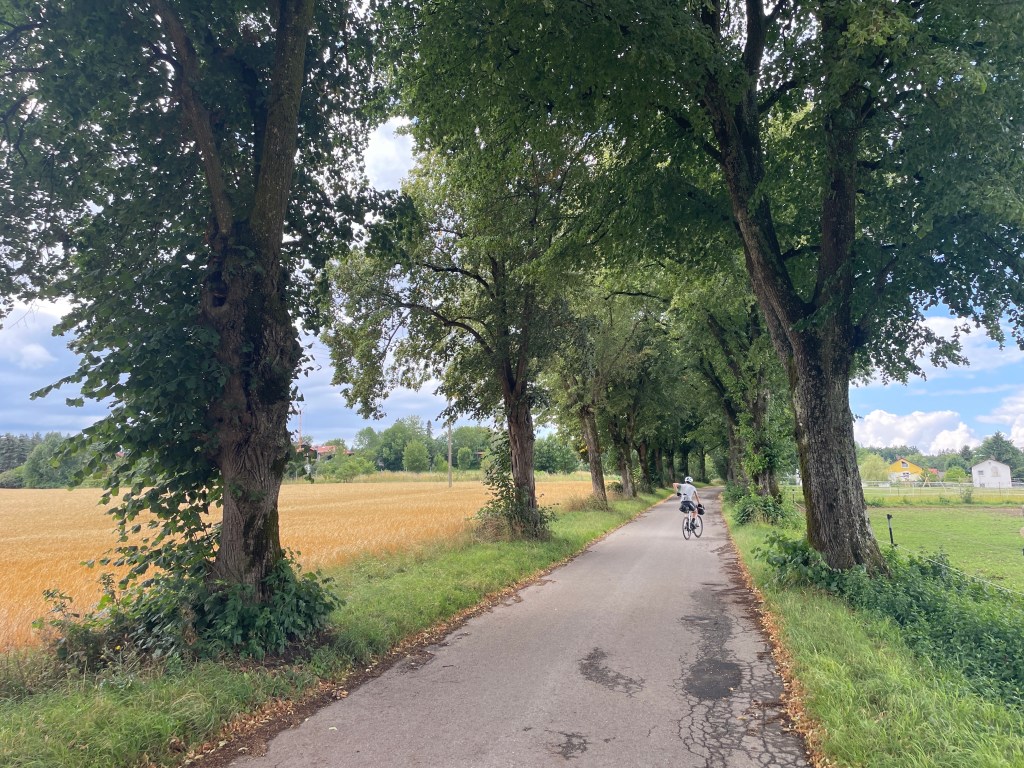
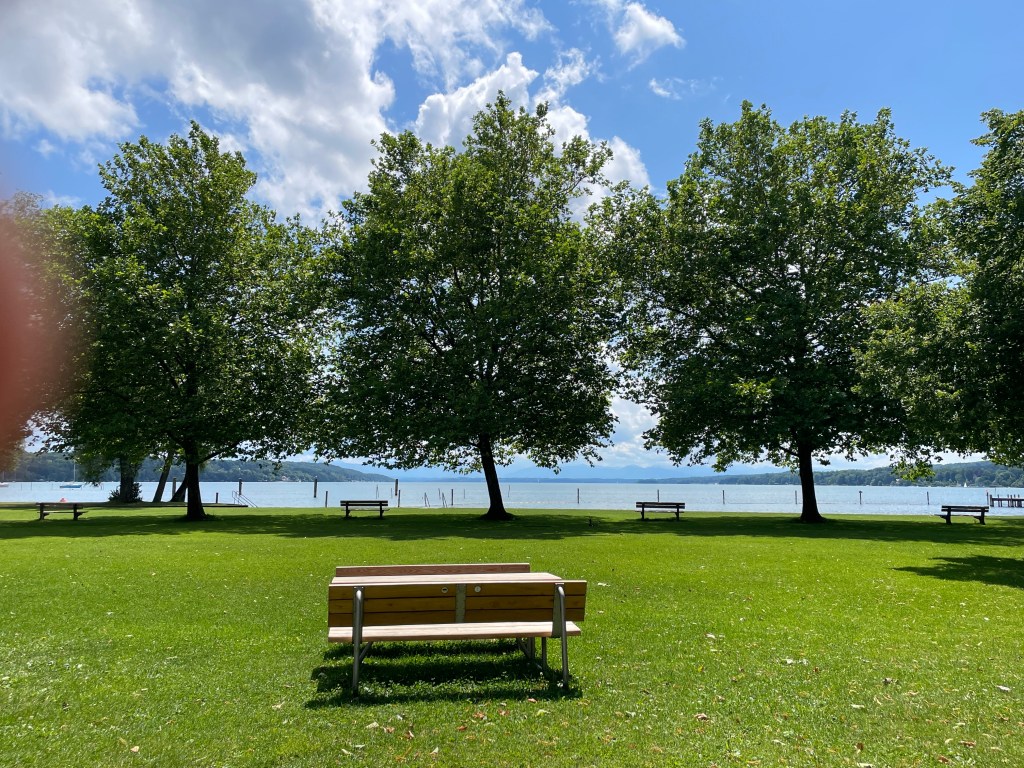
On the next day, it was a lovely day, the right setting for the final leg. We crossed the Lech river and crossed into Upper Bavaria. We stopped for lunch at the shores of the Starnberg Lake. We entered home soil now, namely the Bavarian Oberland. I may be biased, but it seemed the sun shone brighter, the sky was more blue and the views were more lovely than before 😇.
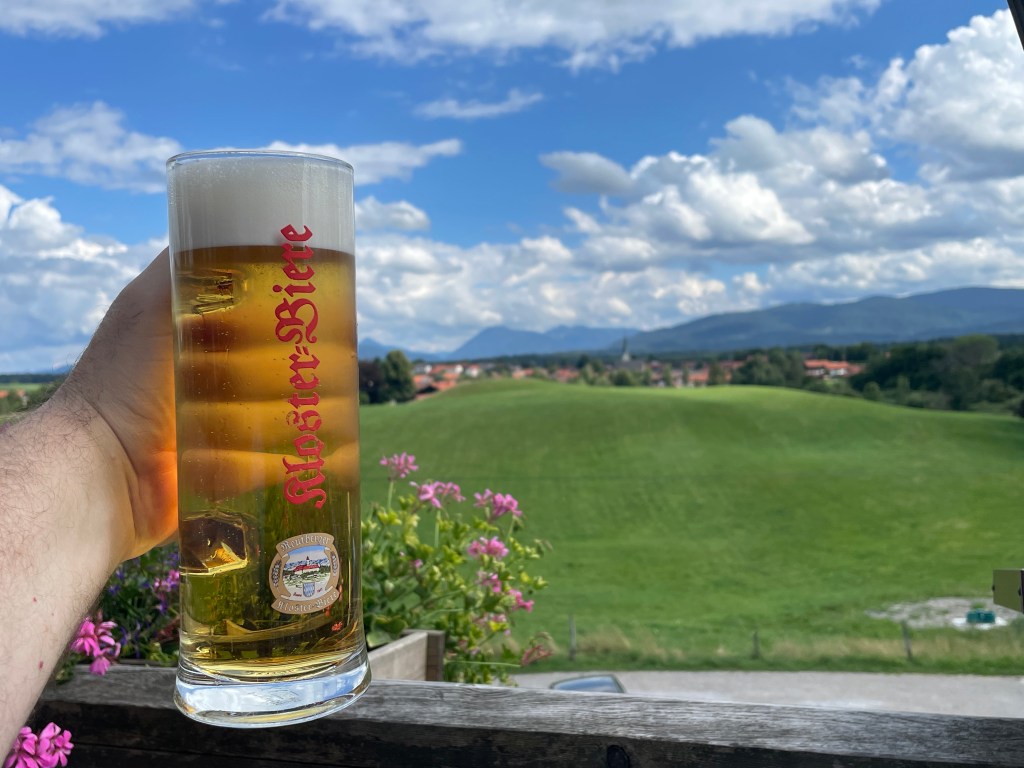
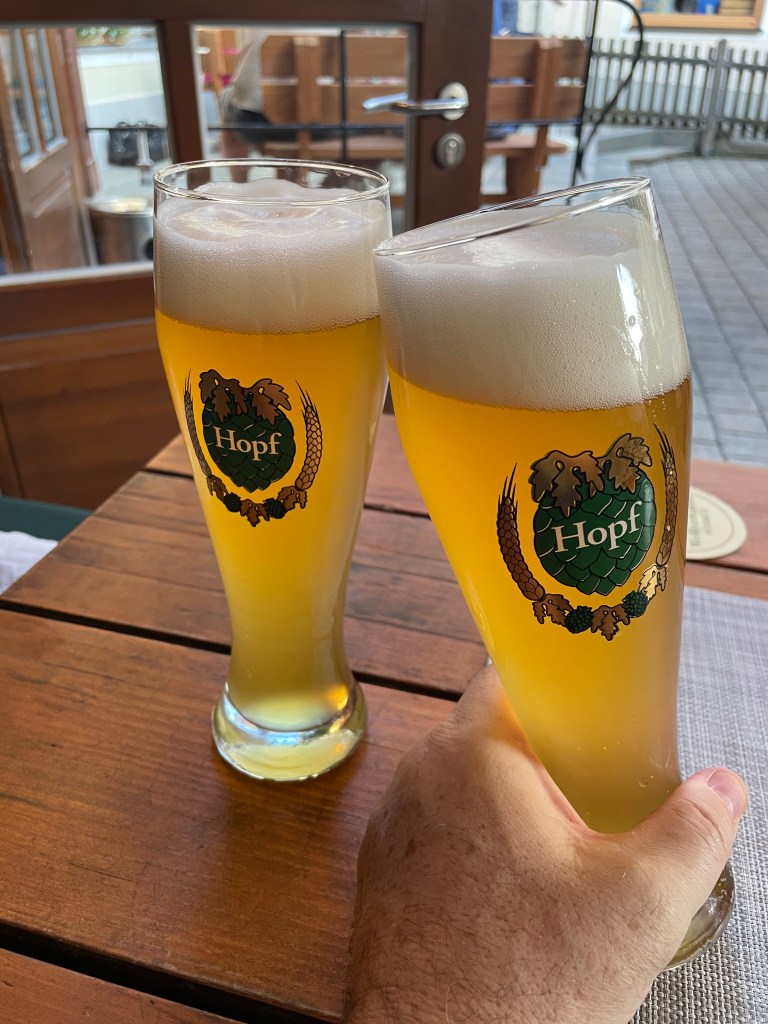
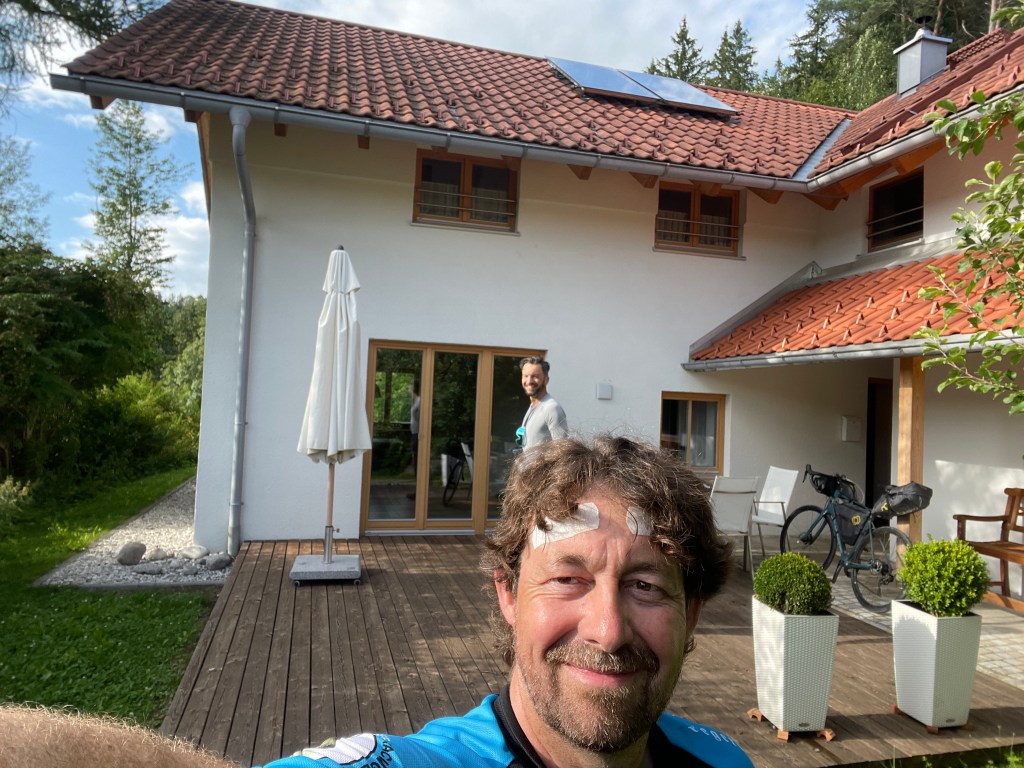
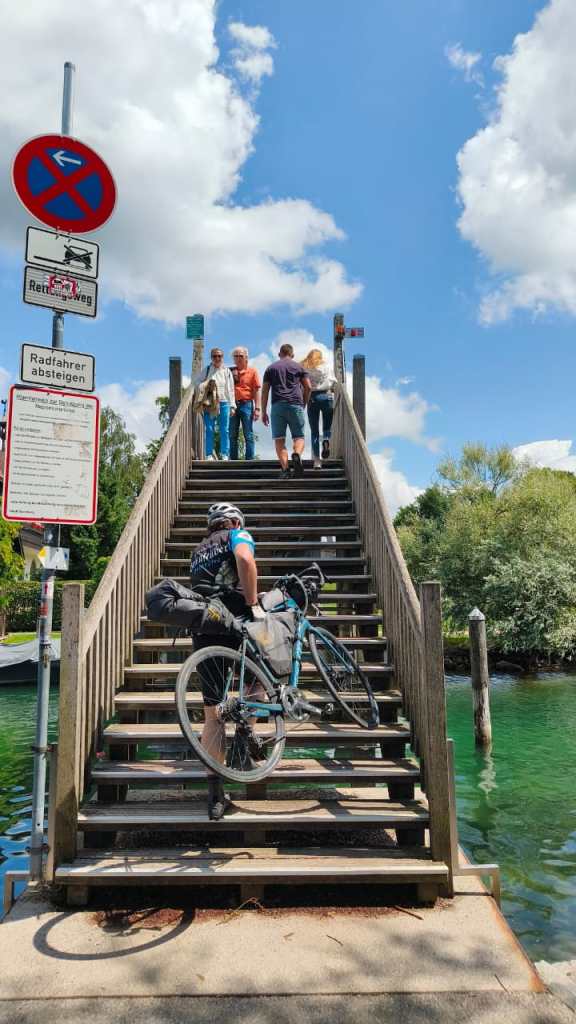
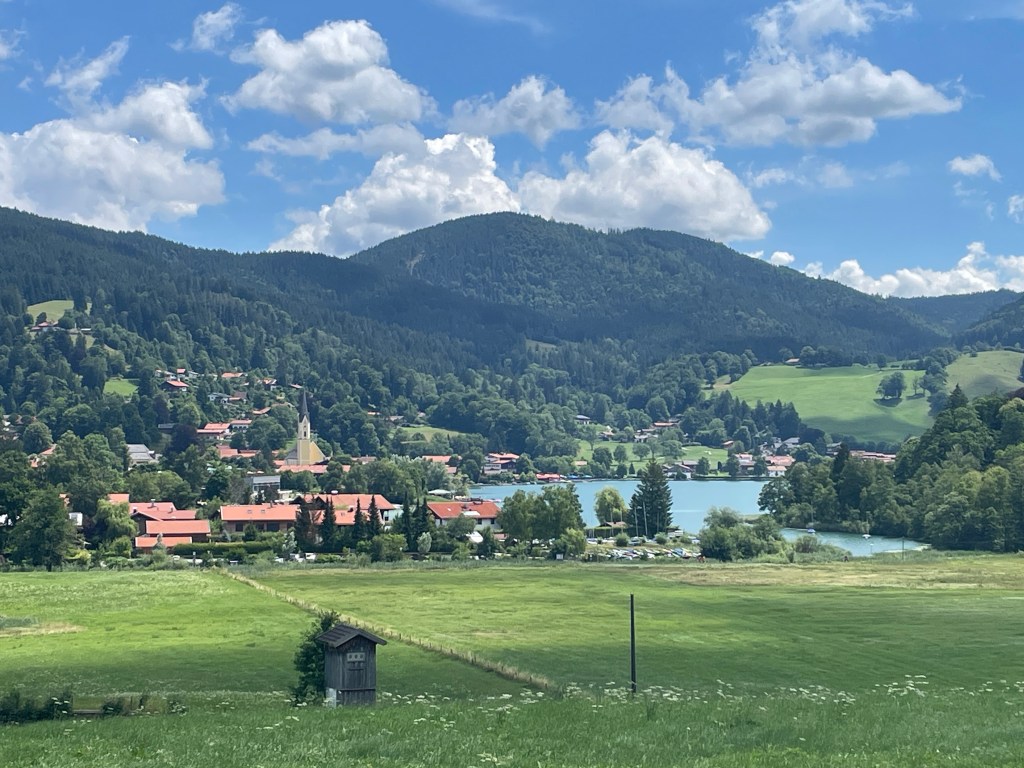
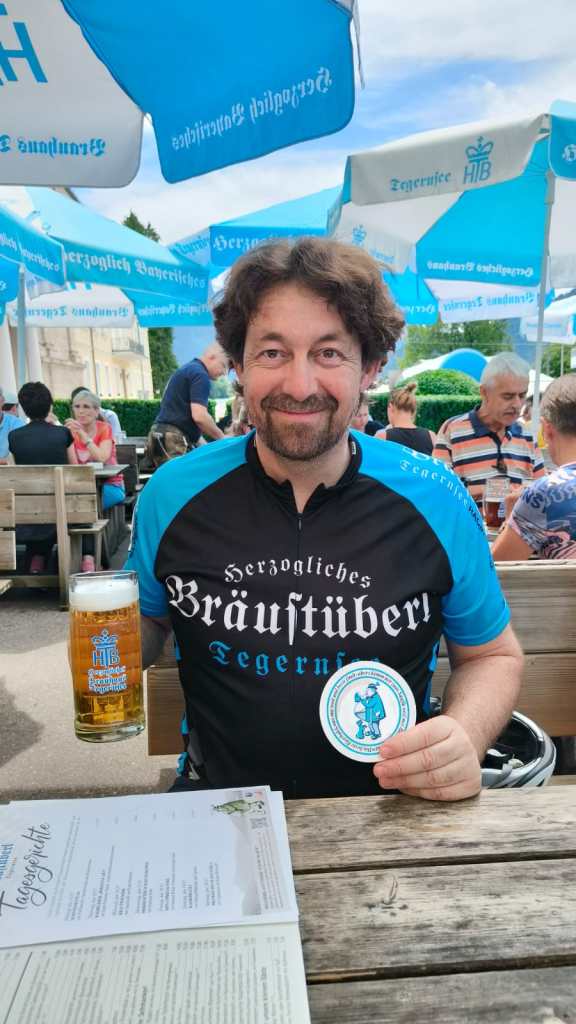
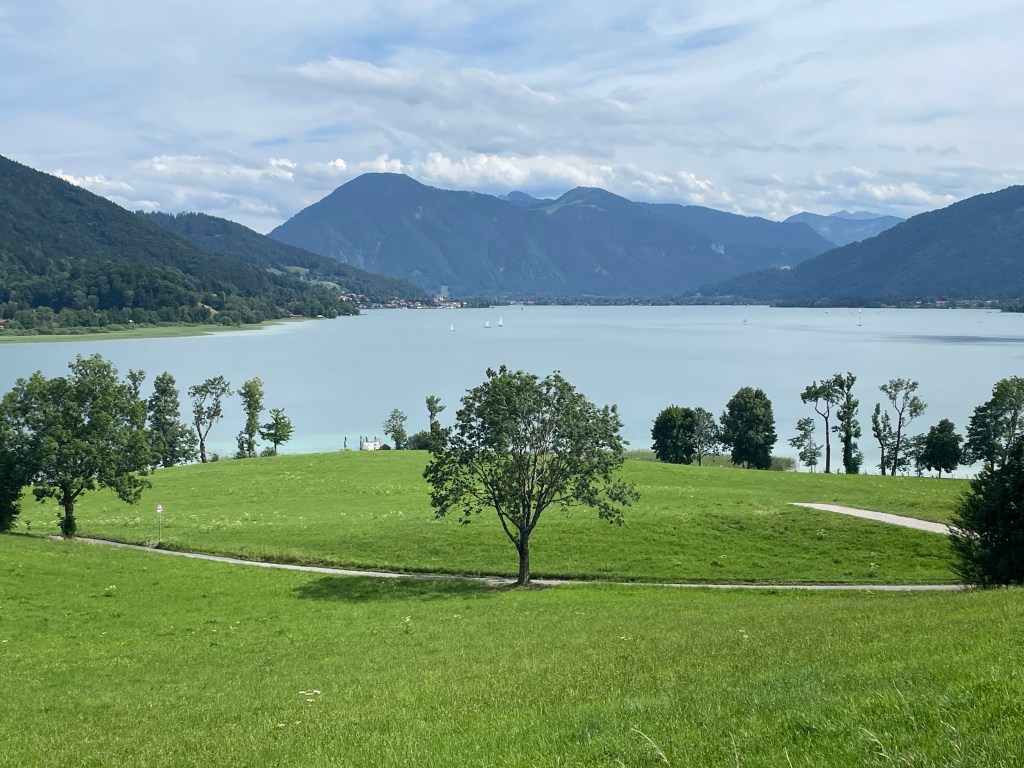
I had changed the planned route and had introduced a must-stop before reaching the finish line: Reutberg monastry with its brewery and the gorgeous views on the pre-alpine ridge. One refreshing beer later, we set off for the last 25 km, riding on my old home course towards my house near Miesbach. A different sort of homecoming. And after 845 km and 5000 m altitude, we arrived at our destination. After a well-deserved shower and a dress change, we went to Miesbach for a Bavarian dinner. The next day, we did a little 75 km add-on, a nice ride visiting many highlights in the area. A perfect finish to a fantastic trip.
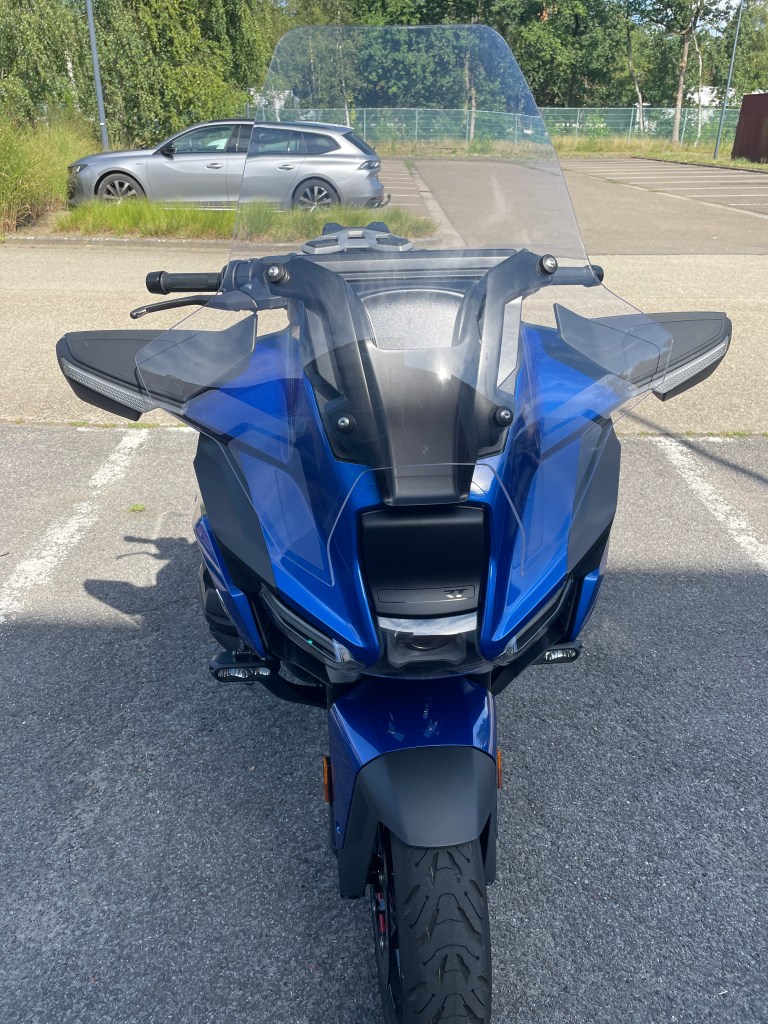
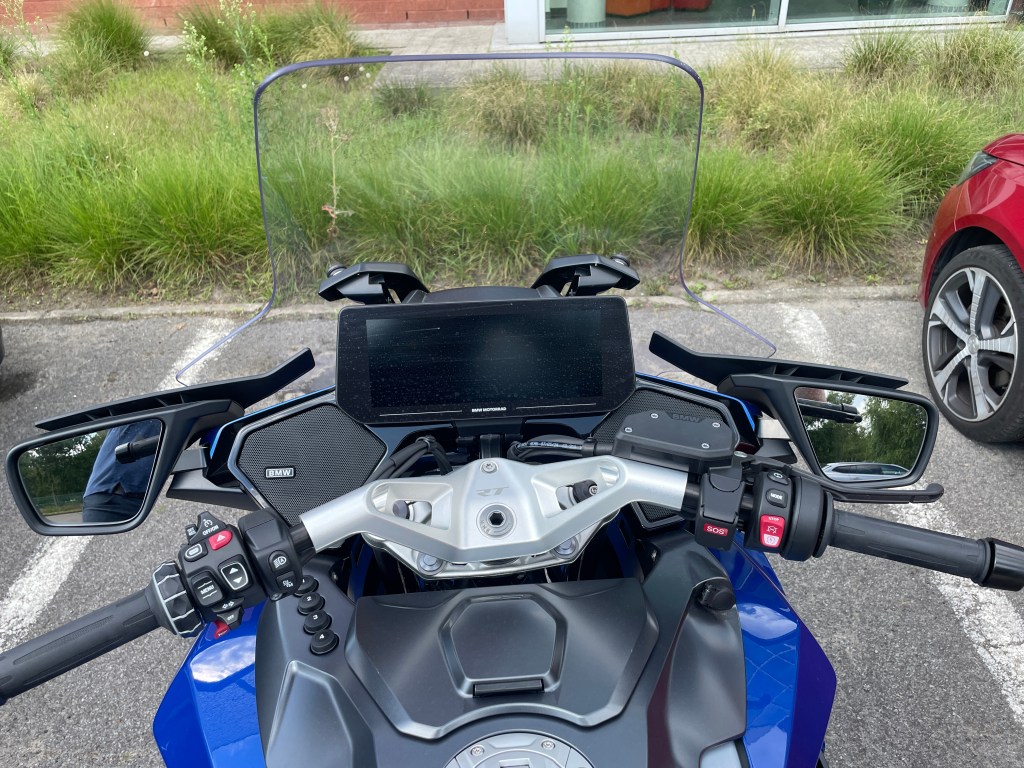
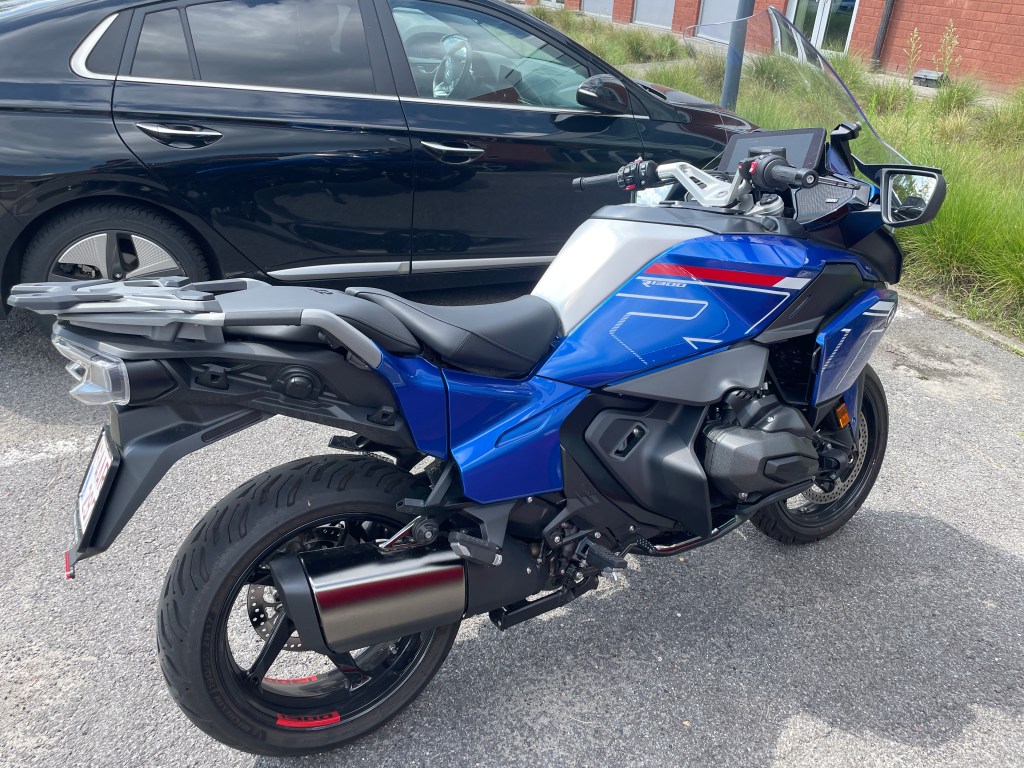
Back in Belgium, I had to drop the BMW at the dealer before the big 6 Days Rally in August. As a replacement for the day, I received a brand new R1300RT. I did not ride it a lot, but first impressions often count most. The design of the 1300 series is….debatable. In principle, a very capable bike, more agile than ever (145 hp @ 281 kg curb weight). But the typical big fairing is gone, it feels more like a GS than a long-distance touring bike. The new automatic transmission is all right in manual mode, but Honda’s DCT system is way ahead. When I sat back on my K1600, it was clear which one is still the better ride for the long haul.

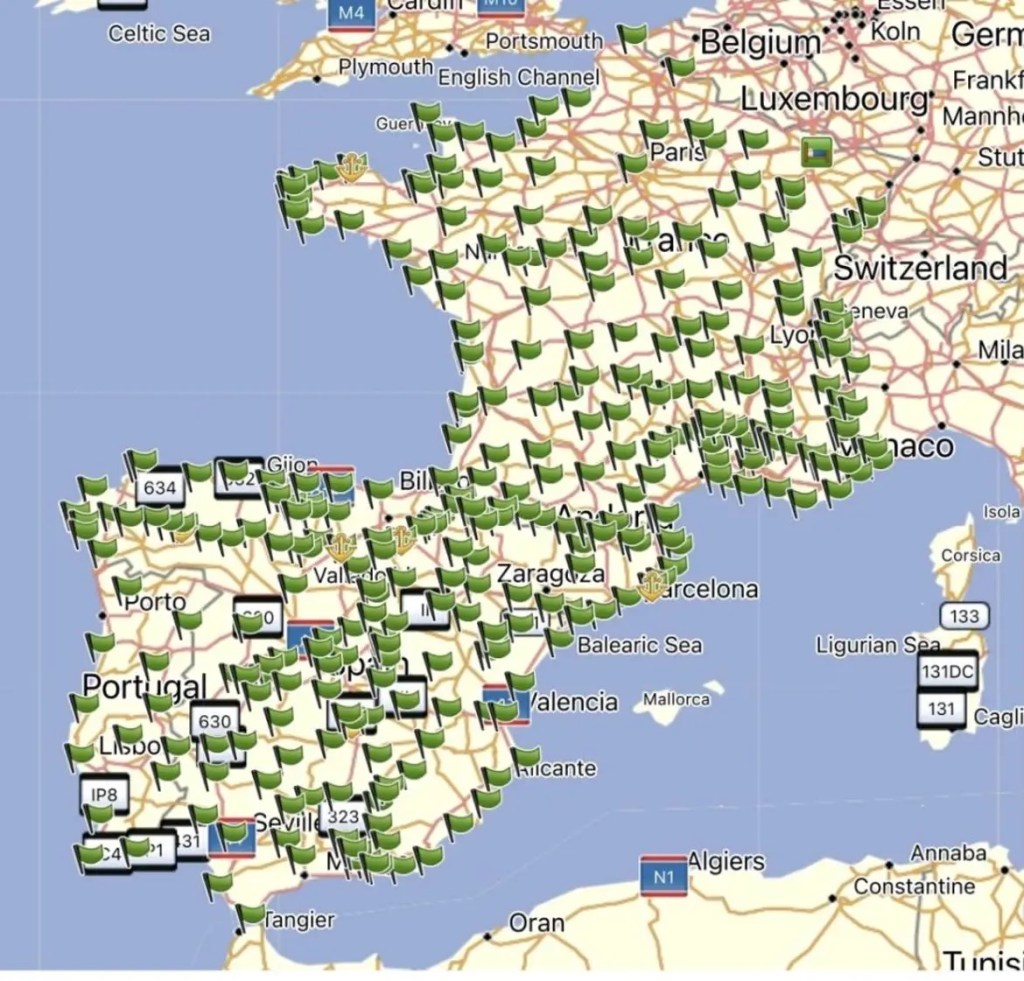
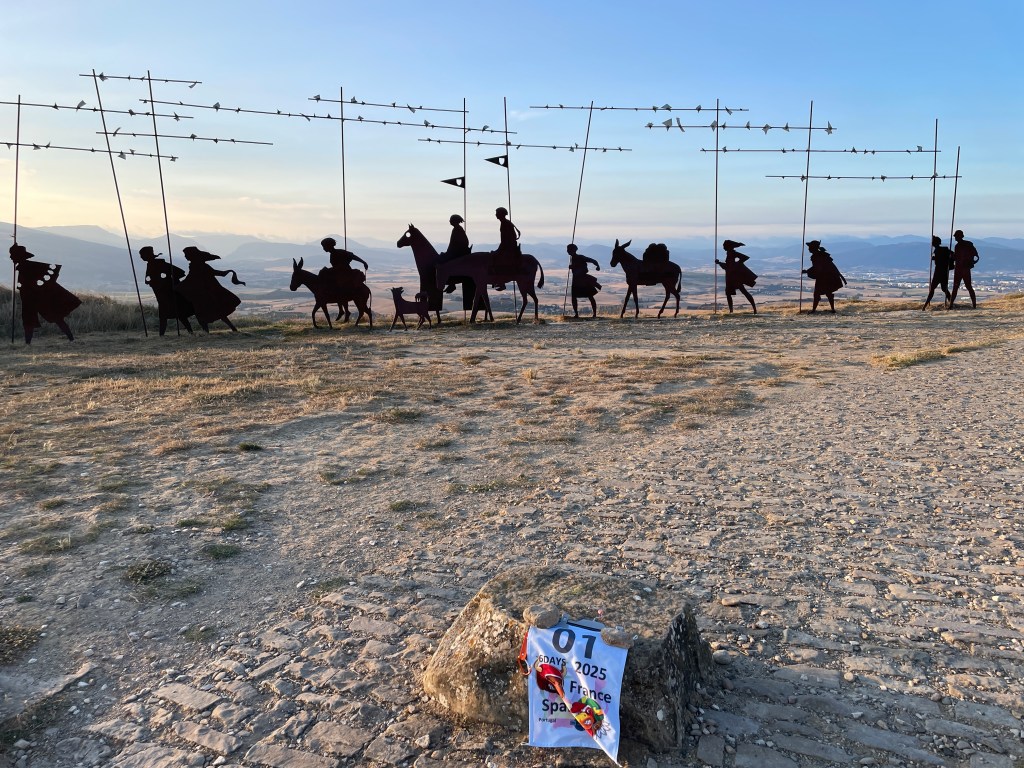
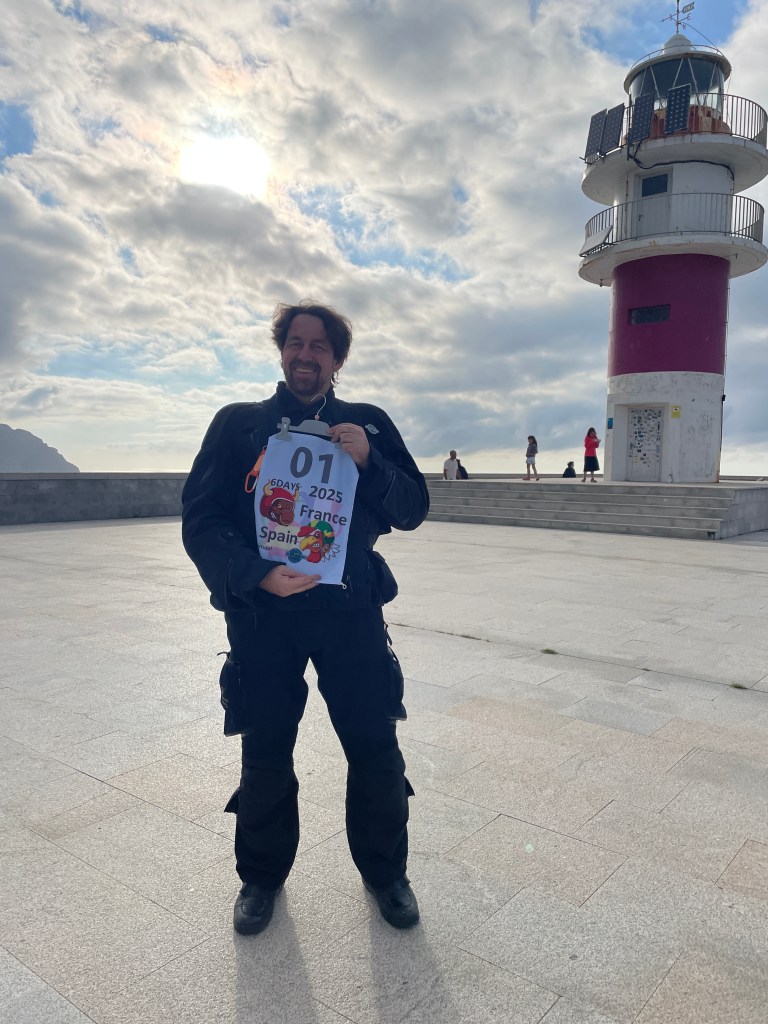
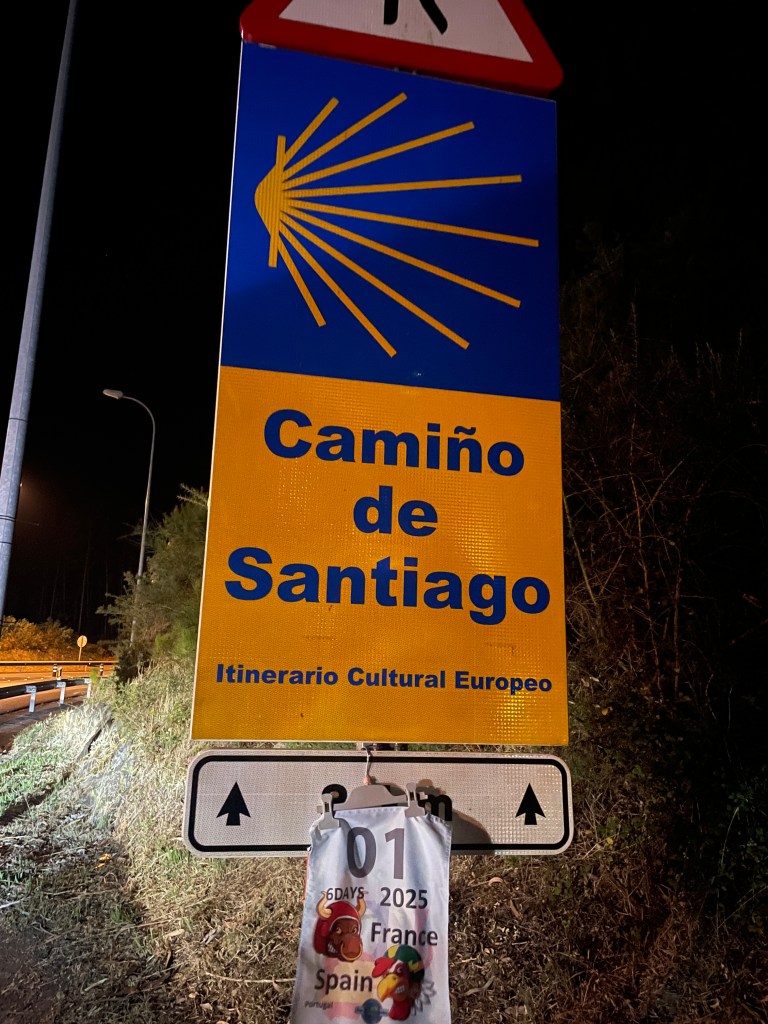
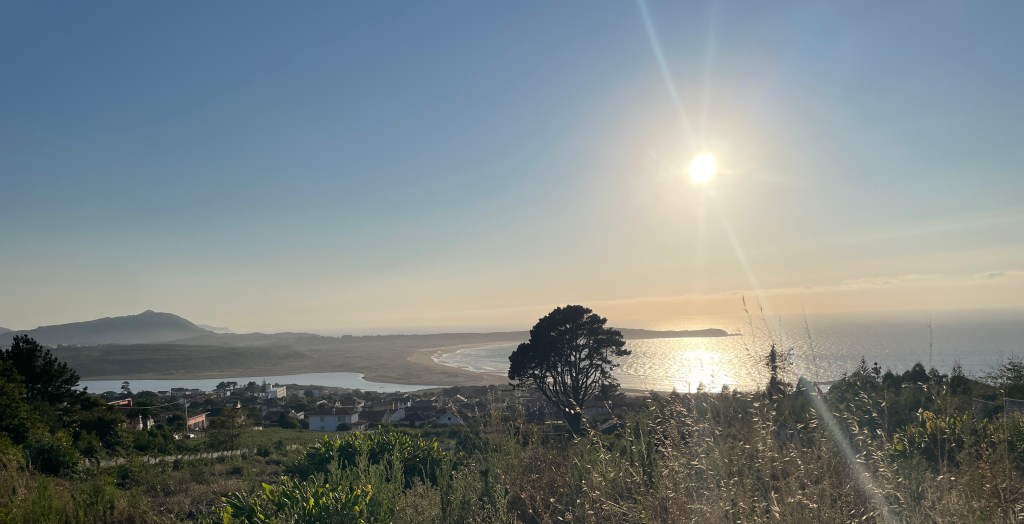
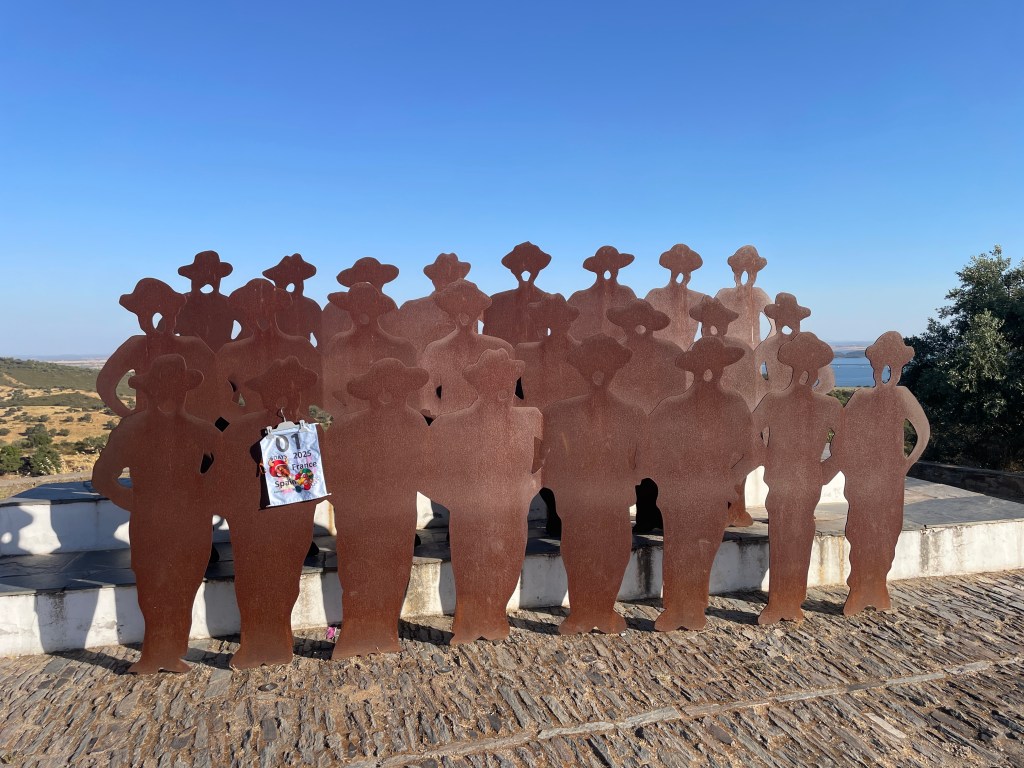
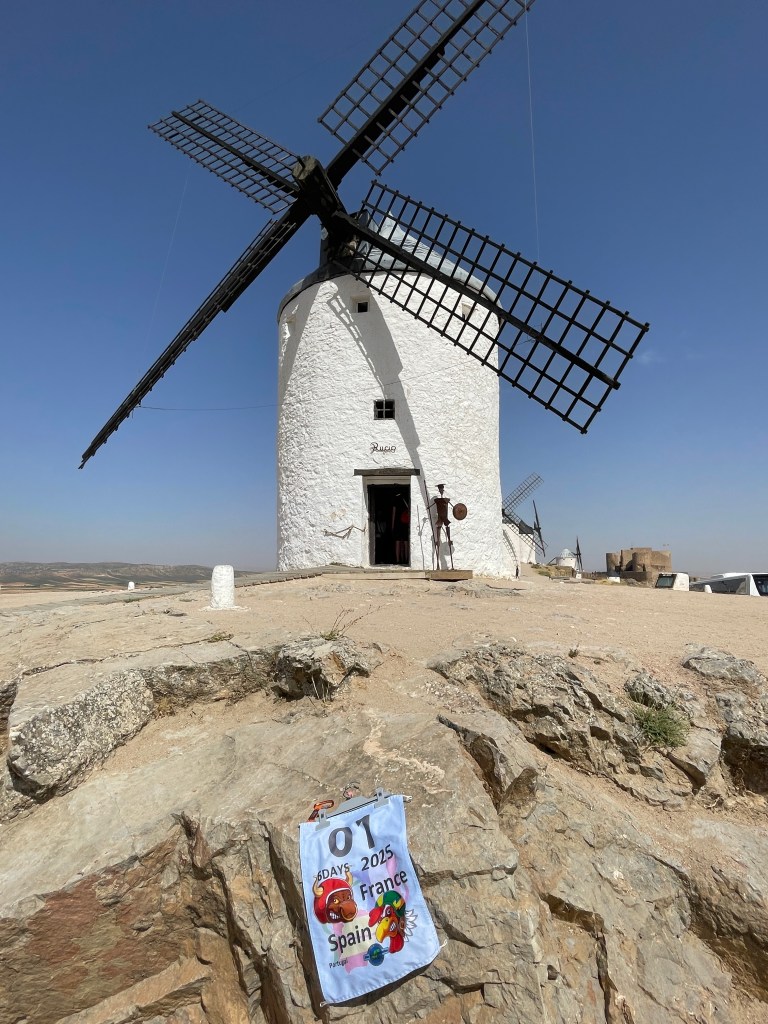
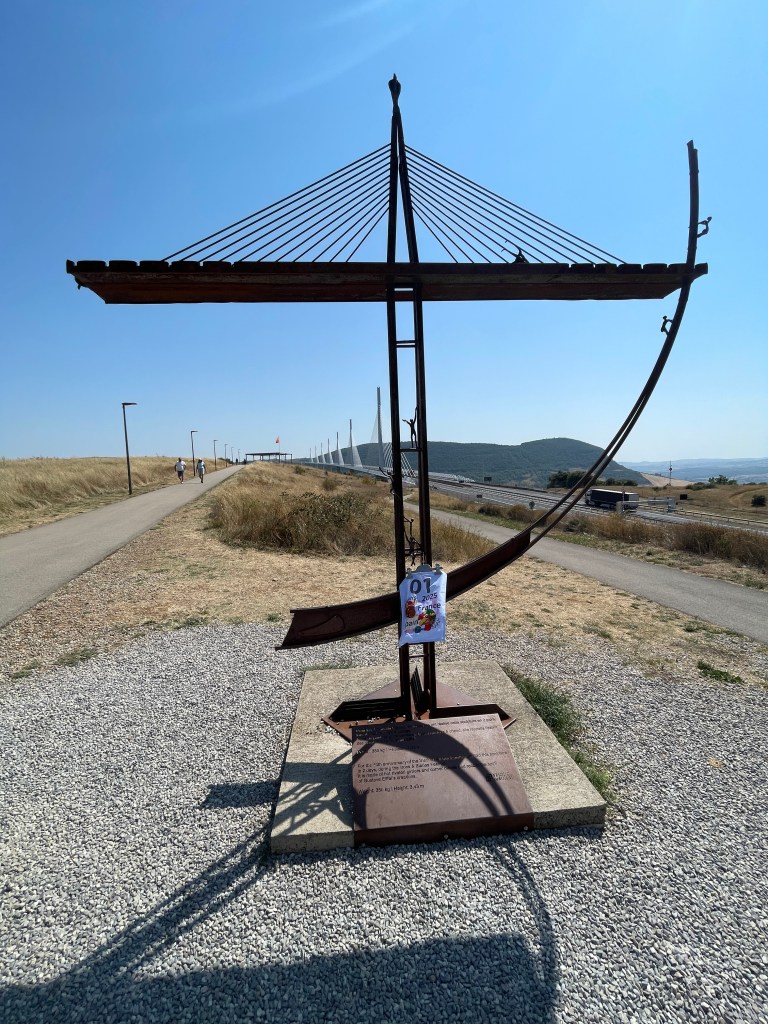
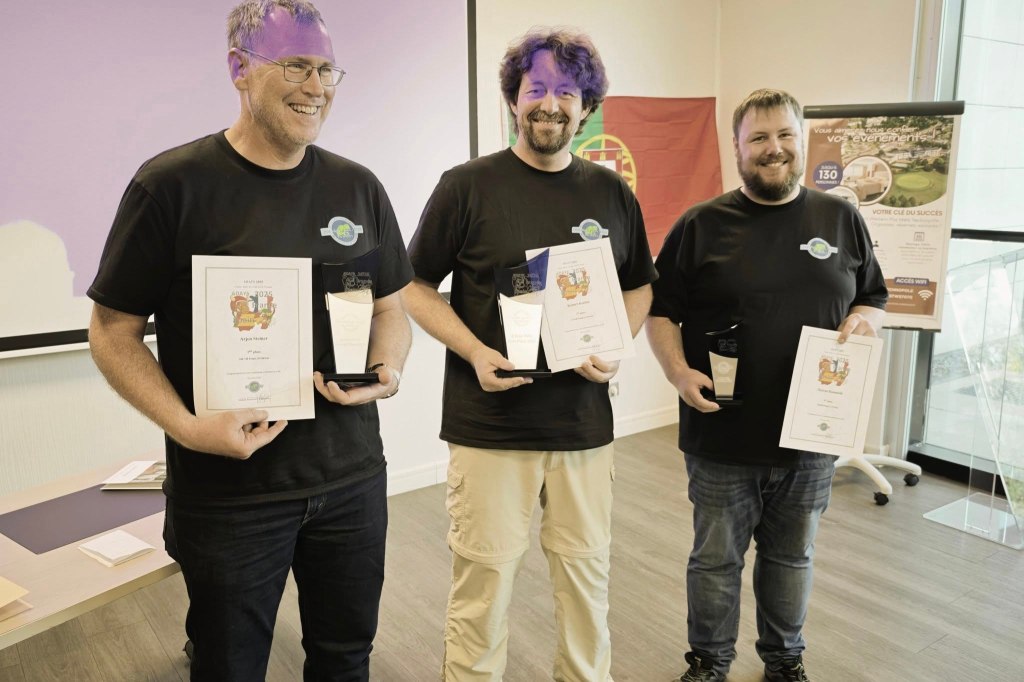
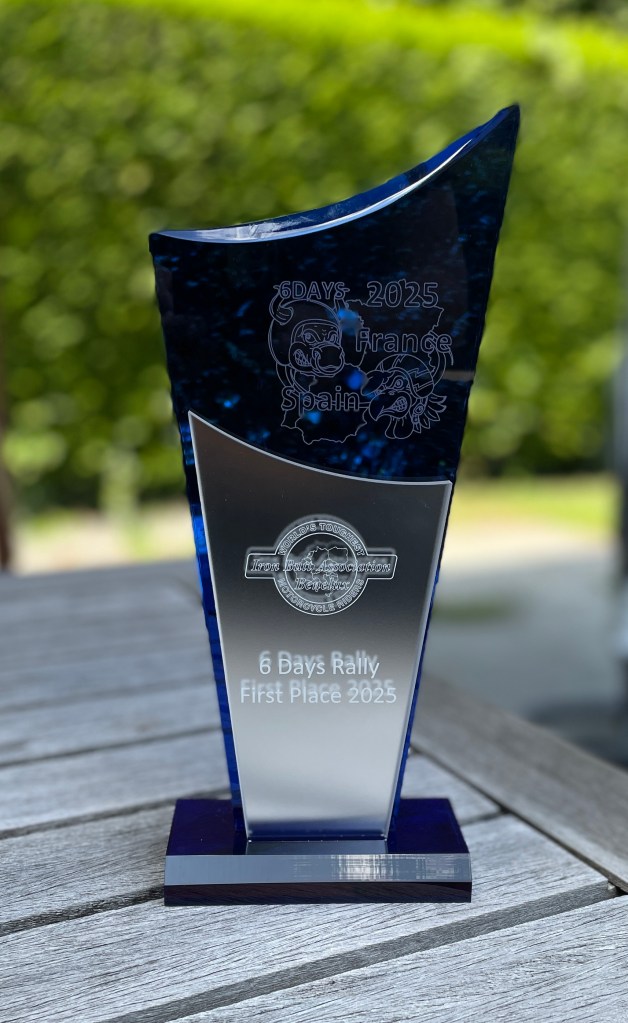
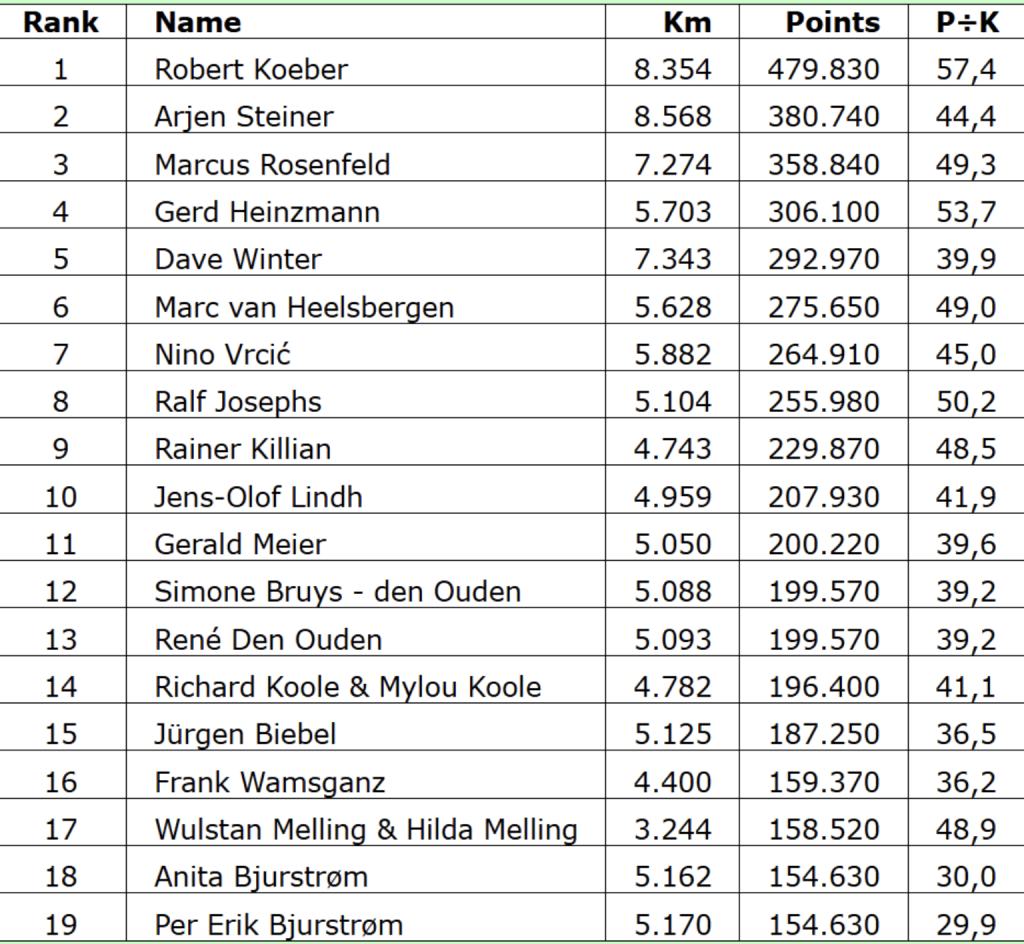
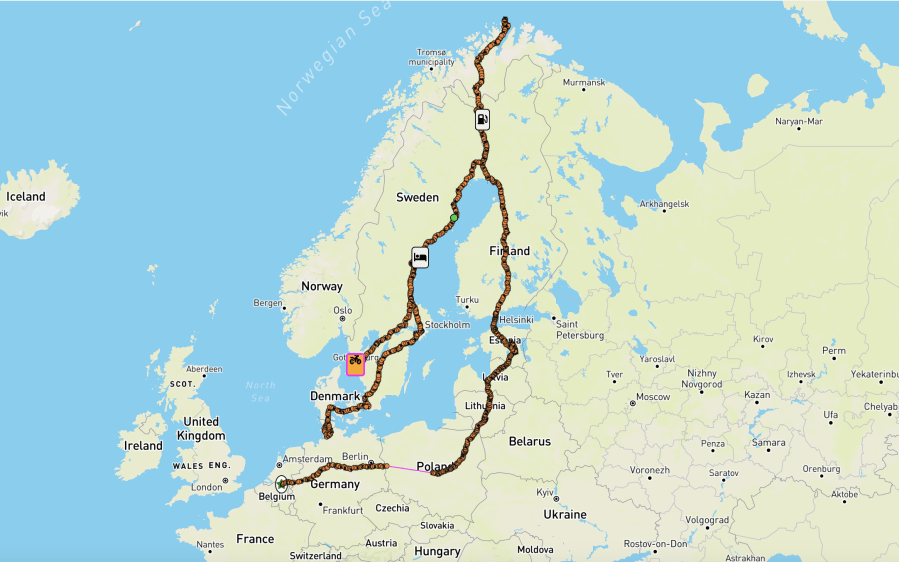
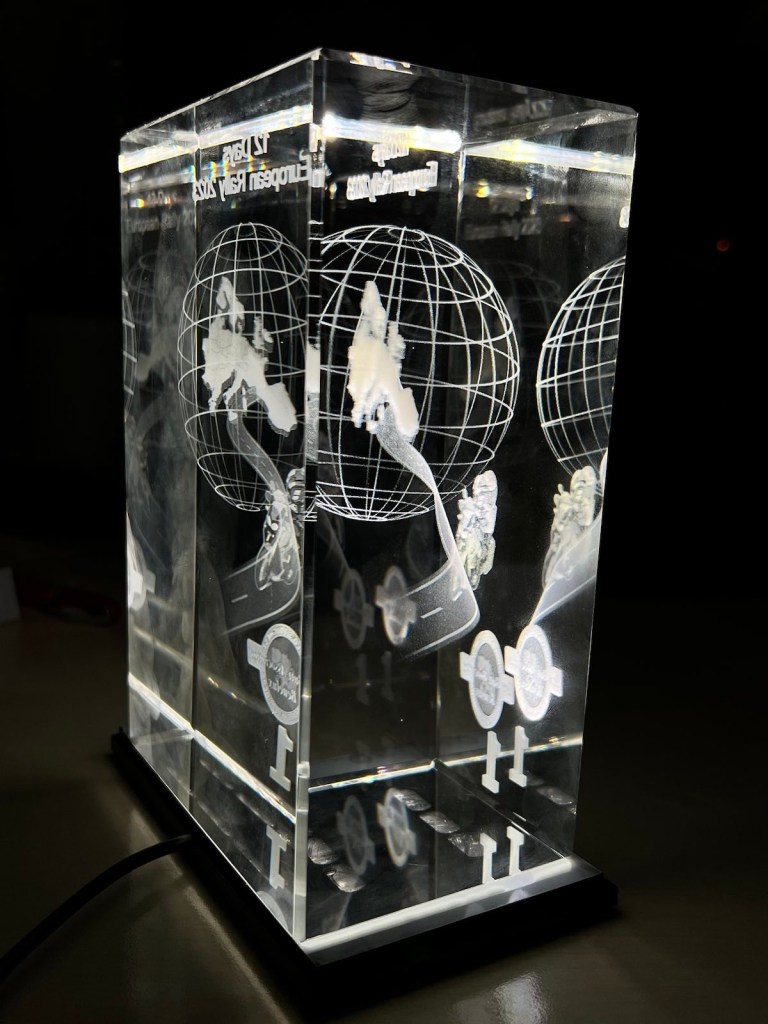
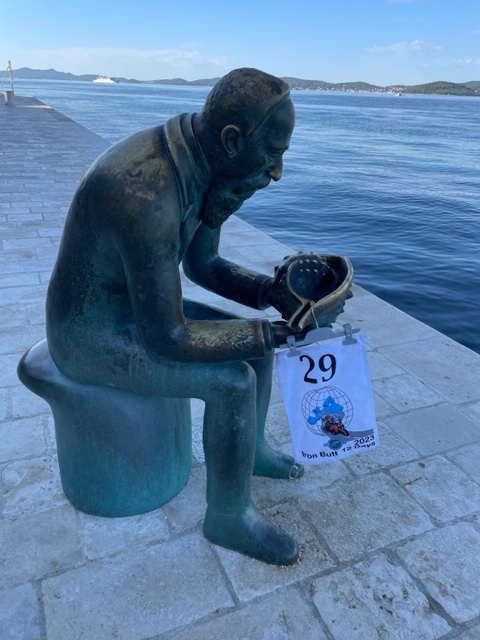
And then it was time for the highlight of the year: the 6 Days Rally leading through France, Spain and Portugal. Start and finish were in Metz, France. I wrote a long report here. In summary, it was a fantastic, beautiful rally where I showed my best rally performance ever, even better than the European Tour 2016. For six days, I kept my focus very high and defied all challenges the rally threw at me. At the end, I achieved a convincing first place. But as I said, more in the report. I put only a few teasing pictures here.




At the last weekend of the year, it was time for the second ride to eat. Again, I picked the old ST1100 over the BMW. First, because I wanted to have the BMW with fresh tyres and just serviced with the prospect to ride to Wales the weekend after. And second, some boring 2500 km on motorways can better be done on a cheap bike.
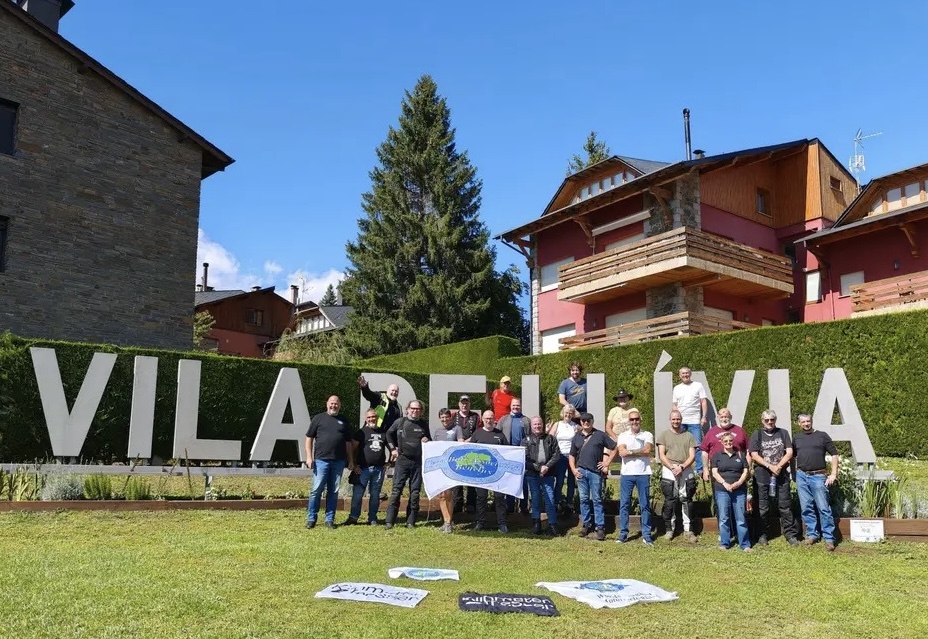
The topic of this year’s R2Es were “enclaves”. The August ride’s destination was Llívia, a Spanish enclave within France in the Pyrenees. As usual, we met for the picture at 4 p.m. and had dinner together.
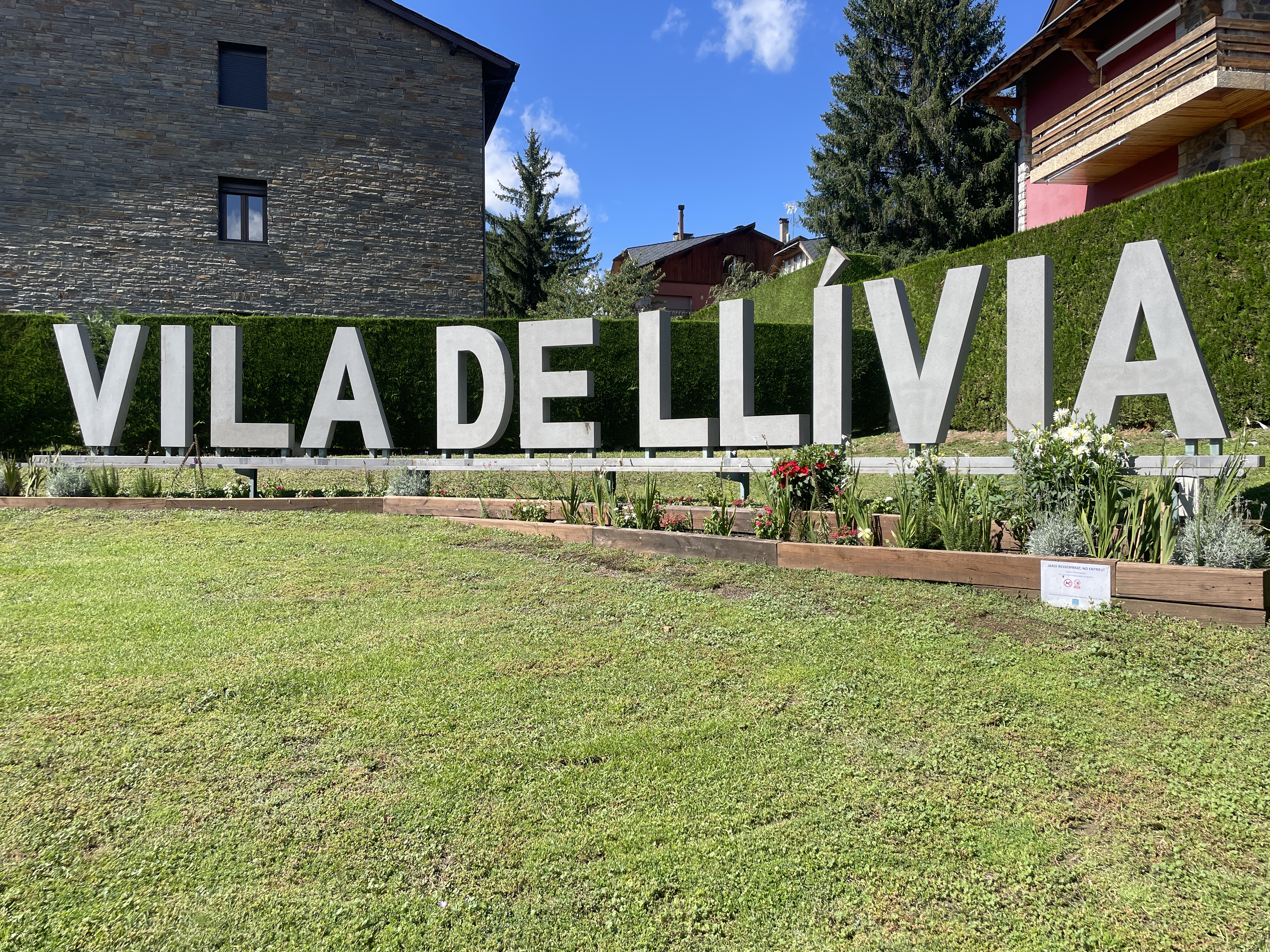
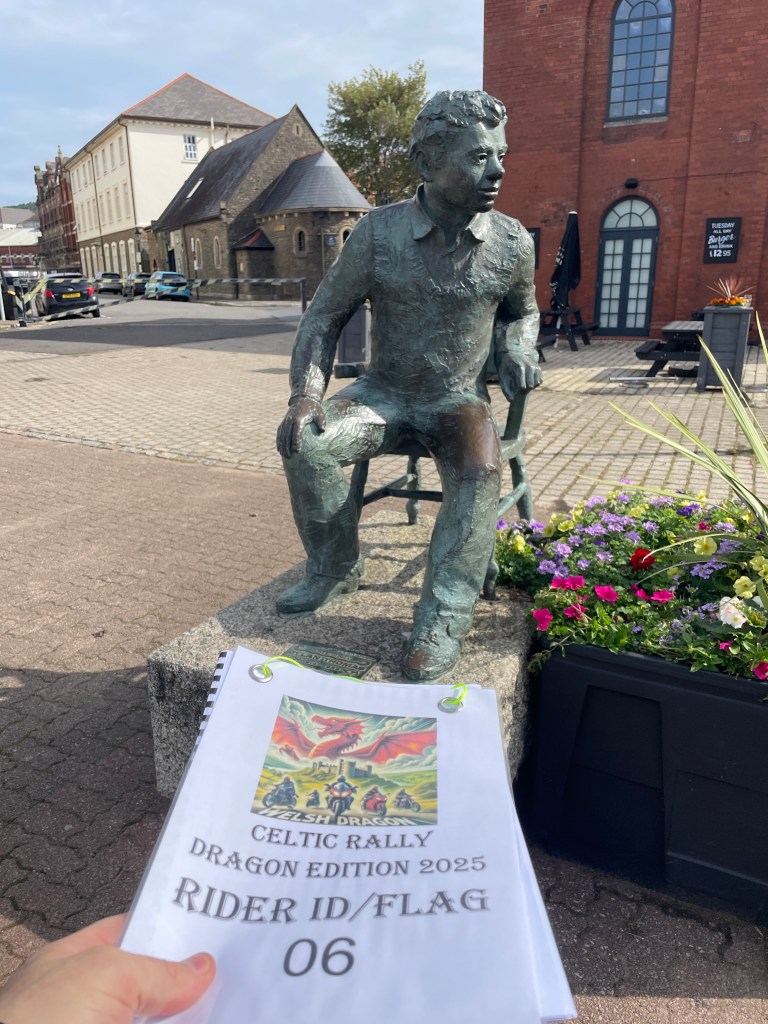
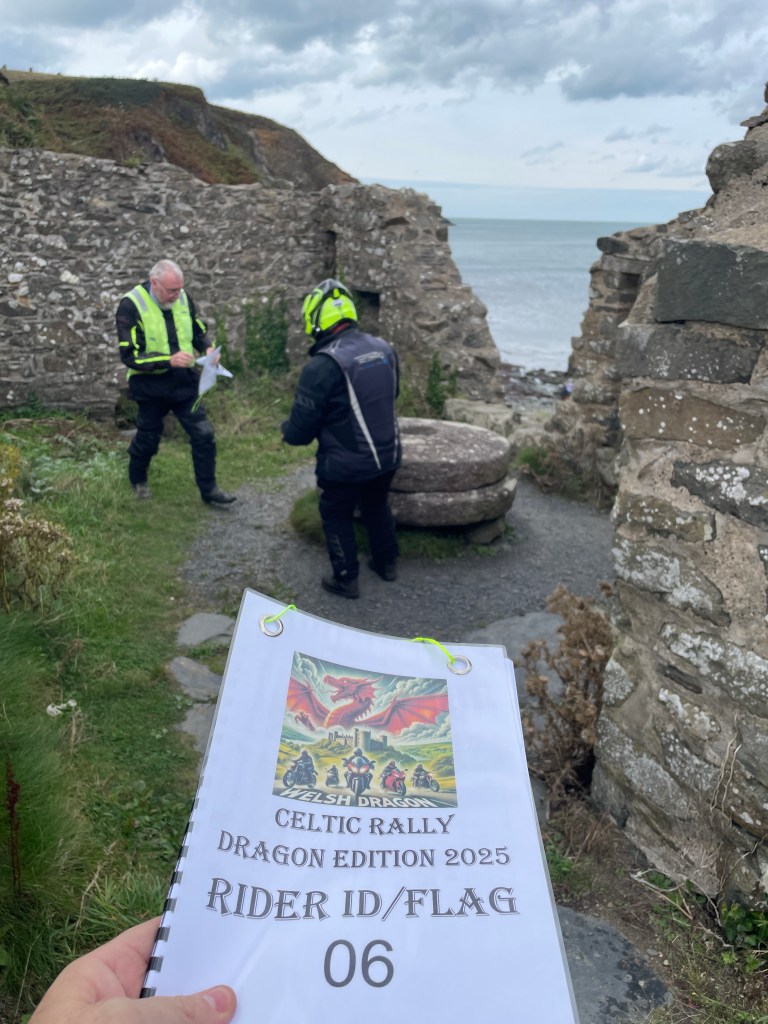
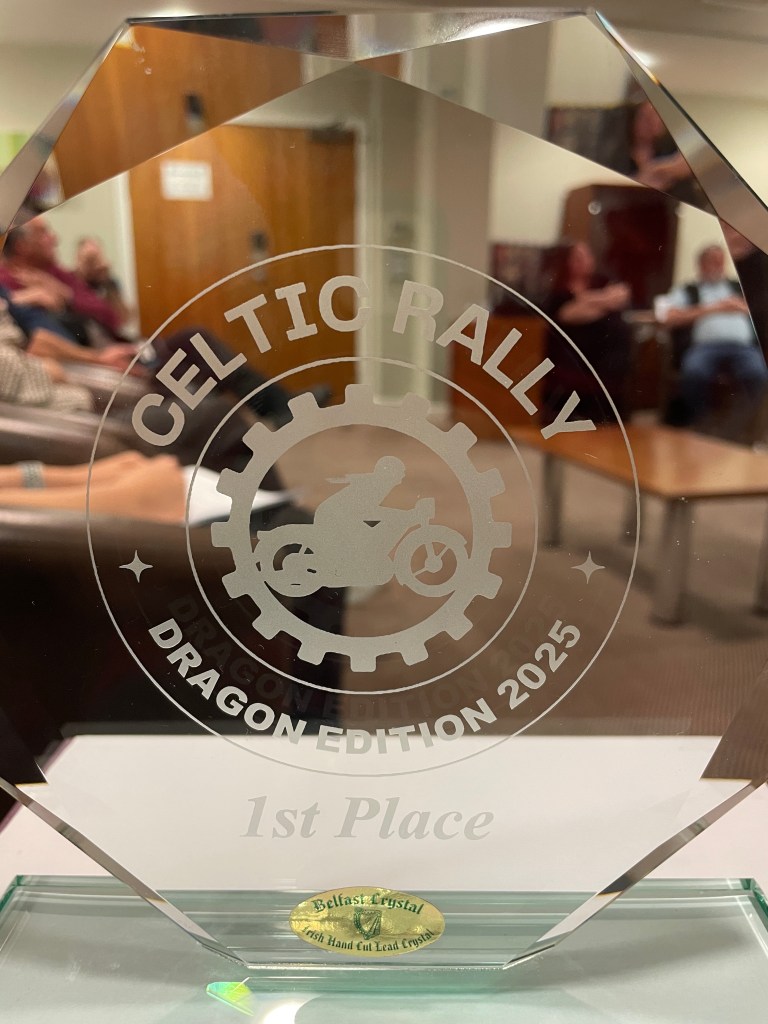
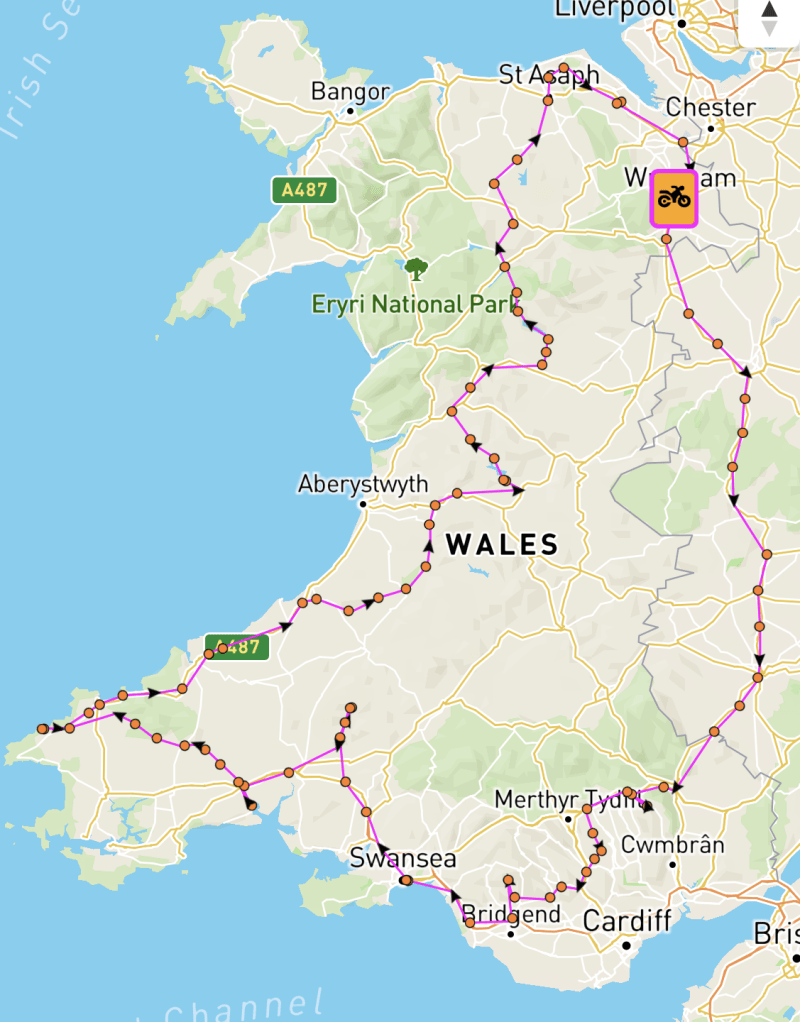
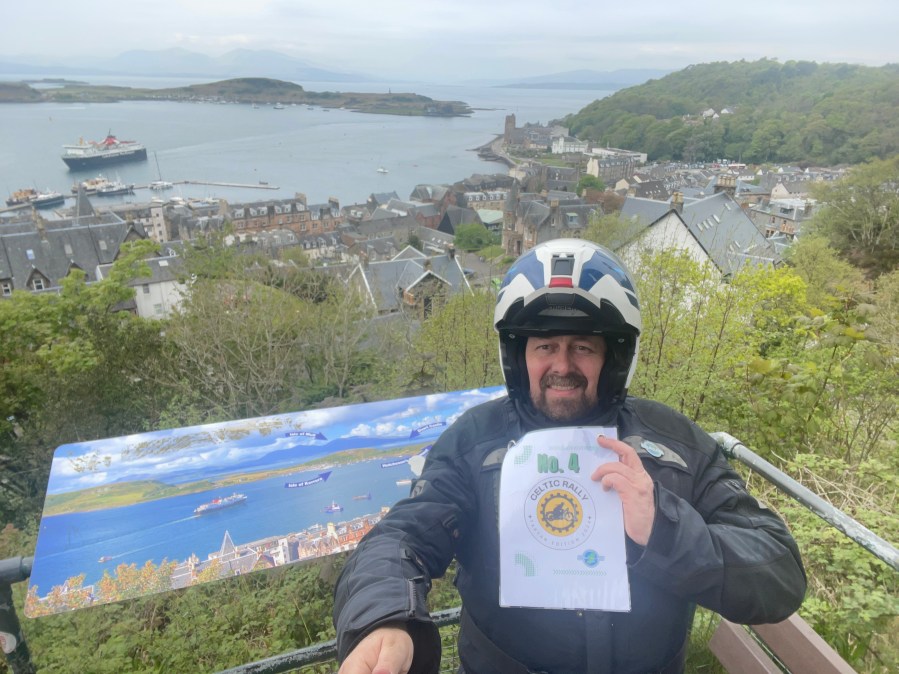
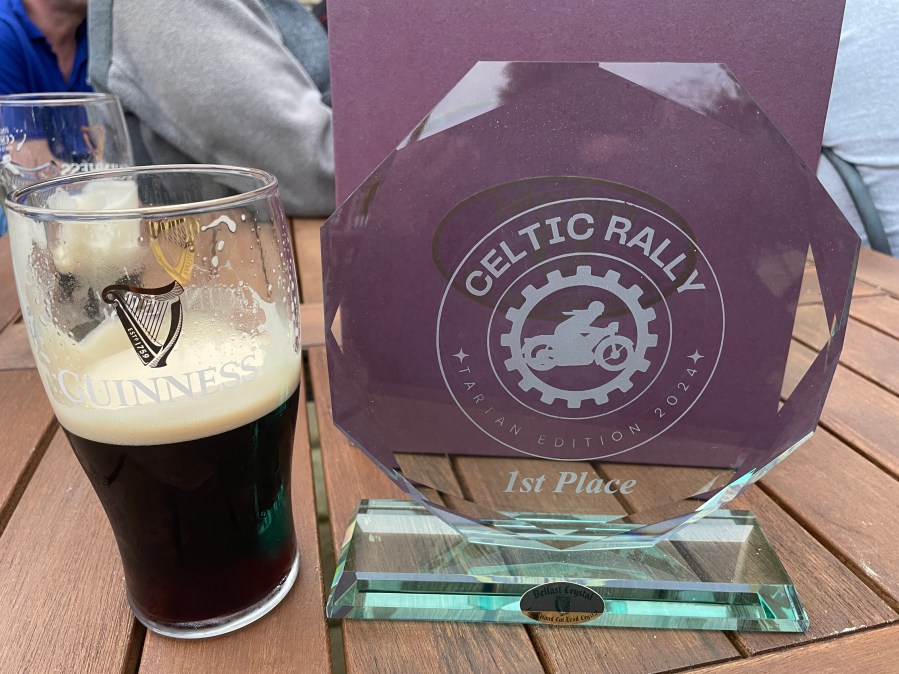
A week later, it was time for the second Celtic Rally organised by IBA Ireland. It’s a typical 12 hour rally with the rally information distributed some days before. Last year’s “Tartan edition” went quite well (1st place). This year’s “Dragon edition” took place in Wales, with start/finish in Wrexham. It was a difficult nut to crack and I had worked out two alternative routes, one to the south and one to the northwest of Wales, I would decide in the last minute. I arrived the night before and joined the crowd in the bar.
In the morning, we had the rider meeting before the start. It had been announced that there would be a last-minute rally master twist. It let the organisers tell it in their own words:
Riders had 12 Hours to visit their choice of locations for points collection. Bonus book had the usual Hazards -(locations worth MINUS points) – but this year we had a special treat for the riders.
The bonus book had been emailed 48 hrs before the start. The riders were unaware it was missing one page. At the start meeting 30 mins prior to launch time, they were presented with an offer at a cost of 1000 points. Buy the missing page containing 4 combination bonuses and an extra 30 mins riding with no time penalty). A show of hands was requested.
Some hands shot up…others slowly raised hands, a few looked to see who was raising their hand and then appeared to curse under their breath and then raise their own hand ! 10 riders took the offer.
Well, that was a twist! If you want to perform well, you have to take risks. I had raised my hand. And now I had to fit one combo into my route, this was possible. I chose south. The plan was to cut through England to the south of Wales as soon as possible. At the first BP location, I had some doubts and checked my choice again – only to realise that I had selected the wrong option. I knew that Arjen, my strongest competitor, had chosen the northwestern route. Now I realised that he could fit in TWO combos. I had to change my plan to include another combo as well.
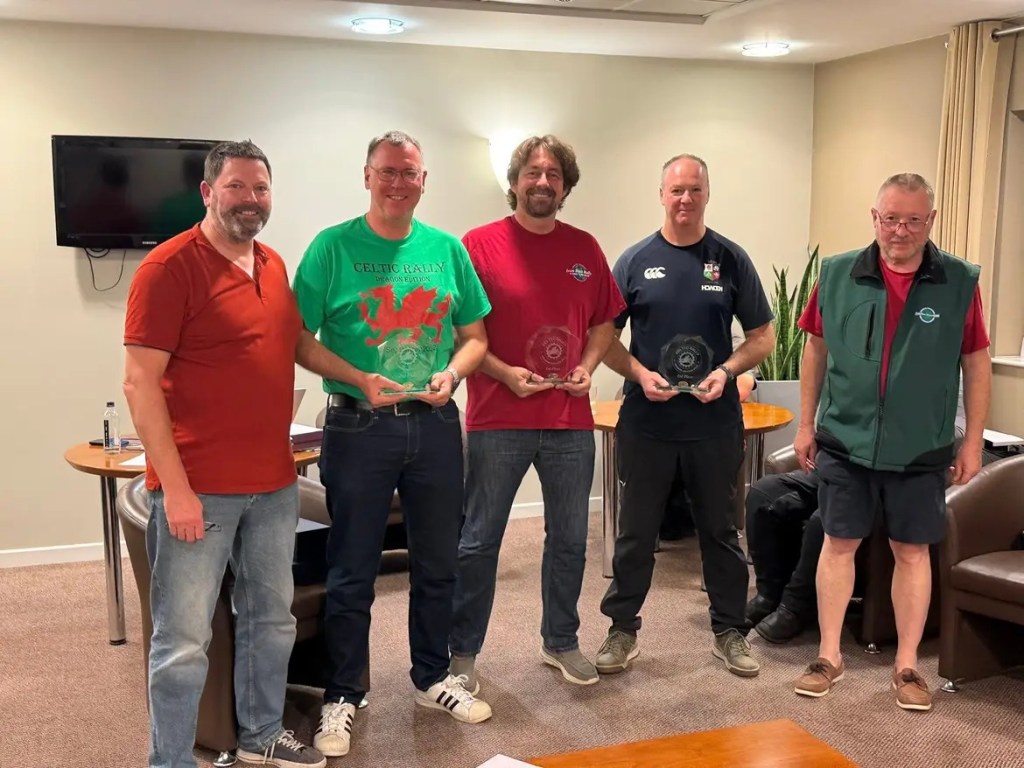
During the rest of the day, I kept replanning and optimising my route on the fly and rode without any unnecessary stops, only one petrol stop and loosing no time. In the end my plan worked and I arrived exhausted at the finish. It had paid off – thanks to the good “training” in August, I had pulled this one off. As expected, the ride was scenic on lots of backroads. Fourth rally this year, fourth time that Arjen came second this year as I had yet snatched the big price. I start to feel sorry for him, but his strong performances are motivating me quite a lot 😊.
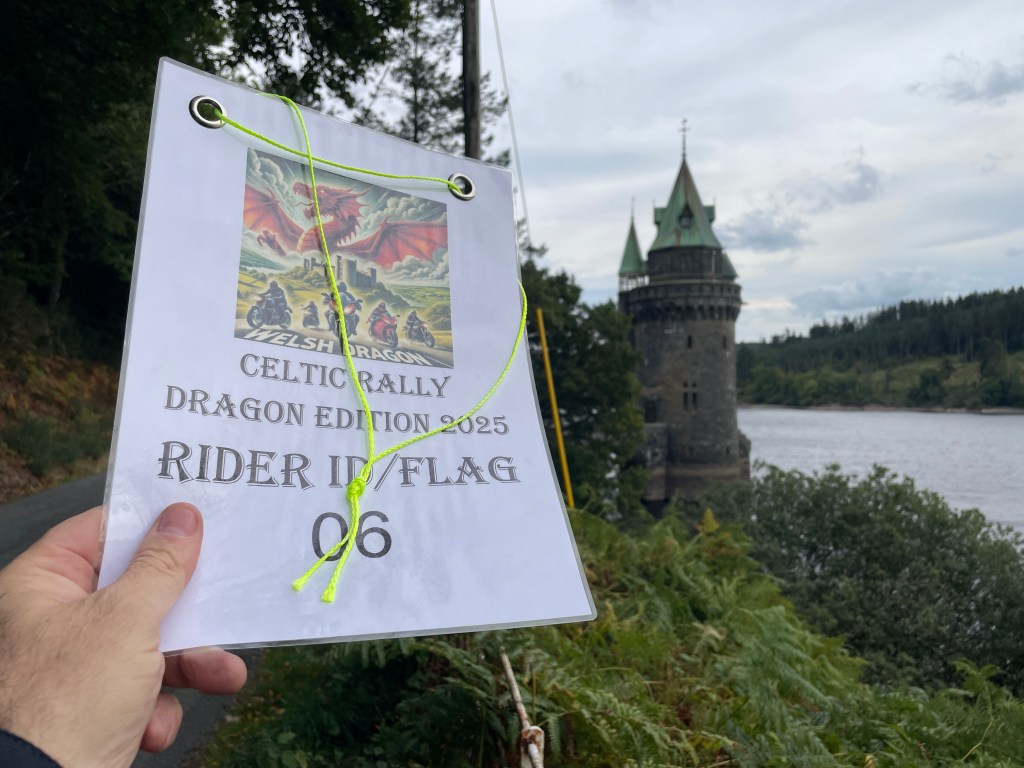
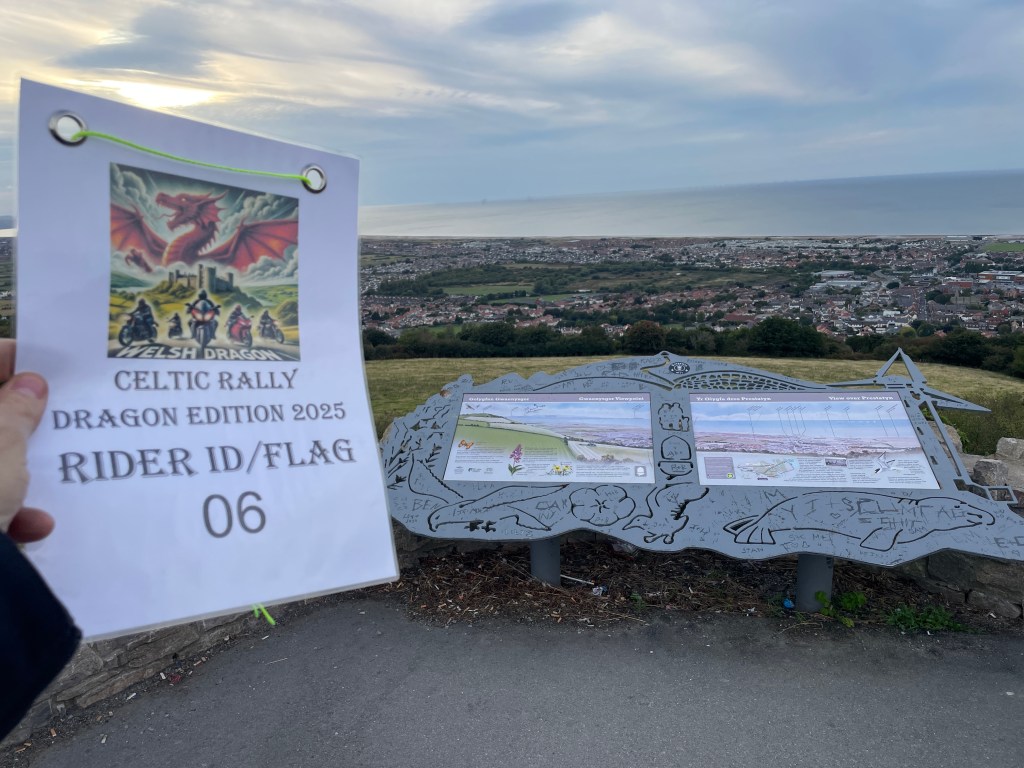
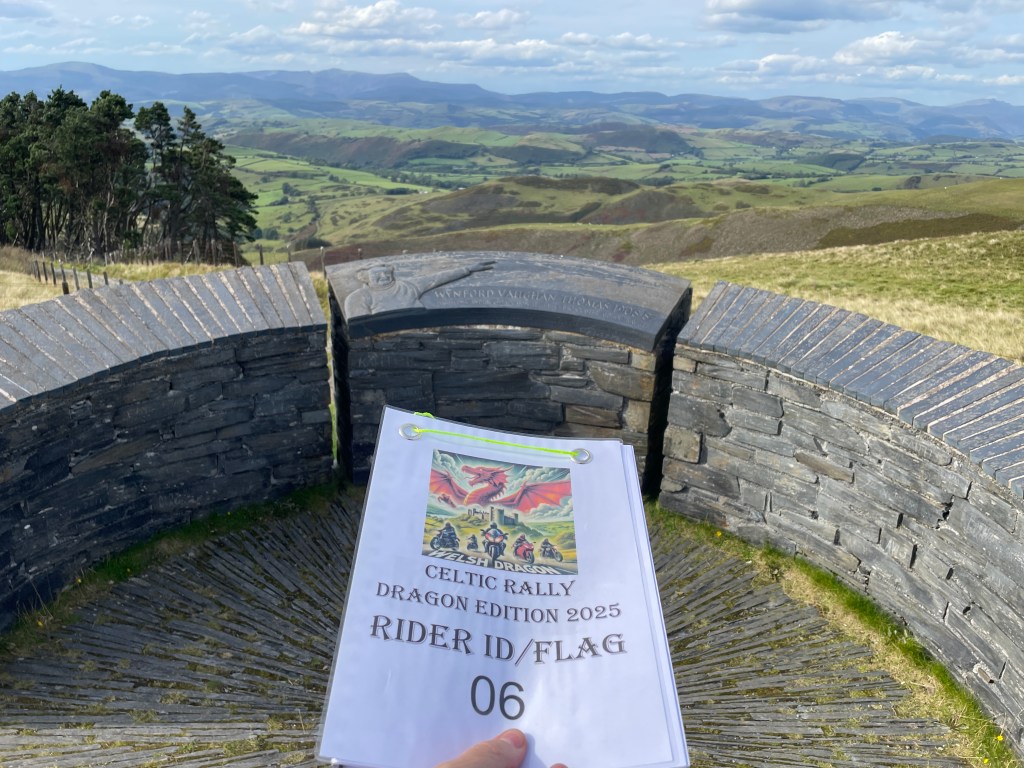
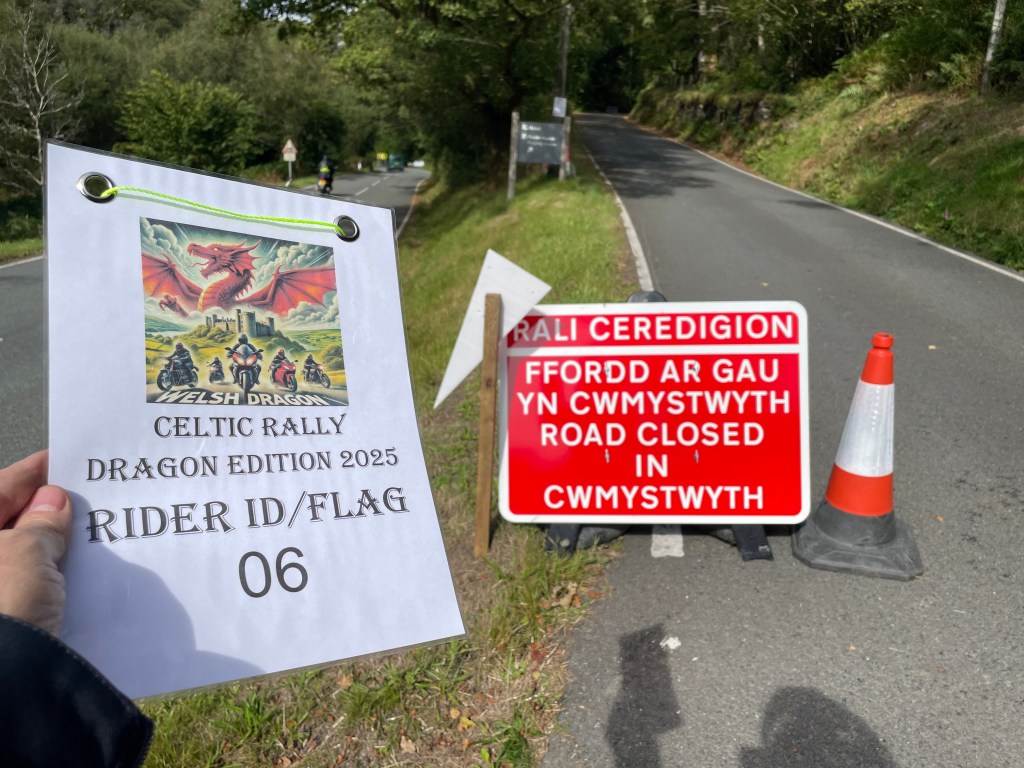
Four IBA rallies and four first places, couldn’t get better than this? I still had some open business: my first classic car (“oldtimer”) rally! I had planned to do it in the same Audi Cabriolet I used at the Nürburgring. I knew that the car would not pass the general inspection (“MOT”/”Hauptuntersuchung”) in September. The car went fine, but things summed up after 24 years and 355.000 km on the clock.
The motor still went fine, but I had two main issues difficult to fix: a very rusty motor bracket and a very rusty luggage boot. The whole car is fully galvanised, except the subframe (bracket) under the motor. And a previous owner obviously had an accident and welded the boot without the protective zinc layer.
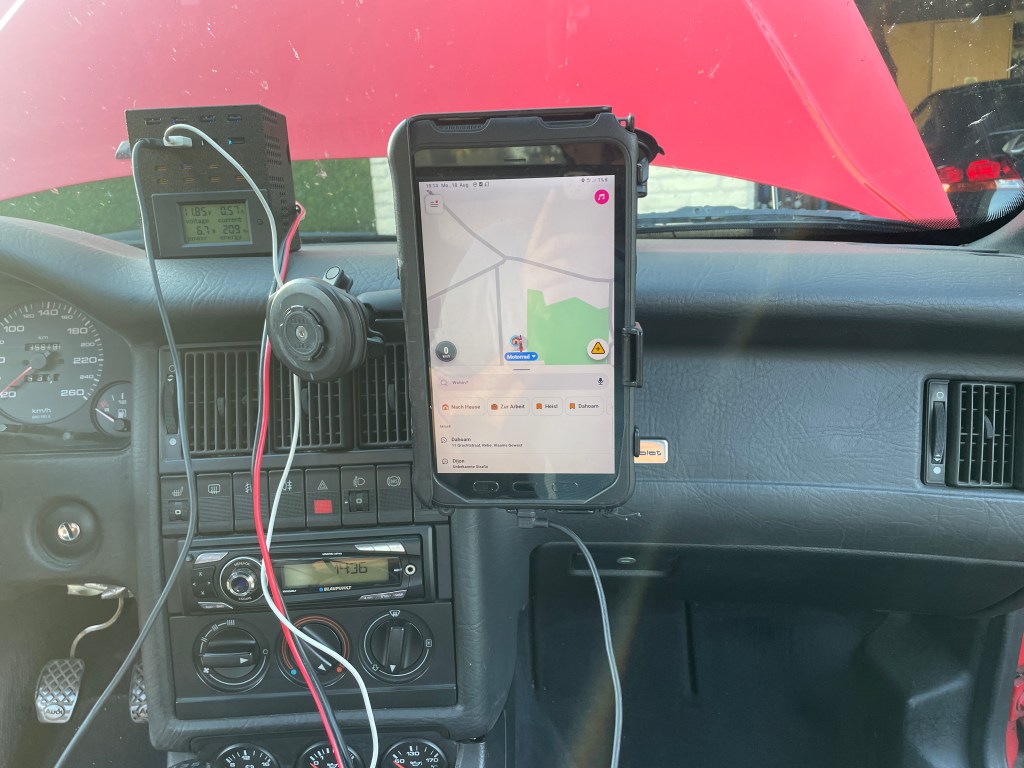
With a car like this, anything can be exchanged, but there comes a point where the question arises: “is it still worth it?”. Well, the answer was “no”, but first I still had to invest some money to fix the most pressing things like wheel bearing, brakes and ventilator. Now the car should be ready for the rally. Together with the help of Jeroen, we set up a energy supply device to feed all the electronic devices we planned to use in the navigational rally: a tablet, a GPS, two mobile phones, a laptop…finally the system worked.
But then I detected two more problems with only four weeks to go: the car wouldn’t start anymore and there was a puddle of liquid under the car. My investigations revealed that i) the ignition lock was broken and ii) the radiator was leaking. That was it. I had invested enough in the car in the last year. And now a quick fix? The universe sent me a message and the message was “don’t do the rally in this car”. Understood. My patience was up.
I needed the space in the garage. Better to get rid of it before the inspection was due. I put in for sale and accepted a ridiculously low offer for it. A few days later, a Lithuanian guy showed up with a trailer, paid a fistful of Euros and carried it away. A time of 20 years, 200.000 km and numerous adventures together came to an end. I felt somewhat guilty when I saw it passing out of sight, but I had known that its days were counted, it was just a bit before the projected time.
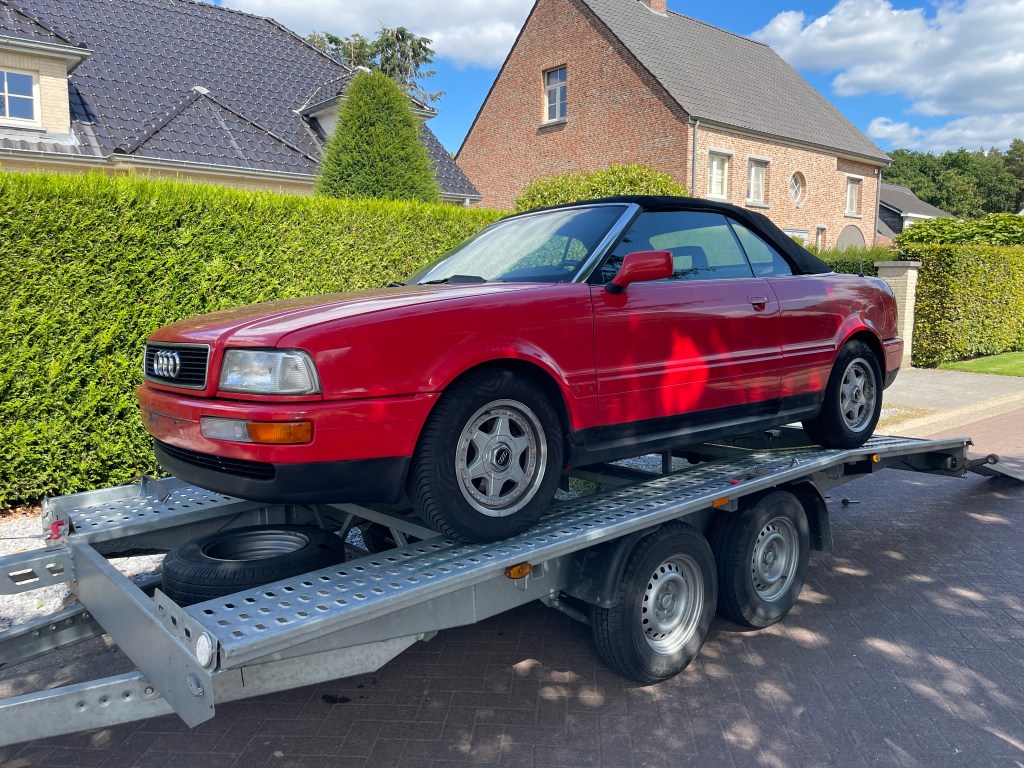
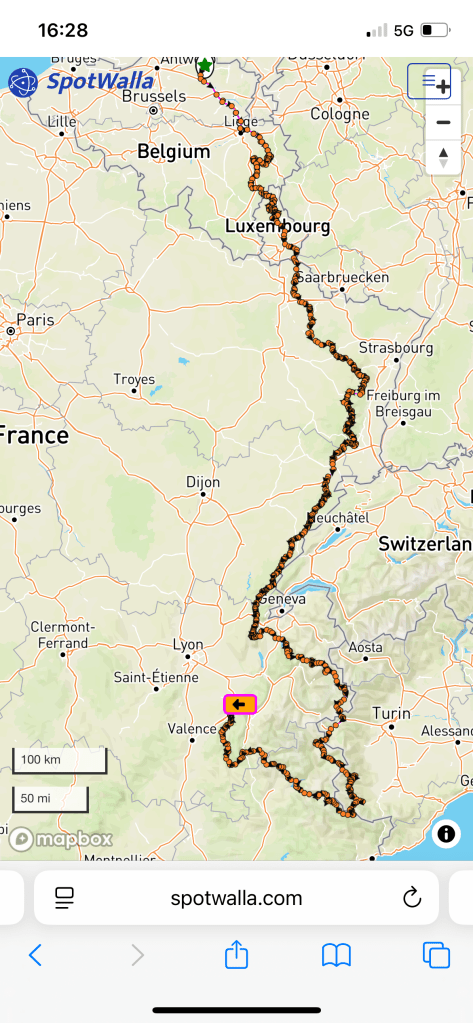
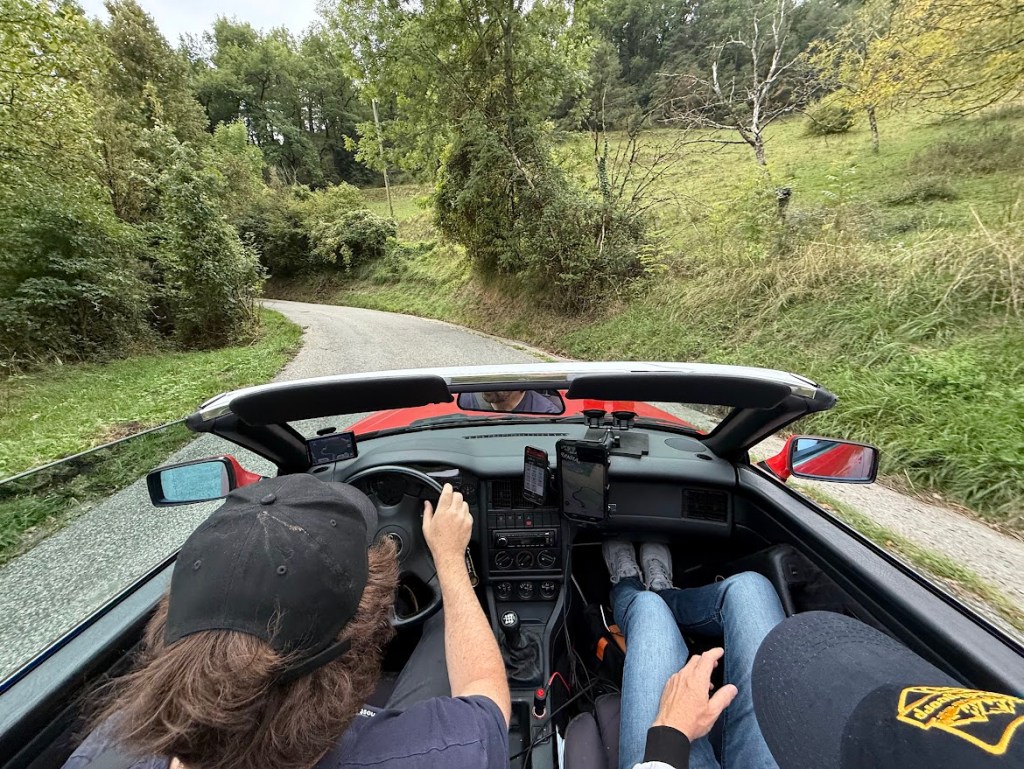
There was only one solution now: I HAD to take the nice and shiny Cabriolet for the SUMMIT 100 Rally. Five days of navigation, starting at the circuit of Spa and ending in the French Alps. At least the electrical supply and the mounts fitted in this car as well. However, it seemed that the old Cabriolet sent a message when I picked up the newer one: when the motor was running, petrol was dripping on the ground. There was still time to change the fuel pressure accumulator, but it was a close shave.
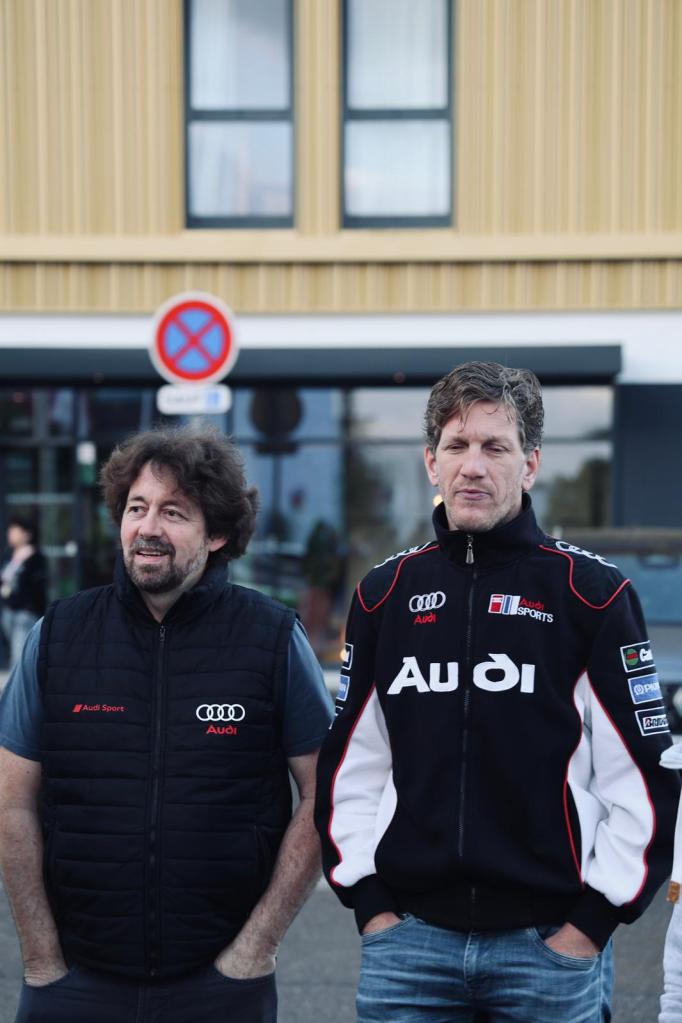
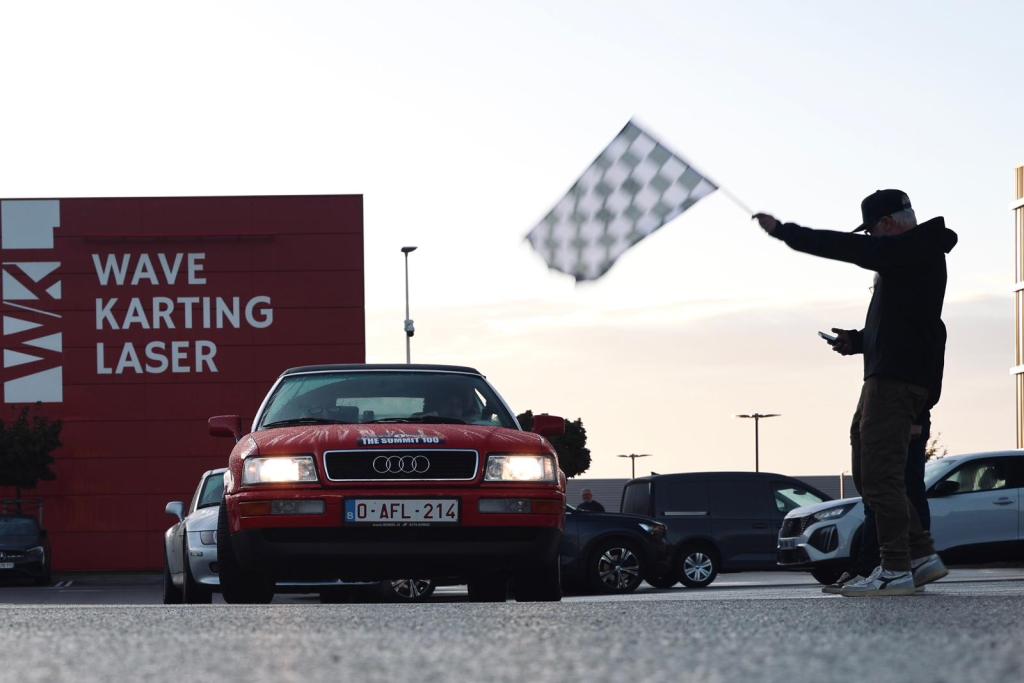
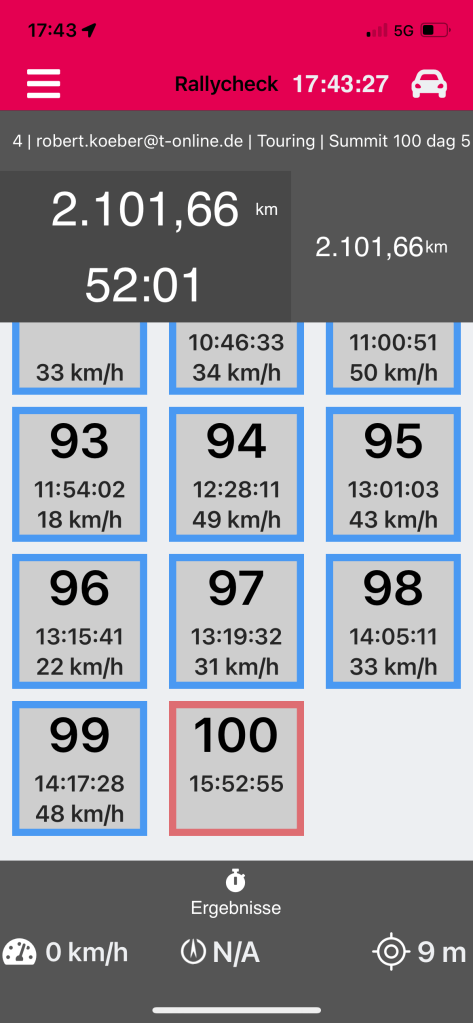
Finally we met with the other drivers at the Spa Circuit for lunch where we received the instructions for the first day. We had to use an app on the mobile phone that detected automatically when we would pass one of the 100 waypoints, but it would also penalise prohibited sections. The car park was full of great cars: Ferrari, Ford Mustang, Porsche, Austin Healey…We set off and drove on many backroads through the Ardennes and Luxemburg before arriving at the hotel in the east of Luxemburg. Jeroen saved me from any penalty points and so we finished the day with all waypoints visited and in the lead of the ranking; everybody else had collected penalty points for riding prohibited roads.
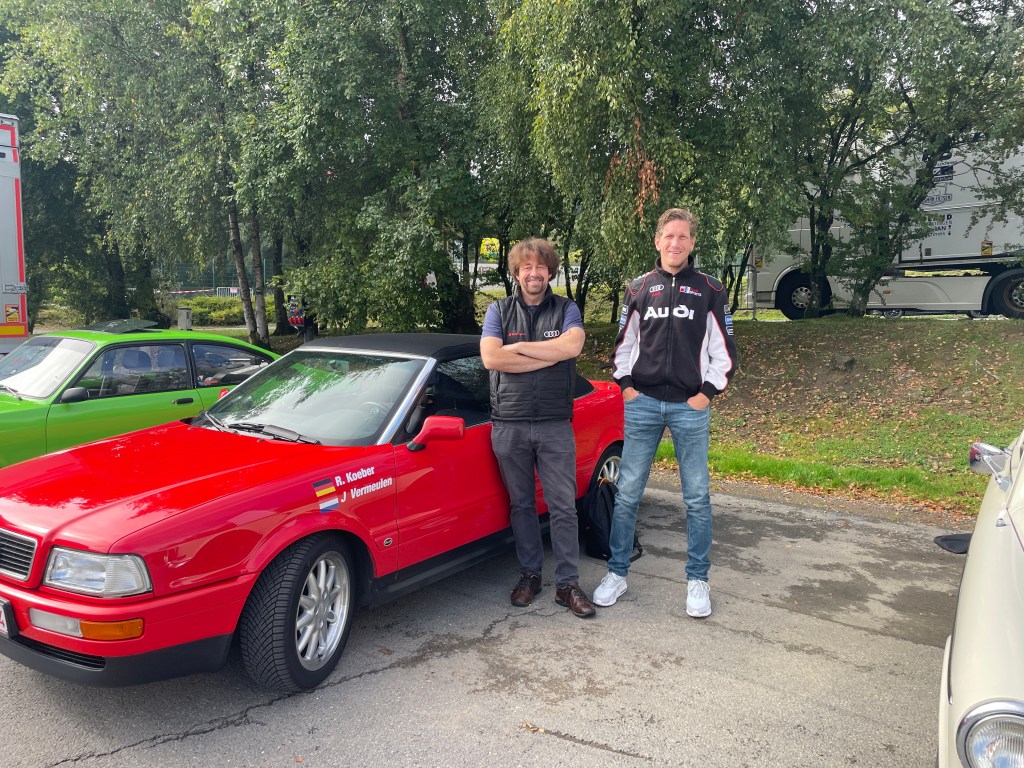
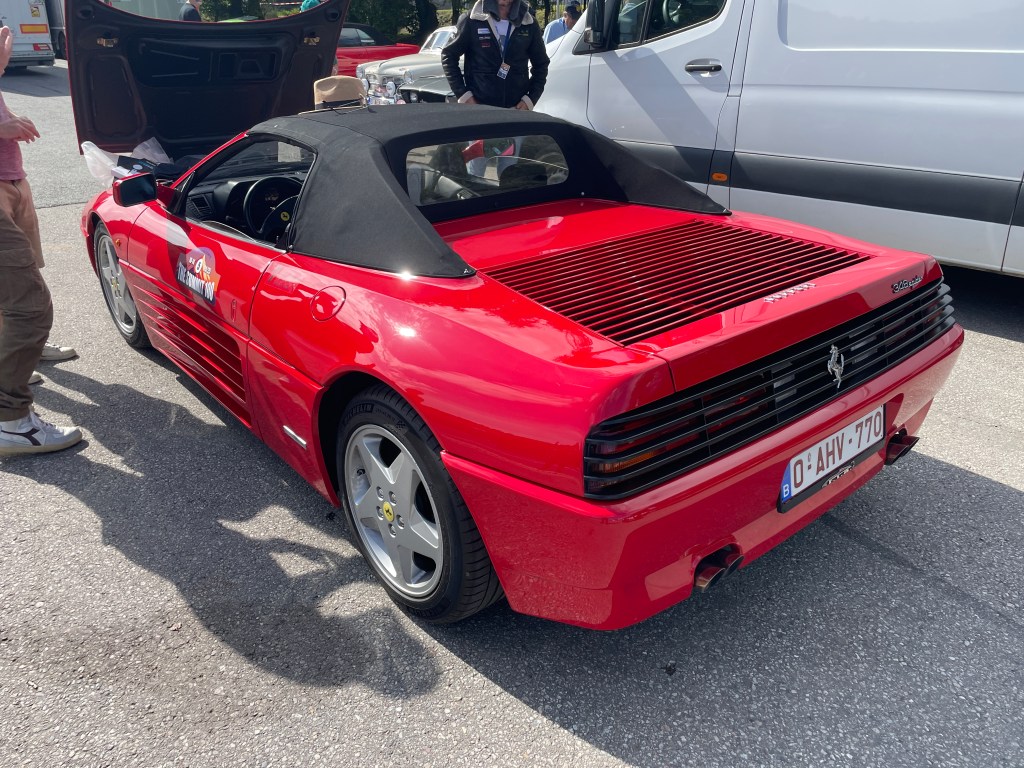

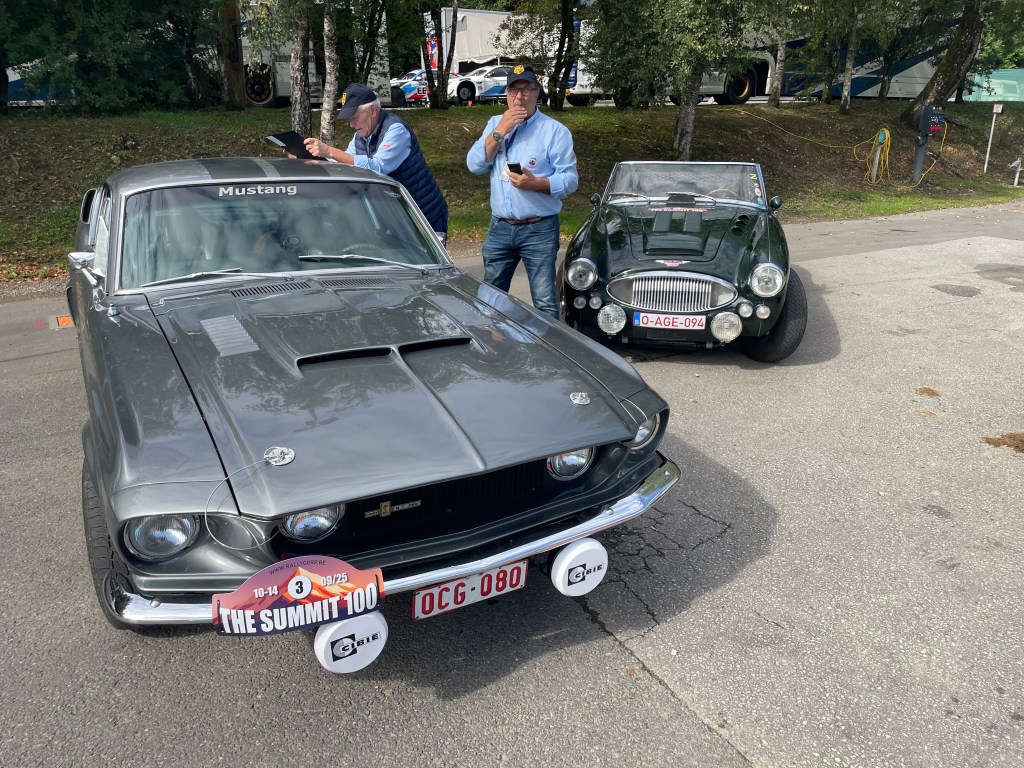
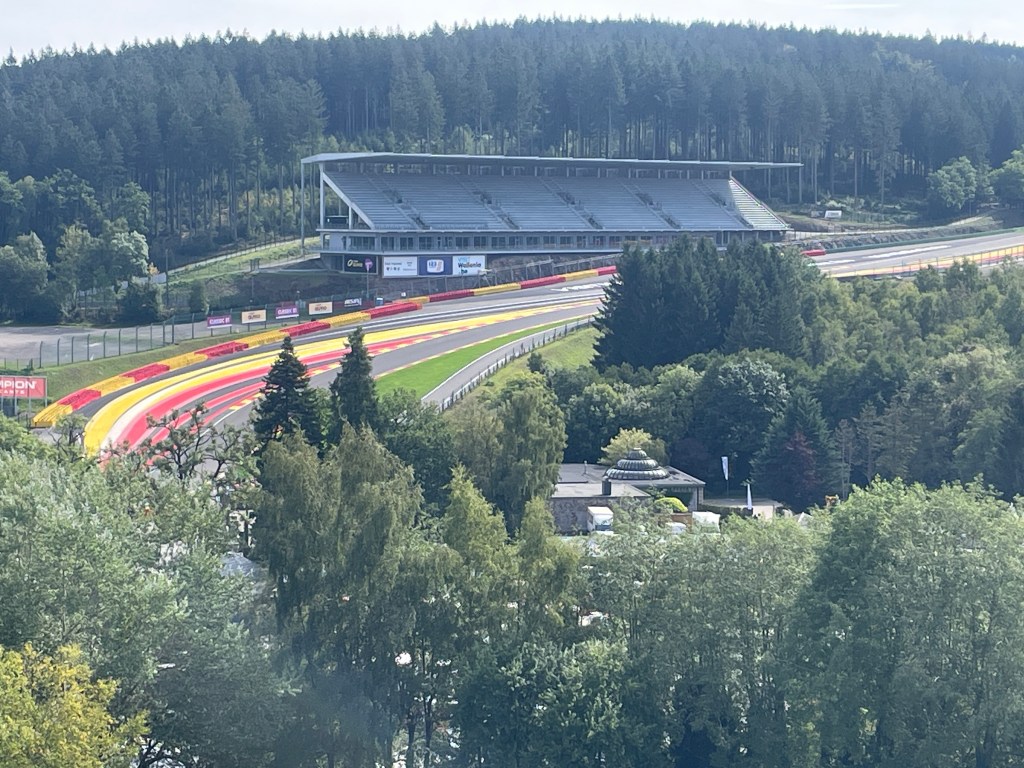

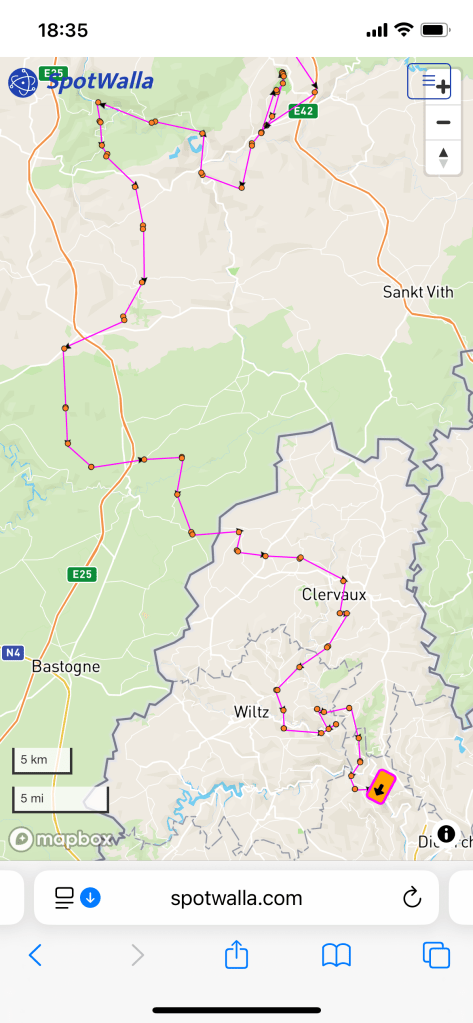
On the second day we entered Lorraine and Alsace. It was again a lot of backroads with the Petit and Grand Ballon as highlights. I noted that my shocks were reaching the end of their lifetime, for the rest of the rally I hoped that I would make it to the finish. We checked into the hotel in Cernay, still without penalty points.
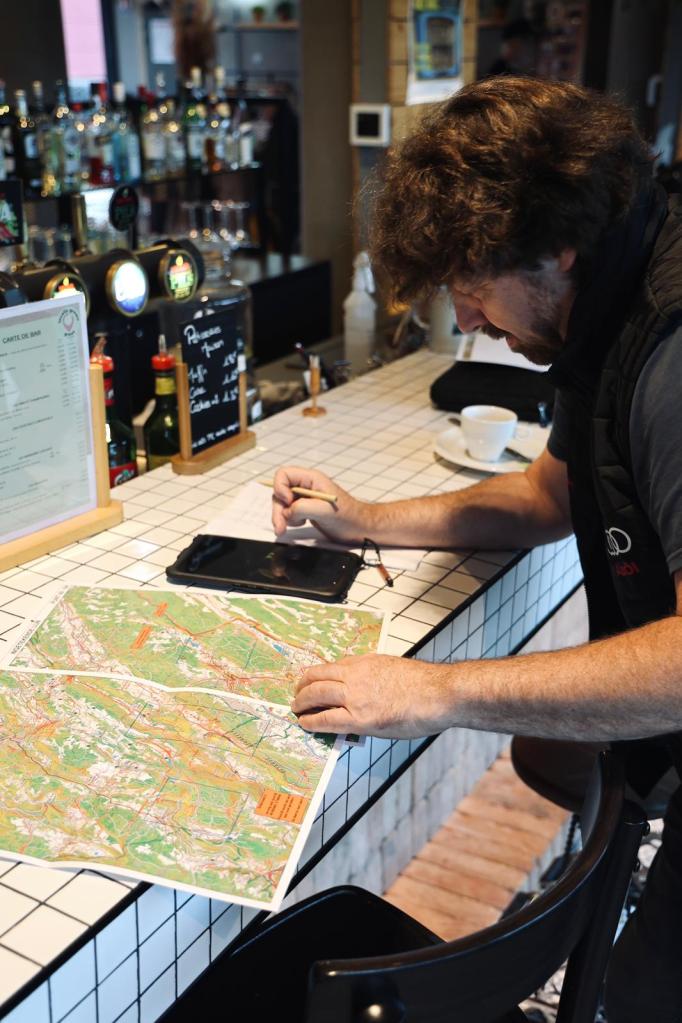
The next morning we heard that the Ferrari had to give up with power loss. We received the information for the day: the organisers had ramped it up a bit: apart from the coordinates and little waypoint maps, we received maps with indicated roads where unmarked waypoints would be situated, you had to follow exactly the line on the map. With my experience in quick planning, I could find and introduce all GPS information in my laptop and transfer it to the routing devices between the handout and the start. And what I couldn’t do, Jeroen would do and double-checked everything. We were becoming a well-oiled machine that simply didn’t make any mistakes.
On this third day, we crossed the Jura on backroads, passed Annecy with some hiccups due to closed roads and finished the day in the hotel in the Alps at Bourg-Saint-Maurice. Again, a day with all waypoints bagged and no penalties.
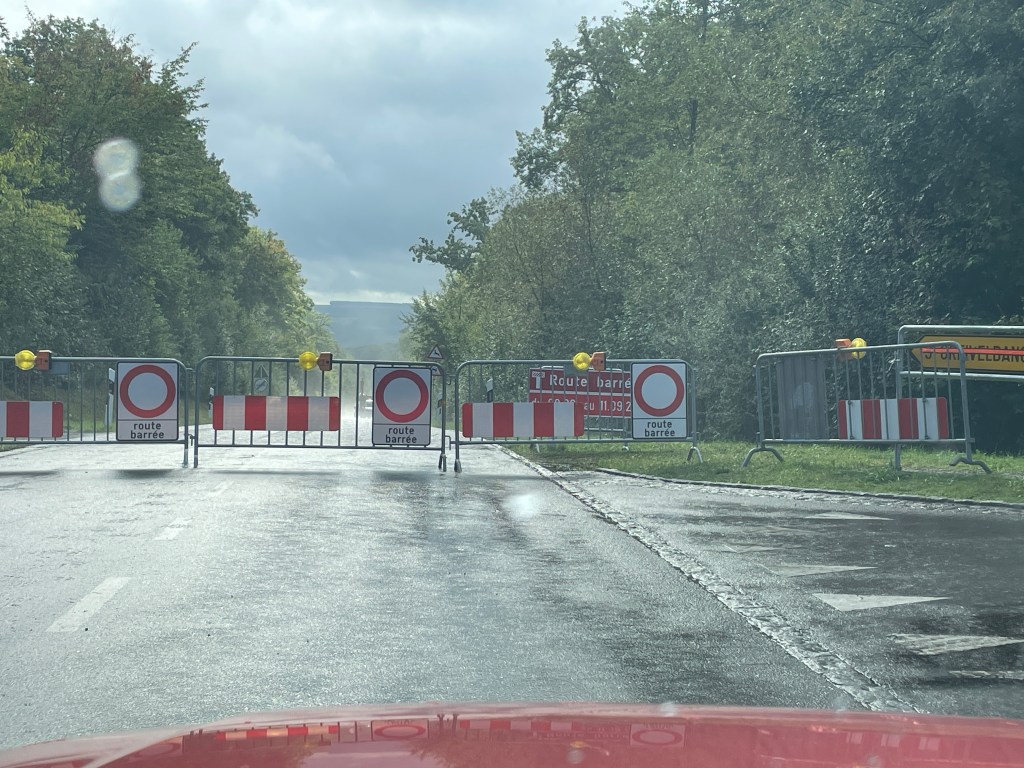
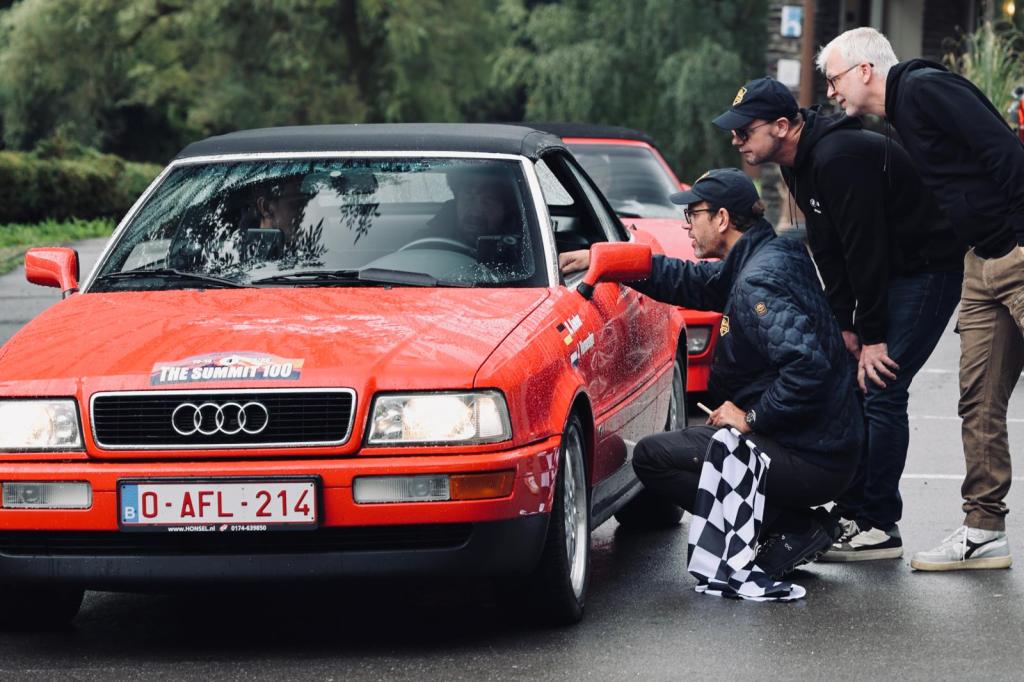
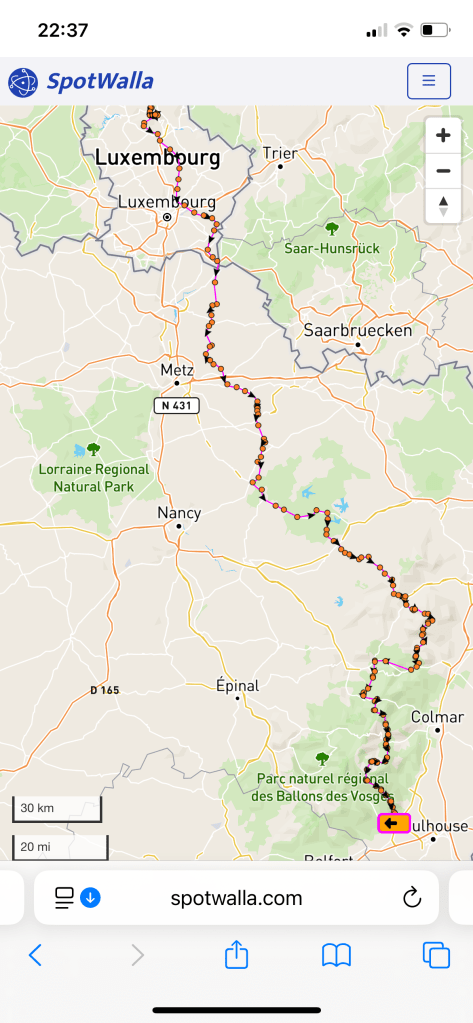
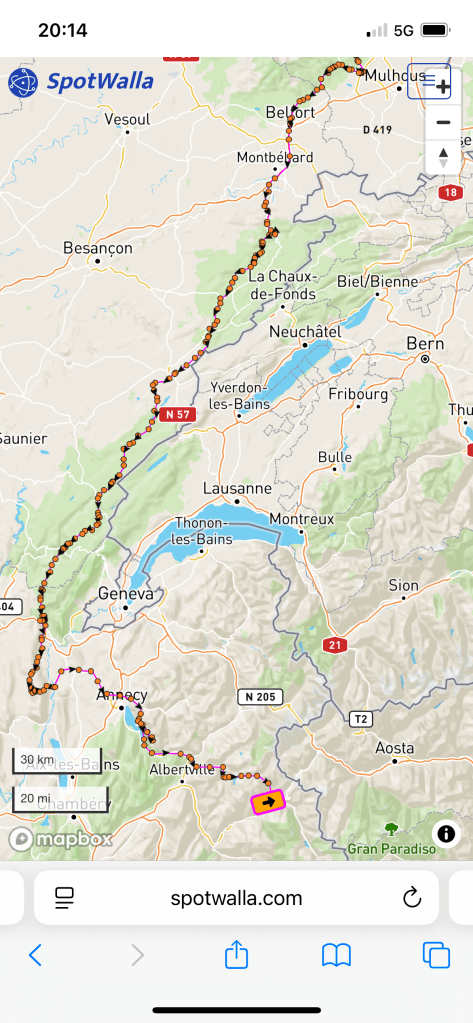
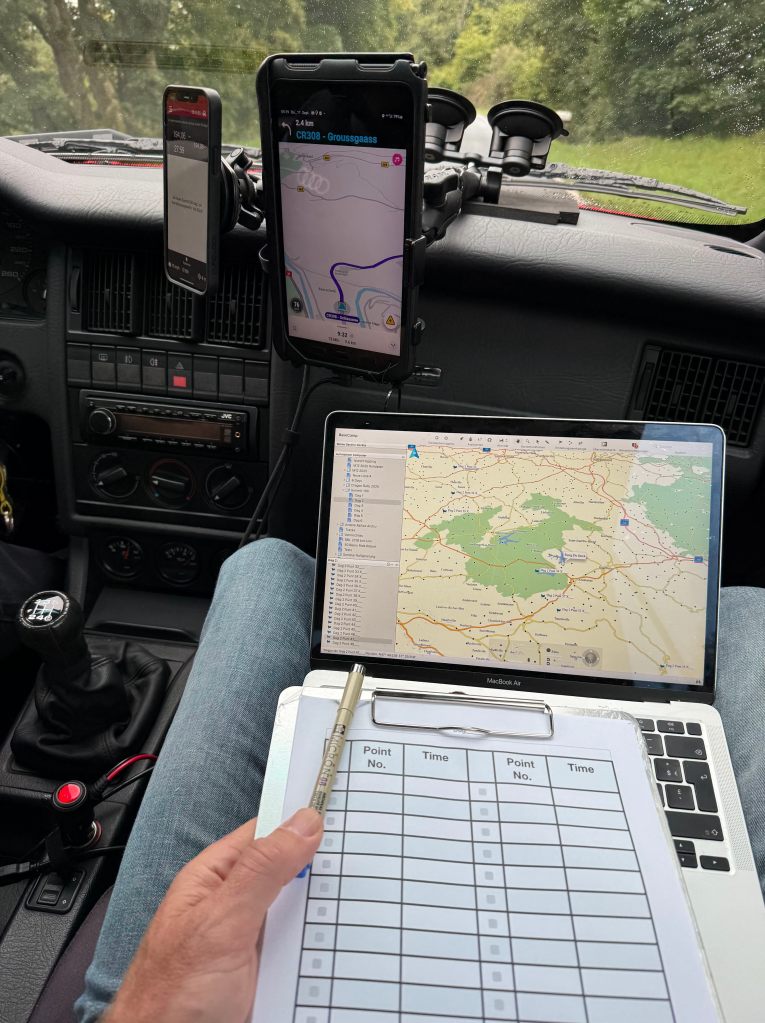
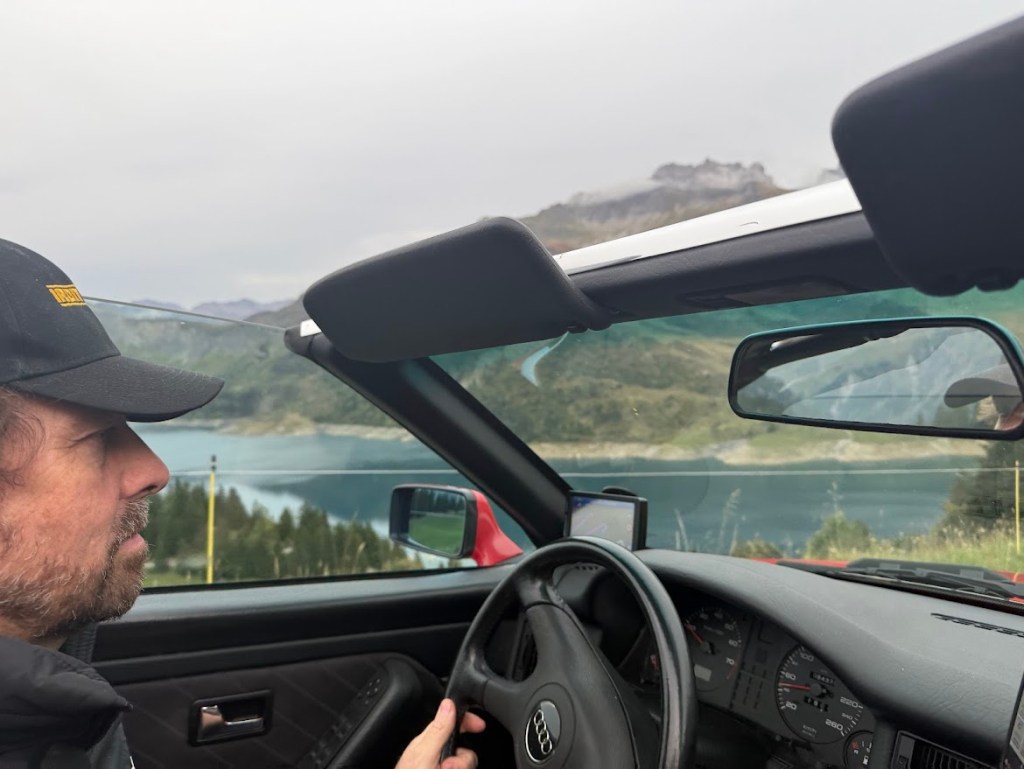
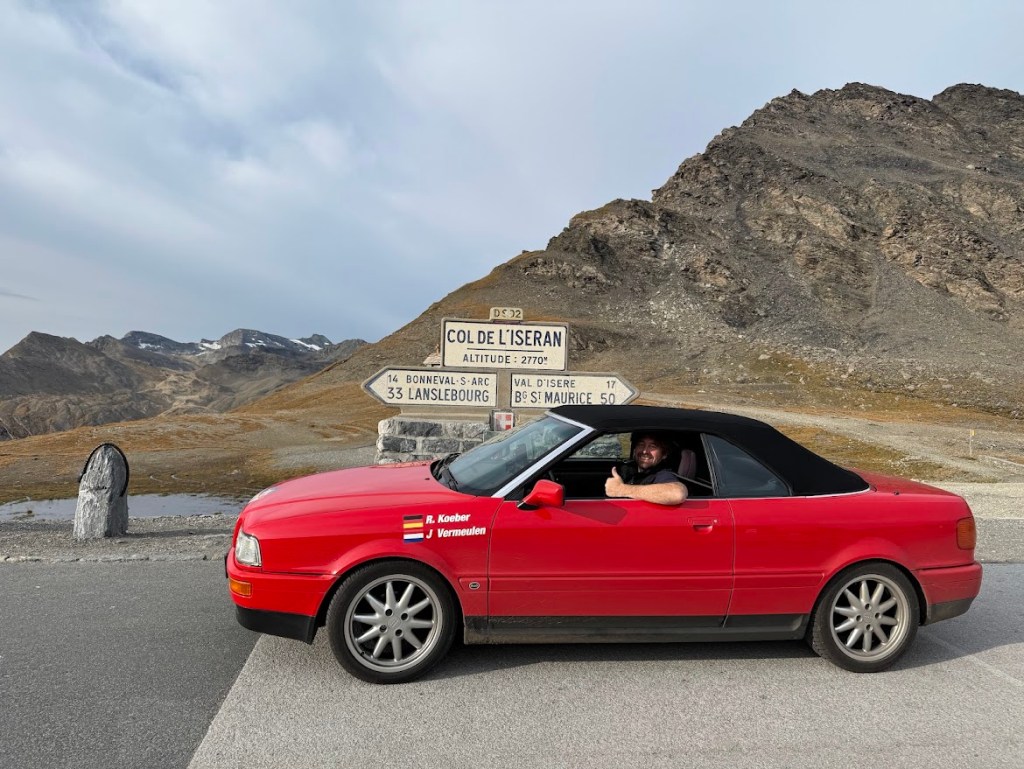
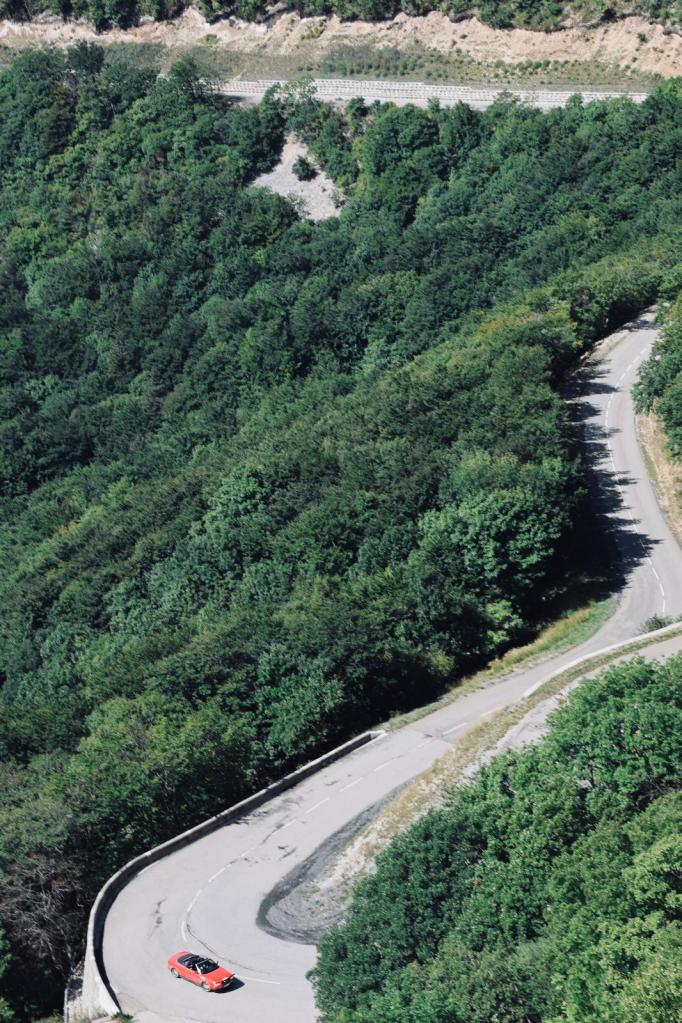
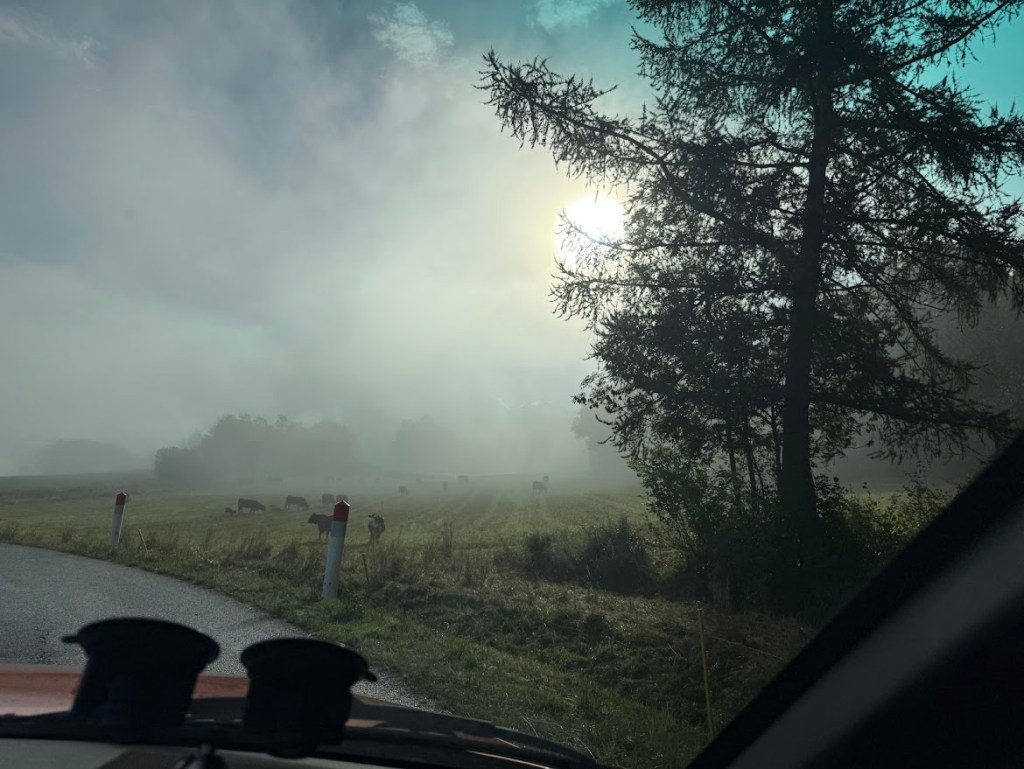
On the fourth day, we entered the High Alps, this would be the highlight of the rally. I tried to ride as careful as possible, the suspension kept me worrying. The weather was on the wet side, but we enjoyed the ride nevertheless. It was a celebration of la Route des Grands Alpes, we drove over the Col de l’Iseran, Col d’Izoard, entered Italy via de Col d’Agnel and rode the tiny roads to the Col de Sampeyre. I knew this area only too well, I had lead some XBR-Alpentours through here and selected also some devious locations for the Alpenbutt Rally 2017. What surprised me though was the deteriorated state of the road to the Colle d’Esischie. Pure adventure, my shocks were almost giving up, but we mastered even this rough part.
Passing Isola 2000 and further on to the highlight of the day: Col de Restefond La Bonette, the highest pass in Europe (2802 m). We were greeted by the rally team and pictures were taken. The weather was bad and we descended to Barcelonnette where we finished the day at the hotel. Again, everything visited, no penalties.
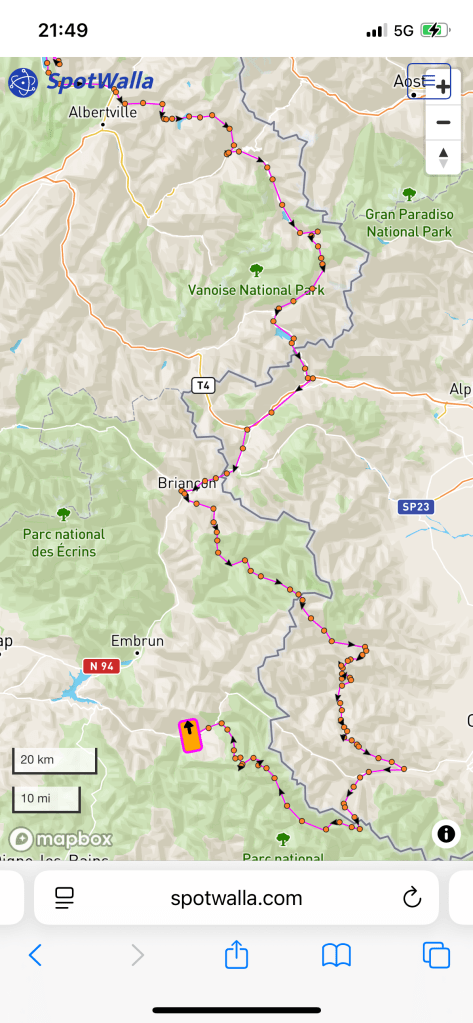
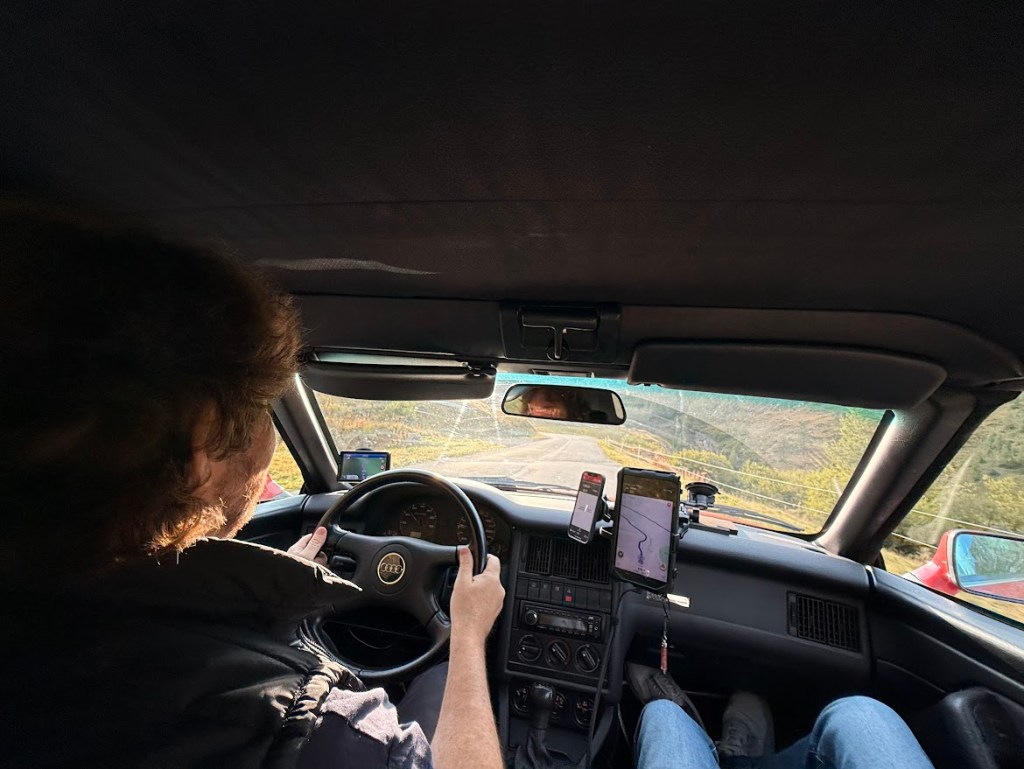
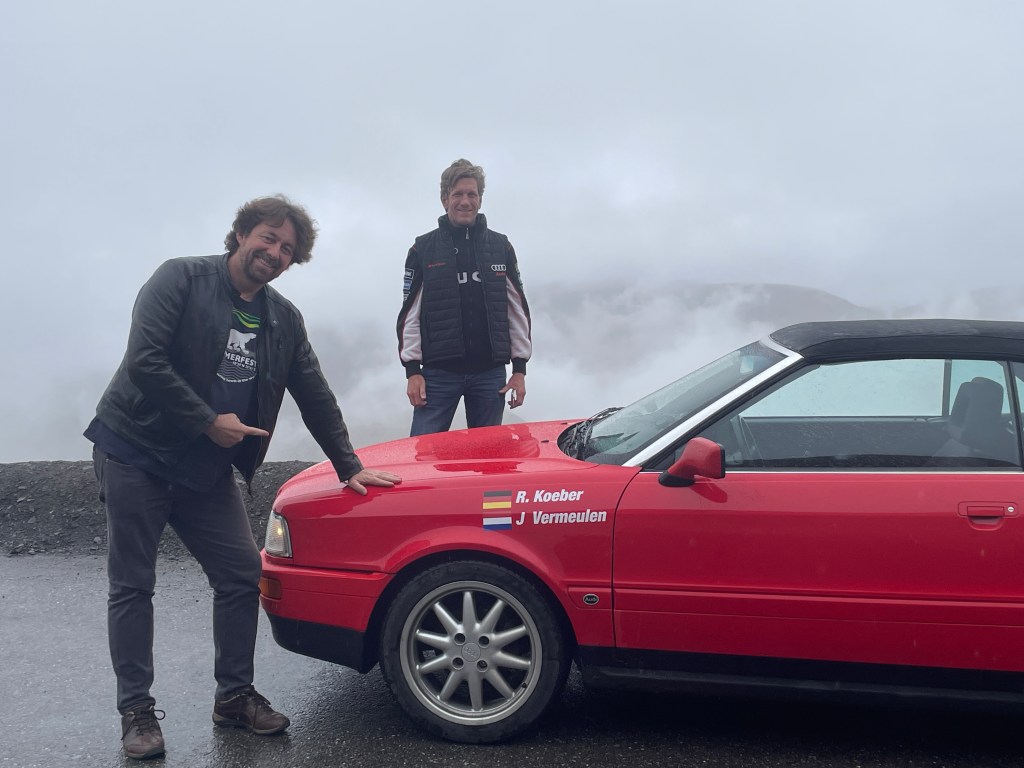
Leaving Bourg-Saint-Maurice: https://youtu.be/y9alg9kyjs0
Colle d’Esischie – the worst part of the rally! https://youtu.be/gTLgFEI7jL8
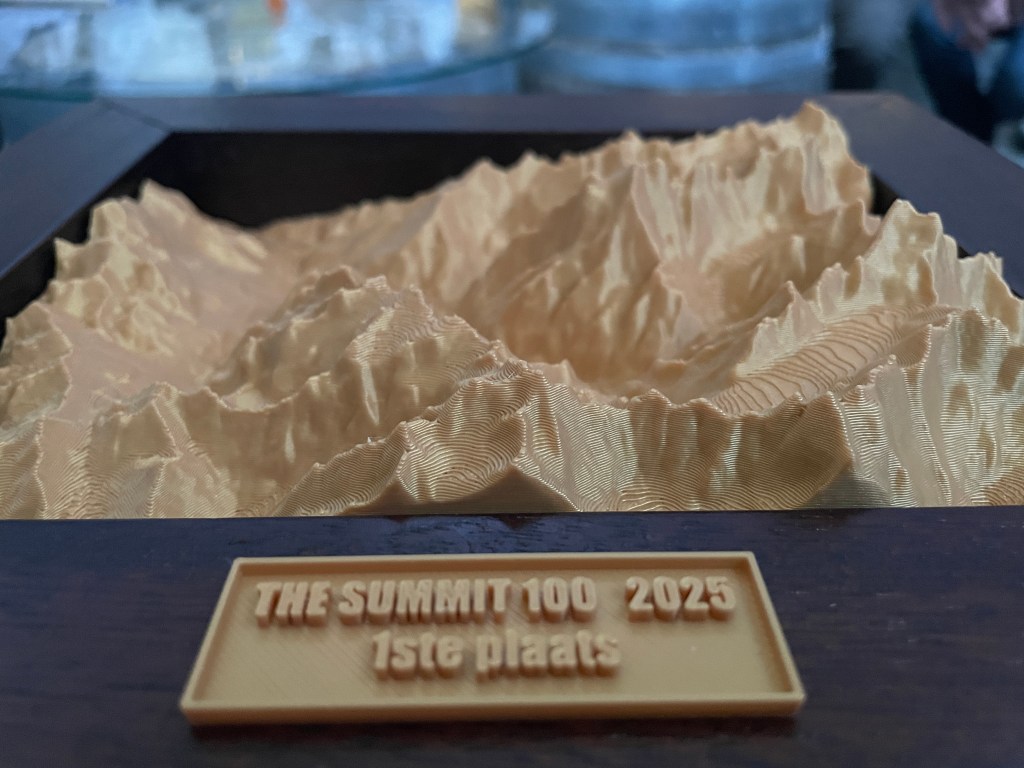
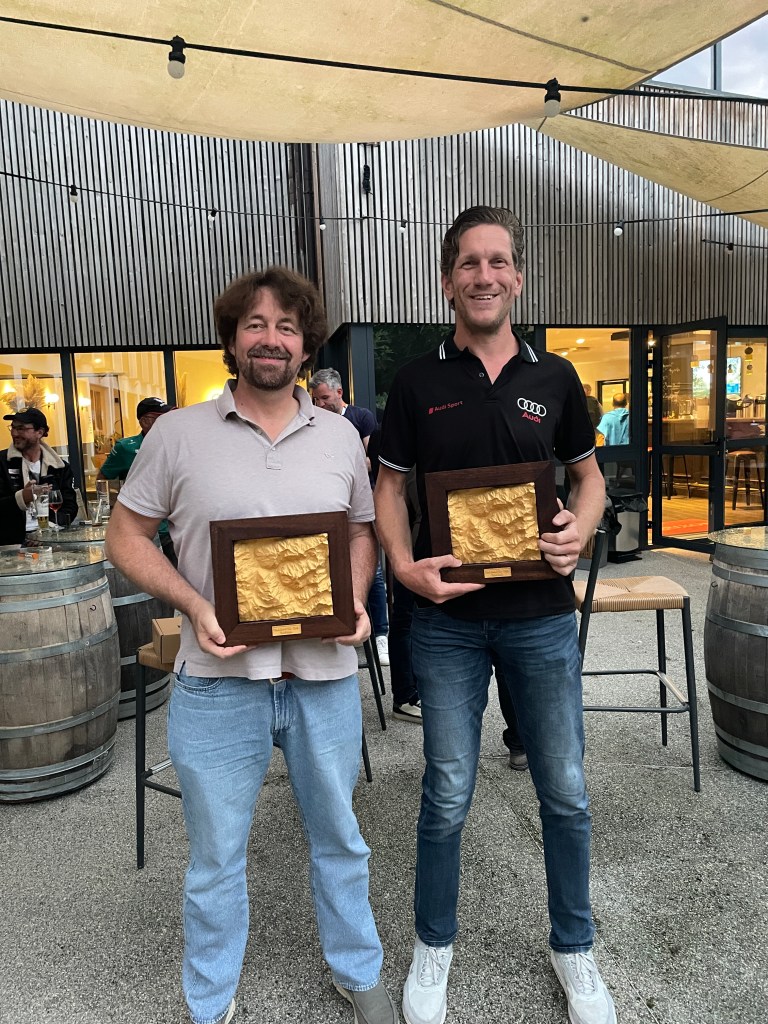
In the next morning, the rain was finally gone and it was time for the last day. We had a series of nice little cols in front of us and I was optimistic that we could make it to the finish without completely blowing up the shocks. We finished the tour with a big bang: the Combe de Laval, the scenic road carved into the rock. A memorable finish before the finish. We were quick during all five days and although arrival times did not matter, we were always among the first as our navigation was quick and efficient. Before arriving at the finish, we even had time to clean the car. After that, we finished the rally after 2100 km in a golf resort near Grenoble where we had dinner after the ceremony. It was not really a competitive, more a touristic rally, but we were the only ones who had successfully visited all 100 waypoints and received no penalty points which meant that Jeroen and I were the winners of the rally! Good navigation skills plus IT engineer skills paid off.
The next day, we had a relaxed breakfast and a relaxed drive back to Belgium. A fun ride, but now I need new shocks 😁.
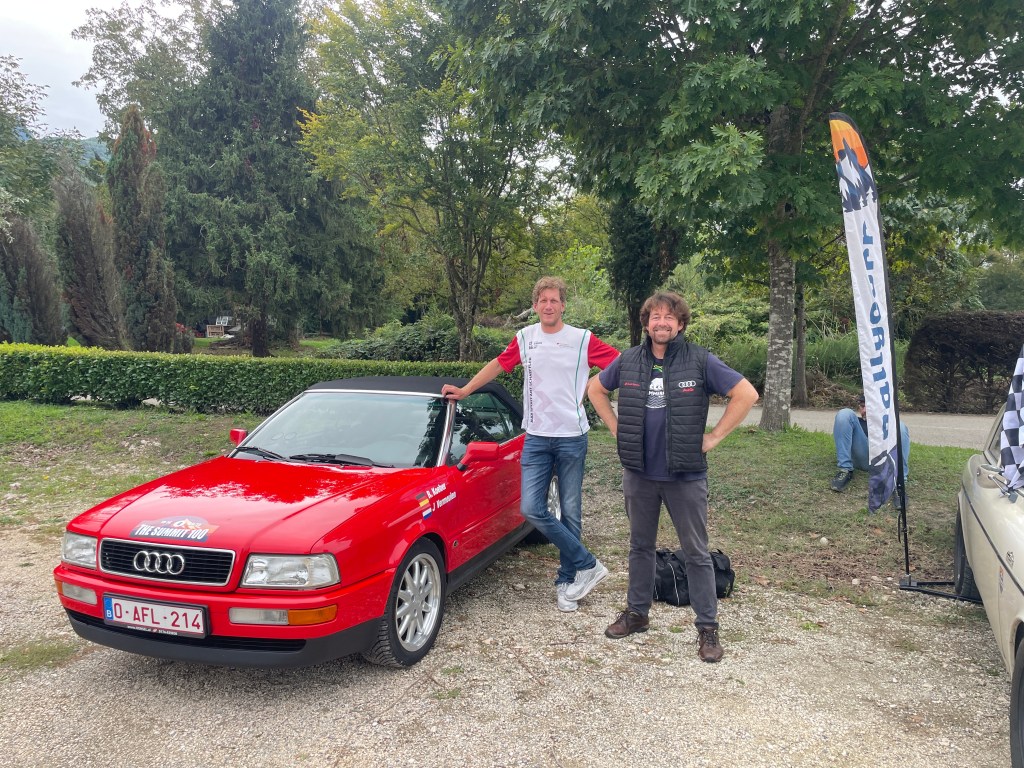

Well, that was about it for 2025. I had planned to ride to the Ride to Eat in San Marino, as it fitted nicely with a business trip and a subsequent trip to Bavaria. But when these dates were postponed, I canceled the trip as I did not want to do the same journey twice in a short period of time. Not very “toughest motorcycle riders in the world” 😁, but I felt I had done enough this year.
Next year? A small number of rallies. But I think it is about time for something big again?🤓…





































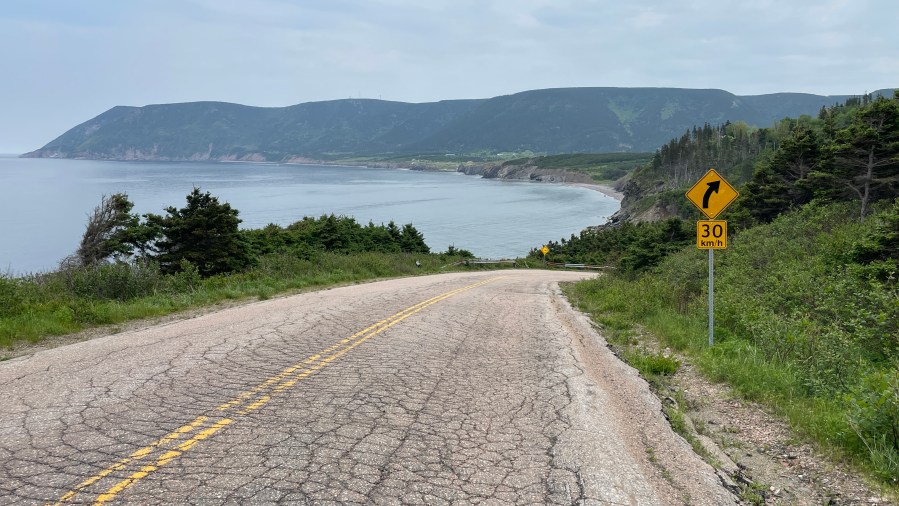
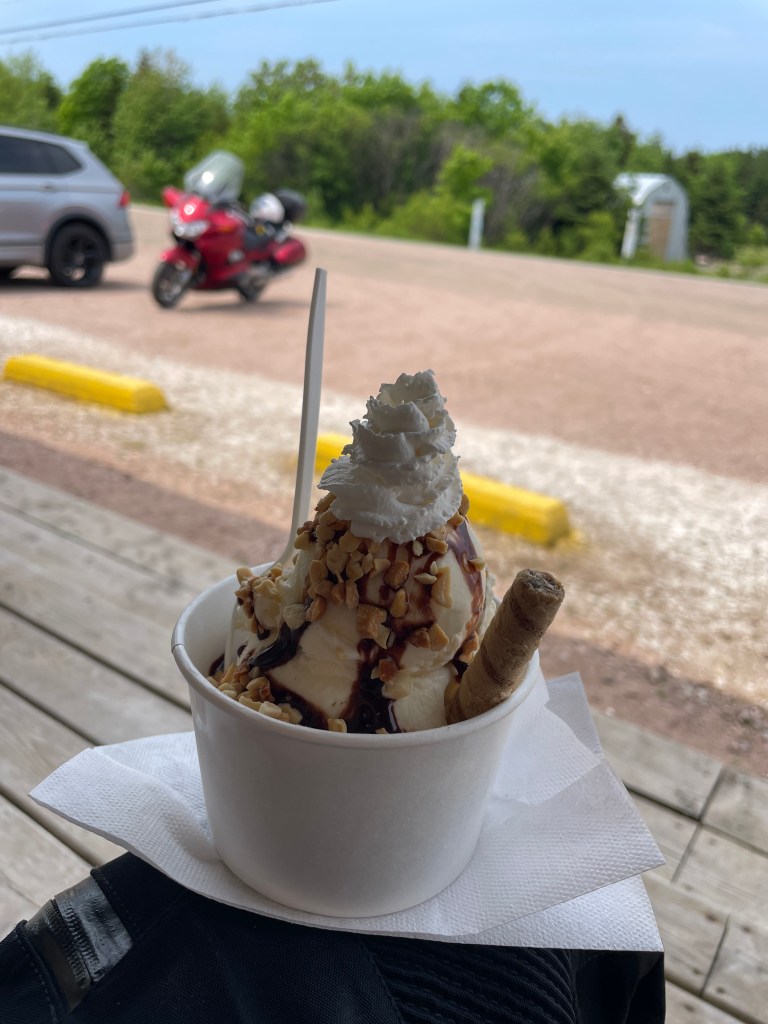

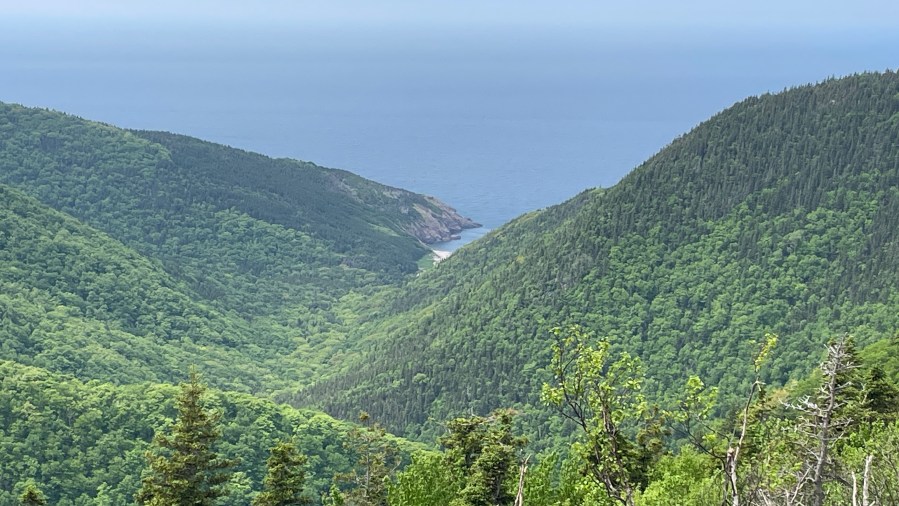


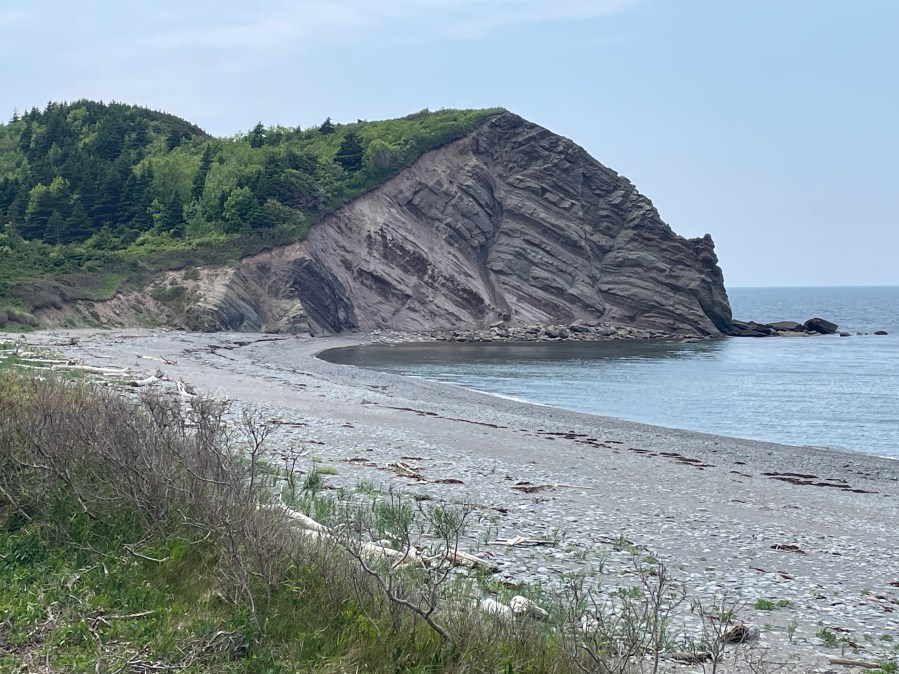






























































 Hutzlmandl On Tour