Tag: adventure

  • Nova Scotia – Annapolis Valley

    Nova Scotia – Annapolis Valley

    In the morning, I packed my belongings and left the hotel as it didn’t provide any. I followed one of their suggestions and visited a café that was open on a Sunday morning. I had a coffee and muffin in a cozy place and could set off already at 8:30. During the night, it rained heavily but now the streets started to dry, the weather would still be cloudy for the next two hours.

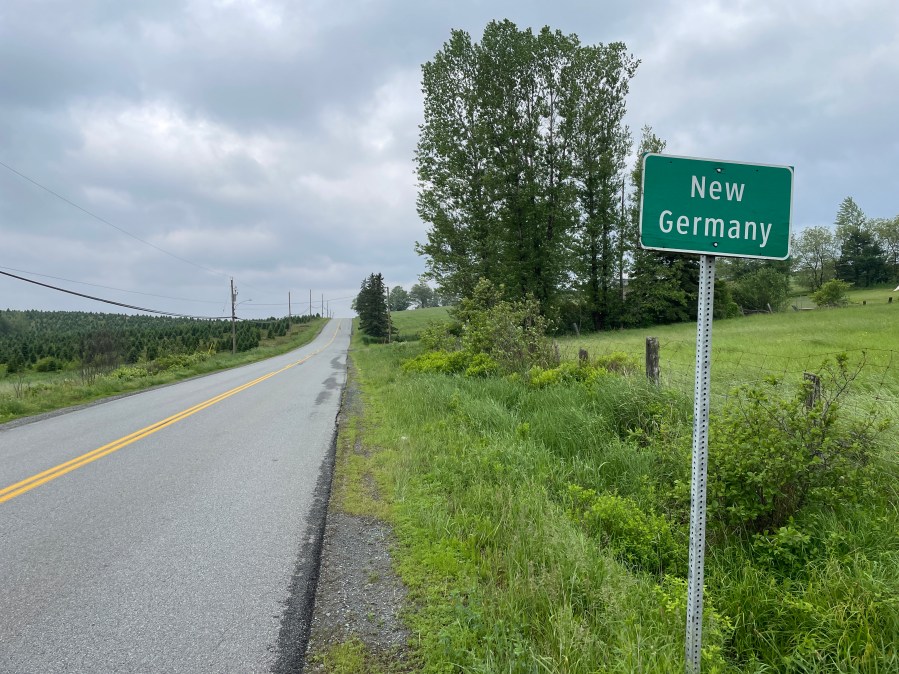
    I left Lunenburg in direction northwest, riding through a mix of forests and farm land. After a while I passed the little village of New Germany where also large plantations of Christmas trees were located.

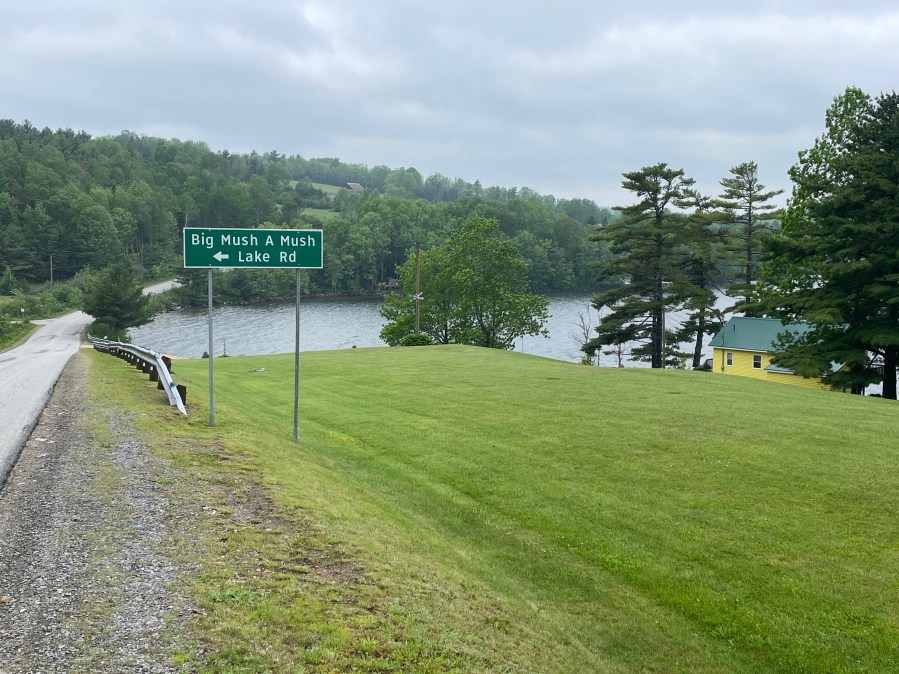
    Slowly the temperature rose and there were more sunny spells. I remembered that I hadn’t switched on my GPS tracking app and corrected that. During this trip I relied solely on my mobile phone that I charged continuously with a power bank stored away in a fairing box, safely protected by some fresh underwear.

    Around 10:30 I arrived the town of Annapolis Royal that was composed of old wooden houses of this Maritime style. A lot of trees and meadows give it sometimes more the feel of a park than a town. I rolled into the ‚centre‘ of town and spotted a ‚German bakery‘. Curiously, I checked the menu at the outside and concluded that this must be a real German baker. Maybe later.

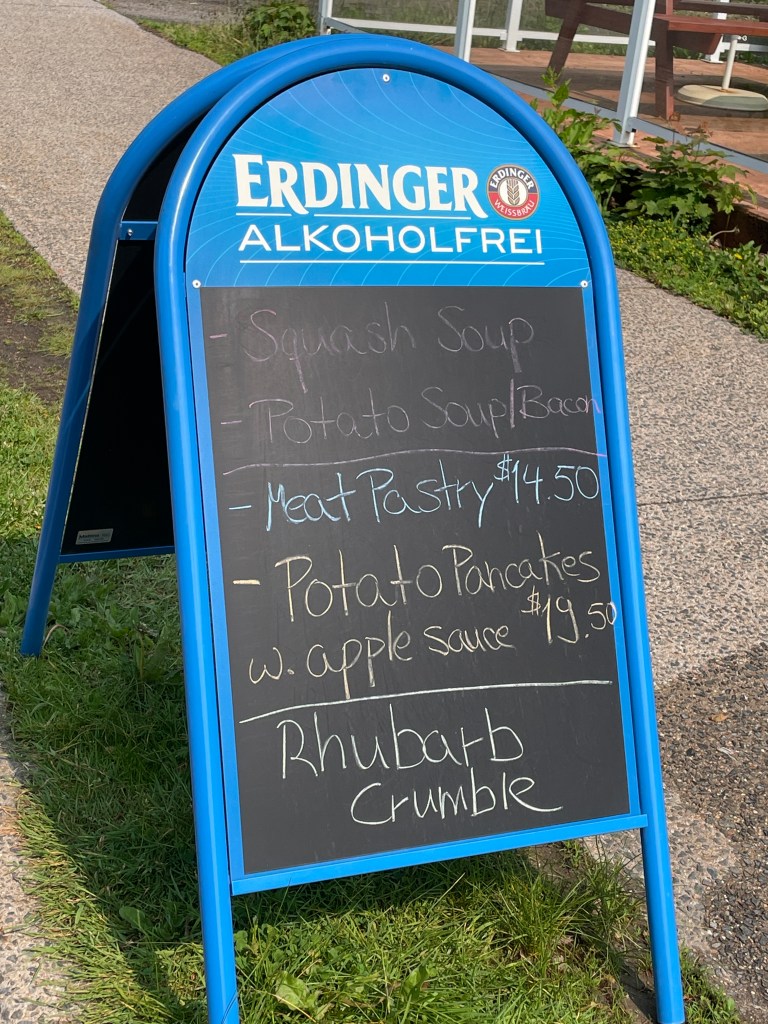
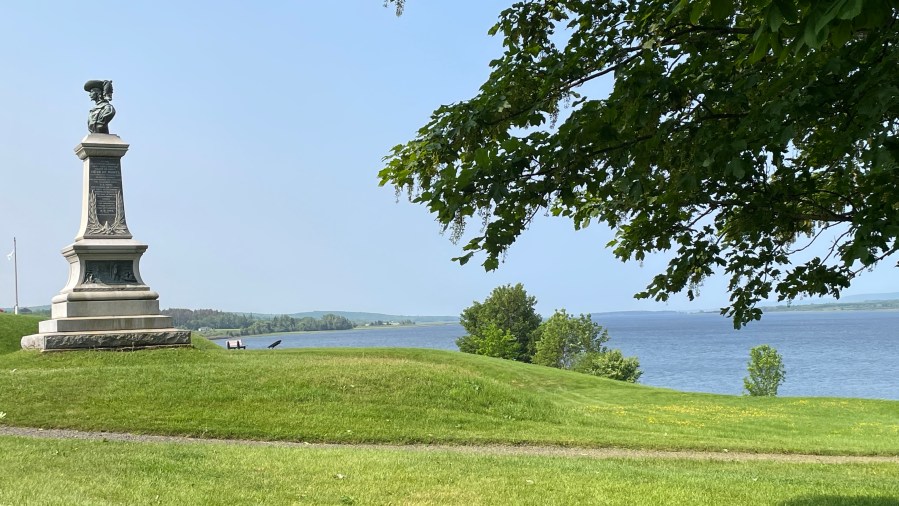
    I rode through Fort Anne with the views on the bay and rolled slowed slowly through the mini waterfront before turning around. I stopped at the bakery again and as I was really thirsty, I thought it might be a good idea to consume some quenching liquid. In the bakery, I was attended by an East German waitress and could see that the bakers produced genuine products. So I ordered a salami roll with a Bavarian wheat beer. Unlike back home, I asked for a alcohol free version. In the background, I could hear some German Schlager. Entering customer showed that this place was quite popular. I finished my second breakfast and continued my ride.

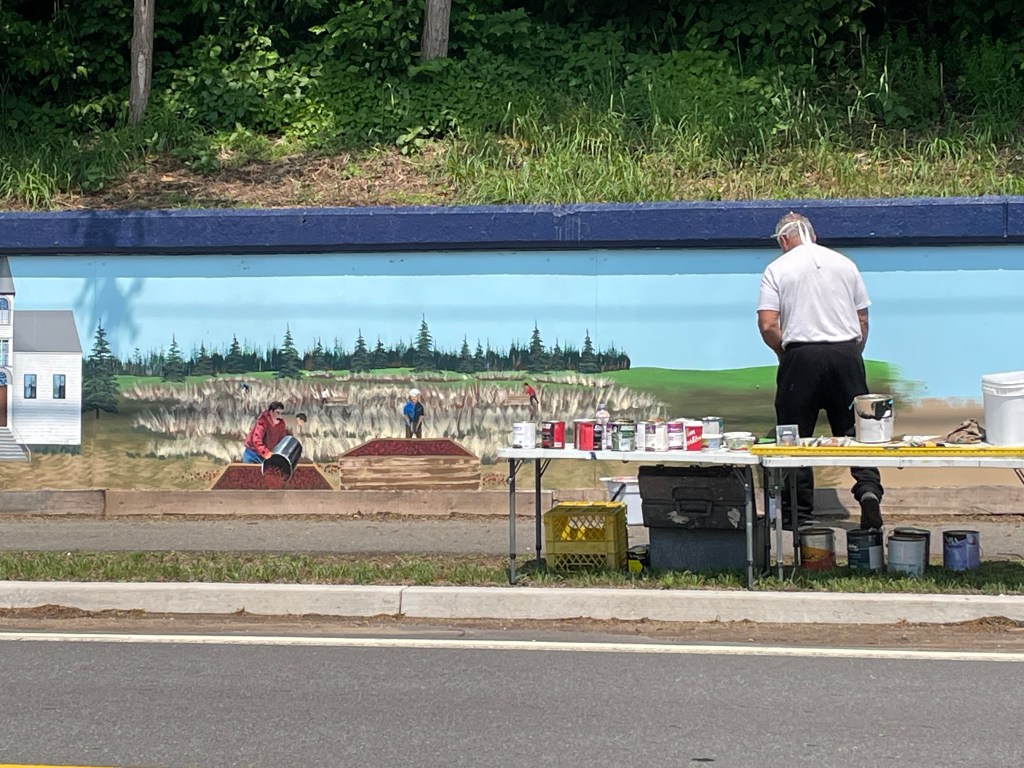
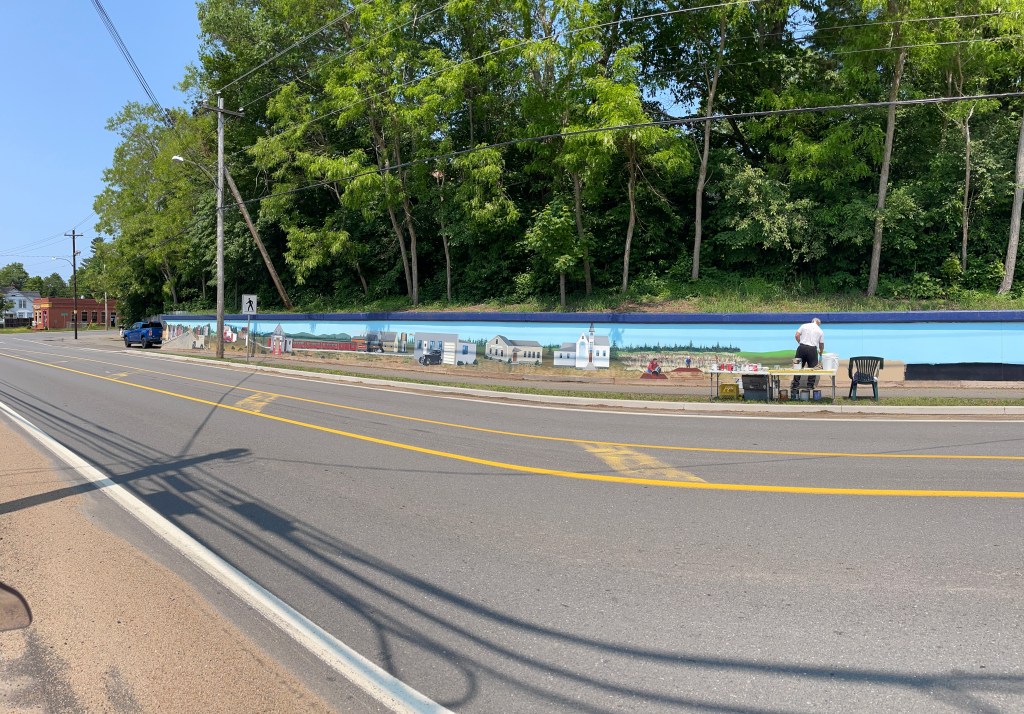
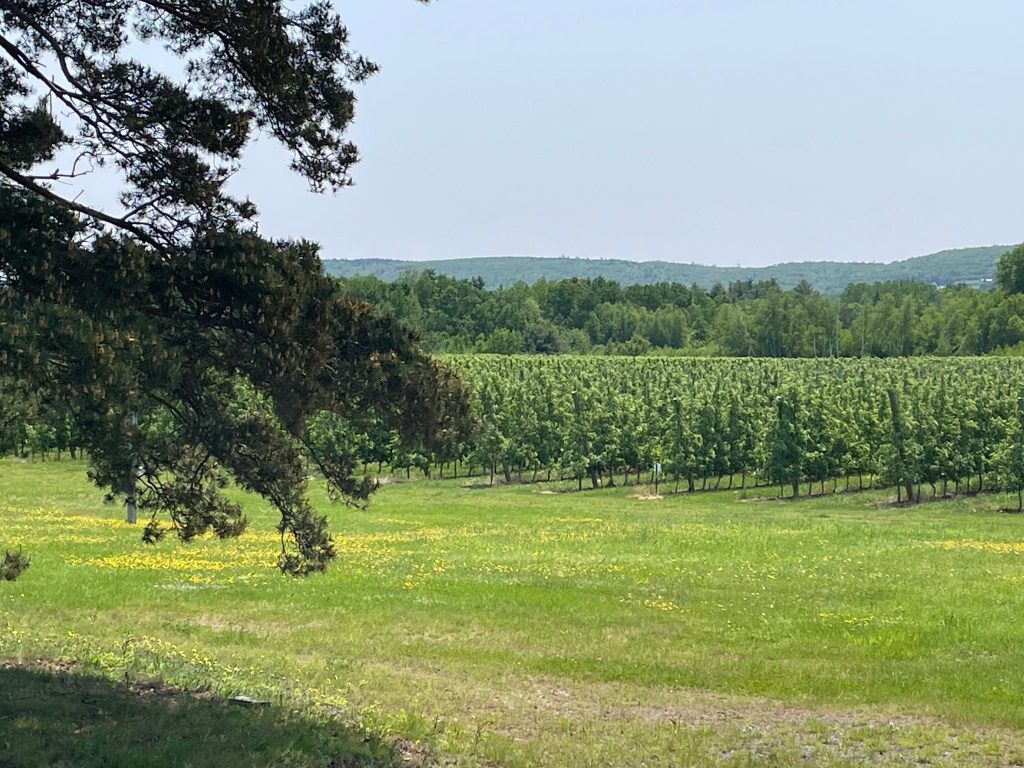
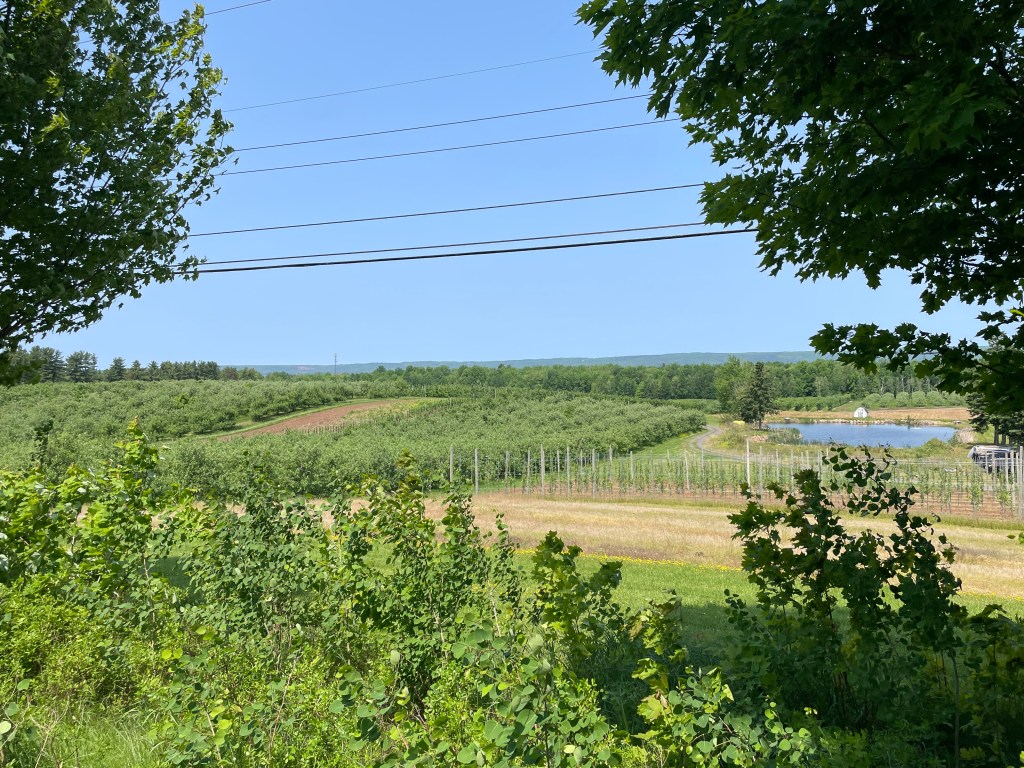
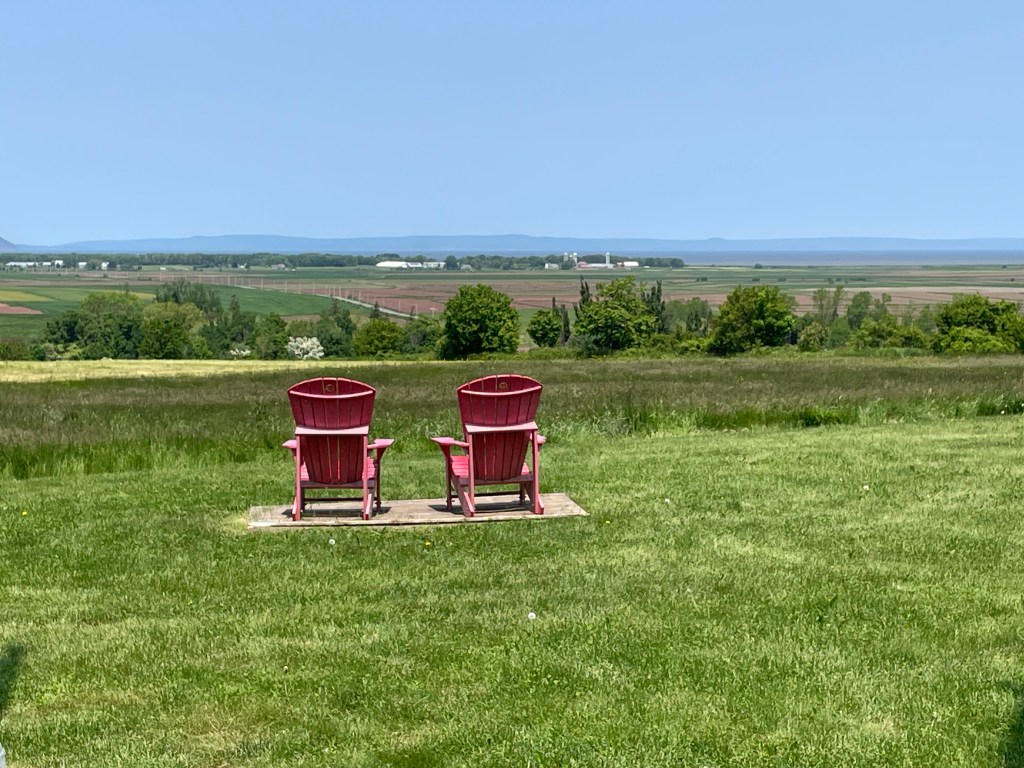
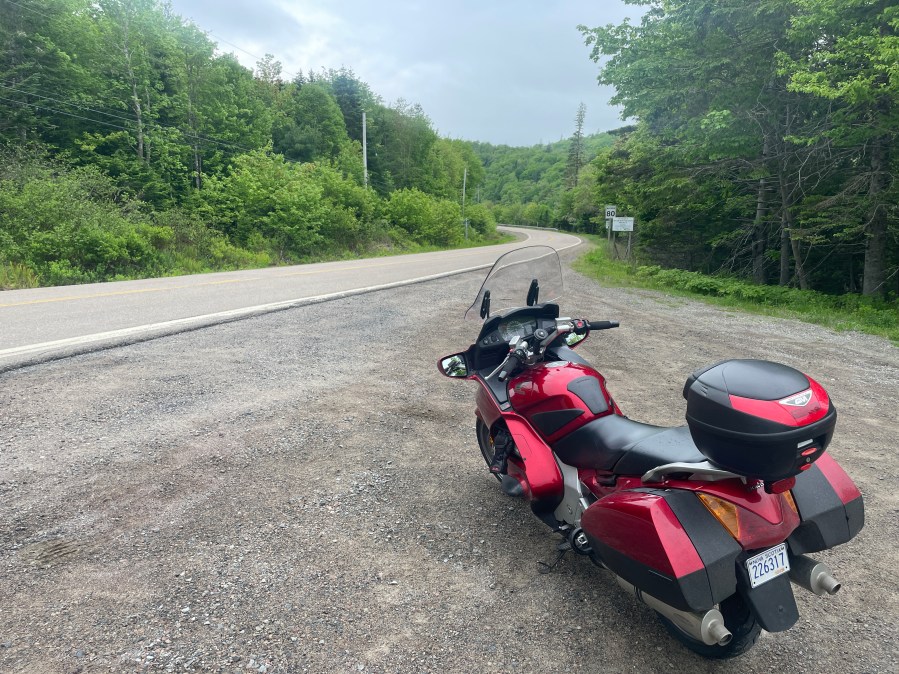
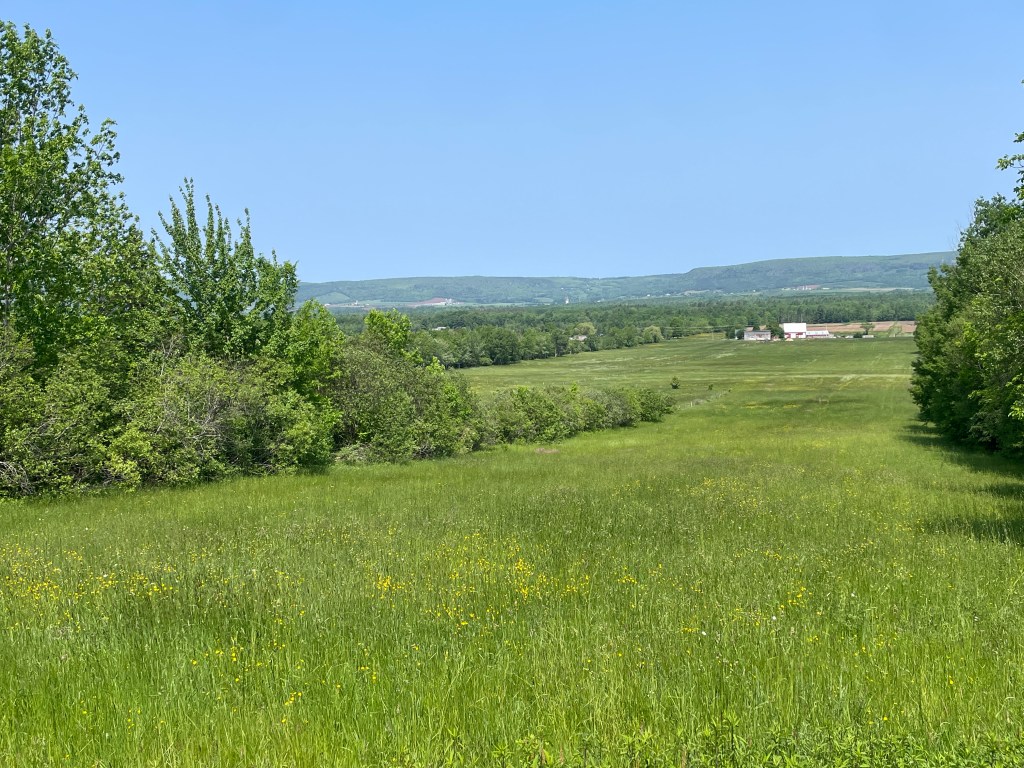
    I was entering Annapolis Valley, supposedly one of the highlights of Nova Scotia. I avoided the Highway 101 and chose the smaller Highway 201 that lead through lush fields with scattered farms. It has one of the mildest microclimates and is known for its fruit and vegetable crops. I enjoyed riding with the humming ST1300, the sunny weather was also playing along. I stopped here and there, taking pictures. In one village, I spotted a painter that was painting an enormous mural in great details – impressive.
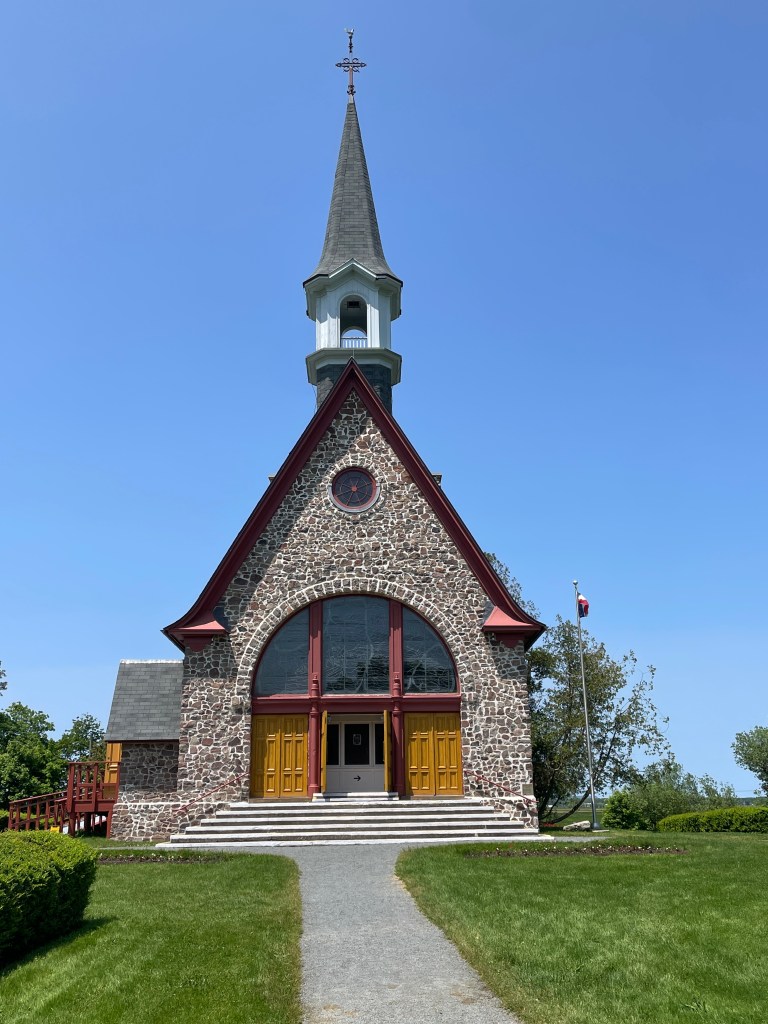
    In Kentville and Wolfville, the area got more urban, quite a wealthy area, it seems. My next stop was at Grand-Pré, a national historic site. The Grand-Pré National Historic Site is a park set aside to commemorate the Grand-Pré area of Nova Scotia as a centre of Acadian settlement from 1682 to 1755. The French settlers built dykes to hold back the tides along the Minas Basin. They created rich pastures for their animals and fertile fields for their crops. Grand-Pré became the bread basket of Acadia, and by the mid-18th century was the largest of the numerous Acadian communities around the Bay of Fundy and the coastline of Nova Scotia.

    Serving as a kind of museum and memorial site, the Site tells the story of the Acadians that got caught in the middle of the colonial wars between the British and the French. Although French-speaking, they did not want to take sides, staying neutral. After the occupation of Nova Scotia by British troops, they did not want to swear an unconditional oath and allegiance to the British Crown. As a reaction, in 1755 their property was confiscated and almost all Arcadians were deported. Many Acadians died from drowning, starvation, imprisonment, and exposure. By modern terms, this would be considered an ‘ethnic cleansing’.

    The “Landscape of Grand Pré” was listed as a World Heritage Site by UNESCO in 2012. The 1,300 hectares of polderised marshland and archaeological sites in the Grand-Pré area were recognized as an “exceptional example of the adaptation of the first European settlers to the conditions of the North American Atlantic coast” and as “a memorial to Acadian way of life and deportation”.
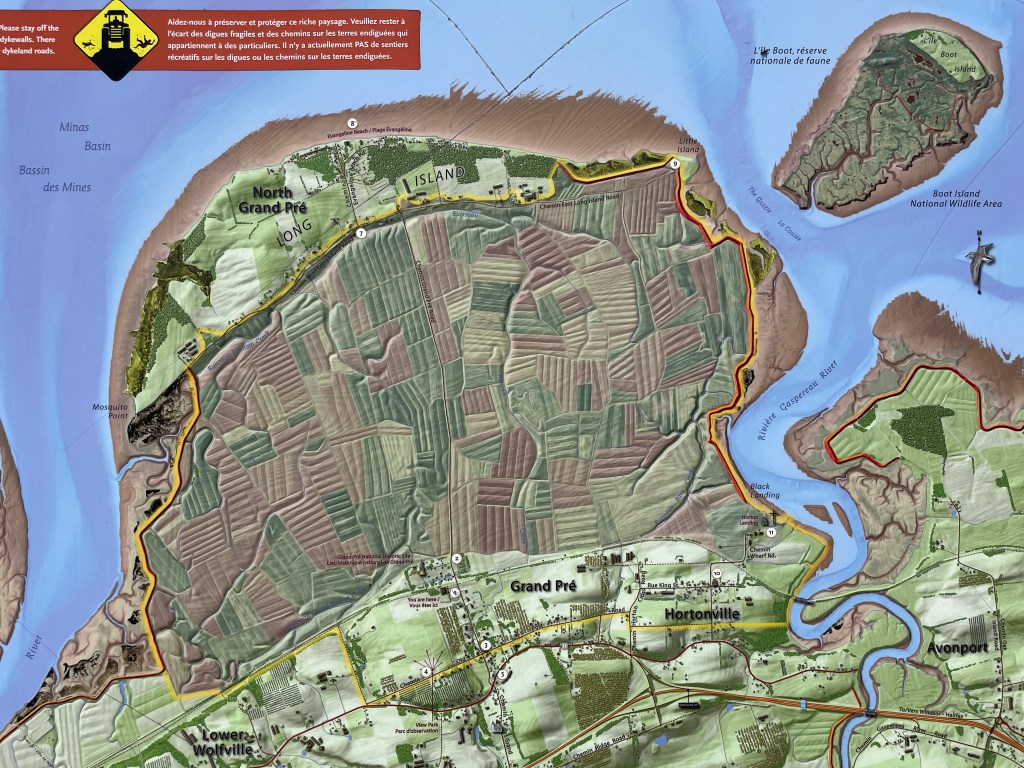
    I visited the exhibition, attended a film, visited the park and chatted with some museum guides about remaining Acadian culture. After the visit, my trip was basically over. I rode westwards to Truro and further to the motorbike rental place. I changed clothes, packed my suitcases and waited for the pre-booked taxi that would get me to Halifax airport. The trip was quite entertaining, as I had a lively discussion with a well-informed driver. At the airport, I had quite some time on my hands, as my flight departure was delayed for two hours. Enough time to have dinner and to survive the Air Canada Lounge.

    One flight to Frankfurt and a connecting flight to Brussels later I was back home. A nice short trip through most of Nova Scotia!


  • Nova Scotia – Cape Breton to Lunenburg

    Nova Scotia – Cape Breton to Lunenburg

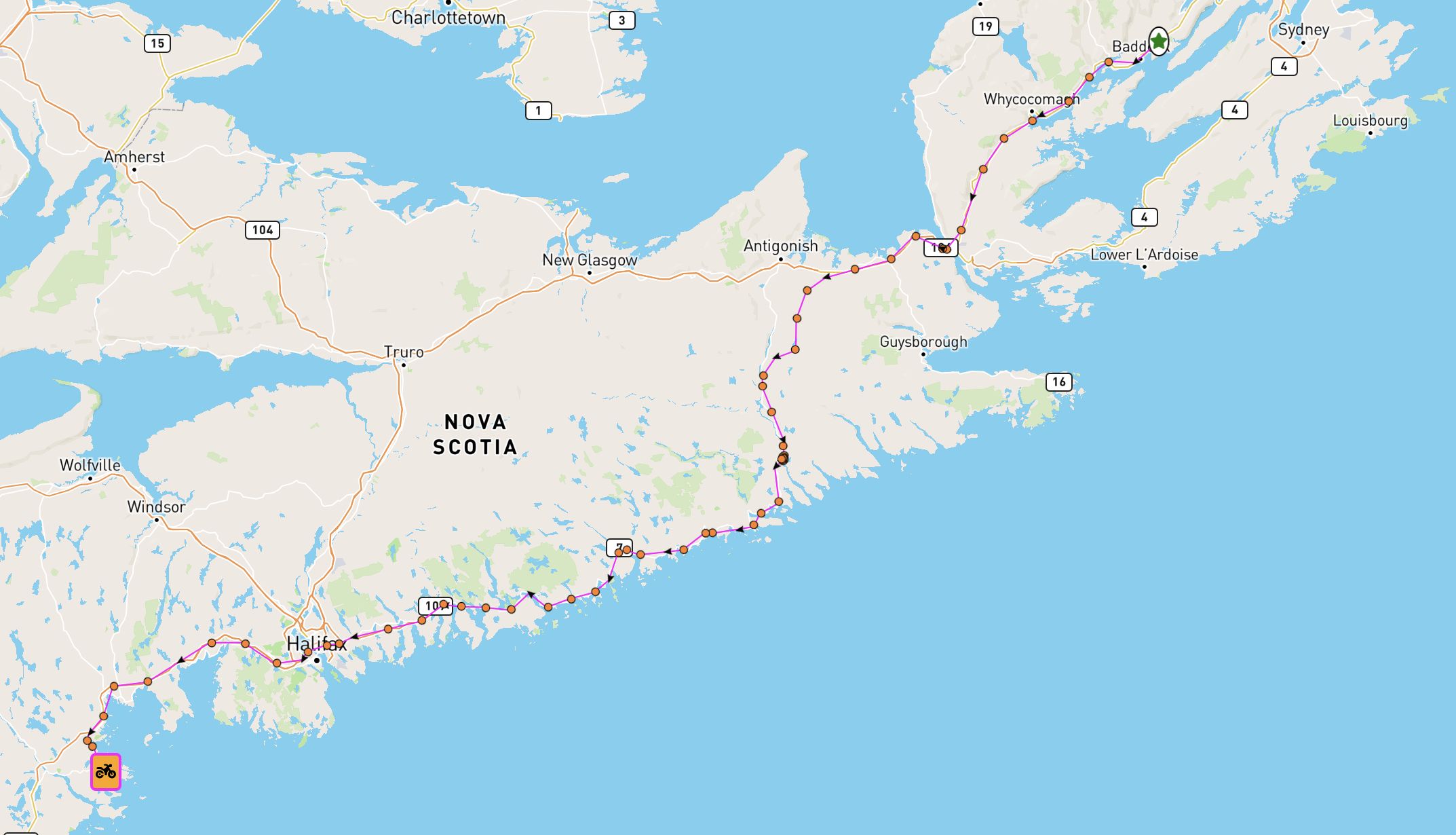
    I was wondering which route to take in the morning in order to avoid a rain front. But as the rich breakfast and the following chat with the owner did take longer than expected, it did not matter anymore – the rain had started. Well, it didn’t matter then. I started off in the rain shortly after nine and headed for Baddeck and further southwest. The rain stopped after 30 minutes and I enjoy the easy ride on highway 105. Just after leaving the island of Cape Breton, I filled up and cleaned the windshield. My plan was to head for the east coast and to cross Nova Scotia at the southern shore. The sky was cloudy and I still had to pass a strong shower, but this would be the last time today. The area was lush with farmland and small forests.

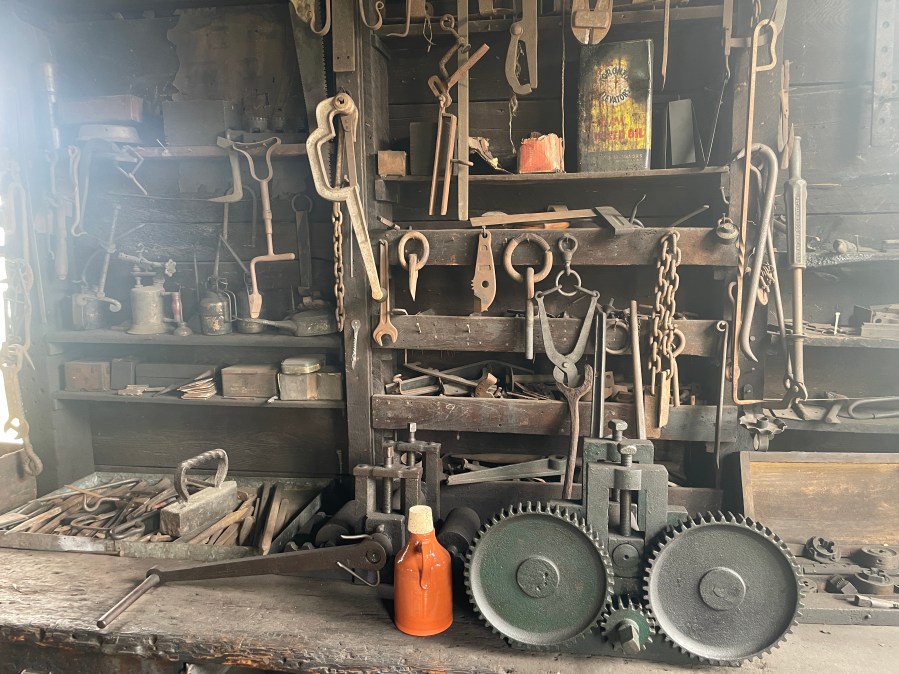
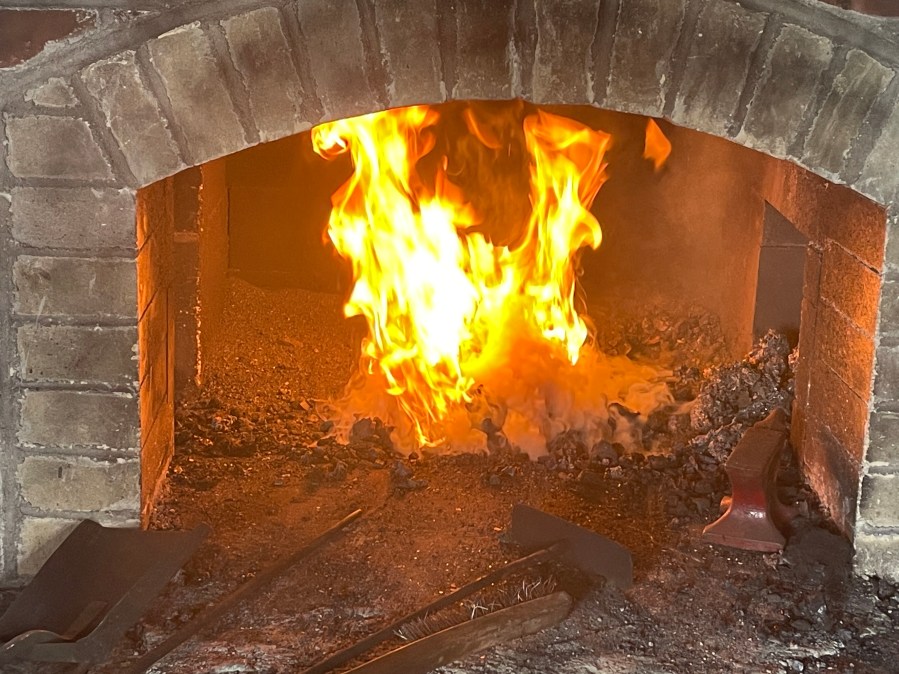
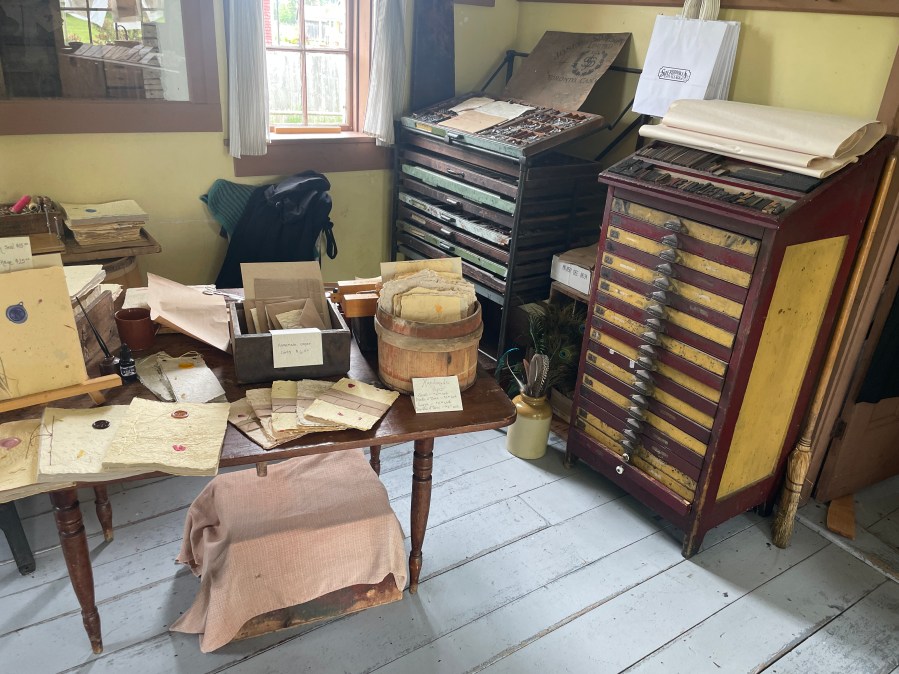
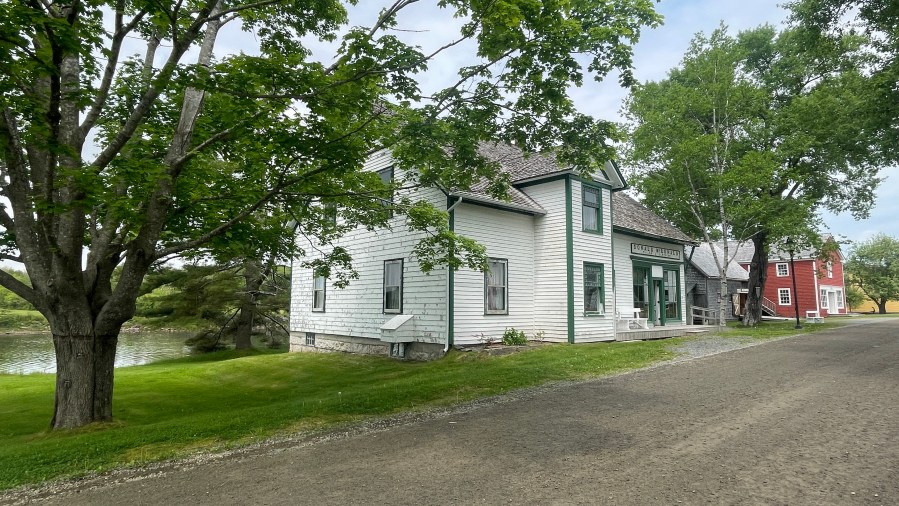
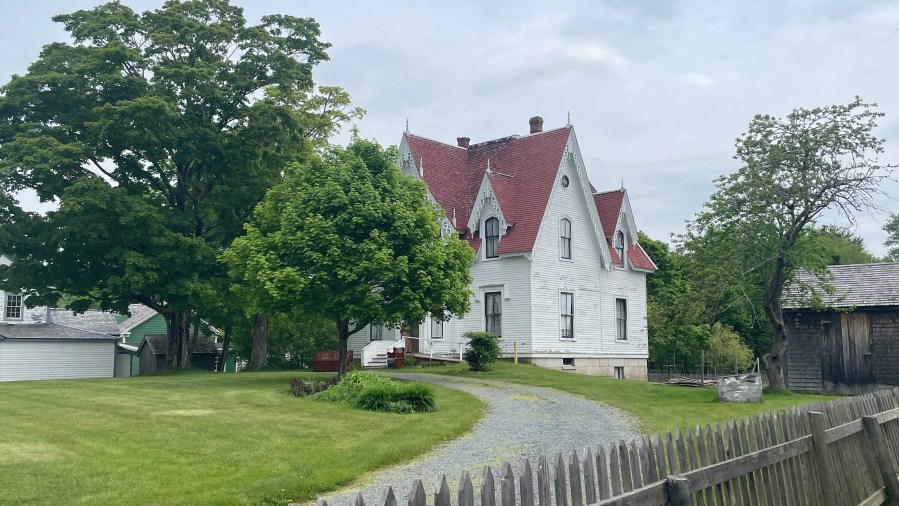
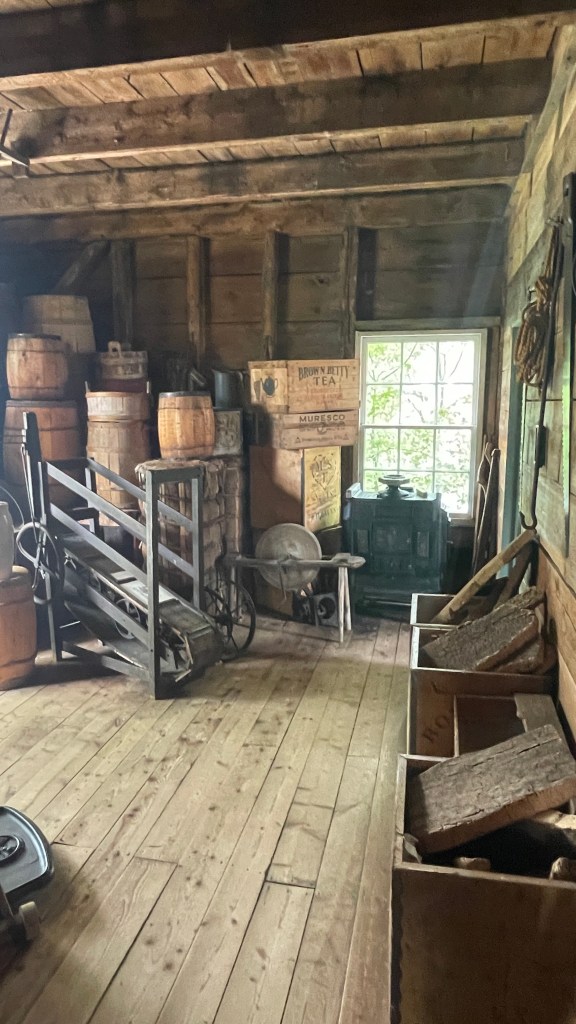
    Shortly before noon, I arrive at the small village of Sherbrooke. I had read something about a living museum, looked for it and found it. The internet page of the museum claims: “Sherbrooke Village depicts a typical Nova Scotian village from 1860 to pre-WW1. With approximately 80 buildings, over 25 of those open to the public, most with costumed interpreters, it is the largest Nova Scotia Museum site. Visit the working woodturner shop, blacksmith, pottery shop, and printery. During your visit, enjoy a delicious, light meal at McDaniel’s Tea Room & Restaurant, located within the Village or drop in to  Village Treasures and Gifts for that perfect keepsake. Built on an economy of ship building, lumbering and gold mining, Sherbrooke Village reflects Nova Scotia as it was during its industrial boom in of the 1860s. Visit a place where time has stood still… visit Sherbrooke Village!

    It is basically a museum village where you can visit (almost) all buildings and get an idea of the professions that were important at that time. I stopped at the blacksmith and watched him forging an iron bar, turning it into pointy piece. He was a young lad and a kind of apprentice, learning the old techniques. When the real blacksmith arrived, he greeted me with a strong handshake. One of the kind that could squash your hand into a bloody pulp, if he wanted to. I was chatting with the apprentice for a while as I was interested in some chemical details.

    At the next house, I visited a printing office and paper maker. I had another chat with the printing lady and some Austrian tourists when I overheard them. She printed recipes with types on a machine from the 1880s and showed me how to make hand-made paper from leftovers.

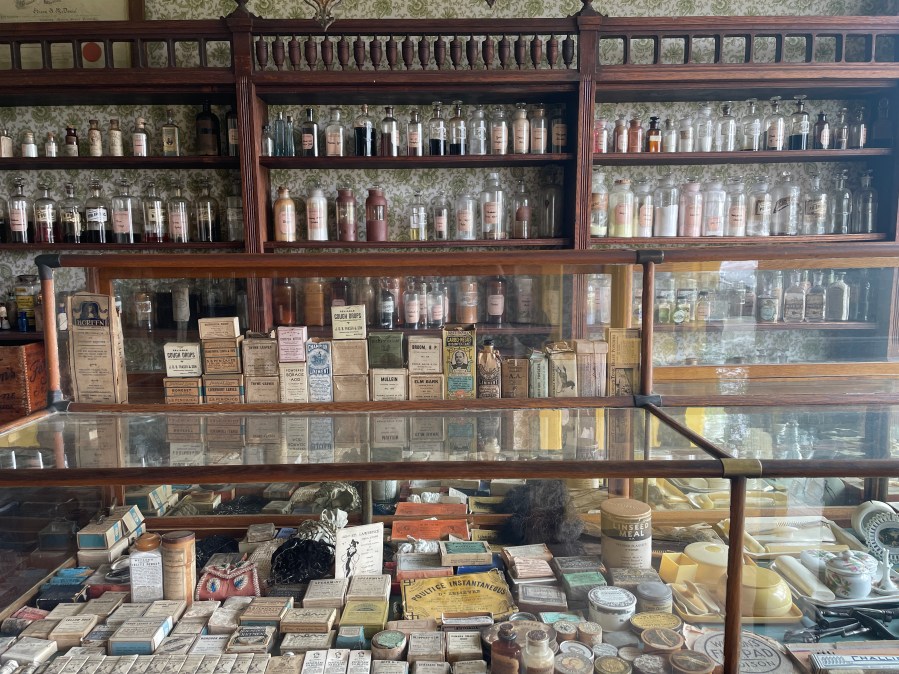
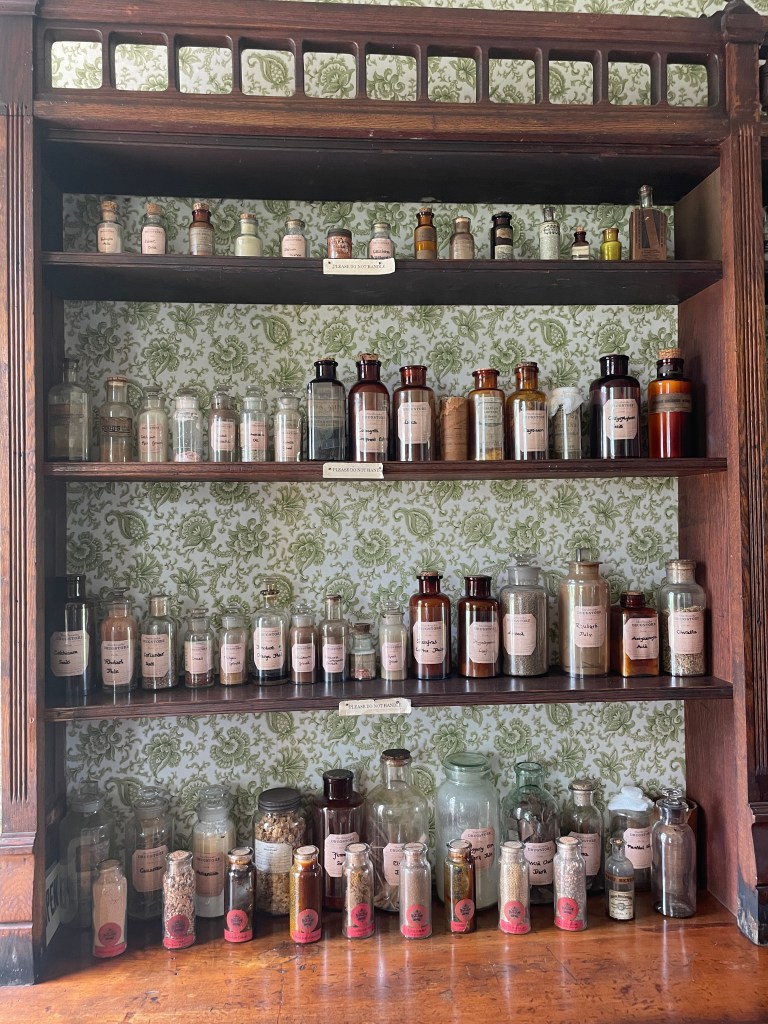
    My next stop was at a drug store with a series of products, herbs an “OTC” products from the late 19th century. I passed by a potter and ended up at a woodturner and chair maker. When I told him about my father and his chairs, another tourist chipped in that her father from Germany had been also a carpenter. She even knew the carpenter university in Rosenheim. What a funny encounter!

    I visited a general store, the courthouse and a soap maker, before I strolled back to the parking lot. This was a longer than expected, but very informative visit.

    The next two hours I followed the Highway 7 westwards, little civilisation, lets of archipelagos, views on bays, lots of low pine forests, cloudy skies and dropping temperatures. At the lowest point, temperature dropped to 11 degrees, chillier than expected. Ride, ride, ride and keep the pace high. Needless to say that there are no police patrols in rural Nova Scotia.

    In Musquodoboit Harbour, western civilisation had me back and I had a snack at Timmie’s (Tim Horton’s) where I also put on my inner liner as the temperatures were still on the chilly side. I swithed to the large highway now and crossed Halifax and rode another 100 km further to arrive in the UNESCO heritage town of Lunenburg.

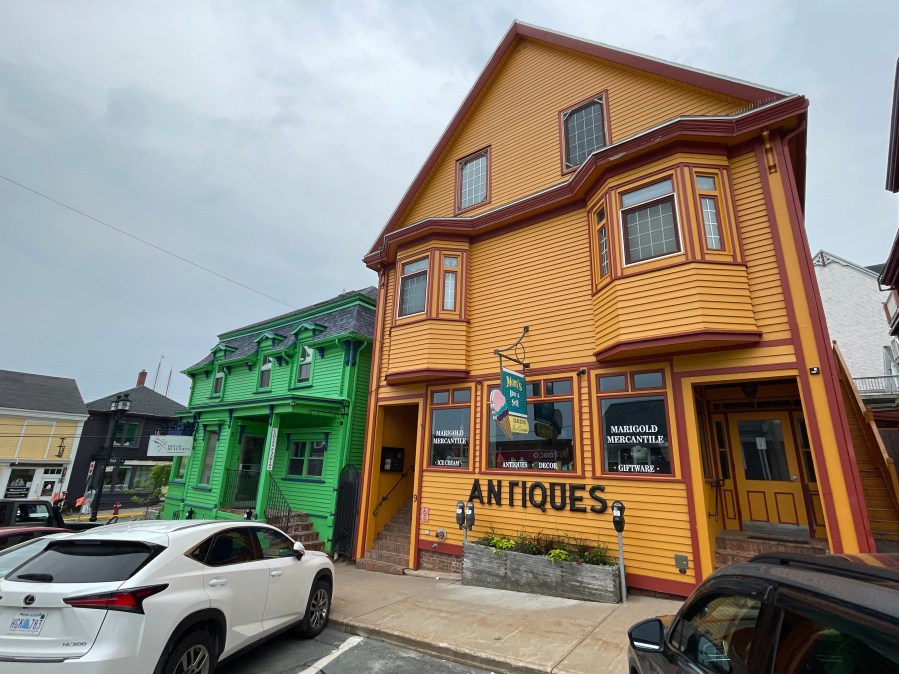
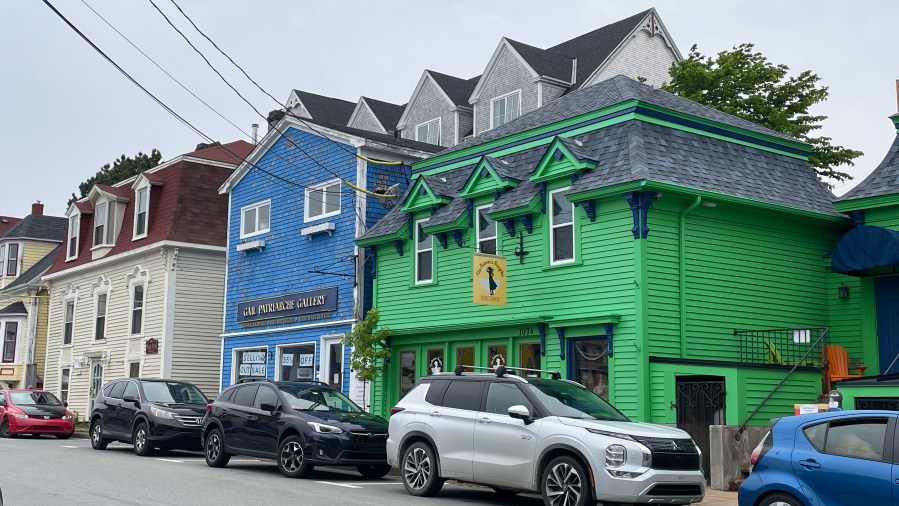
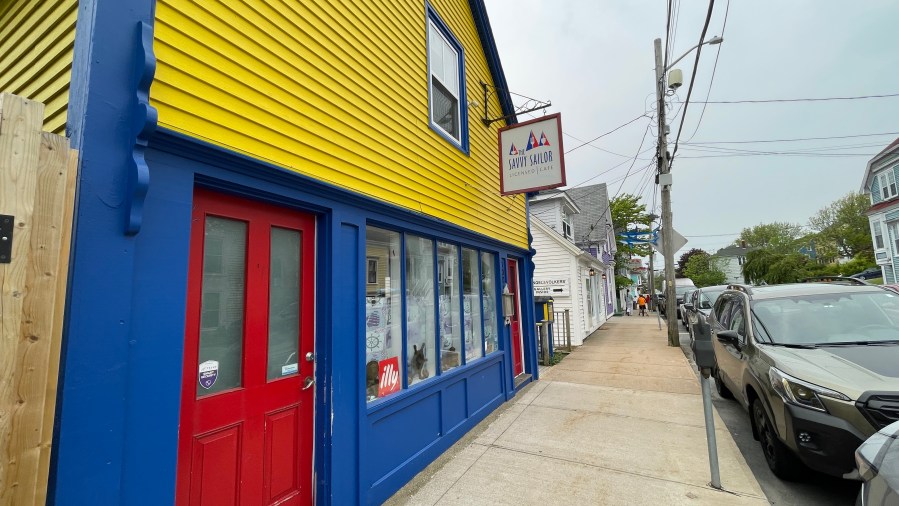
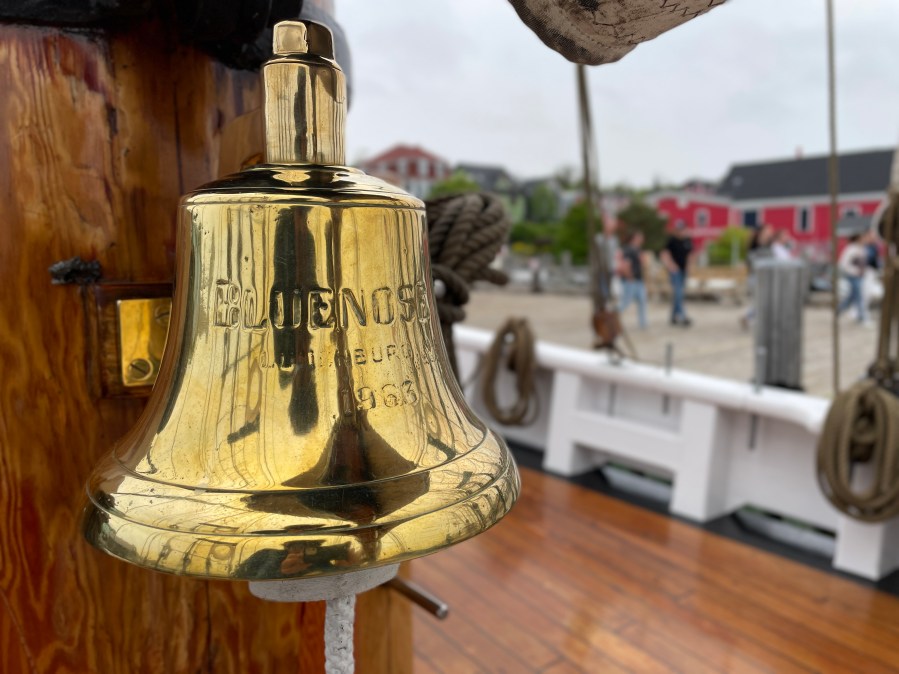
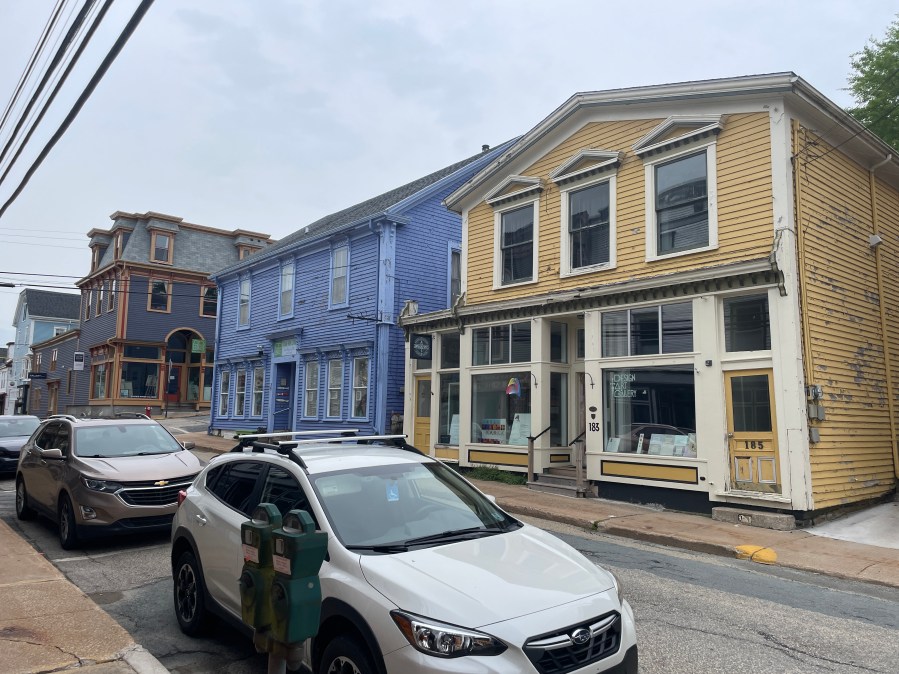
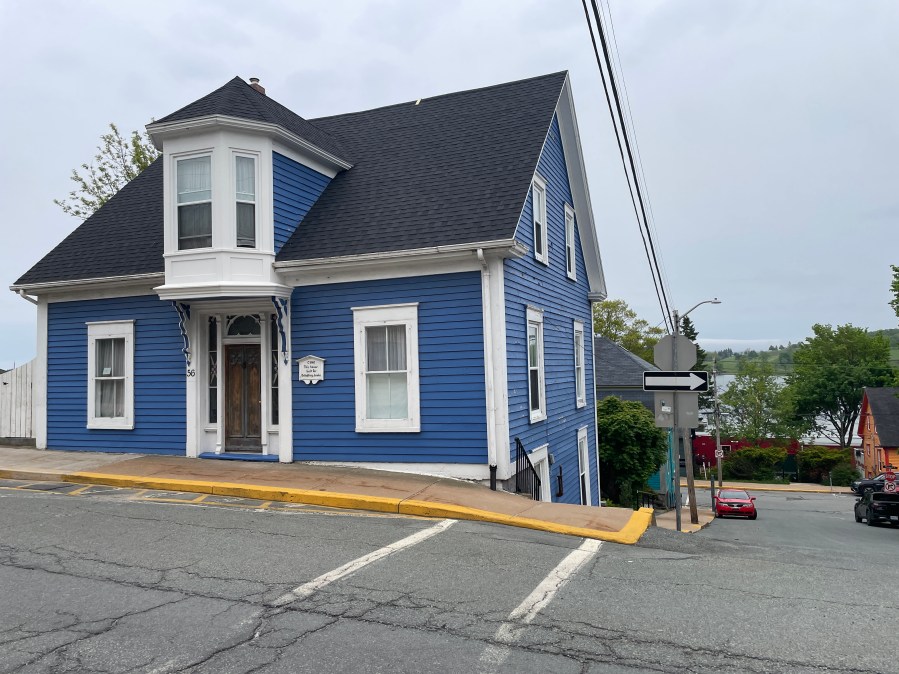
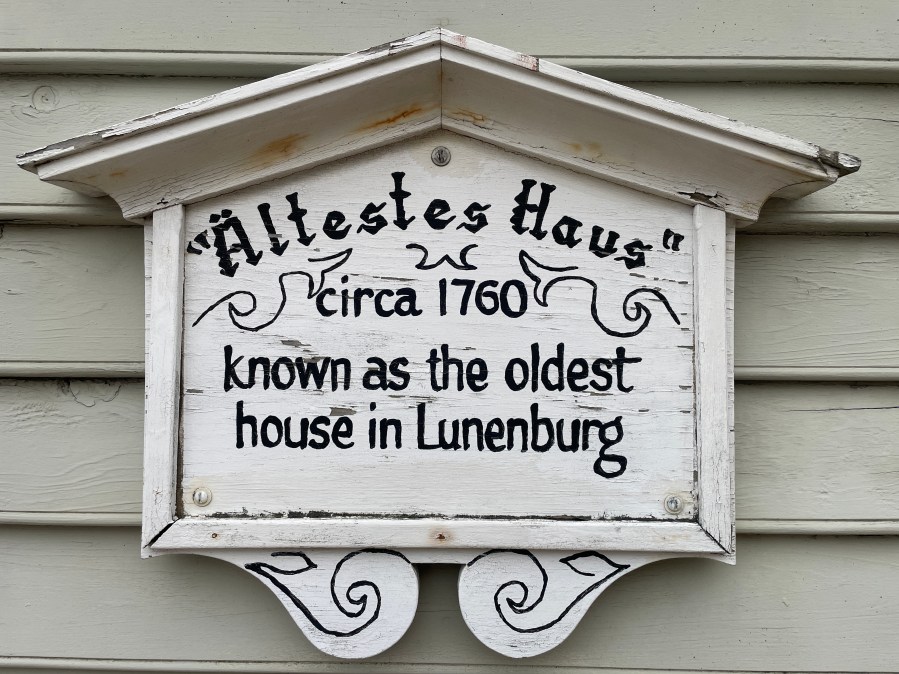
    Lunenburg is a charming coastal town steeped in history and maritime tradition. Established in 1753 by British colonists, it is one of the earliest and best-preserved examples of a planned British colonial settlement in North America. Its Old Town, with brightly painted wooden buildings and a grid street layout, has earned UNESCO World Heritage Site status. Perched along the shores of the Atlantic Ocean, Lunenburg boasts a strong connection to the sea, once serving as a major shipbuilding hub. The town is home to the legendary Bluenose schooner, a celebrated racing vessel and Canadian icon featured on the dime.

    Today, Lunenburg attracts visitors with its blend of historical charm, working waterfront, and vibrant arts scene. The Fisheries Museum of the Atlantic offers insight into the area’s seafaring past, while galleries, shops, and cafes line the scenic harbor. Festivals, live music, and fresh seafood—especially lobster and scallops—enhance the town’s appeal. Despite its small size, Lunenburg has a cosmopolitan spirit, drawing artists, entrepreneurs, and travelers from around the world.

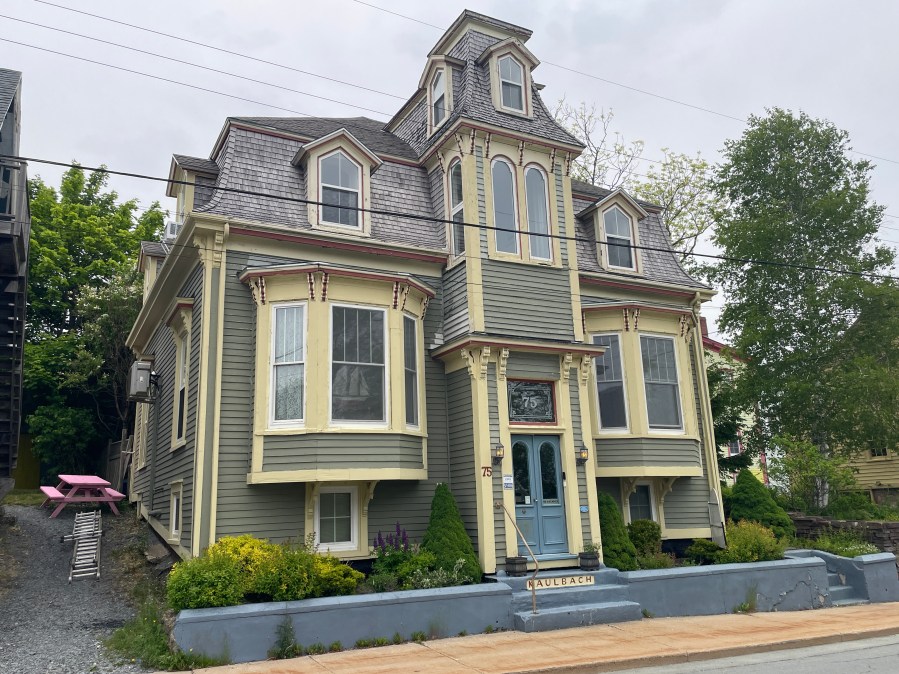
    I checked in my hotel, the Lunenburg arms, and went out again to wander through the streets, taking a lot of pictures; as some rain was forecasted, I returned to my room before my reservation at a restaurant later at night. I inspected also the Bluenose II that was in the harbour. A pitturesque town with a lot of history.

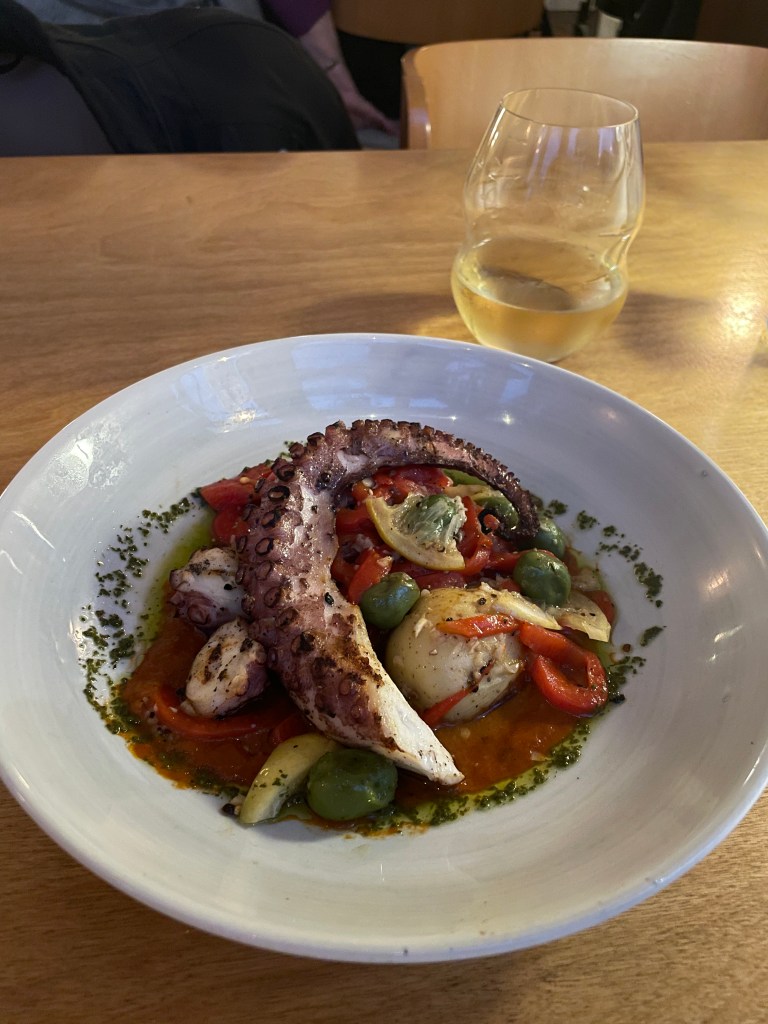
    At night, I had a good dinner at the Pea Beach Kitchen, where I planned also my last day of the trip tomorrow. Grand finale.

    Cape Breton to Lunenburg. 520 km. Relaxed.
  • European End-to-End Ride on a 1986 Honda XBR500: Up for the Challenge

    European End-to-End Ride on a 1986 Honda XBR500: Up for the Challenge

    Visit the two furthest points North and South on mainland Europe drivable by road in three days. On a 1986 Honda XBR500.

    In the beginning, there was the idea to join the European Ride to Eat in Estonia. A ride to eat is a get-together of IBA riders to meet for a picture on a Saturday at 4 p.m. and later having dinner together. In case of a Europan R2E, this place can be anywhere in Europe. The June meeting is located in Tartu, Estonia. My old Honda XBR500 has been to every country in Europe – except Belarus, Ukraine, Moldova and….Estonia! So it was a no-brainer to decide to join the R2E with the old thumper.

    So far, so good. Some months ago, fellow IBA rider Arjen had an idea and shared it: is there anybody interested to do a European End-to-End ride afterwards? The website of the Ironbutt Association UK states:

    “This ride is a multi-day challenge, with three levels to suit the rides LD riding ability. Planning the route and managing their ride time, sleep and fatigue is an important factor for success.

    The two furthest points North and South on mainland Europe drivable by road. 

    • Nordkapp, Norway, 71.169466, 25.783198
    • Tarifa, Spain, 36.008538, -5.606893

    The ride is classed as Extreme at the three Levels which are categorised by time taken to undertake the ride.

    End to End (less than 78 hrs)

    Insanity (less than 72 hrs)

    Insanity Gold (less than 66 hrs)”

    When being up in Estonia, you’re almost close to one possible starting point, aren’t you? Not quite. Northern Europe is big. I had this ride on my mind…why not doing it now?

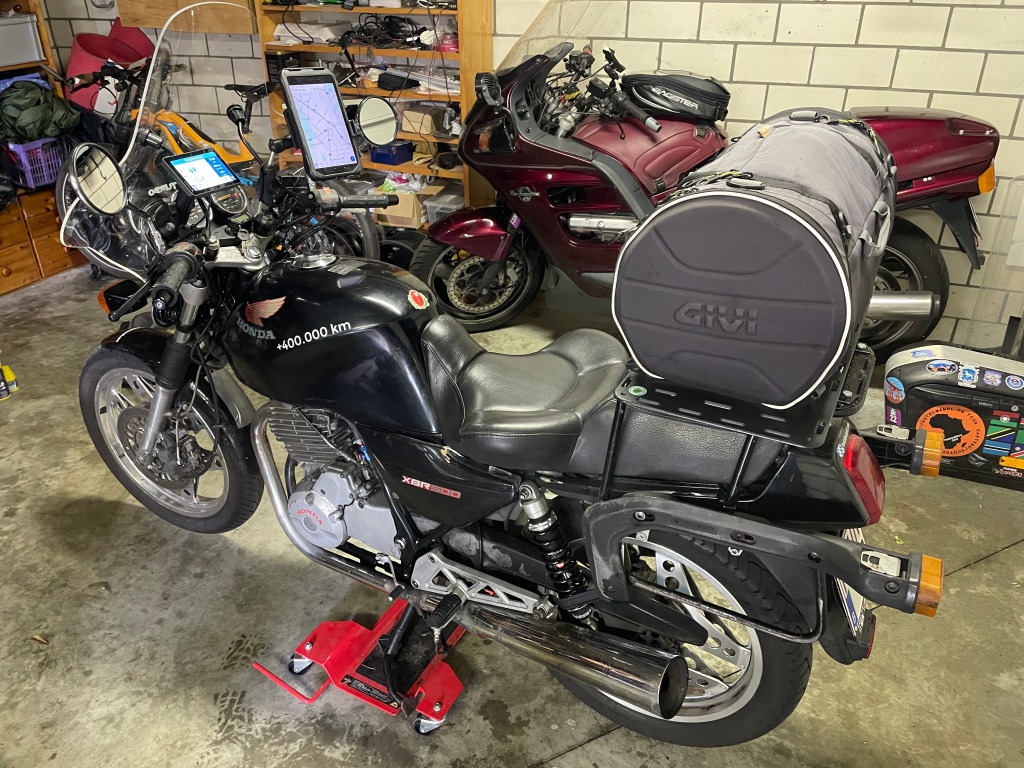
    There is only a small problem. The ride is considered an extreme ride, but should pose no big problem for an experienced LD rider…on a modern bike with >1000cc, fairing, high windshield, heated grips, heated saddle, etc…And my choice is…a 38 year old, 498 cc, one cylinder bike with 402.000 km on the clock. Quite an obvious choice, isn’t it?

    I last visited the North Cape on July 1st 1993 on the same XBR…at 7 degrees and totally frozen. The forecast predicts some 5 degrees for next Tuesday. As I said, modern bikes are rolling living rooms. The old XBR is not.
    Another challenge will be my traveling speed. While my 110 – 120 km/h is sufficient for Norway, Finland and Sweden, it is rather slow for the rest of the trip. And no, a cruise control is not available.

    The ride is similar to the Finnish North Cape – Gibraltar ride that existed for many years. In the Halls of Fame of both IBA Finland and IBA UK, almost all successful finishers had big bikes and nobody used a bike smaller than 650 cc. Well, that seems like a challenge!

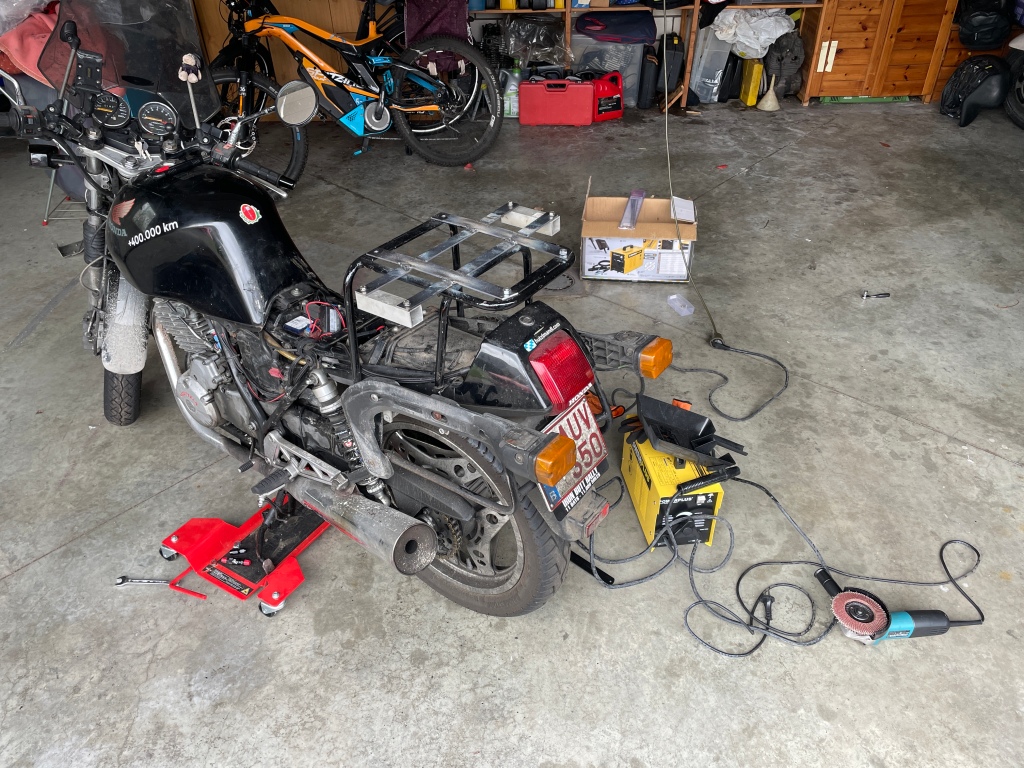
    But first, the bike needed some nursing. The last ride was two years ago, the trip to the Balkans. The XBR still carried the dirt of Albania. One idea was to increase the protection. I had bought a large(r) windscreen in the US that should replace my screen that served me over many years and countries. Another plan was to connect my 17 L auxiliary tank of the BMW. I just needed to i) build a mounting base and ii) connect the fuel line to the carburetor. And need to mount a new GPS cradle for the new Garmin Sumo XT. And to connect the tablet. And the heated gear. And a full service with fresh tyres.

    Well, what is the plan? Well, first I will ride to the Ride to Eat in Estonia on Saturday and take the ferry from Tallinn to Helsinki on Sunday and ride up to the northern end of the Baltic Sea. The next day, I will pass the Inari Lake and arrive at Honningsvåg, the northernmost town in the world:

    On Tuesday morning, I will set off at the North Cape and arrive not later than 78 hours later in Tarifa.

    After a relaxing evening and night in Tarifa, I will head back home in a relaxed way in two days. You will be able to follow me via my GPS track that will be active from Thursday evening onwards.