
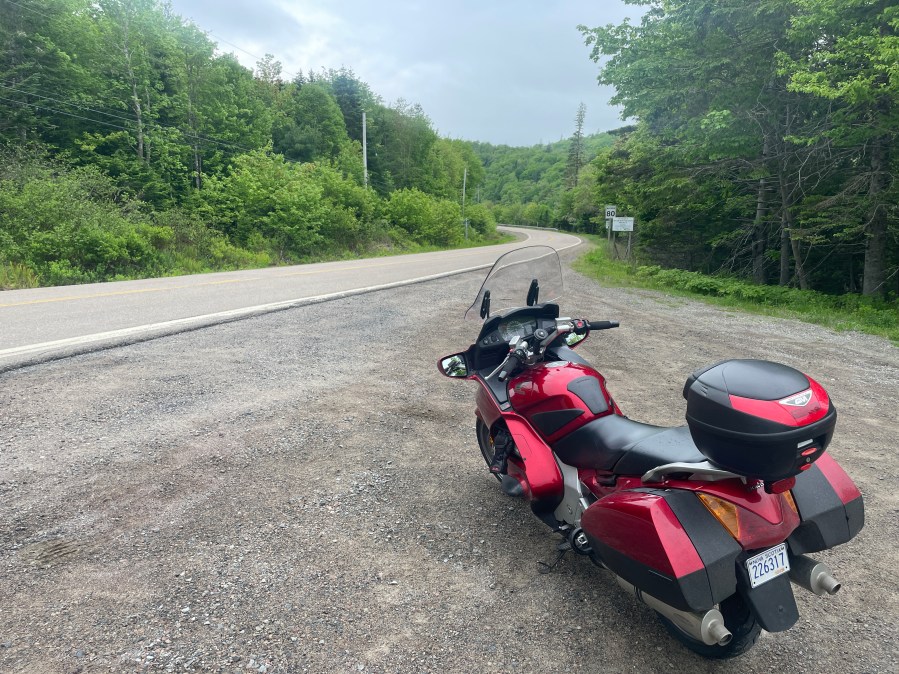
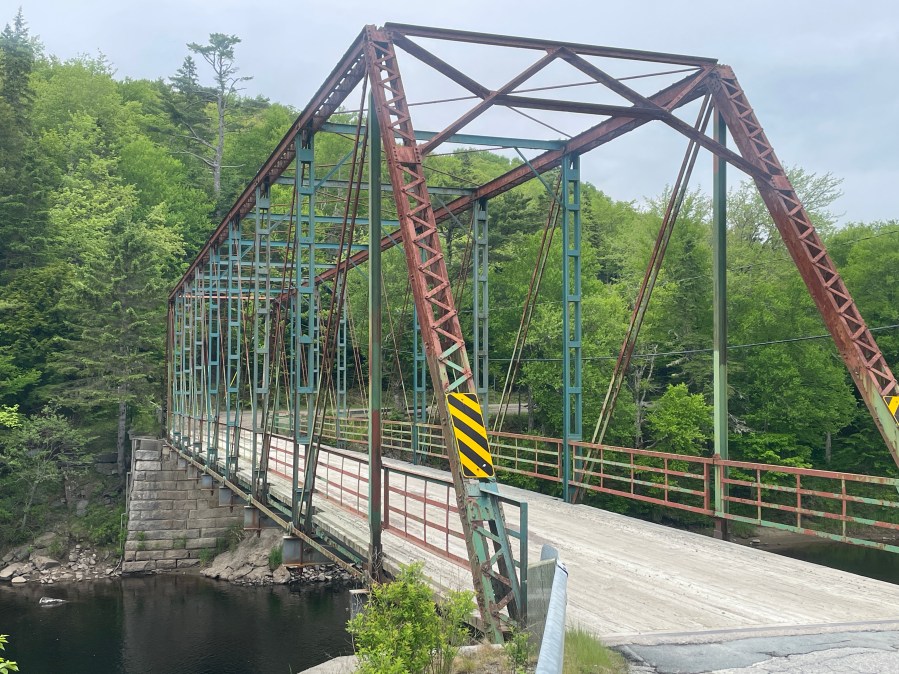
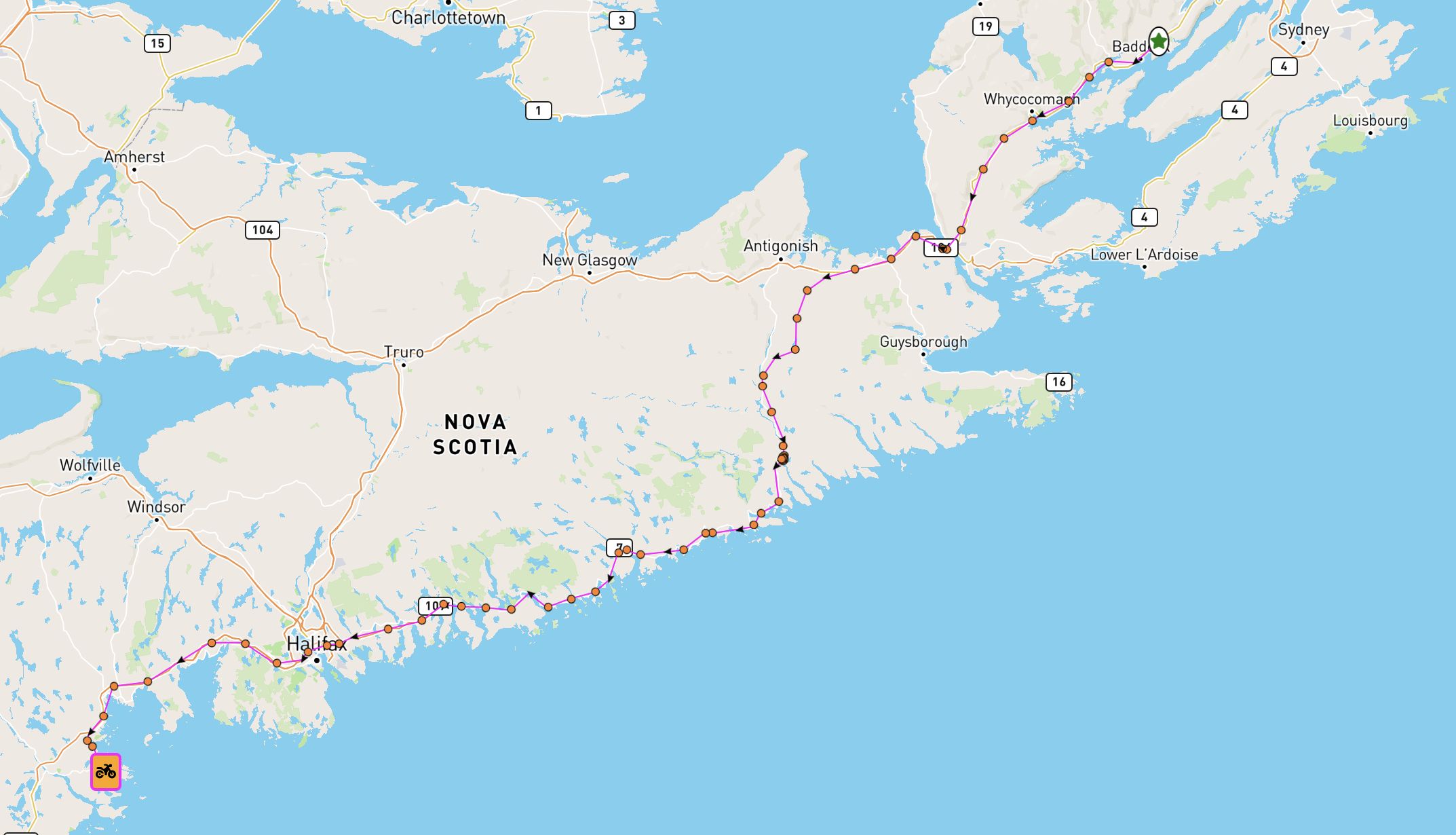
I was wondering which route to take in the morning in order to avoid a rain front. But as the rich breakfast and the following chat with the owner did take longer than expected, it did not matter anymore – the rain had started. Well, it didn’t matter then. I started off in the rain shortly after nine and headed for Baddeck and further southwest. The rain stopped after 30 minutes and I enjoy the easy ride on highway 105. Just after leaving the island of Cape Breton, I filled up and cleaned the windshield. My plan was to head for the east coast and to cross Nova Scotia at the southern shore. The sky was cloudy and I still had to pass a strong shower, but this would be the last time today. The area was lush with farmland and small forests.

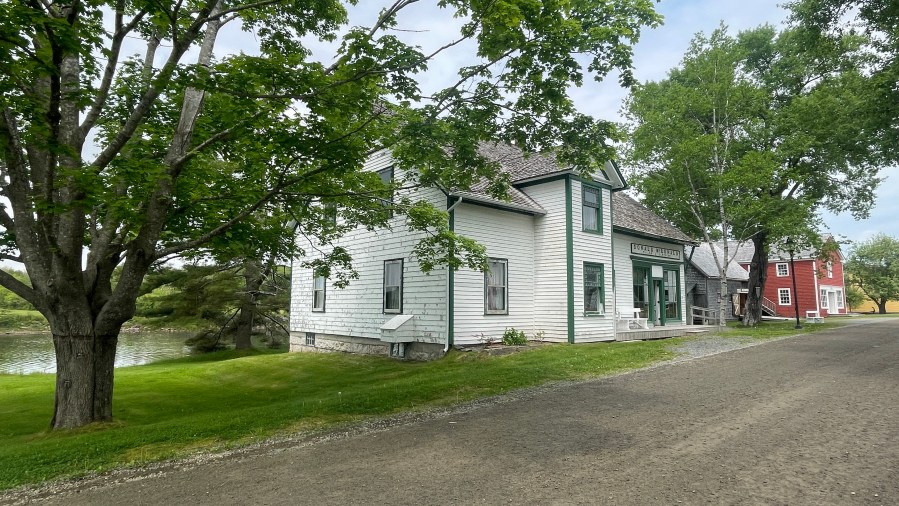
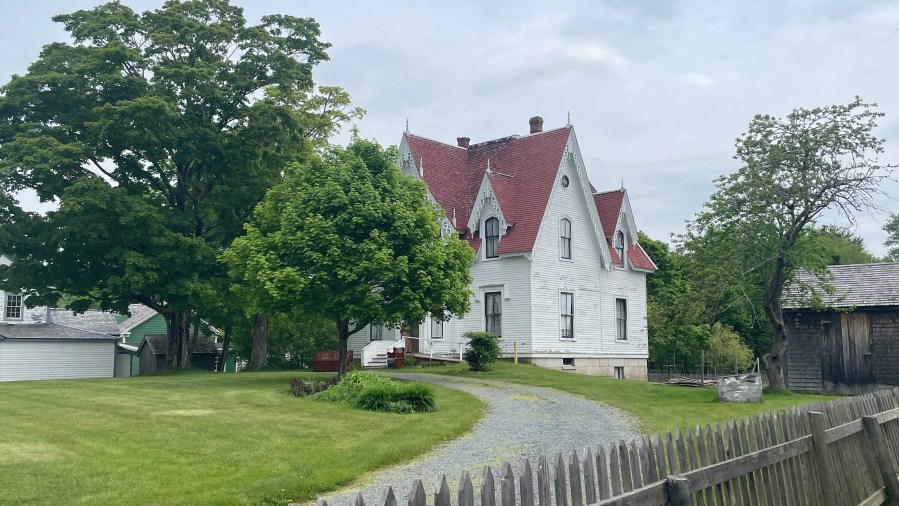
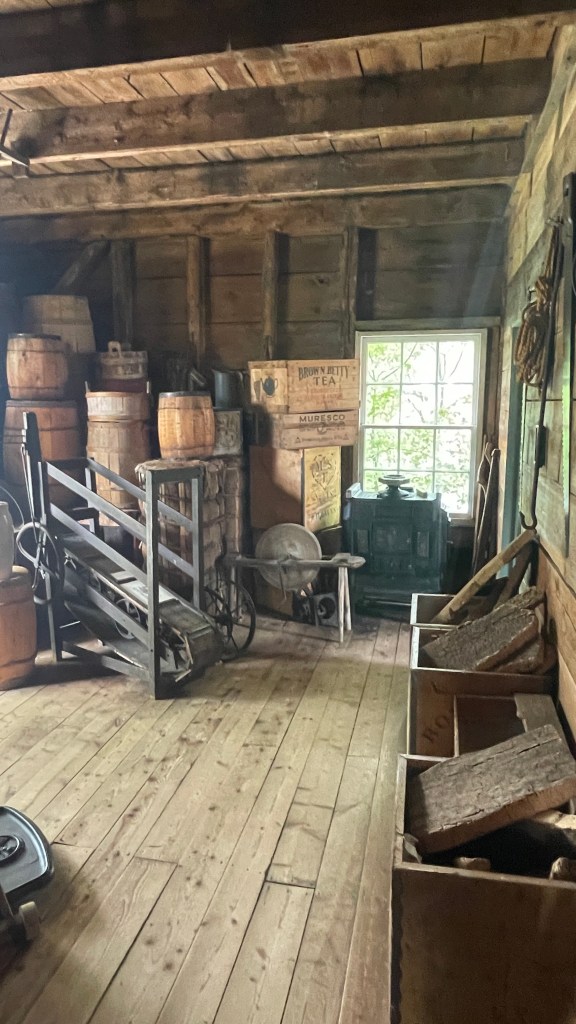
Shortly before noon, I arrive at the small village of Sherbrooke. I had read something about a living museum, looked for it and found it. The internet page of the museum claims: “Sherbrooke Village depicts a typical Nova Scotian village from 1860 to pre-WW1. With approximately 80 buildings, over 25 of those open to the public, most with costumed interpreters, it is the largest Nova Scotia Museum site. Visit the working woodturner shop, blacksmith, pottery shop, and printery. During your visit, enjoy a delicious, light meal at McDaniel’s Tea Room & Restaurant, located within the Village or drop in to Village Treasures and Gifts for that perfect keepsake. Built on an economy of ship building, lumbering and gold mining, Sherbrooke Village reflects Nova Scotia as it was during its industrial boom in of the 1860s. Visit a place where time has stood still… visit Sherbrooke Village!“
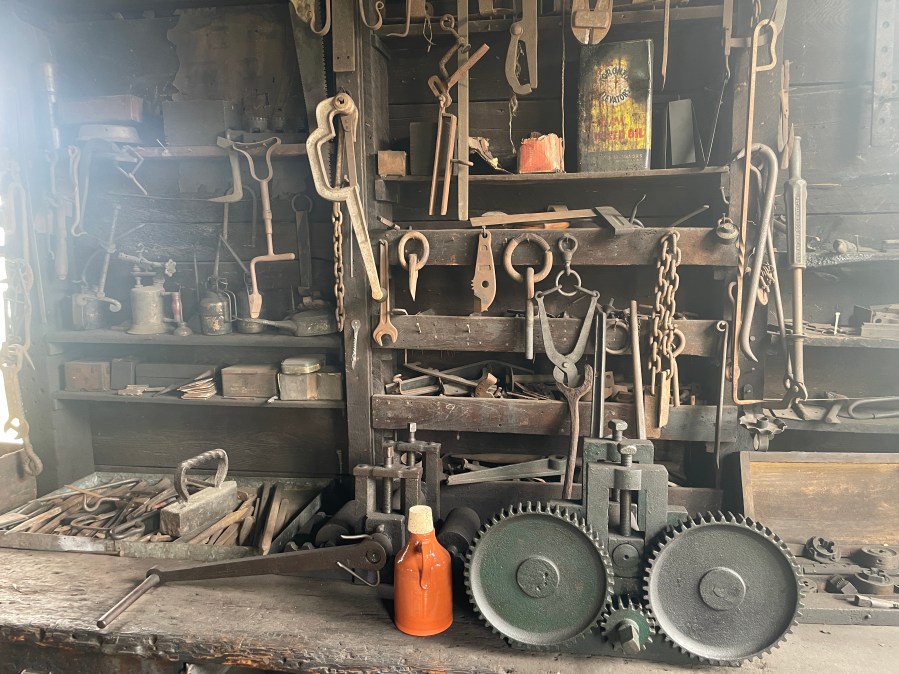
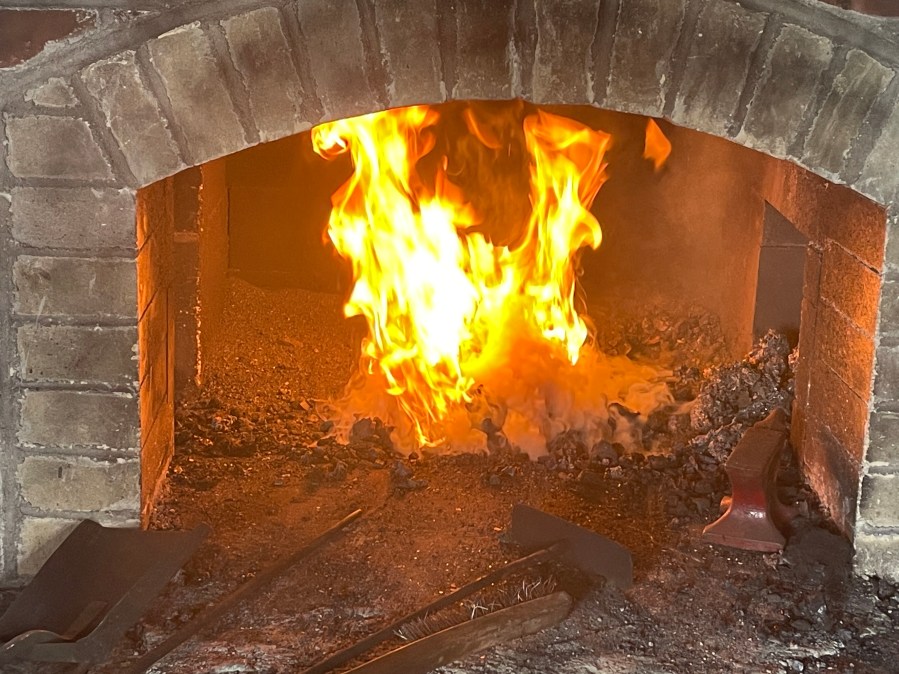
It is basically a museum village where you can visit (almost) all buildings and get an idea of the professions that were important at that time. I stopped at the blacksmith and watched him forging an iron bar, turning it into pointy piece. He was a young lad and a kind of apprentice, learning the old techniques. When the real blacksmith arrived, he greeted me with a strong handshake. One of the kind that could squash your hand into a bloody pulp, if he wanted to. I was chatting with the apprentice for a while as I was interested in some chemical details.


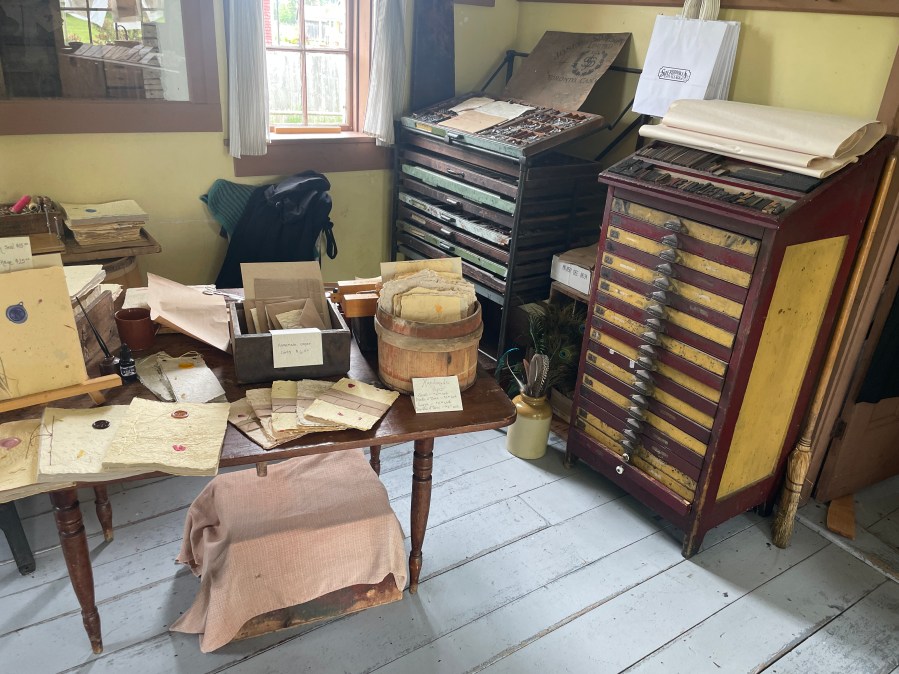
At the next house, I visited a printing office and paper maker. I had another chat with the printing lady and some Austrian tourists when I overheard them. She printed recipes with types on a machine from the 1880s and showed me how to make hand-made paper from leftovers.

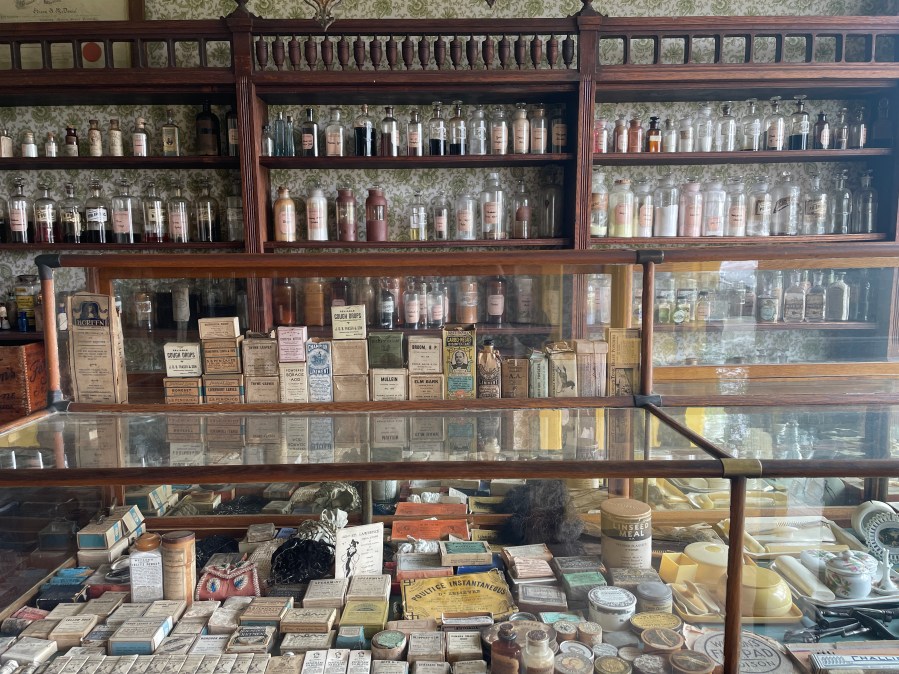
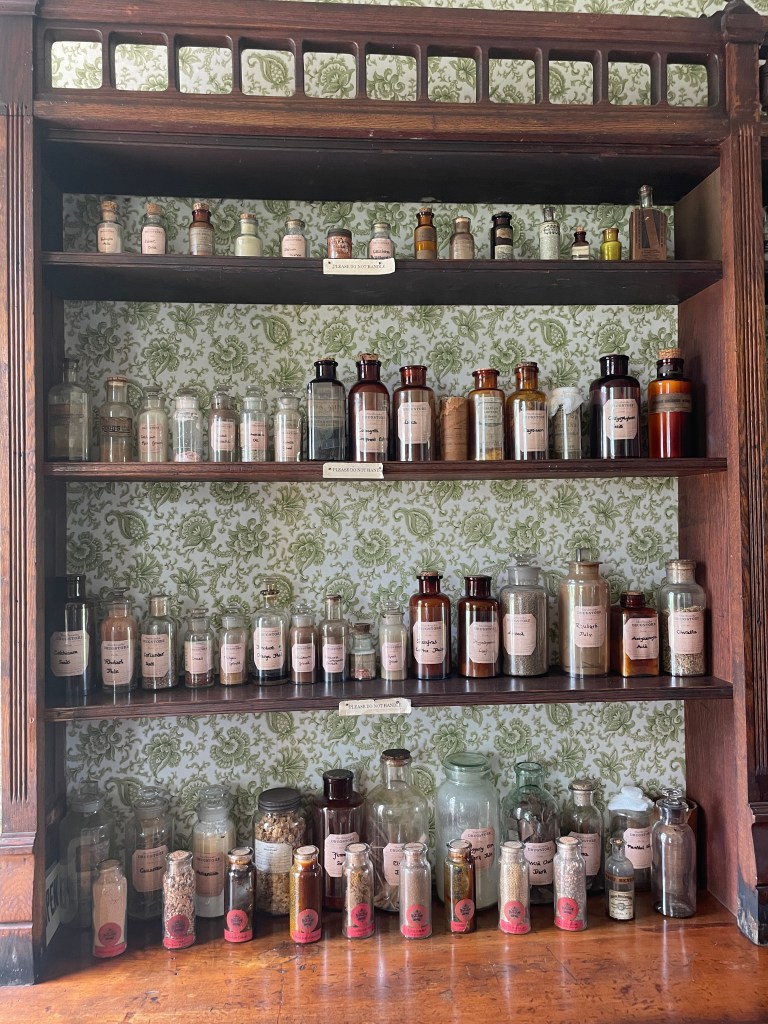
My next stop was at a drug store with a series of products, herbs an “OTC” products from the late 19th century. I passed by a potter and ended up at a woodturner and chair maker. When I told him about my father and his chairs, another tourist chipped in that her father from Germany had been also a carpenter. She even knew the carpenter university in Rosenheim. What a funny encounter!
I visited a general store, the courthouse and a soap maker, before I strolled back to the parking lot. This was a longer than expected, but very informative visit.





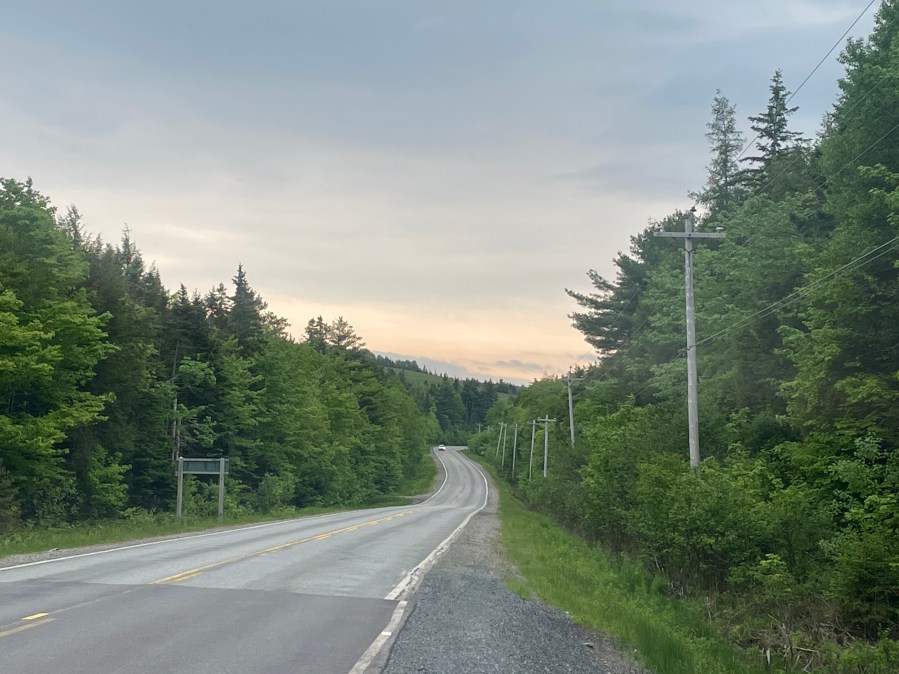
The next two hours I followed the Highway 7 westwards, little civilisation, lets of archipelagos, views on bays, lots of low pine forests, cloudy skies and dropping temperatures. At the lowest point, temperature dropped to 11 degrees, chillier than expected. Ride, ride, ride and keep the pace high. Needless to say that there are no police patrols in rural Nova Scotia.


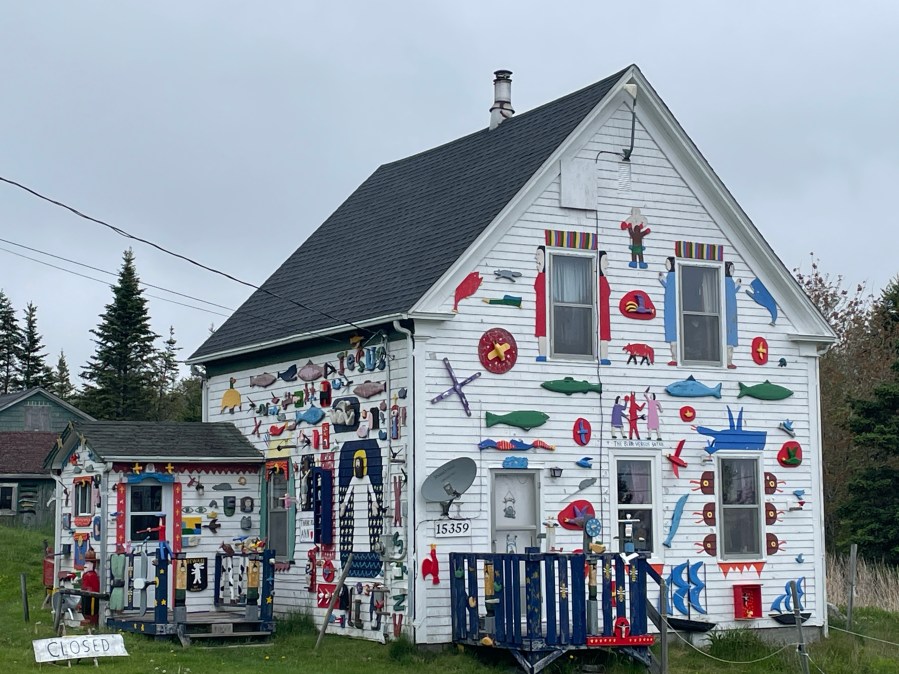
In Musquodoboit Harbour, western civilisation had me back and I had a snack at Timmie’s (Tim Horton’s) where I also put on my inner liner as the temperatures were still on the chilly side. I swithed to the large highway now and crossed Halifax and rode another 100 km further to arrive in the UNESCO heritage town of Lunenburg.
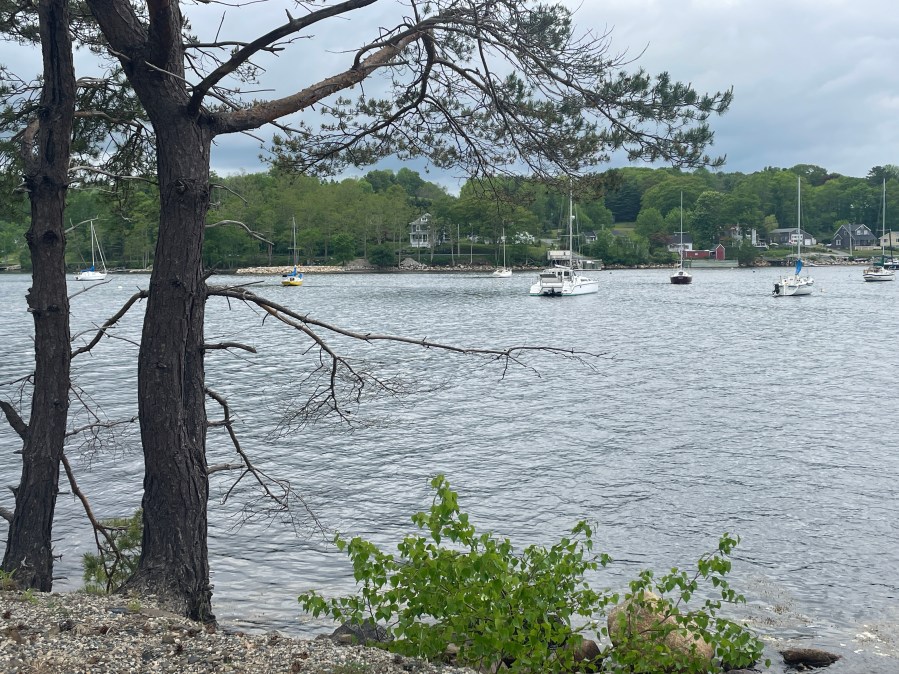
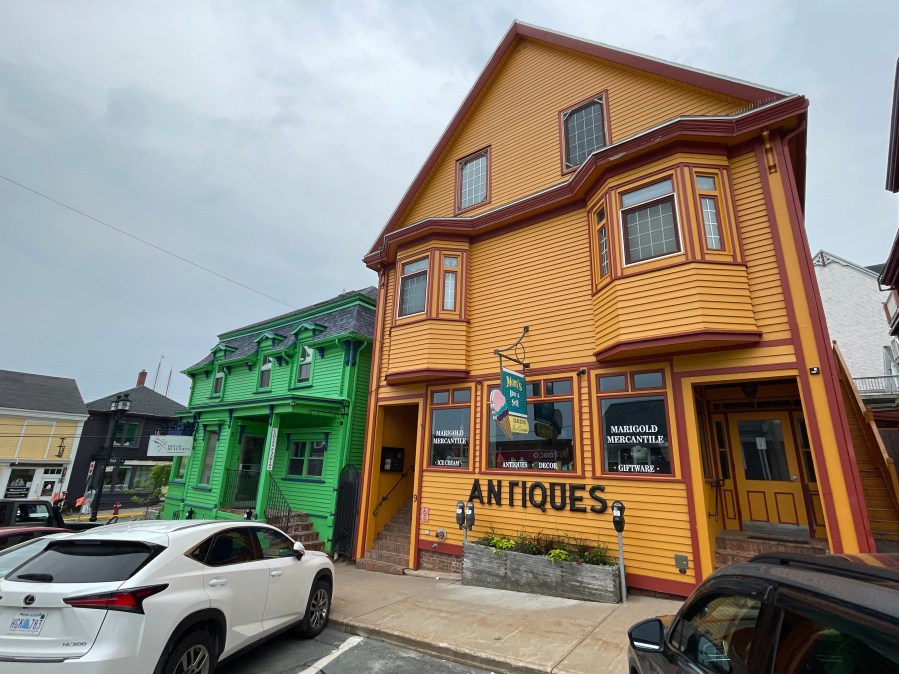
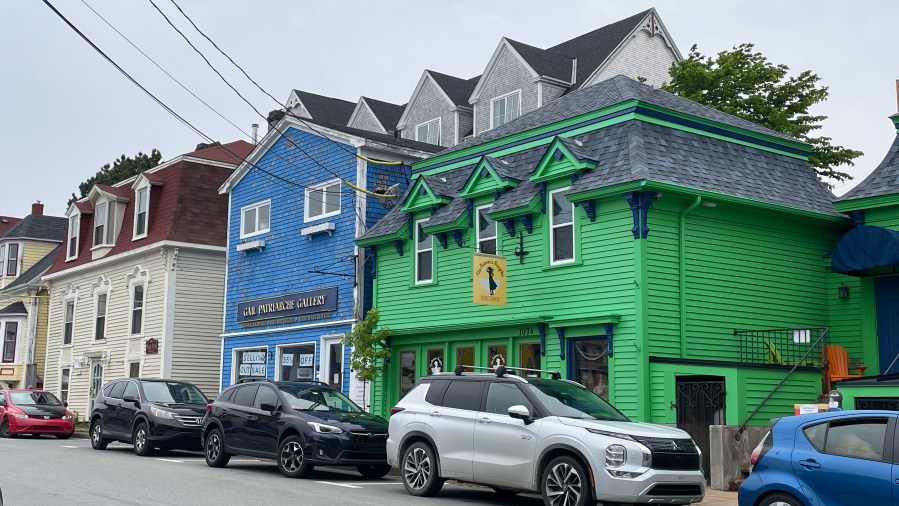
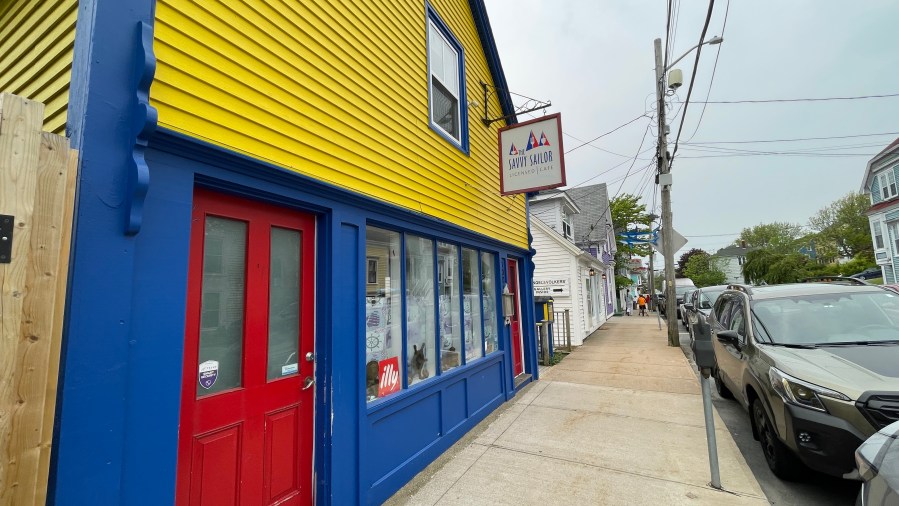
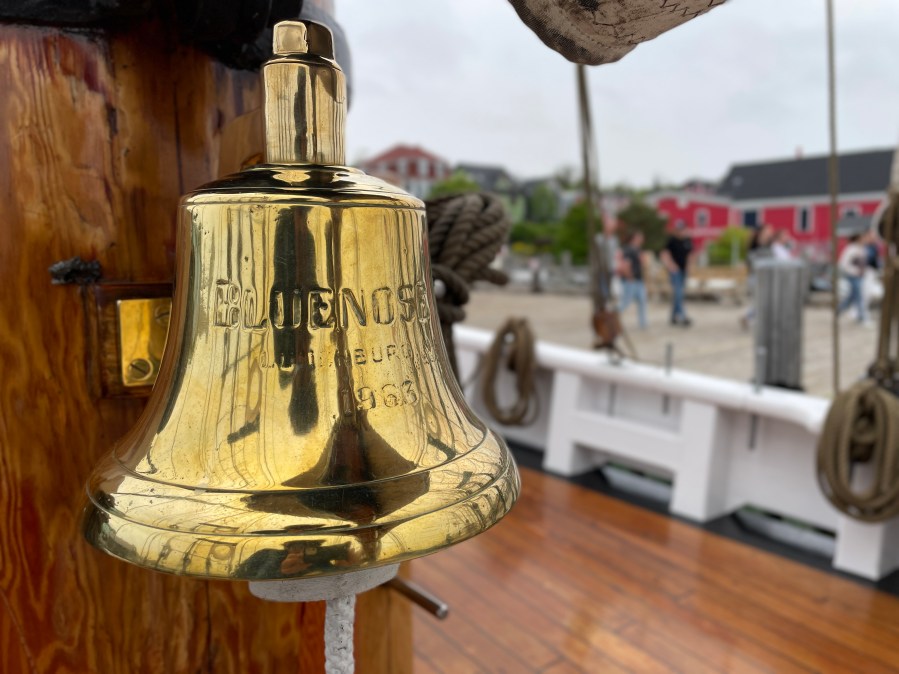
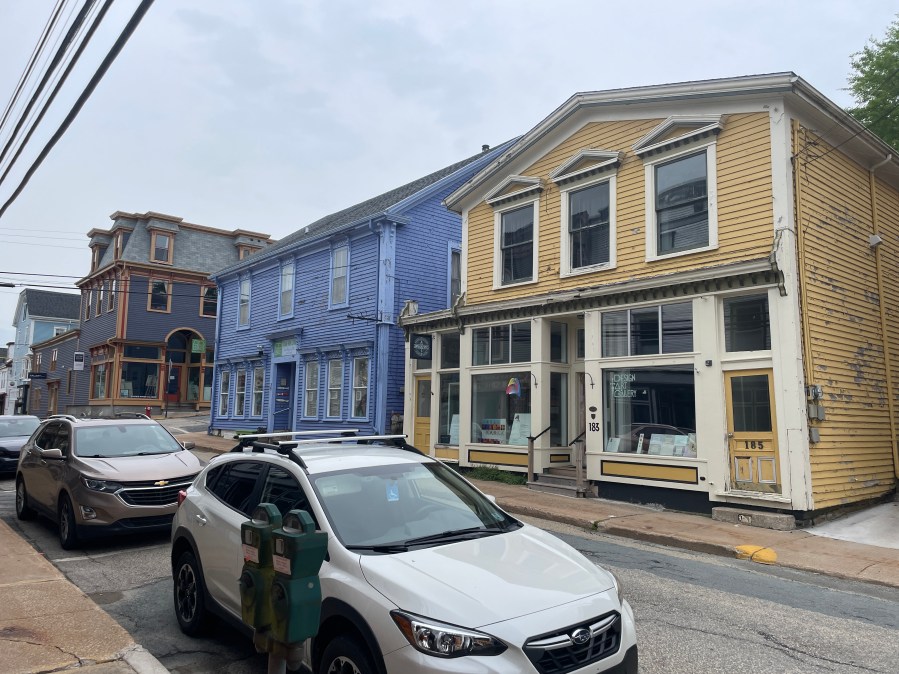
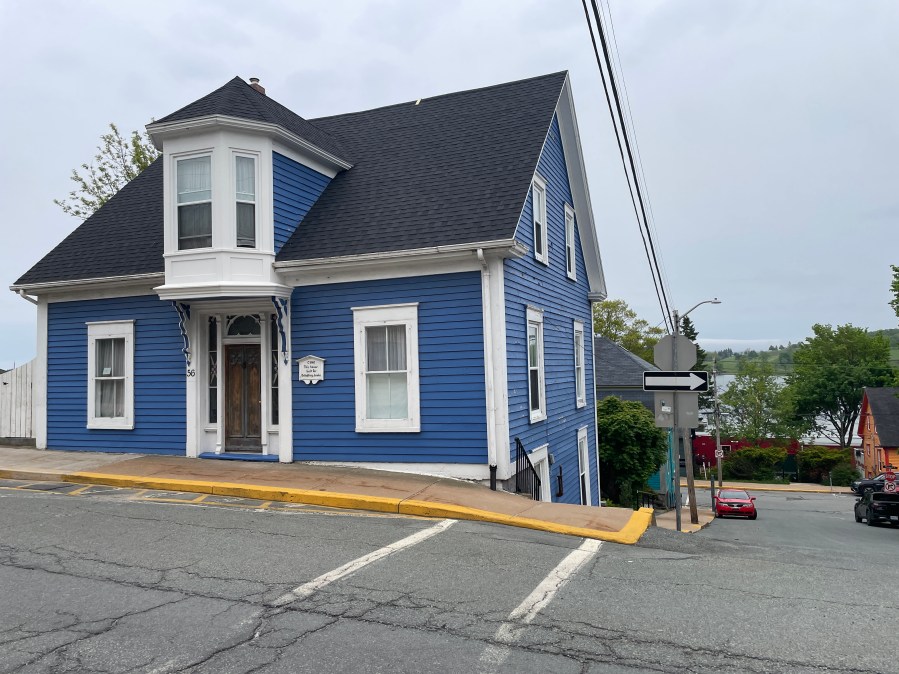
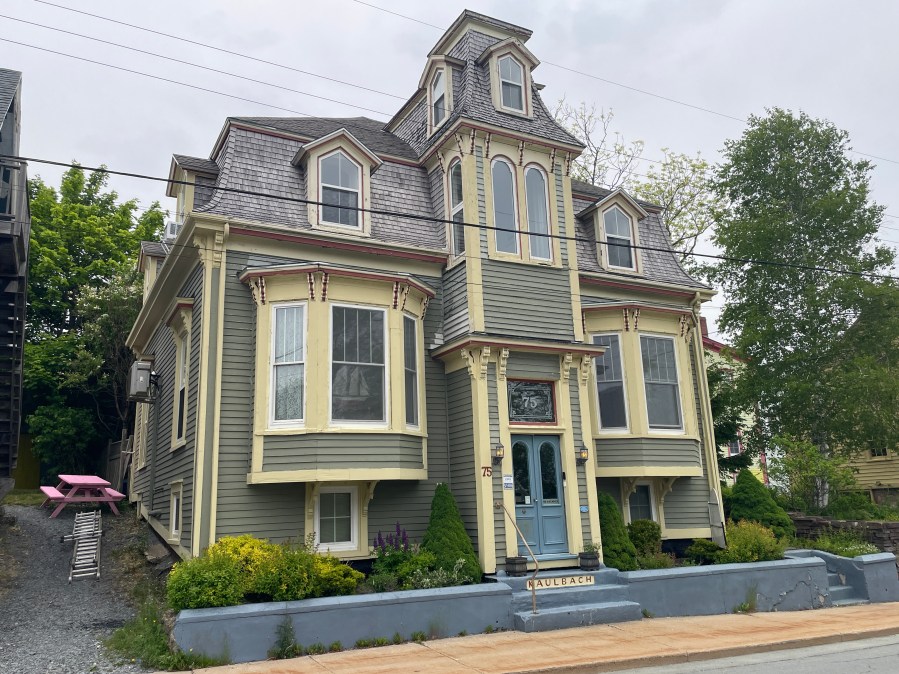
Lunenburg is a charming coastal town steeped in history and maritime tradition. Established in 1753 by British colonists, it is one of the earliest and best-preserved examples of a planned British colonial settlement in North America. Its Old Town, with brightly painted wooden buildings and a grid street layout, has earned UNESCO World Heritage Site status. Perched along the shores of the Atlantic Ocean, Lunenburg boasts a strong connection to the sea, once serving as a major shipbuilding hub. The town is home to the legendary Bluenose schooner, a celebrated racing vessel and Canadian icon featured on the dime.
Today, Lunenburg attracts visitors with its blend of historical charm, working waterfront, and vibrant arts scene. The Fisheries Museum of the Atlantic offers insight into the area’s seafaring past, while galleries, shops, and cafes line the scenic harbor. Festivals, live music, and fresh seafood—especially lobster and scallops—enhance the town’s appeal. Despite its small size, Lunenburg has a cosmopolitan spirit, drawing artists, entrepreneurs, and travelers from around the world.
I checked in my hotel, the Lunenburg arms, and went out again to wander through the streets, taking a lot of pictures; as some rain was forecasted, I returned to my room before my reservation at a restaurant later at night. I inspected also the Bluenose II that was in the harbour. A pitturesque town with a lot of history.





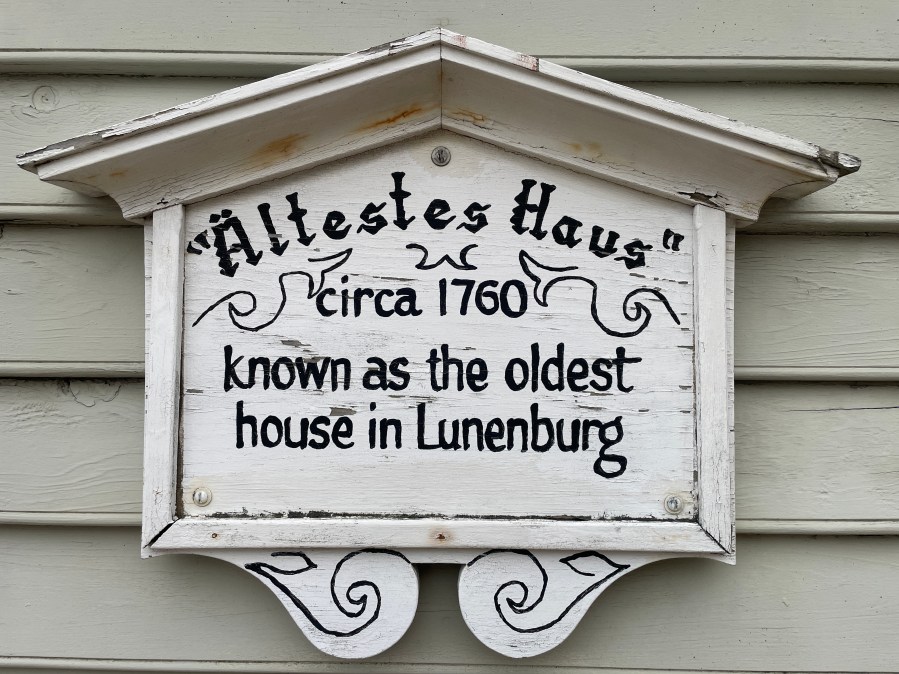
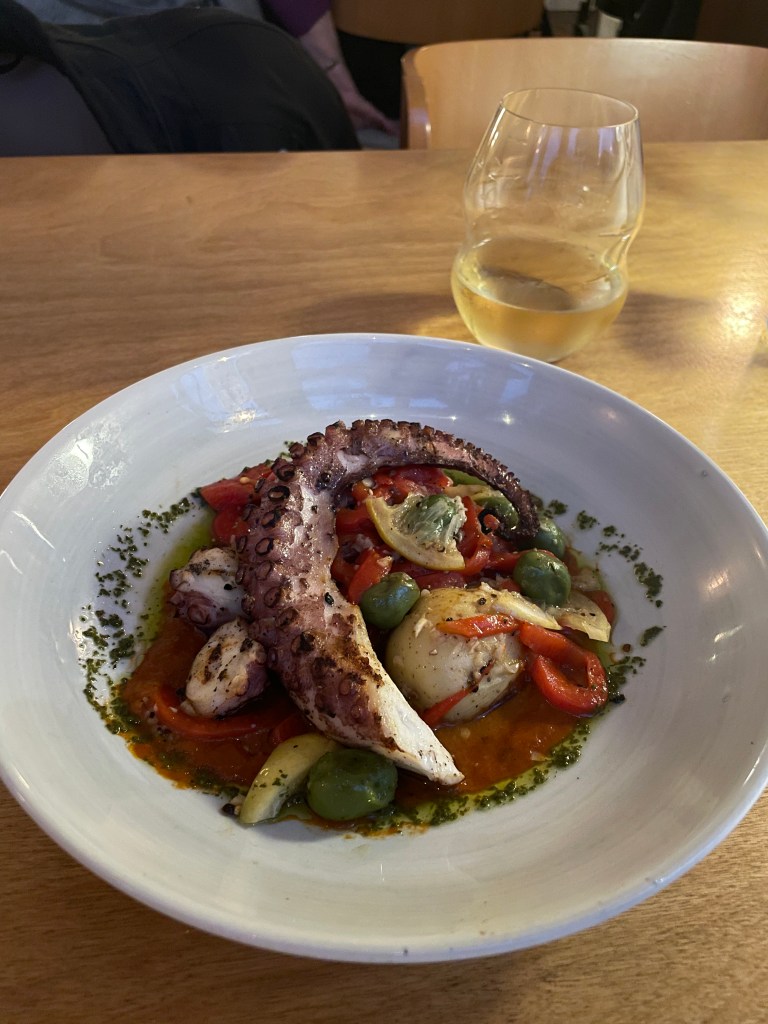

At night, I had a good dinner at the Pea Beach Kitchen, where I planned also my last day of the trip tomorrow. Grand finale.
 Hutzlmandl On Tour
Leave a comment